

Report: Google and SpaceX in talks to put data centers into orbit for AI workloads
BitcoinWorld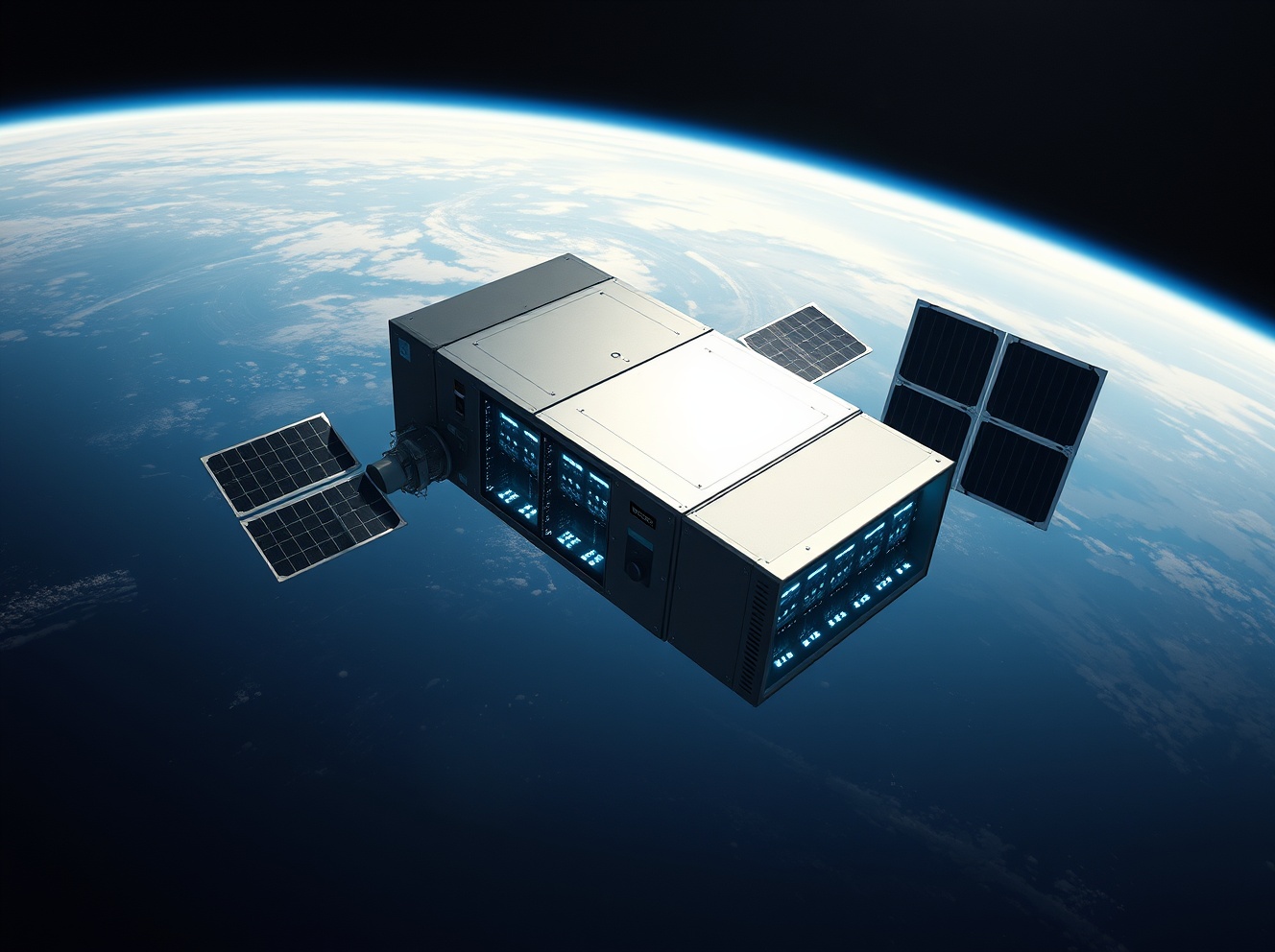
Report: Google and SpaceX in talks to put data centers into orbit for AI workloads
Google and SpaceX are in discussions to deploy orbital data centers in space, according to a report from The Wall Street Journal citing sources familiar with the matter. The potential partnership would mark a significant step toward moving AI compute infrastructure off the planet, leveraging the vacuum of space for cooling and abundant solar energy.
What the talks involve
The discussions are still in early stages, sources said, and no final agreement has been reached. Google is also reportedly in talks with other rocket-launch companies as part of a broader push into space-based computing. The company announced Project Suncatcher late last year, an initiative to launch prototype satellites by 2027 that would serve as orbital data center testbeds.
SpaceX, meanwhile, is preparing for its highly anticipated IPO later this year, valued at up to $1.75 trillion. The company has been pitching investors on the idea that orbital data centers will become the cheapest location for AI compute within the next few years, citing near-free cooling, consistent solar power, and lower latency for certain global applications.
Context and background
The talks follow SpaceX’s recent deal with Anthropic to use computing resources from xAI’s data center in Memphis, Tennessee. SpaceX acquired xAI in February, and the two companies have discussed collaborating on orbital data centers in the future. Google invested $900 million in SpaceX in 2015, according to regulatory filings, giving the search giant a longstanding strategic interest in the company’s infrastructure ambitions.
Elon Musk has publicly promoted the idea of orbital data centers, arguing they could operate more cheaply than terrestrial facilities. Advocates also point out that space-based data centers avoid the local permitting battles and community opposition that have slowed ground-based AI data center construction across the United States.
Cost realities and challenges
Despite the enthusiasm, significant economic hurdles remain. A recent analysis by Bitcoin World found that today’s terrestrial data centers are substantially cheaper than orbital alternatives once satellite construction and launch costs are factored in. Launch costs, while declining, still add a premium of several hundred percent per kilowatt of compute capacity compared to ground-based facilities.
Other challenges include radiation hardening of electronics, orbital debris risks, and the difficulty of performing maintenance or upgrades in space. SpaceX’s Starship, if fully operational, could dramatically reduce launch costs, but the vehicle has not yet entered regular commercial service for payload deployment.
Why this matters
The talks signal that major technology companies are taking space-based infrastructure seriously as a long-term option for AI compute. As demand for AI training and inference continues to grow, constraints on terrestrial data center construction — power availability, water usage, land costs, and community opposition — are becoming more acute. Orbital data centers could eventually offer an alternative path, though the timeline remains uncertain.
Bitcoin World has reached out to Google and SpaceX for comment and will update this story as more information becomes available.
Conclusion
Google and SpaceX’s reported discussions represent a noteworthy development in the race to find sustainable, scalable locations for AI infrastructure. While orbital data centers are not yet economically viable at scale, the conversations indicate that both companies are positioning for a future where space-based compute becomes a practical reality. For now, terrestrial data centers remain the dominant solution, but the groundwork for orbital alternatives is being laid.
FAQs
Q1: Why would companies put data centers in space?
Orbital data centers could offer near-free cooling in the vacuum of space, consistent access to solar energy, and lower latency for certain global applications. They also avoid local permitting issues and community opposition faced by ground-based facilities.
Q2: When could orbital data centers become operational?
Google’s Project Suncatcher aims to launch prototype satellites by 2027. Commercial-scale orbital data centers are likely still years away, pending significant reductions in launch costs and advances in space-hardened computing hardware.
Q3: Are orbital data centers cheaper than ground-based ones?
Currently, no. Launch and satellite construction costs make orbital data centers significantly more expensive than terrestrial alternatives. However, if launch costs continue to decline — particularly with vehicles like SpaceX’s Starship — the cost gap could narrow over the next decade.
This post Report: Google and SpaceX in talks to put data centers into orbit for AI workloads first appeared on BitcoinWorld.


추천 콘텐츠

PMI-ACP Exam Preparation: How to Use a Simulator and Practice Questions Effectively

EUR/GBP Exchange Rate Surges as Bank of England Rate Hike Expectations Intensify – Market Analysis




