US Dollar Index Slides Toward 99.15 as Hopes for Hormuz Stability Weigh on Safe-Haven Demand
BitcoinWorld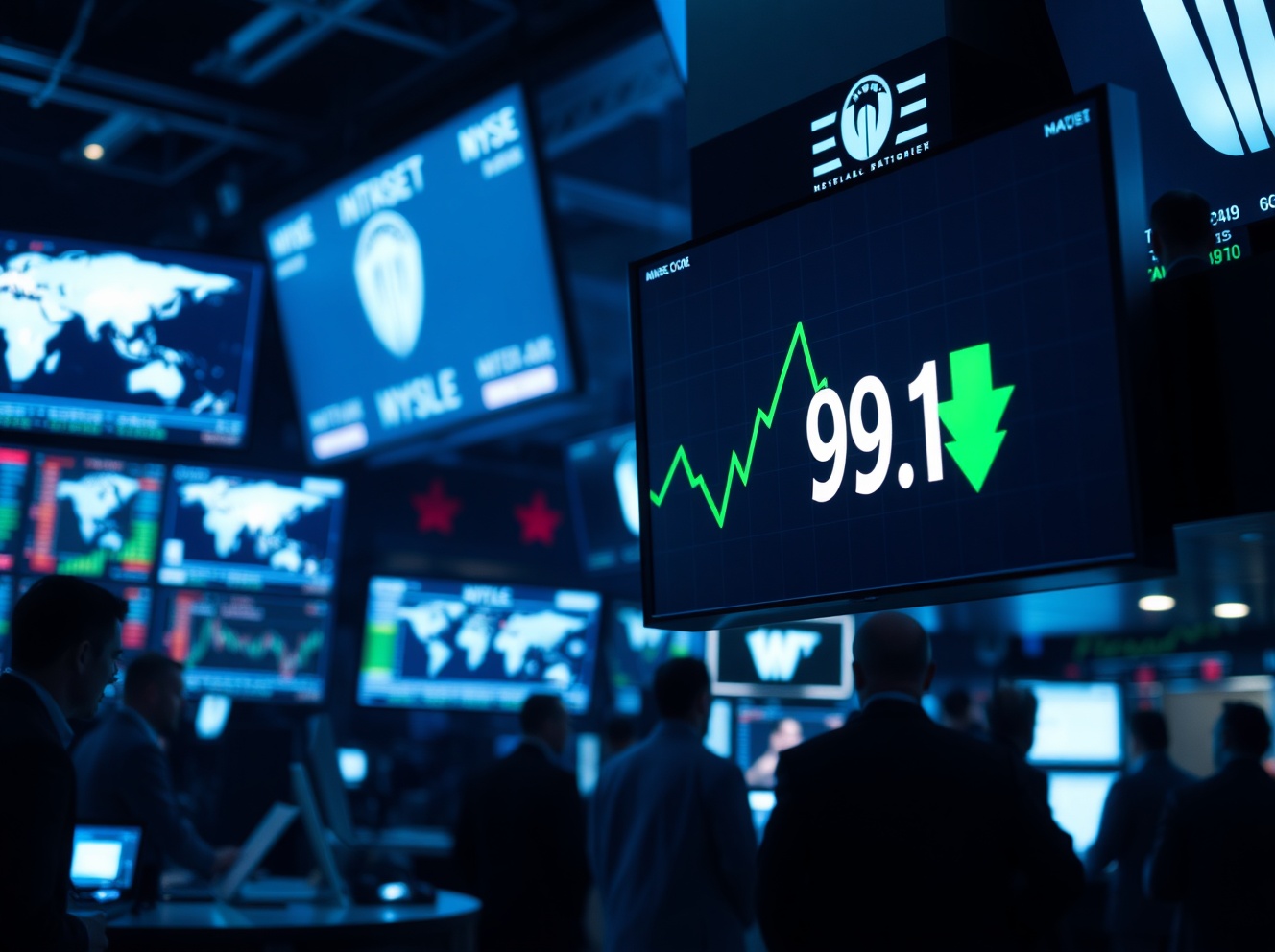
US Dollar Index Slides Toward 99.15 as Hopes for Hormuz Stability Weigh on Safe-Haven Demand
The US Dollar Index (DXY) retreated sharply on Tuesday, reversing earlier gains to trade near the 99.15 mark, as growing expectations of a diplomatic resolution in the Strait of Hormuz dampened safe-haven demand for the greenback. The move reflects a shift in market sentiment away from geopolitical risk aversion toward a more optimistic outlook for global trade and energy supply chains.
Geopolitical Hopes Drive Dollar Weakness
The decline in the Dollar Index came after unconfirmed reports of progress in negotiations aimed at stabilizing shipping routes through the Strait of Hormuz, a critical chokepoint for global oil supplies. Traders and investors, who had previously piled into the dollar as a safe haven amid heightened tensions in the Middle East, began unwinding those positions. The prospect of reduced disruption to crude flows also eased upward pressure on oil prices, further reducing the dollar’s appeal as a hedge against inflation.
The DXY, which measures the greenback against a basket of six major currencies, had briefly touched session highs above 99.50 before the reversal. The index is now testing support levels last seen in early March, with analysts watching for a potential break below the 99.00 psychological barrier.
Market Implications and Broader Context
The dollar’s pullback has provided relief to other major currencies, with the euro and Japanese yen both gaining ground. Emerging market currencies, particularly those of oil-importing nations, also saw a boost as lower geopolitical risk premiums and stable energy prices improved their trade balances.
From a monetary policy perspective, the dollar’s softening may offer the Federal Reserve additional flexibility. A weaker dollar tends to support US exports and can help temper the impact of imported inflation, factors the central bank weighs when considering its next interest rate decision. However, the Fed’s primary focus remains on domestic inflation and employment data, meaning the dollar’s trajectory is unlikely to be the sole driver of policy.
Why This Matters to Investors
For forex traders and global investors, the DXY’s move toward 99.15 signals a potential shift in the prevailing risk-on/risk-off dynamic. If Hormuz stability holds, the dollar could face further downside as capital flows rotate back into higher-yielding and risk-sensitive assets. Conversely, any deterioration in the situation would likely reverse this move, reinforcing the dollar’s safe-haven status. The key level to watch remains 99.00; a sustained break below that could open the door to a test of the 98.50 region.
Conclusion
The US Dollar Index’s decline to near 99.15 reflects a market increasingly pricing in a de-escalation of tensions in the Strait of Hormuz. While the move is significant, it remains contingent on actual diplomatic outcomes. Investors should monitor official statements from involved parties and crude oil price action for confirmation of the trend. The dollar’s direction in the coming sessions will likely hinge on whether the current optimism translates into tangible stability.
FAQs
Q1: What is the US Dollar Index (DXY)?
The US Dollar Index (DXY) measures the value of the US dollar relative to a basket of six major foreign currencies: the euro, Japanese yen, British pound, Canadian dollar, Swedish krona, and Swiss franc. It is widely used as a benchmark for the dollar’s overall strength.
Q2: Why does stability in the Strait of Hormuz affect the dollar?
The Strait of Hormuz is a critical waterway for global oil shipments. Instability there raises the risk of supply disruptions, pushing investors toward safe-haven assets like the US dollar. Hopes of stability reduce that risk, prompting investors to move away from the dollar and into other assets.
Q3: What level should traders watch on the DXY?
Traders are closely watching the 99.00 level. A sustained break below this psychological support could signal further downside toward the 98.50 region. Conversely, a rebound above 99.50 would suggest the dollar’s safe-haven bid remains intact.
This post US Dollar Index Slides Toward 99.15 as Hopes for Hormuz Stability Weigh on Safe-Haven Demand first appeared on BitcoinWorld.


추천 콘텐츠

The $55 Oil Trade Is Still on the Table, but Brent’s Chart Has Conditions
'Lipstick on a pig': Behind Trump's bombastic claims lies a trail of failed initiatives