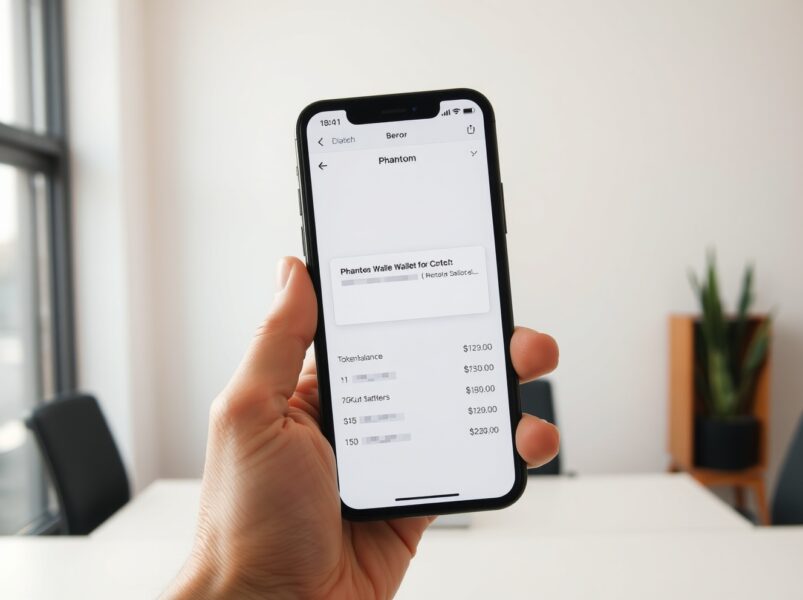
The post Ethereum Brings Kohaku to Strengthen Wallet Privacy and Security appeared on BitcoinEthereumNews.com. Ethereum launches Kohaku, an open-source privacy SDK for Web3 wallets. Vitalik Buterin and Nico lead the effort to make privacy default. Kohaku lets wallets run secure transactions without trusted third parties. The Ethereum Foundation has launched Kohaku, an open-source project to enhance the security and privacy of Web3 wallets.  Ethereum co-founder Vitalik Buterin and researcher Nico led the initiative. It represents a coordinated effort to build safer digital tools that minimize reliance on centralized intermediaries. Privacy Becomes the New Normal in Ethereum’s Next Chapter In a public statement on X, the Foundation said, “Privacy is normal. Privacy is for everyone.” The comment affirms Ethereum’s focus on protecting user data while maintaining decentralization, a key principle of blockchain technology. Related: Ethereum Foundation Converts $4.5M in ETH to Stablecoins via CoWSwap What Kohaku Actually Is Kohaku is a collection of cryptographic primitives, which are the core building blocks that let wallets process private transactions securely. At its center sits a wallet SDK and a browser-extension prototype that developers can adopt or fork. The SDK gives wallets the ability to perform transactions revealing only what’s strictly necessary, a concept called minimal disclosure. That model reduces users’ exposure to hacks, scams, and data leaks while cutting dependence on trusted third parties such as centralized RPC providers. Each improvement links to one goal: make wallet privacy and security inseparable. From Research to Real-World Code According to Nico, Kohaku began in 2025 as a privacy-first initiative and will expand through 2026 with deeper security layers.  Its GitHub repositories show the SDK’s plug-in system that lets wallet teams choose features, from private send/receive flows to IP leak prevention and aggregated balance views across protocols. The roadmap also includes post-quantum encryption options and social-recovery tools like ZK email or ZK passport to help users regain access without exposing… The post Ethereum Brings Kohaku to Strengthen Wallet Privacy and Security appeared on BitcoinEthereumNews.com. Ethereum launches Kohaku, an open-source privacy SDK for Web3 wallets. Vitalik Buterin and Nico lead the effort to make privacy default. Kohaku lets wallets run secure transactions without trusted third parties. The Ethereum Foundation has launched Kohaku, an open-source project to enhance the security and privacy of Web3 wallets.  Ethereum co-founder Vitalik Buterin and researcher Nico led the initiative. It represents a coordinated effort to build safer digital tools that minimize reliance on centralized intermediaries. Privacy Becomes the New Normal in Ethereum’s Next Chapter In a public statement on X, the Foundation said, “Privacy is normal. Privacy is for everyone.” The comment affirms Ethereum’s focus on protecting user data while maintaining decentralization, a key principle of blockchain technology. Related: Ethereum Foundation Converts $4.5M in ETH to Stablecoins via CoWSwap What Kohaku Actually Is Kohaku is a collection of cryptographic primitives, which are the core building blocks that let wallets process private transactions securely. At its center sits a wallet SDK and a browser-extension prototype that developers can adopt or fork. The SDK gives wallets the ability to perform transactions revealing only what’s strictly necessary, a concept called minimal disclosure. That model reduces users’ exposure to hacks, scams, and data leaks while cutting dependence on trusted third parties such as centralized RPC providers. Each improvement links to one goal: make wallet privacy and security inseparable. From Research to Real-World Code According to Nico, Kohaku began in 2025 as a privacy-first initiative and will expand through 2026 with deeper security layers.  Its GitHub repositories show the SDK’s plug-in system that lets wallet teams choose features, from private send/receive flows to IP leak prevention and aggregated balance views across protocols. The roadmap also includes post-quantum encryption options and social-recovery tools like ZK email or ZK passport to help users regain access without exposing…

Ethereum Brings Kohaku to Strengthen Wallet Privacy and Security

2025/10/10 19:53
4분 읽기
이 콘텐츠에 대한 의견이나 우려 사항이 있으시면 crypto.news@mexc.com으로 연락주시기 바랍니다
  • Ethereum launches Kohaku, an open-source privacy SDK for Web3 wallets.
  • Vitalik Buterin and Nico lead the effort to make privacy default.
  • Kohaku lets wallets run secure transactions without trusted third parties.

The Ethereum Foundation has launched Kohaku, an open-source project to enhance the security and privacy of Web3 wallets. 

Ethereum co-founder Vitalik Buterin and researcher Nico led the initiative. It represents a coordinated effort to build safer digital tools that minimize reliance on centralized intermediaries.

Privacy Becomes the New Normal in Ethereum’s Next Chapter

In a public statement on X, the Foundation said, “Privacy is normal. Privacy is for everyone.” The comment affirms Ethereum’s focus on protecting user data while maintaining decentralization, a key principle of blockchain technology.

Related: Ethereum Foundation Converts $4.5M in ETH to Stablecoins via CoWSwap

What Kohaku Actually Is

Kohaku is a collection of cryptographic primitives, which are the core building blocks that let wallets process private transactions securely.

At its center sits a wallet SDK and a browser-extension prototype that developers can adopt or fork. The SDK gives wallets the ability to perform transactions revealing only what’s strictly necessary, a concept called minimal disclosure.

That model reduces users’ exposure to hacks, scams, and data leaks while cutting dependence on trusted third parties such as centralized RPC providers. Each improvement links to one goal: make wallet privacy and security inseparable.

From Research to Real-World Code

According to Nico, Kohaku began in 2025 as a privacy-first initiative and will expand through 2026 with deeper security layers. 

Its GitHub repositories show the SDK’s plug-in system that lets wallet teams choose features, from private send/receive flows to IP leak prevention and aggregated balance views across protocols.

The roadmap also includes post-quantum encryption options and social-recovery tools like ZK email or ZK passport to help users regain access without exposing private keys. Each element builds toward a single outcome: wallets that protect users even when networks or intermediaries fail.

Advancing Ethereum’s Vision

For the Ethereum Foundation, Kohaku continues a decade-long progression; to first decentralize finance, then defend its participants. Buterin has long argued that an open economic system must guarantee both privacy and security.

He and Nico describe Ethereum’s growth as “a garden fertilized by strong cryptography,” and Kohaku as the next cultivation; that is, wallets that can operate securely in public while keeping personal data private.

Open Source, Open Access

All of Kohaku code and its roadmap are public. Developers worldwide are encouraged to review, contribute, and build upon the tools provided. 

A working demo is scheduled for Ethereum Foundation Devcon 2025, showing how wallet teams can implement private transactions, private payment requests, and one-account-per-dApp connections that shield metadata from tracking.

Related: Ethereum Foundation (EF) Throws Support Behind Convicted Tornado Cash Co-Founder

By keeping the project open source, the Foundation hopes to foster collaboration among developers, researchers, and security experts across the blockchain industry.

FAQ – Real User Questions Answered

Q. What is Ethereum Kohaku?
It’s an open-source privacy and security toolkit built by the Ethereum Foundation. It provides wallet developers an SDK to add private transactions and secure features without centralized intermediaries.

Q. How does Kohaku make wallets more private?
By using cryptographic primitives that enable minimal disclosure; only the information needed to complete a transaction is revealed, reducing data leaks and tracking.

Q. Who’s leading the project?
Ethereum co-founder Vitalik Buterin and researcher Nico are heading the initiative, supported by the Ethereum Foundation’s core research team.

Q. Can developers use Kohaku now?
Yes. The code and roadmap are available on GitHub, and developers can already build wallet extensions or SDK integrations from the public repositories.

Q. When will the first demo arrive?
The Foundation plans to showcase Kohaku at Devcon 2025, demonstrating how wallets can execute private transactions and privacy-preserving DeFi interactions.

Q. Why is this important for Ethereum’s future?
Kohaku represents Ethereum’s shift from scaling the chain to securing the user, making privacy a core right for everyone in Web3.

Disclaimer: The information presented in this article is for informational and educational purposes only. The article does not constitute financial advice or advice of any kind. Coin Edition is not responsible for any losses incurred as a result of the utilization of content, products, or services mentioned. Readers are advised to exercise caution before taking any action related to the company.

Source: https://coinedition.com/ethereum-brings-kohaku-to-strengthen-wallet-privacy-and-security/


시장 기회
Ambire Wallet 로고
Ambire Wallet 가격(WALLET)
$0.01159
$0.01159$0.01159
-2.68%
USD
Ambire Wallet (WALLET) 실시간 가격 차트
면책 조항: 본 사이트에 재게시된 글들은 공개 플랫폼에서 가져온 것으로 정보 제공 목적으로만 제공됩니다. 이는 반드시 MEXC의 견해를 반영하는 것은 아닙니다. 모든 권리는 원저자에게 있습니다. 제3자의 권리를 침해하는 콘텐츠가 있다고 판단될 경우, crypto.news@mexc.com으로 연락하여 삭제 요청을 해주시기 바랍니다. MEXC는 콘텐츠의 정확성, 완전성 또는 시의적절성에 대해 어떠한 보증도 하지 않으며, 제공된 정보에 기반하여 취해진 어떠한 조치에 대해서도 책임을 지지 않습니다. 본 콘텐츠는 금융, 법률 또는 기타 전문적인 조언을 구성하지 않으며, MEXC의 추천이나 보증으로 간주되어서는 안 됩니다.

$30,000 in PRL + 15,000 USDT

$30,000 in PRL + 15,000 USDT$30,000 in PRL + 15,000 USDT

Deposit & trade PRL to boost your rewards!