

The History and Future of CAD in Engineering
\ In the world of project design, finding new ways to perfect and innovate are a theme found throughout the decades. In the 1950’s, this epitome of new technology was attaching scale rules and templates to your drafting machine. Just 3 decades later, the project design ecosystem saw its next major shift with the introduction of Computer Aided Design (CAD) software. Not only was this software an entirely digitalized way of mapping out a 3D object, but it came with its own set of tools for detailed creation. The first CAD hardware system, the Dimension III Systems from Calma, was operable with a keyboard and stylus. Furthermore, this machine came with the proprietary software PADL-2, which had its own unique virtual toolset. However, this change did not come without a hefty cost as the initial list price for the hardware was $100,000 and the cost of every PADL-2 seat averaged $50,000.
The Rise of CAD
Just 14 years later, Silicon Graphics Inc. released its own CAD machine and software which featured significant changes from its predecessor. The Indigo2 IMPACT R10000 featured its own operating system and was now accessible by using a mouse rather than a stylus. Furthermore, Silicon Graphics Inc. released the accompanying CAD software PTC Pro/ENGINEER, which relied on constraints and rule-based operations to guide the user through designing a 3D model. It also deviated its pricing model from the Dimension III Systems, as the model itself had the bulk of the cost at $138,000 and each seat was only $14,000. Not only that, but the model itself was smaller and sleeker, making it much more practical to use than its predecessor.
However, another massive advancement in CAD technology came around the release of the Indigo Impact R10000. In 1995, Acer released the Aspire (575LB) with the companion CAD software SOLIDWORKS. This CAD software was incredibly intuitive, which meant that it only took months to get familiar with and ultimately master. Another major breakthrough with this technology is that this software could be used on Windows 95 and Linux, rather than a dedicated operating software (OS). This means that they were able to purchase this software for their existing system, and could avoid the upfront cost of buying new CAD hardware. Since project designers were already familiar with the OS and SOLIDWORKS itself was easy to learn, this CAD software became massively accessible. Additionally, the price per seat for SOLIDWORKS was only $4,000, which further pushes the accessibility of this software.
Conclusion
The combination of all these factors caused it to explode in popularity. In the 30 years following the release of SOLIDWORKS, it has remained one of the major CAD programs and has a community of over 8 million users internationally. Fortunately, the next major innovation for CAD is now coming over the horizon. With the widespread growth of artificial intelligence (AI) across society, it has found its role in project design. With Aura AI, for example, users can turn images into CAD sketches and turn 3D renders into 2D drawings. It also learns from user behavior and provides predictions based on how the user typically designs their 3D projects. Best of all, it is incredibly intuitive and can work well whether you’re experienced with AI or a complete novice. Ultimately, if you want to speed up your project design process, CAD AI is the solution for you.
\n


추천 콘텐츠
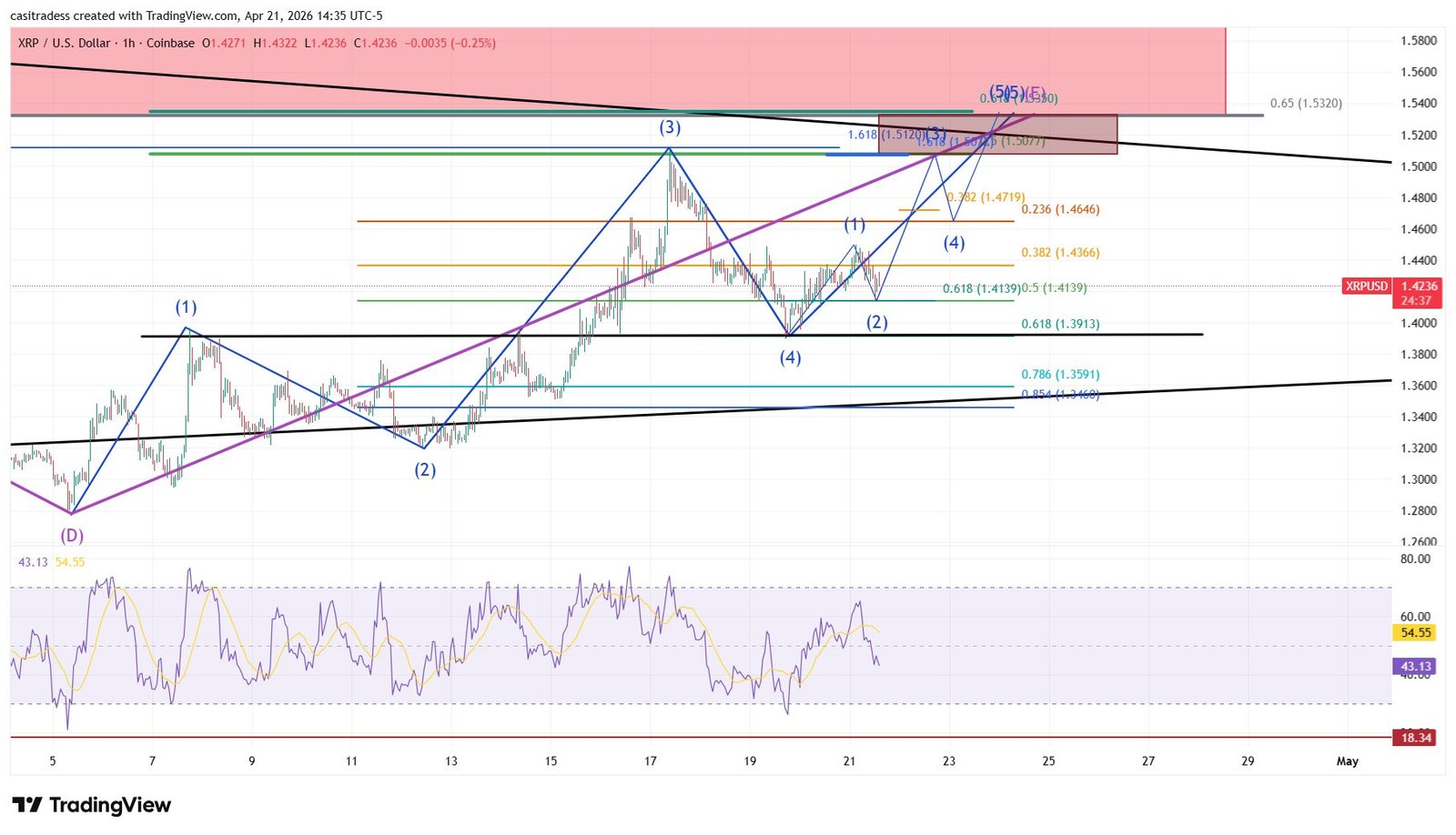
XRP Lands on SoFi as Bank Expands Crypto Access: What’s Next for Price?

WTI Oil eases to $87.50 amid a fragile US-Iran ceasefire




