Highlights: People’s Bank of China warns that stablecoins and digital currencies could threaten global financial stability. He highlighted that many digital currencies lack proper customer checks, increasing money laundering risks. China continues to implement strict policies to control cryptocurrency trading and domestic financial speculation. Pan Gongsheng, Governor of the People’s Bank of China (PBoC), has warned that stablecoins and virtual currencies could pose significant risks to the global financial system. Speaking at the opening of the 2025 Financial Street Annual Meeting, he said that while digital currencies issued by market institutions have grown in recent years, they are still in the early stages of development. “International financial organizations, central banks, and financial regulators remain cautious about the development of stablecoins,” Pan said. He explained that these digital currencies often fail to meet basic requirements for customer identification and anti-money laundering. Such gaps, he added, create loopholes in global financial regulation that can facilitate money laundering, illegal cross-border fund transfers, and even terrorist financing. Pan warned that this environment encourages market speculation. It makes the global financial system fragile and affects monetary sovereignty in some less-developed economies. The Governor of China's Central Bank stated that stablecoins amplify loopholes in global financial regulation, increase the fragility of the global financial system, and impact the monetary sovereignty of some underdeveloped economies. China will continue to crack down on the… — Wu Blockchain (@WuBlockchain) October 27, 2025 China Reinforces Crypto Regulations The PBoC Governor referred to discussions at the IMF and World Bank Annual Meetings in Washington, D.C., held ten days ago, where finance ministers and central bank governors highlighted stablecoins as a key topic. Global regulators expressed concerns that these digital assets currently lack safeguards to protect financial stability, customer funds, and compliance standards. Pan also stressed China’s domestic measures to manage virtual currency risks. Since 2017, the PBoC, together with relevant authorities, has issued multiple policy documents aimed at preventing and controlling risks from virtual currency trading and speculation. “These policies remain in effect,” he said, reaffirming China’s commitment to maintaining economic and financial order.  Looking ahead, Pan said the PBoC will continue to work with law enforcement agencies to crack down on domestic cryptocurrency operations and speculation. The bank will also closely monitor the development of overseas stablecoins and assess their potential impact on China’s financial system. Zhou Xiaochuan, China’s former central bank chief, also warned about stablecoin risks. He noted concerns as China plans a yuan-backed digital token. Zhou said the benefits of adding stablecoins may be overstated. He explained that only a few financial services could gain efficiency and urged reviewing real demand.  According to Bloomberg, former People’s Bank of China Governor Zhou Xiaochuan warned that stablecoins could fuel speculation and undermine financial stability. He noted that stablecoins offer limited cost advantages compared to China’s existing retail payment systems and added… — Wu Blockchain (@WuBlockchain) August 28, 2025 China Orders Tech Giants to Pause Stablecoin Projects China’s top tech firms have paused their stablecoin projects after direct instructions from Beijing. Authorities are concerned about the growing influence of privately issued digital currencies. Ant Group, backed by Alibaba, and e-commerce giant JD.com, were preparing to join Hong Kong’s pilot stablecoin program. They planned to issue asset-backed digital tokens and tokenized bonds. Sources familiar with the matter said both companies stopped their projects after receiving clear guidance from mainland regulators. The People’s Bank of China and the Cyberspace Administration of China told them not to proceed. eToro Platform Best Crypto Exchange Over 90 top cryptos to trade Regulated by top-tier entities User-friendly trading app 30+ million users 9.9 Visit eToro eToro is a multi-asset investment platform. The value of your investments may go up or down. Your capital is at risk. Don’t invest unless you’re prepared to lose all the money you invest. This is a high-risk investment, and you should not expect to be protected if something goes wrong. Highlights: People’s Bank of China warns that stablecoins and digital currencies could threaten global financial stability. He highlighted that many digital currencies lack proper customer checks, increasing money laundering risks. China continues to implement strict policies to control cryptocurrency trading and domestic financial speculation. Pan Gongsheng, Governor of the People’s Bank of China (PBoC), has warned that stablecoins and virtual currencies could pose significant risks to the global financial system. Speaking at the opening of the 2025 Financial Street Annual Meeting, he said that while digital currencies issued by market institutions have grown in recent years, they are still in the early stages of development. “International financial organizations, central banks, and financial regulators remain cautious about the development of stablecoins,” Pan said. He explained that these digital currencies often fail to meet basic requirements for customer identification and anti-money laundering. Such gaps, he added, create loopholes in global financial regulation that can facilitate money laundering, illegal cross-border fund transfers, and even terrorist financing. Pan warned that this environment encourages market speculation. It makes the global financial system fragile and affects monetary sovereignty in some less-developed economies. The Governor of China's Central Bank stated that stablecoins amplify loopholes in global financial regulation, increase the fragility of the global financial system, and impact the monetary sovereignty of some underdeveloped economies. China will continue to crack down on the… — Wu Blockchain (@WuBlockchain) October 27, 2025 China Reinforces Crypto Regulations The PBoC Governor referred to discussions at the IMF and World Bank Annual Meetings in Washington, D.C., held ten days ago, where finance ministers and central bank governors highlighted stablecoins as a key topic. Global regulators expressed concerns that these digital assets currently lack safeguards to protect financial stability, customer funds, and compliance standards. Pan also stressed China’s domestic measures to manage virtual currency risks. Since 2017, the PBoC, together with relevant authorities, has issued multiple policy documents aimed at preventing and controlling risks from virtual currency trading and speculation. “These policies remain in effect,” he said, reaffirming China’s commitment to maintaining economic and financial order.  Looking ahead, Pan said the PBoC will continue to work with law enforcement agencies to crack down on domestic cryptocurrency operations and speculation. The bank will also closely monitor the development of overseas stablecoins and assess their potential impact on China’s financial system. Zhou Xiaochuan, China’s former central bank chief, also warned about stablecoin risks. He noted concerns as China plans a yuan-backed digital token. Zhou said the benefits of adding stablecoins may be overstated. He explained that only a few financial services could gain efficiency and urged reviewing real demand.  According to Bloomberg, former People’s Bank of China Governor Zhou Xiaochuan warned that stablecoins could fuel speculation and undermine financial stability. He noted that stablecoins offer limited cost advantages compared to China’s existing retail payment systems and added… — Wu Blockchain (@WuBlockchain) August 28, 2025 China Orders Tech Giants to Pause Stablecoin Projects China’s top tech firms have paused their stablecoin projects after direct instructions from Beijing. Authorities are concerned about the growing influence of privately issued digital currencies. Ant Group, backed by Alibaba, and e-commerce giant JD.com, were preparing to join Hong Kong’s pilot stablecoin program. They planned to issue asset-backed digital tokens and tokenized bonds. Sources familiar with the matter said both companies stopped their projects after receiving clear guidance from mainland regulators. The People’s Bank of China and the Cyberspace Administration of China told them not to proceed. eToro Platform Best Crypto Exchange Over 90 top cryptos to trade Regulated by top-tier entities User-friendly trading app 30+ million users 9.9 Visit eToro eToro is a multi-asset investment platform. The value of your investments may go up or down. Your capital is at risk. Don’t invest unless you’re prepared to lose all the money you invest. This is a high-risk investment, and you should not expect to be protected if something goes wrong.

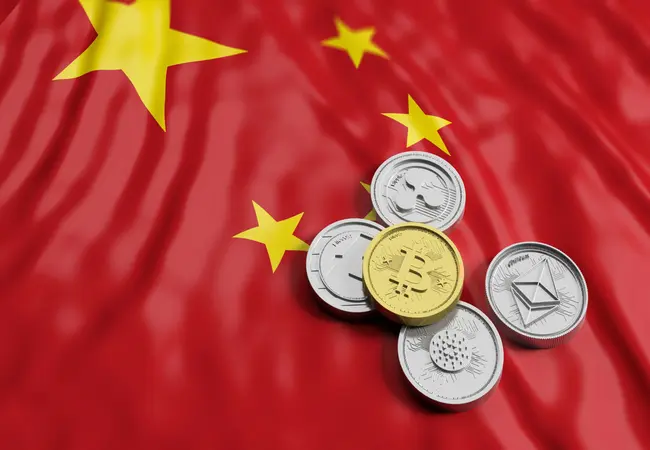
China Warns Stablecoins Threaten Global Finance, Vows Stricter Crypto Crackdown
2025/10/27 19:15
3분 읽기
이 콘텐츠에 대한 의견이나 우려 사항이 있으시면 crypto.news@mexc.com으로 연락주시기 바랍니다

Highlights:

  • People’s Bank of China warns that stablecoins and digital currencies could threaten global financial stability.
  • He highlighted that many digital currencies lack proper customer checks, increasing money laundering risks.
  • China continues to implement strict policies to control cryptocurrency trading and domestic financial speculation.

Pan Gongsheng, Governor of the People’s Bank of China (PBoC), has warned that stablecoins and virtual currencies could pose significant risks to the global financial system. Speaking at the opening of the 2025 Financial Street Annual Meeting, he said that while digital currencies issued by market institutions have grown in recent years, they are still in the early stages of development.

“International financial organizations, central banks, and financial regulators remain cautious about the development of stablecoins,” Pan said. He explained that these digital currencies often fail to meet basic requirements for customer identification and anti-money laundering.

Such gaps, he added, create loopholes in global financial regulation that can facilitate money laundering, illegal cross-border fund transfers, and even terrorist financing. Pan warned that this environment encourages market speculation. It makes the global financial system fragile and affects monetary sovereignty in some less-developed economies.

China Reinforces Crypto Regulations

The PBoC Governor referred to discussions at the IMF and World Bank Annual Meetings in Washington, D.C., held ten days ago, where finance ministers and central bank governors highlighted stablecoins as a key topic. Global regulators expressed concerns that these digital assets currently lack safeguards to protect financial stability, customer funds, and compliance standards.

Pan also stressed China’s domestic measures to manage virtual currency risks. Since 2017, the PBoC, together with relevant authorities, has issued multiple policy documents aimed at preventing and controlling risks from virtual currency trading and speculation. “These policies remain in effect,” he said, reaffirming China’s commitment to maintaining economic and financial order. 

Looking ahead, Pan said the PBoC will continue to work with law enforcement agencies to crack down on domestic cryptocurrency operations and speculation. The bank will also closely monitor the development of overseas stablecoins and assess their potential impact on China’s financial system.

Zhou Xiaochuan, China’s former central bank chief, also warned about stablecoin risks. He noted concerns as China plans a yuan-backed digital token. Zhou said the benefits of adding stablecoins may be overstated. He explained that only a few financial services could gain efficiency and urged reviewing real demand. 

China Orders Tech Giants to Pause Stablecoin Projects

China’s top tech firms have paused their stablecoin projects after direct instructions from Beijing. Authorities are concerned about the growing influence of privately issued digital currencies. Ant Group, backed by Alibaba, and e-commerce giant JD.com, were preparing to join Hong Kong’s pilot stablecoin program. They planned to issue asset-backed digital tokens and tokenized bonds.

Sources familiar with the matter said both companies stopped their projects after receiving clear guidance from mainland regulators. The People’s Bank of China and the Cyberspace Administration of China told them not to proceed.

eToro Platform

Best Crypto Exchange

  • Over 90 top cryptos to trade
  • Regulated by top-tier entities
  • User-friendly trading app
  • 30+ million users
9.9
Visit eToro

eToro is a multi-asset investment platform. The value of your investments may go up or down. Your capital is at risk. Don’t invest unless you’re prepared to lose all the money you invest. This is a high-risk investment, and you should not expect to be protected if something goes wrong.


시장 기회
콘스티튜션다오 로고
콘스티튜션다오 가격(PEOPLE)
$0.007915
$0.007915$0.007915
-2.71%
USD
콘스티튜션다오 (PEOPLE) 실시간 가격 차트
면책 조항: 본 사이트에 재게시된 글들은 공개 플랫폼에서 가져온 것으로 정보 제공 목적으로만 제공됩니다. 이는 반드시 MEXC의 견해를 반영하는 것은 아닙니다. 모든 권리는 원저자에게 있습니다. 제3자의 권리를 침해하는 콘텐츠가 있다고 판단될 경우, crypto.news@mexc.com으로 연락하여 삭제 요청을 해주시기 바랍니다. MEXC는 콘텐츠의 정확성, 완전성 또는 시의적절성에 대해 어떠한 보증도 하지 않으며, 제공된 정보에 기반하여 취해진 어떠한 조치에 대해서도 책임을 지지 않습니다. 본 콘텐츠는 금융, 법률 또는 기타 전문적인 조언을 구성하지 않으며, MEXC의 추천이나 보증으로 간주되어서는 안 됩니다.

Roll the Dice & Win Up to 1 BTC

Roll the Dice & Win Up to 1 BTCRoll the Dice & Win Up to 1 BTC

Invite friends & share 500,000 USDT!