Chain analysts and law enforcement are sounding the alarm about a type of fraud known as “pig-butchering,” in which criminals groom victims online and push them into fake crypto investments. Related Reading: XRP Earns Academic Praise: University Study Calls It ‘Gold In Your Hands’ According to Chainalysis, crypto scams sent close to $10 billion on-chain in 2024, with pig-butchering revenue growing almost 40% year-over-year and the number of deposits into those scams rising more than 200% — even as the average deposit size fell roughly 55%. These shifts point to a model that now relies on many more victims paying smaller amounts, making the operation both lucrative and hard to trace. Organized Networks Behind The Scams Investigators say these are not lone fraudsters. Reports have disclosed that scam networks operate like organized criminal enterprises, sometimes using trafficked workers in compounds to call, message and manage victims. Victim grooming can span weeks or months, turning emotional manipulation into a steady revenue stream for the gangs. Research and reporting have tied some of these operations to regions in Southeast Asia and to groups that move money through concentrated crypto wallets. AI And Marketplaces Help Scammers Scale Law enforcement and analysts warn that generative AI and service markets are making the pig butchering scams cheaper and faster to run. According to Chainalysis and multiple news outlets, AI tools are being used to create convincing chatbots, voice clones and fake profiles, while online marketplaces sell domain services and hosting that let scammers spin up lifelike investment sites. That combination has helped fraud operators widen their reach and target more people at once. Infrastructure And Sanctions Authorities have started to hit the infrastructure that supports the scams. The US Treasury’s OFAC sanctioned a Philippines-based firm, Funnull Technology Inc., and its alleged administrator for supplying internet infrastructure and tools used by fraud networks. Chainalysis and other researchers tied Funnull’s services to sites used in pig-butchering, and US losses linked to those operations were said to exceed $200 million in some investigations. Sanctions aim to cut off access to the web services scammers use to appear legitimate. Related Reading: Dogecoin Alert! Price Could Explode Over 2,800%, Analyst Says Exchanges And Stablecoin Issuers Help Freeze Illicit Funds Private companies have been part of the response. In a coordinated effort with APAC law enforcement, Chainalysis, exchanges and stablecoin issuers helped trace and block nearly $47 million in USDT that had been consolidated by scammers into a few wallets. Earlier actions involving other cases led to much larger freezes. Those moves show how industry cooperation can stop some cash-outs before criminals convert crypto into fiat. Featured image from Unsplash, chart from TradingViewChain analysts and law enforcement are sounding the alarm about a type of fraud known as “pig-butchering,” in which criminals groom victims online and push them into fake crypto investments. Related Reading: XRP Earns Academic Praise: University Study Calls It ‘Gold In Your Hands’ According to Chainalysis, crypto scams sent close to $10 billion on-chain in 2024, with pig-butchering revenue growing almost 40% year-over-year and the number of deposits into those scams rising more than 200% — even as the average deposit size fell roughly 55%. These shifts point to a model that now relies on many more victims paying smaller amounts, making the operation both lucrative and hard to trace. Organized Networks Behind The Scams Investigators say these are not lone fraudsters. Reports have disclosed that scam networks operate like organized criminal enterprises, sometimes using trafficked workers in compounds to call, message and manage victims. Victim grooming can span weeks or months, turning emotional manipulation into a steady revenue stream for the gangs. Research and reporting have tied some of these operations to regions in Southeast Asia and to groups that move money through concentrated crypto wallets. AI And Marketplaces Help Scammers Scale Law enforcement and analysts warn that generative AI and service markets are making the pig butchering scams cheaper and faster to run. According to Chainalysis and multiple news outlets, AI tools are being used to create convincing chatbots, voice clones and fake profiles, while online marketplaces sell domain services and hosting that let scammers spin up lifelike investment sites. That combination has helped fraud operators widen their reach and target more people at once. Infrastructure And Sanctions Authorities have started to hit the infrastructure that supports the scams. The US Treasury’s OFAC sanctioned a Philippines-based firm, Funnull Technology Inc., and its alleged administrator for supplying internet infrastructure and tools used by fraud networks. Chainalysis and other researchers tied Funnull’s services to sites used in pig-butchering, and US losses linked to those operations were said to exceed $200 million in some investigations. Sanctions aim to cut off access to the web services scammers use to appear legitimate. Related Reading: Dogecoin Alert! Price Could Explode Over 2,800%, Analyst Says Exchanges And Stablecoin Issuers Help Freeze Illicit Funds Private companies have been part of the response. In a coordinated effort with APAC law enforcement, Chainalysis, exchanges and stablecoin issuers helped trace and block nearly $47 million in USDT that had been consolidated by scammers into a few wallets. Earlier actions involving other cases led to much larger freezes. Those moves show how industry cooperation can stop some cash-outs before criminals convert crypto into fiat. Featured image from Unsplash, chart from TradingView

Crypto ‘Pig-Butchering’ Scam Escalating Into A National Security Risk— Study

2025/11/15 17:30
3분 읽기
이 콘텐츠에 대한 의견이나 우려 사항이 있으시면 crypto.news@mexc.com으로 연락주시기 바랍니다

Chain analysts and law enforcement are sounding the alarm about a type of fraud known as “pig-butchering,” in which criminals groom victims online and push them into fake crypto investments.

According to Chainalysis, crypto scams sent close to $10 billion on-chain in 2024, with pig-butchering revenue growing almost 40% year-over-year and the number of deposits into those scams rising more than 200% — even as the average deposit size fell roughly 55%.

These shifts point to a model that now relies on many more victims paying smaller amounts, making the operation both lucrative and hard to trace.

Organized Networks Behind The Scams

Investigators say these are not lone fraudsters. Reports have disclosed that scam networks operate like organized criminal enterprises, sometimes using trafficked workers in compounds to call, message and manage victims.
Victim grooming can span weeks or months, turning emotional manipulation into a steady revenue stream for the gangs. Research and reporting have tied some of these operations to regions in Southeast Asia and to groups that move money through concentrated crypto wallets.

AI And Marketplaces Help Scammers Scale

Law enforcement and analysts warn that generative AI and service markets are making the pig butchering scams cheaper and faster to run.

According to Chainalysis and multiple news outlets, AI tools are being used to create convincing chatbots, voice clones and fake profiles, while online marketplaces sell domain services and hosting that let scammers spin up lifelike investment sites. That combination has helped fraud operators widen their reach and target more people at once.

Infrastructure And Sanctions

Authorities have started to hit the infrastructure that supports the scams. The US Treasury’s OFAC sanctioned a Philippines-based firm, Funnull Technology Inc., and its alleged administrator for supplying internet infrastructure and tools used by fraud networks.

Chainalysis and other researchers tied Funnull’s services to sites used in pig-butchering, and US losses linked to those operations were said to exceed $200 million in some investigations. Sanctions aim to cut off access to the web services scammers use to appear legitimate.

Exchanges And Stablecoin Issuers Help Freeze Illicit Funds

Private companies have been part of the response. In a coordinated effort with APAC law enforcement, Chainalysis, exchanges and stablecoin issuers helped trace and block nearly $47 million in USDT that had been consolidated by scammers into a few wallets.

Earlier actions involving other cases led to much larger freezes. Those moves show how industry cooperation can stop some cash-outs before criminals convert crypto into fiat.

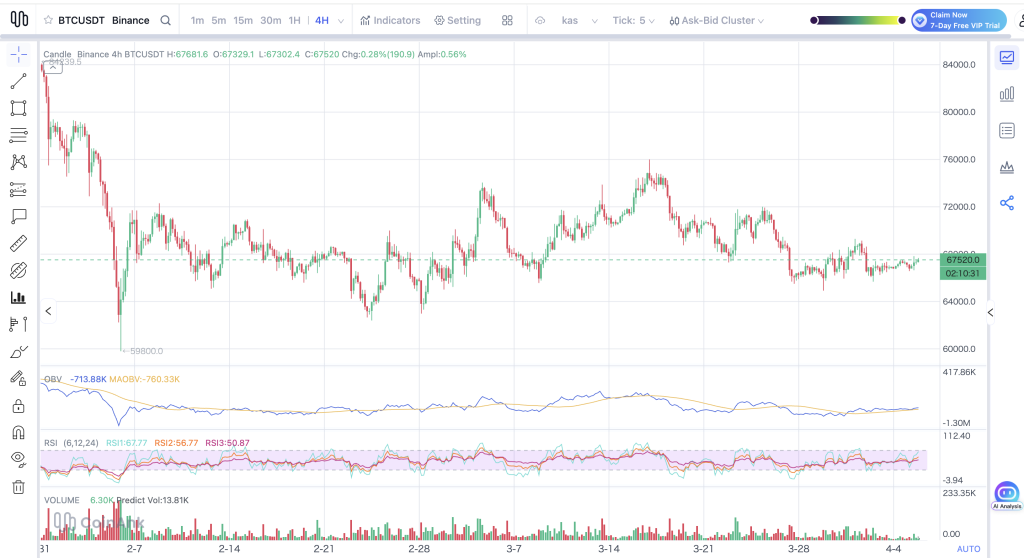
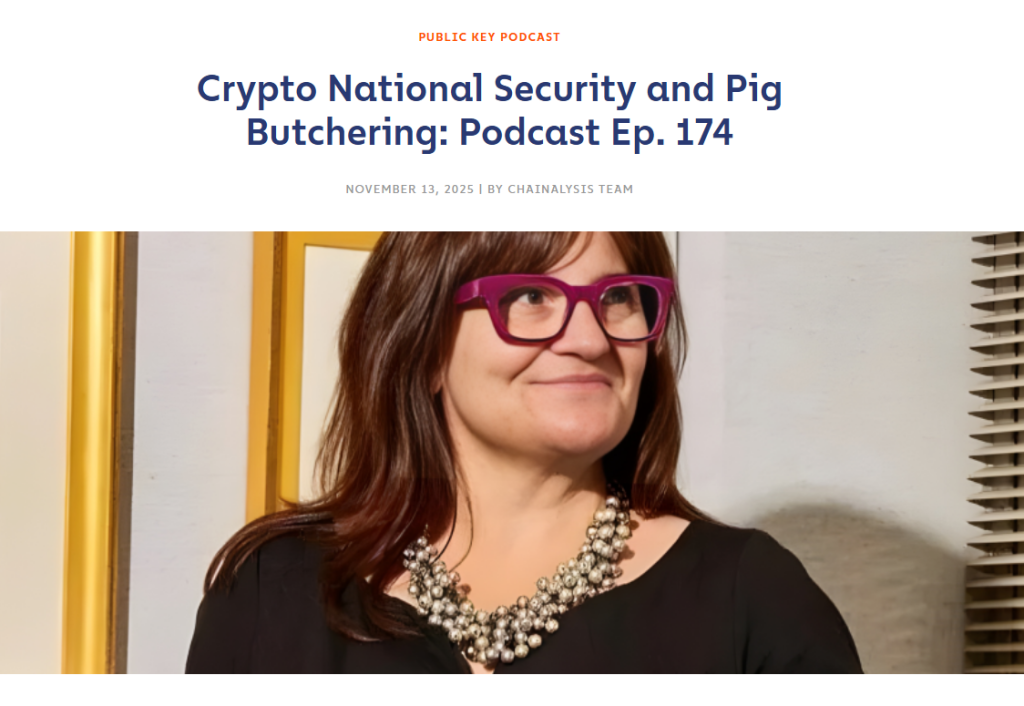
Featured image from Unsplash, chart from TradingView

시장 기회
피그토큰 로고
피그토큰 가격(PIG)
$0.00000001278
$0.00000001278$0.00000001278
+0.07%
USD
피그토큰 (PIG) 실시간 가격 차트
면책 조항: 본 사이트에 재게시된 글들은 공개 플랫폼에서 가져온 것으로 정보 제공 목적으로만 제공됩니다. 이는 반드시 MEXC의 견해를 반영하는 것은 아닙니다. 모든 권리는 원저자에게 있습니다. 제3자의 권리를 침해하는 콘텐츠가 있다고 판단될 경우, crypto.news@mexc.com으로 연락하여 삭제 요청을 해주시기 바랍니다. MEXC는 콘텐츠의 정확성, 완전성 또는 시의적절성에 대해 어떠한 보증도 하지 않으며, 제공된 정보에 기반하여 취해진 어떠한 조치에 대해서도 책임을 지지 않습니다. 본 콘텐츠는 금융, 법률 또는 기타 전문적인 조언을 구성하지 않으며, MEXC의 추천이나 보증으로 간주되어서는 안 됩니다.

$30,000 in PRL + 15,000 USDT

$30,000 in PRL + 15,000 USDT$30,000 in PRL + 15,000 USDT

Deposit & trade PRL to boost your rewards!