BitcoinWorld Shocking Legal Blow: OpenAI’s Sora App Blocked from Using ‘Cameo’ Feature Due to Trademark Dispute In a stunning legal development that has rocked the AI industry, OpenAI has been forced to confront a harsh reality: the word ‘cameo’ isn’t theirs to use. The company’s ambitious Sora social app has hit a major roadblock just as it was gaining momentum in the competitive AI landscape. OpenAI Faces Legal Setback Over Trademark Infringement U.S. District Judge Eumi K. Lee delivered a significant blow to OpenAI’s plans by imposing a temporary restraining order that prevents the company from using the term ‘cameo’ in its Sora application. The order, issued on November 21, 2025, represents a major legal challenge for the AI giant and highlights the complex intersection of trademark law and emerging technology. The Cameo Trademark Battle Heats Up At the heart of this dispute lies a fundamental question: can a company trademark a common English word? Cameo, the popular celebrity video message platform, has successfully argued that it holds exclusive rights to the term ‘cameo’ in the context of digital media and entertainment services. The legal confrontation underscores how established tech companies are protecting their brand identities against new AI entrants. Key Legal Developments: Temporary restraining order effective until December 22, 2025 Hearing scheduled for December 19, 2025 Order extends to similar-sounding words and phrases OpenAI continues using ‘cameo’ language despite the order Sora App’s Controversial Feature Faces Uncertain Future OpenAI’s Sora app launched with its Cameo feature, which allowed users to create deepfake videos of themselves or others with permission. The feature had already faced significant controversy, including intervention from Martin Luther King Jr.’s estate, before this latest legal challenge emerged. The trademark dispute adds another layer of complexity to an already contentious rollout. Temporary Restraining Order Creates Immediate Impact The court’s decision represents more than just a naming dispute—it could set important precedents for how AI companies navigate intellectual property rights. The temporary nature of the order suggests the court recognizes the need for careful consideration of both parties’ arguments while preventing potential consumer confusion in the interim. Date Event Significance November 21, 2025 Temporary restraining order issued Immediate blocking of ‘cameo’ usage December 19, 2025 Scheduled hearing Potential for permanent resolution December 22, 2025 Order expiration Decision point for next legal steps Industry Reactions and Statements Cameo CEO Steven Galanis expressed satisfaction with the court’s decision, stating: ‘We are gratified by the court’s decision, which recognizes the need to protect consumers from the confusion that OpenAI has created by using the Cameo trademark.’ Meanwhile, OpenAI maintains its position that no single company should have exclusive ownership over the word ‘cameo.’ What This Means for AI Legal Issues Moving Forward This case represents a watershed moment for AI companies navigating established legal frameworks. As AI continues to disrupt traditional industries, companies must carefully consider existing intellectual property rights and trademark protections. The outcome of this dispute could influence how AI startups name their features and services in the future. Key Takeaways for AI Developers: Conduct thorough trademark searches before naming products Consider potential conflicts with established brands Prepare for legal challenges in competitive markets Have contingency plans for feature renaming FAQs What is the Cameo app? Cameo is a platform where users can purchase personalized video messages from celebrities and influencers. The company has built a significant brand around its name and services. What is OpenAI’s position on the trademark dispute? OpenAI disagrees with the assertion that Cameo can claim exclusive ownership over the word ‘cameo’ and is challenging the trademark claim through legal channels. How long will the temporary restraining order last? The order is set to expire on December 22, 2025, at 5:00 PM, unless extended or modified by the court following the December 19 hearing. What companies and individuals are involved in this case? The primary parties are OpenAI, creator of the Sora app, and Cameo, the celebrity video message platform led by CEO Steven Galanis. The case is being heard by U.S. District Judge Eumi K. Lee. Has this affected Sora app’s functionality? As of the latest reports, the Sora app continues to use the ‘cameo’ language despite the court order, though the legal situation remains fluid. This legal confrontation between OpenAI and Cameo represents more than just a naming dispute—it’s a crucial test case for how established intellectual property rights will interact with rapidly evolving AI technologies. The outcome could shape naming conventions and trademark strategies across the entire AI industry for years to come. To learn more about the latest AI legal trends, explore our article on key developments shaping AI features and institutional adoption. This post Shocking Legal Blow: OpenAI’s Sora App Blocked from Using ‘Cameo’ Feature Due to Trademark Dispute first appeared on BitcoinWorld.BitcoinWorld Shocking Legal Blow: OpenAI’s Sora App Blocked from Using ‘Cameo’ Feature Due to Trademark Dispute In a stunning legal development that has rocked the AI industry, OpenAI has been forced to confront a harsh reality: the word ‘cameo’ isn’t theirs to use. The company’s ambitious Sora social app has hit a major roadblock just as it was gaining momentum in the competitive AI landscape. OpenAI Faces Legal Setback Over Trademark Infringement U.S. District Judge Eumi K. Lee delivered a significant blow to OpenAI’s plans by imposing a temporary restraining order that prevents the company from using the term ‘cameo’ in its Sora application. The order, issued on November 21, 2025, represents a major legal challenge for the AI giant and highlights the complex intersection of trademark law and emerging technology. The Cameo Trademark Battle Heats Up At the heart of this dispute lies a fundamental question: can a company trademark a common English word? Cameo, the popular celebrity video message platform, has successfully argued that it holds exclusive rights to the term ‘cameo’ in the context of digital media and entertainment services. The legal confrontation underscores how established tech companies are protecting their brand identities against new AI entrants. Key Legal Developments: Temporary restraining order effective until December 22, 2025 Hearing scheduled for December 19, 2025 Order extends to similar-sounding words and phrases OpenAI continues using ‘cameo’ language despite the order Sora App’s Controversial Feature Faces Uncertain Future OpenAI’s Sora app launched with its Cameo feature, which allowed users to create deepfake videos of themselves or others with permission. The feature had already faced significant controversy, including intervention from Martin Luther King Jr.’s estate, before this latest legal challenge emerged. The trademark dispute adds another layer of complexity to an already contentious rollout. Temporary Restraining Order Creates Immediate Impact The court’s decision represents more than just a naming dispute—it could set important precedents for how AI companies navigate intellectual property rights. The temporary nature of the order suggests the court recognizes the need for careful consideration of both parties’ arguments while preventing potential consumer confusion in the interim. Date Event Significance November 21, 2025 Temporary restraining order issued Immediate blocking of ‘cameo’ usage December 19, 2025 Scheduled hearing Potential for permanent resolution December 22, 2025 Order expiration Decision point for next legal steps Industry Reactions and Statements Cameo CEO Steven Galanis expressed satisfaction with the court’s decision, stating: ‘We are gratified by the court’s decision, which recognizes the need to protect consumers from the confusion that OpenAI has created by using the Cameo trademark.’ Meanwhile, OpenAI maintains its position that no single company should have exclusive ownership over the word ‘cameo.’ What This Means for AI Legal Issues Moving Forward This case represents a watershed moment for AI companies navigating established legal frameworks. As AI continues to disrupt traditional industries, companies must carefully consider existing intellectual property rights and trademark protections. The outcome of this dispute could influence how AI startups name their features and services in the future. Key Takeaways for AI Developers: Conduct thorough trademark searches before naming products Consider potential conflicts with established brands Prepare for legal challenges in competitive markets Have contingency plans for feature renaming FAQs What is the Cameo app? Cameo is a platform where users can purchase personalized video messages from celebrities and influencers. The company has built a significant brand around its name and services. What is OpenAI’s position on the trademark dispute? OpenAI disagrees with the assertion that Cameo can claim exclusive ownership over the word ‘cameo’ and is challenging the trademark claim through legal channels. How long will the temporary restraining order last? The order is set to expire on December 22, 2025, at 5:00 PM, unless extended or modified by the court following the December 19 hearing. What companies and individuals are involved in this case? The primary parties are OpenAI, creator of the Sora app, and Cameo, the celebrity video message platform led by CEO Steven Galanis. The case is being heard by U.S. District Judge Eumi K. Lee. Has this affected Sora app’s functionality? As of the latest reports, the Sora app continues to use the ‘cameo’ language despite the court order, though the legal situation remains fluid. This legal confrontation between OpenAI and Cameo represents more than just a naming dispute—it’s a crucial test case for how established intellectual property rights will interact with rapidly evolving AI technologies. The outcome could shape naming conventions and trademark strategies across the entire AI industry for years to come. To learn more about the latest AI legal trends, explore our article on key developments shaping AI features and institutional adoption. This post Shocking Legal Blow: OpenAI’s Sora App Blocked from Using ‘Cameo’ Feature Due to Trademark Dispute first appeared on BitcoinWorld.

Shocking Legal Blow: OpenAI’s Sora App Blocked from Using ‘Cameo’ Feature Due to Trademark Dispute
2025/11/25 06:45
4분 읽기
이 콘텐츠에 대한 의견이나 우려 사항이 있으시면 crypto.news@mexc.com으로 연락주시기 바랍니다
Shocking Legal Blow: OpenAI's Sora App Blocked from Using 'Cameo' Feature Due to Trademark Dispute

BitcoinWorld
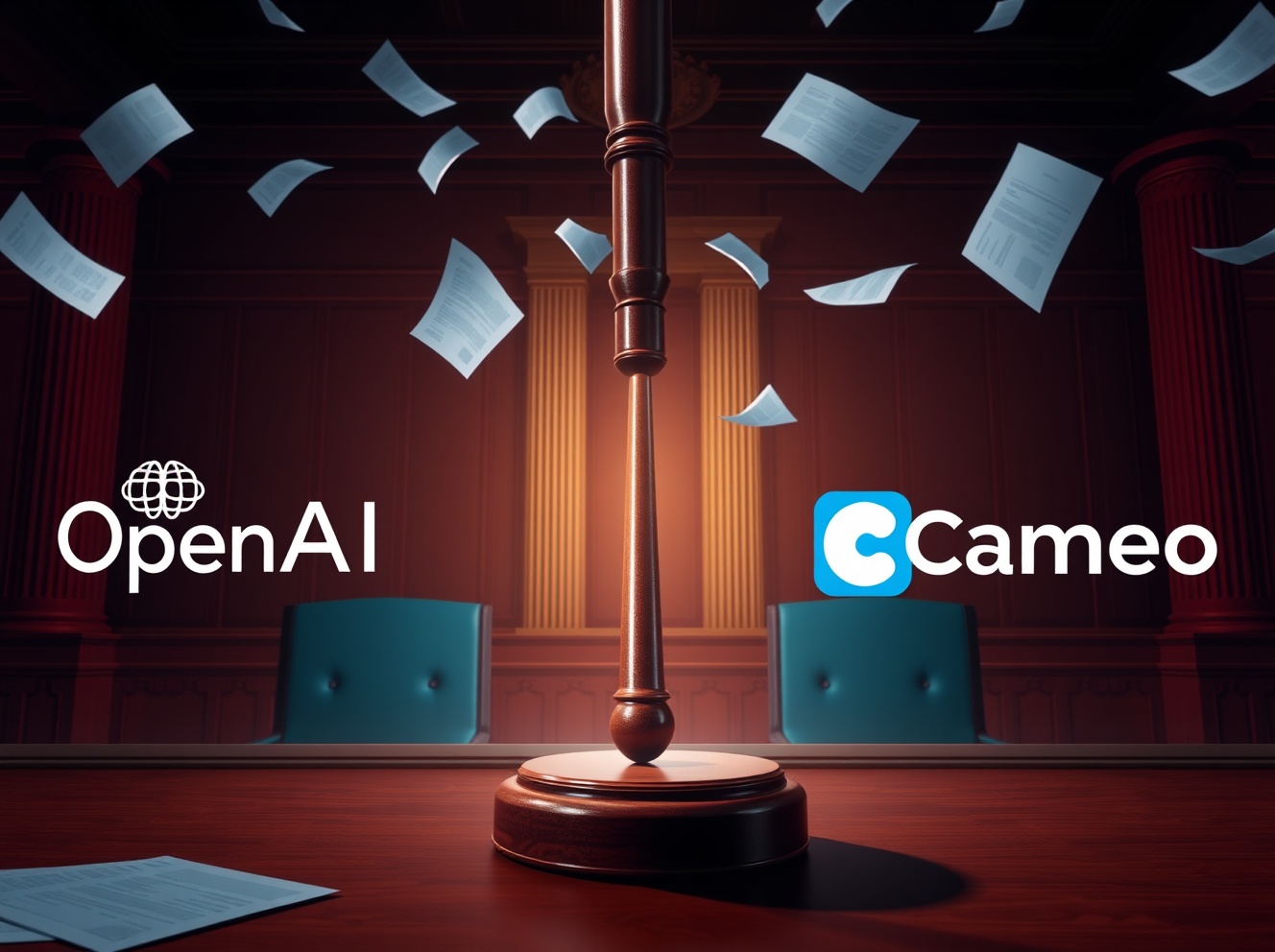
Shocking Legal Blow: OpenAI’s Sora App Blocked from Using ‘Cameo’ Feature Due to Trademark Dispute

In a stunning legal development that has rocked the AI industry, OpenAI has been forced to confront a harsh reality: the word ‘cameo’ isn’t theirs to use. The company’s ambitious Sora social app has hit a major roadblock just as it was gaining momentum in the competitive AI landscape.

OpenAI Faces Legal Setback Over Trademark Infringement

U.S. District Judge Eumi K. Lee delivered a significant blow to OpenAI’s plans by imposing a temporary restraining order that prevents the company from using the term ‘cameo’ in its Sora application. The order, issued on November 21, 2025, represents a major legal challenge for the AI giant and highlights the complex intersection of trademark law and emerging technology.

The Cameo Trademark Battle Heats Up

At the heart of this dispute lies a fundamental question: can a company trademark a common English word? Cameo, the popular celebrity video message platform, has successfully argued that it holds exclusive rights to the term ‘cameo’ in the context of digital media and entertainment services. The legal confrontation underscores how established tech companies are protecting their brand identities against new AI entrants.

Key Legal Developments:

  • Temporary restraining order effective until December 22, 2025
  • Hearing scheduled for December 19, 2025
  • Order extends to similar-sounding words and phrases
  • OpenAI continues using ‘cameo’ language despite the order

Sora App’s Controversial Feature Faces Uncertain Future

OpenAI’s Sora app launched with its Cameo feature, which allowed users to create deepfake videos of themselves or others with permission. The feature had already faced significant controversy, including intervention from Martin Luther King Jr.’s estate, before this latest legal challenge emerged. The trademark dispute adds another layer of complexity to an already contentious rollout.

Temporary Restraining Order Creates Immediate Impact

The court’s decision represents more than just a naming dispute—it could set important precedents for how AI companies navigate intellectual property rights. The temporary nature of the order suggests the court recognizes the need for careful consideration of both parties’ arguments while preventing potential consumer confusion in the interim.

Date Event Significance
November 21, 2025 Temporary restraining order issued Immediate blocking of ‘cameo’ usage
December 19, 2025 Scheduled hearing Potential for permanent resolution
December 22, 2025 Order expiration Decision point for next legal steps

Industry Reactions and Statements

Cameo CEO Steven Galanis expressed satisfaction with the court’s decision, stating: ‘We are gratified by the court’s decision, which recognizes the need to protect consumers from the confusion that OpenAI has created by using the Cameo trademark.’ Meanwhile, OpenAI maintains its position that no single company should have exclusive ownership over the word ‘cameo.’

What This Means for AI Legal Issues Moving Forward

This case represents a watershed moment for AI companies navigating established legal frameworks. As AI continues to disrupt traditional industries, companies must carefully consider existing intellectual property rights and trademark protections. The outcome of this dispute could influence how AI startups name their features and services in the future.

Key Takeaways for AI Developers:

  • Conduct thorough trademark searches before naming products
  • Consider potential conflicts with established brands
  • Prepare for legal challenges in competitive markets
  • Have contingency plans for feature renaming

FAQs

What is the Cameo app?
Cameo is a platform where users can purchase personalized video messages from celebrities and influencers. The company has built a significant brand around its name and services.

What is OpenAI’s position on the trademark dispute?
OpenAI disagrees with the assertion that Cameo can claim exclusive ownership over the word ‘cameo’ and is challenging the trademark claim through legal channels.

How long will the temporary restraining order last?
The order is set to expire on December 22, 2025, at 5:00 PM, unless extended or modified by the court following the December 19 hearing.

What companies and individuals are involved in this case?
The primary parties are OpenAI, creator of the Sora app, and Cameo, the celebrity video message platform led by CEO Steven Galanis. The case is being heard by U.S. District Judge Eumi K. Lee.

Has this affected Sora app’s functionality?
As of the latest reports, the Sora app continues to use the ‘cameo’ language despite the court order, though the legal situation remains fluid.

This legal confrontation between OpenAI and Cameo represents more than just a naming dispute—it’s a crucial test case for how established intellectual property rights will interact with rapidly evolving AI technologies. The outcome could shape naming conventions and trademark strategies across the entire AI industry for years to come.

To learn more about the latest AI legal trends, explore our article on key developments shaping AI features and institutional adoption.

This post Shocking Legal Blow: OpenAI’s Sora App Blocked from Using ‘Cameo’ Feature Due to Trademark Dispute first appeared on BitcoinWorld.


시장 기회
플러리싱 에이아이 로고
플러리싱 에이아이 가격(SLEEPLESSAI)
$0.01936
$0.01936$0.01936
+9.00%
USD
플러리싱 에이아이 (SLEEPLESSAI) 실시간 가격 차트
면책 조항: 본 사이트에 재게시된 글들은 공개 플랫폼에서 가져온 것으로 정보 제공 목적으로만 제공됩니다. 이는 반드시 MEXC의 견해를 반영하는 것은 아닙니다. 모든 권리는 원저자에게 있습니다. 제3자의 권리를 침해하는 콘텐츠가 있다고 판단될 경우, crypto.news@mexc.com으로 연락하여 삭제 요청을 해주시기 바랍니다. MEXC는 콘텐츠의 정확성, 완전성 또는 시의적절성에 대해 어떠한 보증도 하지 않으며, 제공된 정보에 기반하여 취해진 어떠한 조치에 대해서도 책임을 지지 않습니다. 본 콘텐츠는 금융, 법률 또는 기타 전문적인 조언을 구성하지 않으며, MEXC의 추천이나 보증으로 간주되어서는 안 됩니다.

$30,000 in PRL + 15,000 USDT

$30,000 in PRL + 15,000 USDT$30,000 in PRL + 15,000 USDT

Deposit & trade PRL to boost your rewards!