

US Lawmakers Propose Tax Breaks for Small Stablecoin Payments and Staking Rewards
Representatives Max Miller and Steven Horsford unveiled the Digital Asset PARITY Act on December 20, 2025, which would exempt small stablecoin transactions from capital gains taxes and allow crypto miners and stakers to delay paying taxes on their rewards for up to five years.
The bipartisan proposal aims to remove tax headaches that currently discourage people from using digital assets for everyday purchases like coffee or groceries. Under current rules, even buying a $5 sandwich with crypto requires tracking the transaction for tax purposes.
$200 Tax-Free Threshold for Stablecoin Payments
The legislation would create a safe harbor for stablecoin transactions under $200. This means people could make small purchases without worrying about calculating capital gains taxes. However, not all stablecoins would qualify for this exemption.
To be eligible, stablecoins must meet specific requirements outlined in the GENIUS Act, which President Trump signed into law in July 2025. The stablecoin must be pegged to the U.S. dollar and maintain a price within 1% of $1.00 for at least 95% of trading days over the past year. Brokers and dealers cannot claim this exemption.
Source: house.gov
The lawmakers are still considering whether to add an annual cap to prevent people from using this provision to avoid taxes on larger investments. Representative Miller stated that “America’s tax code has failed to keep pace with modern financial technology.”
The provision would take effect for taxable years beginning after December 31, 2025, if the bill becomes law.
Five-Year Deferral for Staking and Mining Rewards
The PARITY Act tackles another major complaint from the crypto community: the “phantom income” problem. Currently, the IRS requires people to pay taxes on staking and mining rewards as soon as they receive them, even before selling them for cash. This creates a situation where people owe taxes on assets they haven’t converted to dollars yet.
The new proposal offers a compromise. Taxpayers could elect to defer paying taxes on these rewards for up to five years. After that period, the rewards would be taxed as ordinary income based on their fair market value at that time.
This middle-ground approach differs from what industry advocates wanted. Senator Cynthia Lummis had previously pushed for complete deferral until the rewards are sold. The current IRS guidance, which was reaffirmed in October 2024, taxes rewards immediately upon receipt.
Representative Horsford explained that “even the smallest crypto transaction can trigger tax calculation while other areas of the law lack clarity and invite abuse.”
Closing Tax Loopholes While Providing Relief
The legislation isn’t all good news for crypto traders. The bill would close a major tax loophole by applying wash sale rules to digital assets. This means traders would need to wait 30 days before repurchasing an asset after selling it at a loss if they want to claim that loss on their taxes.
Currently, crypto traders can sell assets at a loss and immediately buy them back, claiming the tax deduction while maintaining their position. Stock traders have faced wash sale restrictions for years, and this change would level the playing field.
The PARITY Act would also allow professional crypto traders to use mark-to-market accounting, similar to securities traders. This lets them report income based on year-end fair market value rather than tracking every individual transaction.
Industry Pushback on Stablecoin Rewards
While the tax proposals have received support, a separate controversy has emerged around stablecoin rewards. The GENIUS Act prohibits stablecoin issuers from paying interest directly to holders, but it allows third-party platforms to offer rewards to customers.
Traditional banks want to extend this prohibition to all platforms, arguing that stablecoin rewards could drain deposits from community banks. However, more than 125 crypto companies and industry groups sent a letter to the Senate opposing this expansion.
The Blockchain Association argues that average checking account yields are near 0.07% and savings accounts around 0.40%, while stablecoin platforms offer significantly higher returns. The organization claims that “opposition to stablecoin rewards reflects protection of incumbent revenue models, not safety-and-soundness concerns.”
A Charles River Associates analysis found no evidence of unusual deposit outflows from community banks between 2019 and 2025, despite stablecoin growth during that period.
Market Growth Driving Legislative Action
The push for clearer tax rules comes as the stablecoin market has exploded in size. The total stablecoin market capitalization now exceeds $310 billion, with stablecoin transaction volumes surpassing Mastercard’s and approaching Visa’s levels.
Tether’s USDT dominates with $186.2 billion in market cap, while Circle’s USDC holds $78.3 billion. Together, these two stablecoins control roughly 85% of the entire market.
The regulatory landscape is also shifting rapidly. In December 2025, five major crypto companies received federal banking charters from the Office of the Comptroller of the Currency, including Circle and Ripple. These approvals mark a significant policy change toward integrating digital assets into the traditional financial system.
Representative Miller believes the broader PARITY Act legislation could advance before August 2026. The proposal represents months of bipartisan work to identify practical solutions that reduce excessive taxation on routine transactions while establishing clear rules before gaps in current law can be exploited.
The Path Forward
The Digital Asset PARITY Act is currently in discussion draft form, meaning lawmakers are collecting feedback from stakeholders before introducing formal legislation. Both Representatives Miller and Horsford serve on the House Ways and Means Committee, which oversees tax legislation, giving the proposal a better chance of advancing.
If enacted, the legislation would represent the most significant cryptocurrency tax reform since digital assets became mainstream. By treating small stablecoin payments like cash and giving miners and stakers more flexibility on when to pay taxes, the law could remove major barriers to everyday crypto use while maintaining government oversight and consumer protections.


추천 콘텐츠

Crypto Shorts Suffer $300M Flush As Bitcoin Hits $80,000
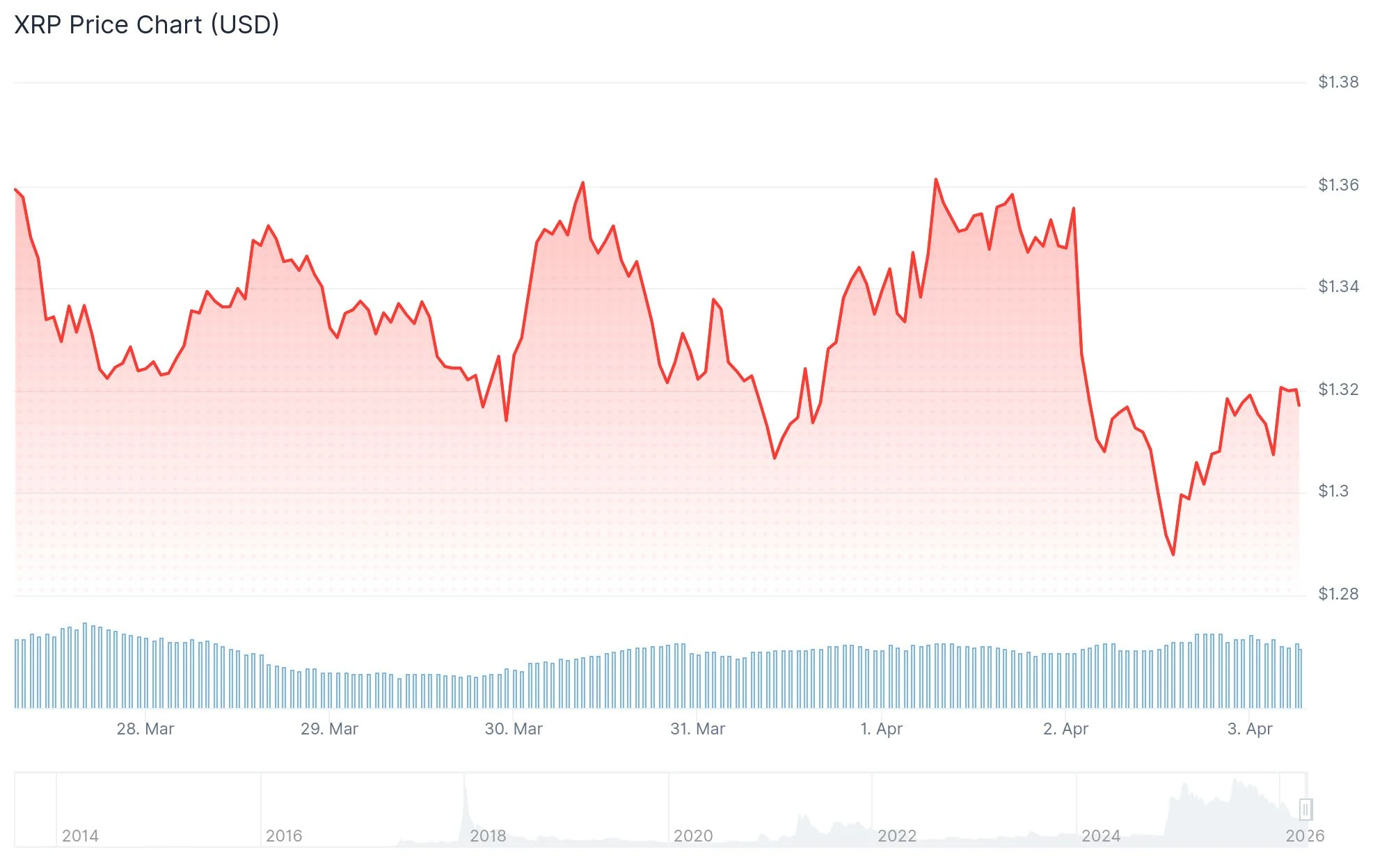
XRP (XRP) Price Under Pressure as ETF Withdrawals and Network Activity Signal Bearish Trend




