

Advancing the Philippines’ transition to clean energy
The Philippines’ energy transition is gaining tangible momentum as the Department of Energy (DoE) advances policies that are reshaping how power is generated, traded, and consumed.
In 2025, the agency’s push for clean energy adoption and carbon reduction has moved beyond long-term ambition into measurable progress, marked by accelerated growth, increased consumer participation, and stronger private sector confidence.
At the heart of the DoE’s strategy is the commitment to increase the share of renewable energy (RE) in the power generation mix to 35% by 2030 and 50% by 2040. These targets, outlined in the Philippine Energy plan, are designed not only to reduce greenhouse gas emissions but also to strengthen energy security in an economy highly exposed to fuel price volatility and climate risks.
Green energy auctions
One of the DoE’s flagship instruments for catalyzing renewable adoption has been the Green Energy Auction Program (GEAP).
Earlier in September, the Fourth Green Energy Auction (GEA-4) attracted overwhelming interest from energy developers and investors. Preliminary results showed over 9.4 gigawatts (GW) of renewable capacity subscribed against a 10.6-GW target, with final approvals pushing past 10 GW across solar, wind, and integrated energy storage systems.
Such volumes of capacity gather not only for project pipelines but also perspective capital flows, job creation, and localized supply-chain activity.
Moreover, these contracted projects carry long-term implications for carbon emissions, estimated to avoid hundreds of millions of metric tons of carbon dioxide equivalent over the lifetime of power purchase contracts.
Unlocking new financing channels
Last October, the department issued a landmark departmental circular establishing general guidelines for generation, management, and monitoring of carbon credits within the energy sector.
This framework is intended to unlock economic and environmental benefits by enabling stakeholders, especially private investors, to participate in high-integrity carbon markets while ensuring emission reductions are real, measurable, and verifiable.
Under the circular, carbon credit projects will follow rules that prevent double counting and align with international best practices, enhancing trust in the Philippine energy carbon market.
The DoE also convened public consultations with over a hundred energy sector stakeholders to refine the policy and foster inclusive participation.
These developments coincide with broader initiatives such as the piloting of transition credits to facilitate the early retirement of coal-fired plants by monetizing future emissions, a novel carbon market mechanism being tested in partnership with international organizations and investors.
Institutionalizing resilience and disaster-ready solutions
Energy resilience in a typhoon-prone archipelago like the Philippines is integral to sustainable development. The DoE, in collaboration with the United States Agency for International Development (USAID), has delivered mobile energy systems (MES) powered by solar and battery storage to off-grid and disaster-vulnerable communities.
These systems are designed to provide reliable, decentralized power during emergencies, reducing dependence on fossil fuels and strengthening community resilience.
Challenges and opportunities
Despite these strides, the DoE acknowledges that challenges remain. Infrastructure bottlenecks, grid integration complexities for variable renewables, and refining non-price criteria for success in the upcoming auctions persist as issues requiring continued collaboration between regulators, grid operators and investors.
Moreover, the journey to carbon reduction is not solely in power generation. Programs encompassing biofuels and energy efficiency, microgrid provisioning for underserved areas, and innovating financing mechanisms such as blended finance and carbon finance are essential complements.
By aligning regulatory clarity with investor confidence and climate commitments, the DoE is positioning the country to further harness sustainable technologies, unlock capital flows, and reduce greenhouse gas emissions. — Krystal Anjela H. Gamboa


추천 콘텐츠
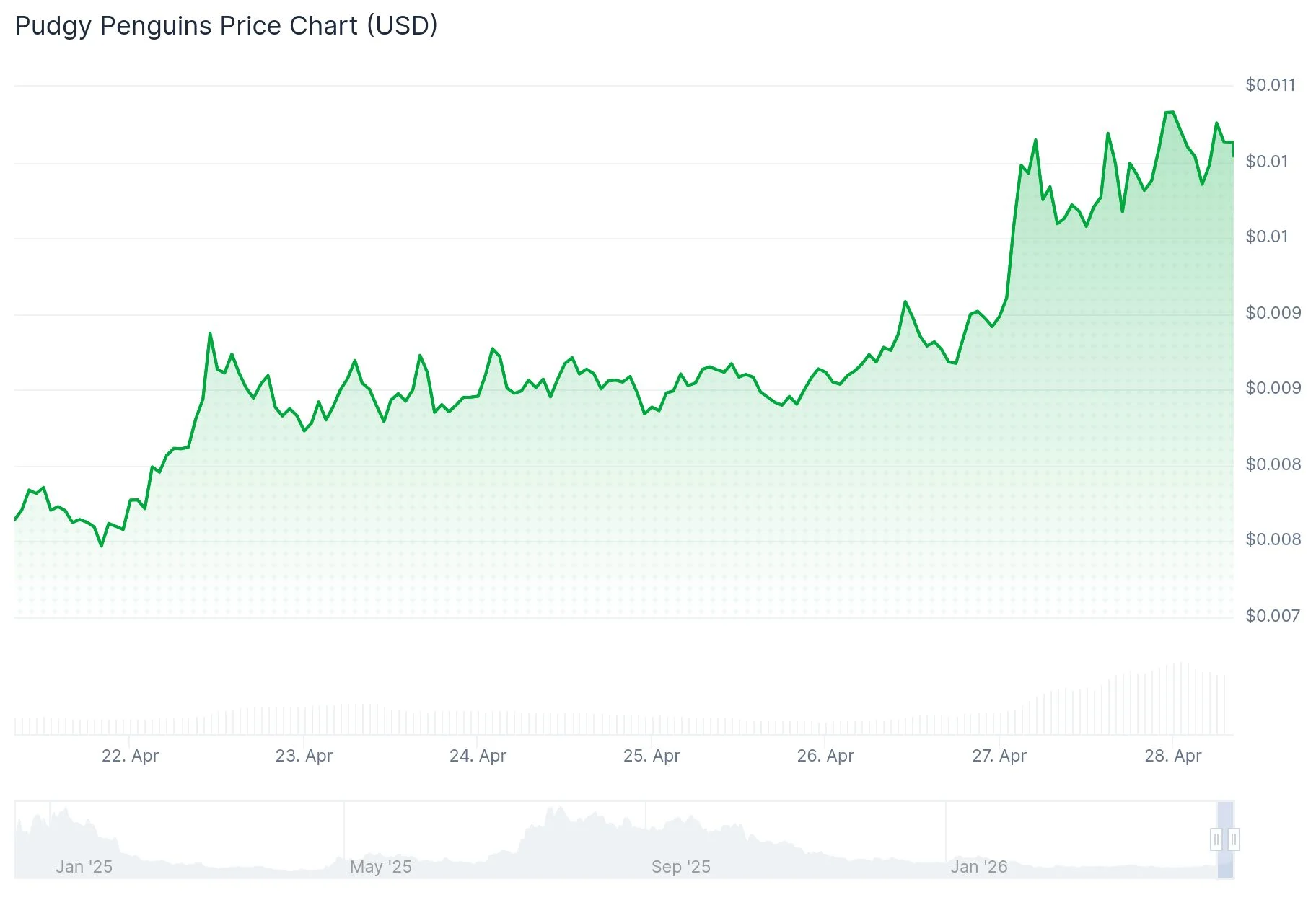
Pudgy Penguins (PENGU) Hits 3-Month Peak Amid NFT Token Revival

XRP Breakout Setup Faces Heavy Supply Test




