Is Crypto Decentralization Enough? Ethereum’s Vitalik Buterin Warns of Power Risks
The post Is Crypto Decentralization Enough? Ethereum’s Vitalik Buterin Warns of Power Risks appeared first on Coinpedia Fintech News
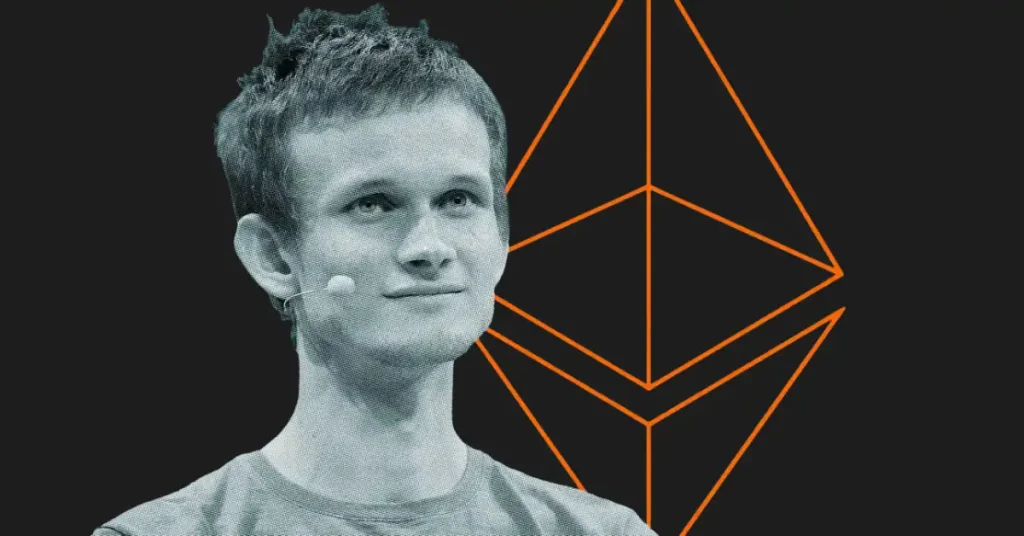
Ethereum co-founder Vitalik Buterin is warning that the very forces crypto was built to resist are resurfacing, and they’re harder to stop.
In a new essay titled “Balance of Power,”, Buterin argues that modern technology has removed many of the natural limits that once kept power in check. Governments, corporations, and even online communities are now able to scale faster and exert more control than ever before.
Crypto, he suggests, is not automatically protected.
Why Scale Is Becoming a Problem
Buterin explains that in the past, power was slowed down by distance, coordination costs, and inefficiency. Those limits no longer apply in a world of software, automation, and global networks.
“Economies of scale are a double-edged sword,” he writes, noting that once an actor gets ahead, it doesn’t just grow faster, but it gains the ability to shape its entire environment.
For crypto, this matters because blockchains can grow globally while control stays concentrated in a few hands, whether through infrastructure providers, staking platforms, or governance influence.
Decentralization Alone Isn’t Enough
Buterin’s key point is that decentralization by itself doesn’t solve the problem. What matters is diffusing power, not just distributing users.
He argues that systems should be designed so no single group can dominate outcomes, even if it becomes large. This includes open standards, adversarial interoperability, and governance structures that limit unilateral control.
As he puts it, “The government should act like a game, not like a player.” It is a principle he believes applies just as strongly to digital systems.
Ethereum’s Own Example
To show what this looks like in practice, Buterin points to Ethereum’s staking ecosystem. Lido currently controls about 24% of all staked ETH, a level that would normally raise serious concerns.
The difference, he argues, is that Lido is not a single actor. It operates through a DAO with multiple operators and includes governance mechanisms that allow staked ETH holders to veto decisions.
That structure reduces the risk that scale turns into control.
A Message for Web3 Builders
Buterin closes with a clear challenge: crypto projects need to think beyond growth and revenue.
They must also plan how to avoid becoming too powerful.
In a space increasingly shaped by institutions and scale, the next phase of crypto may depend less on speed and more on balance.


추천 콘텐츠

AI giants Meta, Microsoft, NVIDIA stocks slip amid Iran threat, AI cryptos crash

US, Iran ship seizures violate international law, disrupt Hormuz traffic