

Historically, these conditions tend to appear:
After prolonged downside or sideways markets
When selling pressure is exhausted rather than accelerating
Near periods of transition, not necessarily immediate reversalsHistorically, these conditions tend to appear:
After prolonged downside or sideways markets
When selling pressure is exhausted rather than accelerating
Near periods of transition, not necessarily immediate reversals
Glassnode: On‑Chain Signals Point to Bear Market Fatigue
이 콘텐츠에 대한 의견이나 우려 사항이 있으시면 crypto.news@mexc.com으로 연락주시기 바랍니다
According to Glassnode, a combination of on‑chain indicators suggests the market may be entering a phase of bear market fatigue:
Flows are slowing, holders are capitulating, and price compression is intensifying.
What the Signals Mean
- Flows are slowing
Reduced exchange and on‑chain flows indicate declining speculative activity and lower urgency to trade—often seen late in drawdowns.
- Holder capitulation
Weaker hands are exiting positions, realizing losses and transferring coins to stronger, longer‑term holders.
- Price compression
Tight trading ranges reflect balance between buyers and sellers, frequently preceding a regime change in volatility.
Why This Matters
Historically, these conditions tend to appear:
- After prolonged downside or sideways markets
- When selling pressure is exhausted rather than accelerating
- Near periods of transition, not necessarily immediate reversals
Bear market fatigue doesn’t guarantee a rally—but it often signals that downside momentum is waning.
How This Has Played Out Before
In prior cycles, similar setups led to:
- Extended consolidation phases
- Volatility expansion following long compression
- Gradual shifts from distribution to accumulation
The key takeaway: markets stop falling before sentiment improves.
What to Watch Next
- Whether long‑term holders begin accumulating
- Breakouts from compressed ranges (in either direction)
- Changes in realized losses vs. profits
- Return of sustained inflows
Bottom Line
Glassnode’s data suggests the market may be tired, not panicking. Slowing flows, capitulation, and tight price action point to bear market fatigue—a phase where risk shifts from continued collapse to uncertain but potentially asymmetric outcomes.
시장 기회
니어 가격(NEAR)
$1.3749
$1.3749$1.3749
USD
니어 (NEAR) 실시간 가격 차트


면책 조항: 본 페이지에 게시된 글은 독립적인 기고자가 작성한 것으로, 반드시 MEXC의 공식 입장을 반영하는 것은 아닙니다. 모든 콘텐츠는 정보 제공 및 교육 목적으로만 제공되며, 제공된 정보를 바탕으로 취해진 어떠한 조치에 대해서도 책임을 지지 않습니다. 본 콘텐츠는 금융, 법률 또는 기타 전문적인 조언을 구성하지 않으며, MEXC의 추천이나 보증으로 간주되어서는 안 됩니다. 암호화폐 시장은 매우 변동성이 높습니다. 투자 결정을 내리기 전에 반드시 자체 조사를 수행하고 자격을 갖춘 금융 전문가와 상담하시기 바랍니다.
추천 콘텐츠

Is Adam Back Satoshi Nakamoto? CEO Responds to New York Times Investigation
The post Is Adam Back Satoshi Nakamoto? CEO Responds to New York Times Investigation appeared first on Coinpedia Fintech News Adam Back has heard the question before
공유하기
CoinPedia2026/04/10 22:45
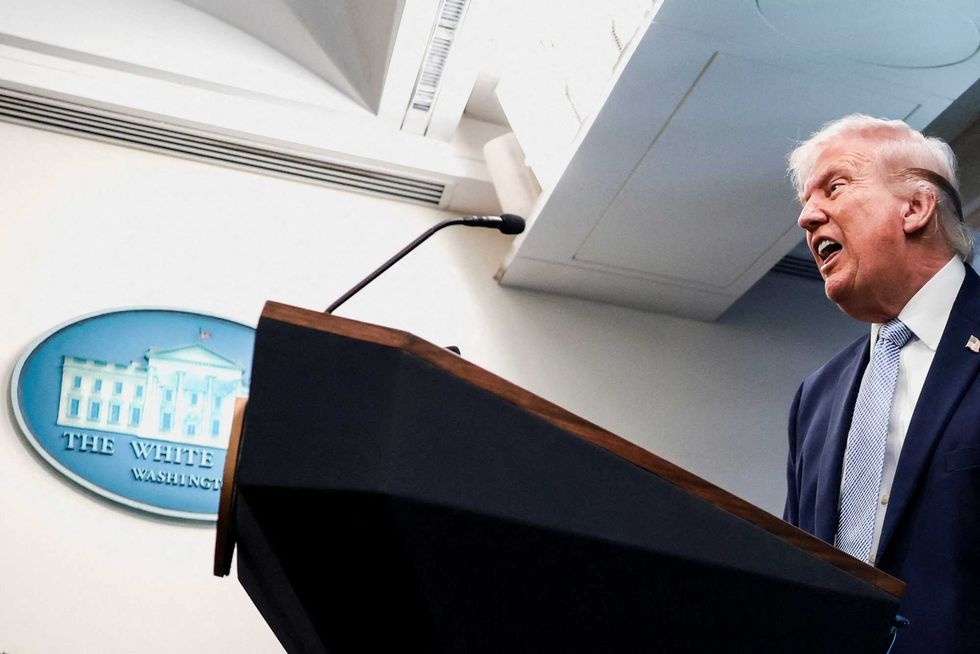
Ranking Republican admits to White House reporter he regrets Trump vote: 'Make it stop!'
A ranking congressional Republican revealed privately that he regrets voting for President Donald Trump. Salon's White House columnist Brian Karem described how
공유하기
Rawstory2026/04/10 23:09

Fed: Patience maintained with two cuts still projected – TD Securities
The post Fed: Patience maintained with two cuts still projected – TD Securities appeared on BitcoinEthereumNews.com. Oscar Munoz and the TD Securities US macro
공유하기
BitcoinEthereumNews2026/04/10 23:20



