[OPINION] Crisis beyond Venezuelan borders
Venezuela has long been cast into an extraordinary crisis, a country brought low by the reckless squandering of its own abundant resources.
Sitting atop the world’s largest oil reserves, surpassing even Saudi Arabia, Venezuela should be a land of plenty. Instead, years of corruption, mismanagement, and authoritarian rule have left its systems stretched to the breaking point.
Under Nicolas Maduro, Venezuela was in shambles. From 2016 to 2019, hyperinflation — rising over 1,000,000% at its peak — rendered the bolívar virtually worthless. During that period, around 90% of the population lived in poverty, many workers earned very little, bread was scarce, and in some ways, the economic and social suffering rivaled that of the Great Depression.
Hugo Chavez’s reckless policies set the stage, but his successor, Maduro, drove the Venezuelan economy off a cliff. Corruption was everywhere, production collapsed, and oil revenues plunged.
All this came with Maduro’s tyranny: opposition sidelined, courts packed, critics jailed, protests crushed, elections staged, media silenced. Sans Venezuela’s proven oil reserves, it’s the same reality we, Filipinos, have grown accustomed to.
Venezuela remains in ruins. Its period of hyperinflation may be over, technically, but inflation remains a huge problem.
For ordinary Venezuelans, every day is a desperate exercise in survival. Such misery — and authoritarianism — resulted in a mass exodus. Since 2014, roughly 7.7 million people, or about 20% of the population, have fled the country in search of a better life, according to Reuters, quoting data from the UN International Organization for Migration.
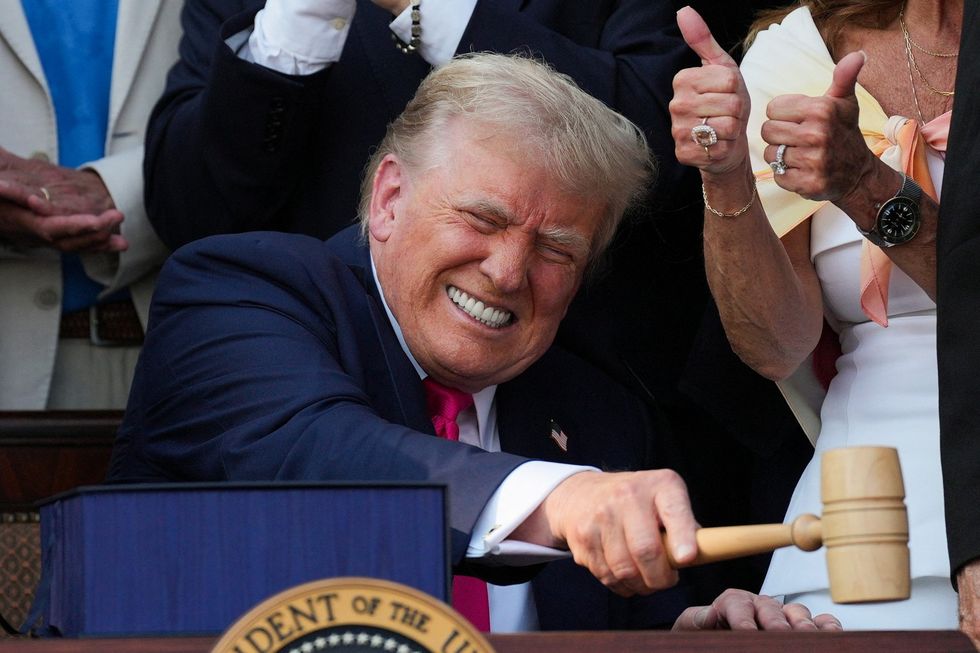
The crisis saw a new twist over the weekend, just after the entry of the new year, when US President Donald Trump announced that American forces had struck Caracas and seized Maduro and his wife, Cilia Flores. While the US framed this as a law enforcement action against “narco-terrorism,” the removal of a sitting head of state sent shockwaves far beyond Venezuela’s borders.
Even for Filipinos closely watching the situation in Venezuela, the instability resonates. Despite reduced oil production, Venezuela remains an important player in the oil industry, and any disruption can add pressure on or influence global energy markets. For countries like the Philippines, heavily reliant on imported fuel, this could indirectly translate into higher costs for transportation, electricity, and basic goods.
Venezuela’s crisis shows the world how interconnected we all are. Shortages of oil or food, waves of migration, and economic instability do not stop at national borders. Energy prices may rise, trade could be affected, and countries far away, including the Philippines, can feel the impact.
The daily struggles of a mother waiting in line for cooking gas, or a small business owner unsure if deliveries will arrive, are inseparable from these global realities, where oil prices, international sanctions, and worldwide supply chains shape even the simplest acts of survival.
When leadership changes abruptly amid lingering economic hardship, uncertainty spreads to every home. Families wonder if they will have bread tomorrow or gas to cook a meal. Small business owners worry whether electricity will stay on, deliveries will arrive, or customers will have money to spend. Everyday plans hang by a thread.
Many Venezuelans, especially those who fled, see a glimmer of hope. From their perspective, if handled carefully, international intervention could serve as a reset – a chance to restore democracy and proper governance. Maybe, maybe not.
Birth pains or not, serious questions remain. The US action has stirred debate over the tension between humanitarian necessity and national sovereignty. Some argue that Maduro, an authoritarian presiding over a humanitarian disaster, cannot shield himself behind diplomatic immunity. Others worry that a superpower acting against foreign leaders with impunity could set a dangerous precedent, undermining the foundations of international order.
For many Venezuelan families desperate for relief and freedom, legalities may seem secondary. For the rest of the world, it raises the unsettling possibility that the rules of international relations are being tested in real time. It looks like a messy trade-off.
And here’s the thing: if one superpower reserves for itself the right to seize a foreign head of state in the name of justice, by what logic are other powerful countries expected to refrain?
Once the powerful act without restraint, the rules apply only to the weak – and that is no rule at all. – Rappler.com


추천 콘텐츠

Bitcoin 28% Haircut: Moody’s Sets Forced-Selling Trigger

Early WLFI investors face shrinking profits as $1.28 billion supply shock looms