Why India has only two major airlines: A case study

India’s skies are crowded, but control is not. India’s airports are expanding, passenger numbers are rising, and demand for air travel continues to grow. On the surface, the aviation sector looks vibrant and competitive. But beneath that growth lies a striking reality.
More than 90% of India’s domestic air travel is controlled by just two airline groups: IndiGo and the Air India Group. Every other airline combined operates at the margins.
This is not the first time India’s aviation market has ended up here. The pattern has repeated itself for decades. New airlines launch with ambition, price wars follow, external shocks hit, weaker players collapse, and the survivors absorb routes, slots, and customers. What looks like repeated failure is actually the market finding its equilibrium.
The numbers behind the duopoly
India does not officially call this a monopoly. Functionally, however, it operates as a near duopoly. IndiGo controls roughly 64 to 65% of the domestic market. Air India Group holds around 26 to 27%. All other airlines combined account for less than 10%.
Carriers like Akasa Air, SpiceJet, and regional airlines continue to operate, but they remain structurally constrained. The real question is not how this happened. The real question is why aviation in India keeps collapsing into just two survivors.
Why running an airline in India is brutally hard
India is one of the toughest countries in the world to run an airline profitably. Several structural factors make survival extremely difficult.
Fuel is the silent killer
Aviation Turbine Fuel in India is among the most heavily taxed globally. Fuel alone can account for 35 to 45 per cent of operating costs, compared to 20 to 25 per cent in many international markets. Large airlines can negotiate bulk contracts and hedge fuel prices. Smaller airlines bleed cash with every flight.
Price wars destroy margins
Indian flyers are highly price sensitive. Airlines constantly undercut each other to fill seats. The result is thin margins, persistent cash flow stress, and prolonged losses. Only airlines with deep balance sheets survive extended fare wars.
High fixed costs leave no room for error
Aircraft leases, airport fees, staff costs, maintenance, and regulatory compliance do not scale down easily. A single engine issue, demand slowdown, or regulatory change can push an airline into crisis. In this environment, resilience matters more than innovation.
India’s aviation history is filled with casualties, including Kingfisher, Jet Airways, Go First, and the original Air Deccan. Each collapse made the survivors stronger.
Why survivors always win
When an airline fails, the remaining players inherit powerful advantages overnight. They gain access to scarce airport slots at congested metros, proven routes with established demand, displaced customers with limited alternatives, and reduced competition on key trunk routes.
Over time, this consolidation engine reinforces itself. India’s aviation market does not reward creativity or premium branding first. It rewards survival. Airlines that can absorb losses for the longest period win by default when competitors fall away.
The IndiGo playbook: Discipline over glamour
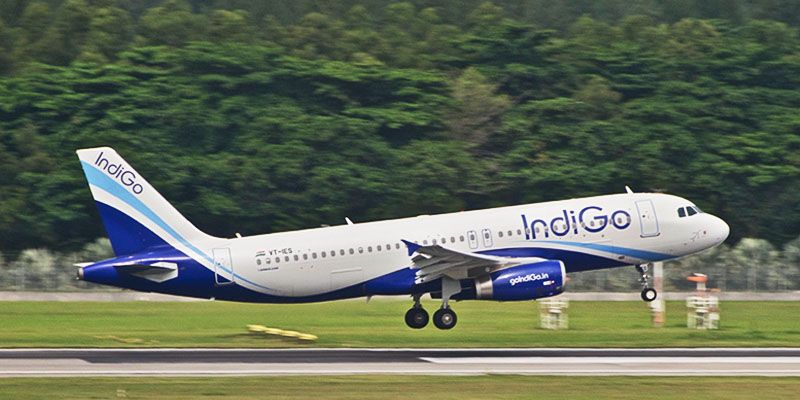
IndiGo did not win because it was flashy. It won because it was relentlessly disciplined. The airline built its model around no frills service, fast turnarounds of roughly 30 minutes, a single aircraft family, and ruthless cost control. Aircraft fly for over 12 hours a day, maximising utilisation and improving unit economics.
Every competitor failure became a growth opportunity. IndiGo expanded aggressively when others collapsed, absorbing slots, routes, and demand. By the mid 2020s, it had a monopoly presence on a majority of its routes and consistently high load factors.
The Air India comeback: Scale backed by capital
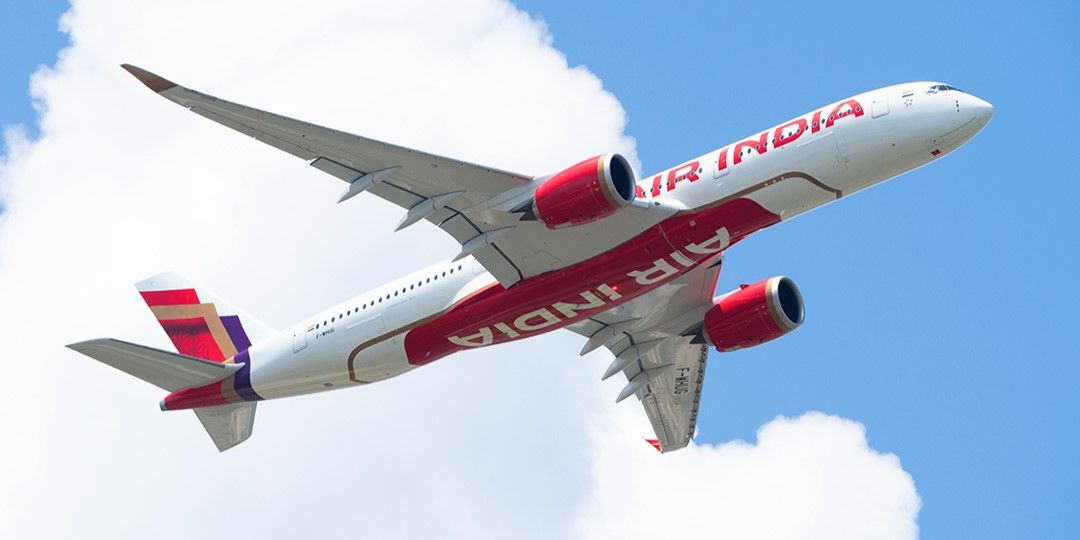
Air India followed a very different path. After its privatisation in 2022, the Tata Group injected capital, professionalised leadership, and absorbed losses that other airlines could not survive. Instead of building routes organically, Air India scaled through consolidation by merging Vistara, Air India Express, and AIX Connect.
Domestic market share jumped from under 10% to nearly 27% . Fleet expansion plans moved towards nearly 470 aircraft by 2027. IndiGo built a fortress through efficiency. Air India rebuilt itself through scale and capital backing. Both strategies work, but only under very specific conditions.
Why no third airline breaks through
New entrants face an invisible wall. In India, scale is required before profitability, not after. Smaller airlines have higher per-seat costs, weaker bargaining power, and lower aircraft utilisation. Growth itself becomes capital-intensive and risky.
Metro airports are slot-constrained. When airlines fail, IndiGo and Air India secure the best slots first due to size and influence. Late entrants are pushed into less profitable routes and off-peak timings. One shock, whether fuel prices, engine failures, or lease disputes, is often enough to cause collapse.
This is why consolidation keeps accelerating. Each barrier compounds the next, making survival increasingly difficult for smaller players.
When efficiency turns into fragility
A two airline market looks stable until it is not. In 2023 and 2024, IndiGo grounded more than 70 aircraft due to Pratt and Whitney engine issues. With over 60% market share, this immediately led to widespread flight cancellations and sharp fare increases across India.
There was no third airline with enough spare capacity to absorb displaced passengers. Consumer choice vanished overnight. The very efficiency that made the duopoly stable also made it fragile.
What this case study really shows
India did not plan a two airline market. The market forced it. The structural economics of Indian aviation favour consolidation over competition. IndiGo dominates through operational precision. Air India survives through scale and capital backing. Everyone else fights gravity.
This is not just an aviation story. It is a lesson in market structure, survival economics, and how tough industries reward endurance over ambition. If you want the complete case study with charts, frameworks, and deeper analysis on what founders and policymakers can learn from India’s aviation market, you can read the full case study here.
추천 콘텐츠

FTX to pay creditors an additional $1.6 billion in third bankruptcy distribution on September 30

This world-class blunder has even Trump's kingmaker anguished