Two Estonian nationals avoided additional prison time for orchestrating one of crypto’s largest Ponzi schemes (HashFlare) after receiving sentences matching the 16 months they already served in custody. Sergei Potapenko and Ivan Turõgin, both 40, were sentenced by U.S. District Judge Robert S. Lasnik for their roles in the $577 million HashFlare fraud that victimized hundreds of thousands of investors worldwide between 2015 and 2019. U.S. District Judge Robert S. Lasnik ordered each defendant to pay $25,000 in fines and to complete 360 hours of community service during their supervised release in Estonia. The sentencing incorporated forfeiture of over $450 million in seized assets for victim compensation, while prosecutors sought ten-year prison terms and are considering an appeal. Sergei Potapenko and Ivan Turõgin (Source: Postimees ) The $577 Million Mining Mirage HashFlare marketed itself as a crypto mining service selling contracts that promised customers shares of profits from blockchain validation activities. Court documents revealed the operation used fake online dashboards showing false mining activity while lacking the computing capacity to mine the vast majority of the claimed cryptocurrency. The duo’s equipment performed Bitcoin mining at less than one percent of its purported computing power, according to the Justice Department’s official press release . When investors requested withdrawals, Potapenko and Turõgin either resisted payments or used newly purchased cryptocurrency rather than actual mining rewards. The defendants diverted millions to purchase real estate, luxury vehicles, expensive jewelry, and over a dozen chartered private jet trips while victims suffered major losses. Their scheme extended beyond HashFlare to include Polybius Bank, a fictitious “virtual currency bank” that raised $25 million through a 2017 ICO but never operated as an actual financial institution. The 2023 arrests triggered complex extradition proceedings before Estonia approved their transfer to face U.S. charges in early 2024. Both men pleaded guilty to conspiracy to commit wire fraud in February , agreeing to forfeit over $400 million in assets while facing a maximum 20-year sentence. ⚠️Two Estonian nationals pleaded guilty in the US to operating “a massive, multi-faceted crypto Ponzi scheme that victimized hundreds of thousands of people” globally. #Crypto #CryptoScam #Fraud https://t.co/86BnJd3fj9 — Cryptonews.com (@cryptonews) February 14, 2025 “These defendants were operating a classic Ponzi scheme, involving a glitzy asset: a mirage of cryptocurrency mining,” said Acting U.S. Attorney Teal Luthy Miller. Lenient Sentences Defy Emerging Pattern of Harsh Crypto Penalties The HashFlare defendants’ 16-month sentences appear inconsistent with an intensifying judicial trend toward severe punishment for cryptocurrency crimes, regardless of a scheme’s size or complexity. For instance, Nicholas Truglia’s sentence jumped from 18 months to 12 years for a $22 million SIM-swapping scheme after he failed to pay restitution, with the judge condemning his “splendor” lifestyle while owing victims millions. Similarly, former rugby player Shane Moore was sentenced to 30 months for a $900,000 mining fraud, receiving nearly double the HashFlare defendants’ custody time for a scheme worth less than 0.2% of their operation. The sentencing disparity becomes more pronounced when compared with non-crypto financial fraud cases, where defendants typically receive years-long sentences for schemes involving far smaller amounts than HashFlare’s half-billion-dollar operation. Mohammed Azharuddin Chhipa received 30 years for funneling $185,000 in cryptocurrency to ISIS operatives, a sentence nearly twenty times longer than HashFlare’s founders despite involving vastly smaller amounts. The contrast also extends beyond specific cases to prosecutorial approach, with Dwayne Golden receiving eight years for a $40 million Ponzi scheme and prosecutors seeking 20 years for former Celsius CEO Alex Mashinsky in a $550 million fraud case. ⚖️ Celsius founder Alex Mashinsky was sentenced to 12 years in prison for defrauding investors with false promises of high crypto returns. #Celsius #AlexMashinsky https://t.co/R4syyDiKaU — Cryptonews.com (@cryptonews) May 9, 2025 Legal experts question whether the defendants’ cooperation, asset forfeiture, or other undisclosed factors influenced the unusually lenient outcome for such a massive international fraud. However, the Justice Department’s consideration of an appeal suggests internal disagreement with the sentence’s proportionality, though appeals of criminal sentences face high legal hurdles and uncertain outcomes.Two Estonian nationals avoided additional prison time for orchestrating one of crypto’s largest Ponzi schemes (HashFlare) after receiving sentences matching the 16 months they already served in custody. Sergei Potapenko and Ivan Turõgin, both 40, were sentenced by U.S. District Judge Robert S. Lasnik for their roles in the $577 million HashFlare fraud that victimized hundreds of thousands of investors worldwide between 2015 and 2019. U.S. District Judge Robert S. Lasnik ordered each defendant to pay $25,000 in fines and to complete 360 hours of community service during their supervised release in Estonia. The sentencing incorporated forfeiture of over $450 million in seized assets for victim compensation, while prosecutors sought ten-year prison terms and are considering an appeal. Sergei Potapenko and Ivan Turõgin (Source: Postimees ) The $577 Million Mining Mirage HashFlare marketed itself as a crypto mining service selling contracts that promised customers shares of profits from blockchain validation activities. Court documents revealed the operation used fake online dashboards showing false mining activity while lacking the computing capacity to mine the vast majority of the claimed cryptocurrency. The duo’s equipment performed Bitcoin mining at less than one percent of its purported computing power, according to the Justice Department’s official press release . When investors requested withdrawals, Potapenko and Turõgin either resisted payments or used newly purchased cryptocurrency rather than actual mining rewards. The defendants diverted millions to purchase real estate, luxury vehicles, expensive jewelry, and over a dozen chartered private jet trips while victims suffered major losses. Their scheme extended beyond HashFlare to include Polybius Bank, a fictitious “virtual currency bank” that raised $25 million through a 2017 ICO but never operated as an actual financial institution. The 2023 arrests triggered complex extradition proceedings before Estonia approved their transfer to face U.S. charges in early 2024. Both men pleaded guilty to conspiracy to commit wire fraud in February , agreeing to forfeit over $400 million in assets while facing a maximum 20-year sentence. ⚠️Two Estonian nationals pleaded guilty in the US to operating “a massive, multi-faceted crypto Ponzi scheme that victimized hundreds of thousands of people” globally. #Crypto #CryptoScam #Fraud https://t.co/86BnJd3fj9 — Cryptonews.com (@cryptonews) February 14, 2025 “These defendants were operating a classic Ponzi scheme, involving a glitzy asset: a mirage of cryptocurrency mining,” said Acting U.S. Attorney Teal Luthy Miller. Lenient Sentences Defy Emerging Pattern of Harsh Crypto Penalties The HashFlare defendants’ 16-month sentences appear inconsistent with an intensifying judicial trend toward severe punishment for cryptocurrency crimes, regardless of a scheme’s size or complexity. For instance, Nicholas Truglia’s sentence jumped from 18 months to 12 years for a $22 million SIM-swapping scheme after he failed to pay restitution, with the judge condemning his “splendor” lifestyle while owing victims millions. Similarly, former rugby player Shane Moore was sentenced to 30 months for a $900,000 mining fraud, receiving nearly double the HashFlare defendants’ custody time for a scheme worth less than 0.2% of their operation. The sentencing disparity becomes more pronounced when compared with non-crypto financial fraud cases, where defendants typically receive years-long sentences for schemes involving far smaller amounts than HashFlare’s half-billion-dollar operation. Mohammed Azharuddin Chhipa received 30 years for funneling $185,000 in cryptocurrency to ISIS operatives, a sentence nearly twenty times longer than HashFlare’s founders despite involving vastly smaller amounts. The contrast also extends beyond specific cases to prosecutorial approach, with Dwayne Golden receiving eight years for a $40 million Ponzi scheme and prosecutors seeking 20 years for former Celsius CEO Alex Mashinsky in a $550 million fraud case. ⚖️ Celsius founder Alex Mashinsky was sentenced to 12 years in prison for defrauding investors with false promises of high crypto returns. #Celsius #AlexMashinsky https://t.co/R4syyDiKaU — Cryptonews.com (@cryptonews) May 9, 2025 Legal experts question whether the defendants’ cooperation, asset forfeiture, or other undisclosed factors influenced the unusually lenient outcome for such a massive international fraud. However, the Justice Department’s consideration of an appeal suggests internal disagreement with the sentence’s proportionality, though appeals of criminal sentences face high legal hurdles and uncertain outcomes.

HashFlare Ponzi Founders Get Time Served for $577M Crypto Scheme, Escape Additional Jail

2025/08/14 04:20
3분 읽기
이 콘텐츠에 대한 의견이나 우려 사항이 있으시면 crypto.news@mexc.com으로 연락주시기 바랍니다

Two Estonian nationals avoided additional prison time for orchestrating one of crypto’s largest Ponzi schemes (HashFlare) after receiving sentences matching the 16 months they already served in custody.

Sergei Potapenko and Ivan Turõgin, both 40, were sentenced by U.S. District Judge Robert S. Lasnik for their roles in the $577 million HashFlare fraud that victimized hundreds of thousands of investors worldwide between 2015 and 2019.

U.S. District Judge Robert S. Lasnik ordered each defendant to pay $25,000 in fines and to complete 360 hours of community service during their supervised release in Estonia.

The sentencing incorporated forfeiture of over $450 million in seized assets for victim compensation, while prosecutors sought ten-year prison terms and are considering an appeal.
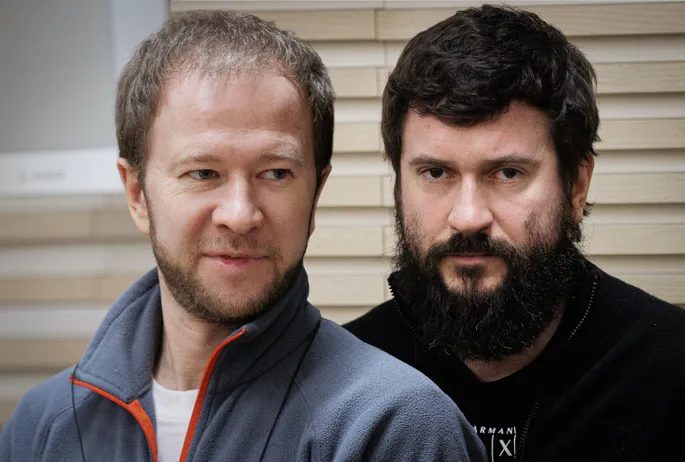
HashFlare Ponzi Founders Get Time Served for $577M Crypto Scheme, Escape Additional JailSergei Potapenko and Ivan Turõgin (Source: Postimees)

The $577 Million Mining Mirage

HashFlare marketed itself as a crypto mining service selling contracts that promised customers shares of profits from blockchain validation activities. Court documents revealed the operation used fake online dashboards showing false mining activity while lacking the computing capacity to mine the vast majority of the claimed cryptocurrency.

The duo’s equipment performed Bitcoin mining at less than one percent of its purported computing power, according to the Justice Department’s official press release.

When investors requested withdrawals, Potapenko and Turõgin either resisted payments or used newly purchased cryptocurrency rather than actual mining rewards.

The defendants diverted millions to purchase real estate, luxury vehicles, expensive jewelry, and over a dozen chartered private jet trips while victims suffered major losses.

Their scheme extended beyond HashFlare to include Polybius Bank, a fictitious “virtual currency bank” that raised $25 million through a 2017 ICO but never operated as an actual financial institution.

The 2023 arrests triggered complex extradition proceedings before Estonia approved their transfer to face U.S. charges in early 2024.

Both men pleaded guilty to conspiracy to commit wire fraud in February, agreeing to forfeit over $400 million in assets while facing a maximum 20-year sentence.

“These defendants were operating a classic Ponzi scheme, involving a glitzy asset: a mirage of cryptocurrency mining,” said Acting U.S. Attorney Teal Luthy Miller.

Lenient Sentences Defy Emerging Pattern of Harsh Crypto Penalties

The HashFlare defendants’ 16-month sentences appear inconsistent with an intensifying judicial trend toward severe punishment for cryptocurrency crimes, regardless of a scheme’s size or complexity.

For instance, Nicholas Truglia’s sentence jumped from 18 months to 12 years for a $22 million SIM-swapping scheme after he failed to pay restitution, with the judge condemning his “splendor” lifestyle while owing victims millions.

Similarly, former rugby player Shane Moore was sentenced to 30 months for a $900,000 mining fraud, receiving nearly double the HashFlare defendants’ custody time for a scheme worth less than 0.2% of their operation.

The sentencing disparity becomes more pronounced when compared with non-crypto financial fraud cases, where defendants typically receive years-long sentences for schemes involving far smaller amounts than HashFlare’s half-billion-dollar operation.

Mohammed Azharuddin Chhipa received 30 years for funneling $185,000 in cryptocurrency to ISIS operatives, a sentence nearly twenty times longer than HashFlare’s founders despite involving vastly smaller amounts.

The contrast also extends beyond specific cases to prosecutorial approach, with Dwayne Golden receiving eight years for a $40 million Ponzi scheme and prosecutors seeking 20 years for former Celsius CEO Alex Mashinsky in a $550 million fraud case.

Legal experts question whether the defendants’ cooperation, asset forfeiture, or other undisclosed factors influenced the unusually lenient outcome for such a massive international fraud.

However, the Justice Department’s consideration of an appeal suggests internal disagreement with the sentence’s proportionality, though appeals of criminal sentences face high legal hurdles and uncertain outcomes.


시장 기회
스레숄드 로고
스레숄드 가격(T)
$0.00625
$0.00625$0.00625
-0.93%
USD
스레숄드 (T) 실시간 가격 차트
면책 조항: 본 사이트에 재게시된 글들은 공개 플랫폼에서 가져온 것으로 정보 제공 목적으로만 제공됩니다. 이는 반드시 MEXC의 견해를 반영하는 것은 아닙니다. 모든 권리는 원저자에게 있습니다. 제3자의 권리를 침해하는 콘텐츠가 있다고 판단될 경우, crypto.news@mexc.com으로 연락하여 삭제 요청을 해주시기 바랍니다. MEXC는 콘텐츠의 정확성, 완전성 또는 시의적절성에 대해 어떠한 보증도 하지 않으며, 제공된 정보에 기반하여 취해진 어떠한 조치에 대해서도 책임을 지지 않습니다. 본 콘텐츠는 금융, 법률 또는 기타 전문적인 조언을 구성하지 않으며, MEXC의 추천이나 보증으로 간주되어서는 안 됩니다.

USD1 Genesis: 0 Fees + 12% APR

USD1 Genesis: 0 Fees + 12% APRUSD1 Genesis: 0 Fees + 12% APR

New users: stake for up to 600% APR. Limited time!



