Updated Fall Protection Standards Leave Many Utility Crews Out of Compliance

New FallTech white paper explains why Class 1 and 2 SRL distinctions affect electric utility work conditions.
LOS ANGELES, Feb. 13, 2026 /PRNewswire/ — Many utility organizations may be operating out of compliance with current fall protection requirements without realizing it, according to a new FallTech industry white paper, Stopping the Fall Isn’t Enough.
Updates to the American National Standards Institute’s self-retracting lifeline (SRL) performance standards now distinguish more clearly between Class 1 and Class 2 devices, reshaping how fall protection must be selected and used in real utility work environments—especially where fall and electrical hazards overlap.
Recent changes to ANSI SRL criteria clarified that Class 1 SRLs are intended for anchorage at or above the worker’s dorsal D-ring, while Class 2 SRLs support below-D-ring tie-off and leading-edge exposure. In practice, this means equipment long relied upon in substations, power plants, and utility field work may no longer be appropriate for common job conditions. While some devices may still stop a fall, they may not control arrest forces in a way that protects the worker or withstands review after an incident.
Utility work often combines multiple hazards at once. Crews climb structures, transition between tie-off points, and work from bucket trucks or lifts where anchors are commonly at waist height or lower. These are normal job conditions, not misuse. Yet many commonly used fall protection devices were never designed or tested for these scenarios under today’s standards.
The white paper explains why these gaps are widespread, why they are hard to detect before an incident, and how arc flash exposure can further compromise fall protection systems. It also outlines why compliance questions often surface only after an audit, investigation, or injury—when equipment choices are judged against current standards, not past practice.
“We’ve identified a gap between recent SRL standard updates and how fall protection is being used in real-world utility work,” says Zack Winters, Director of Product & Applied Engineering at FallTech.
He adds:
In some cases, equipment that was once considered acceptable may no longer meet current performance expectations. We’re committed to advancing fall protection education across the industry. This white paper helps close the knowledge gap by clarifying what’s changed, how it affects utility work, and what safety leaders should review moving forward.
Stopping the Fall Isn’t Enough is written for utility safety leaders who need clear, practical guidance on how standards have changed and what those changes mean for everyday work. The paper focuses on awareness, risk clarity, and defensible decision-making.
The white paper is available for download at no cost. Those interested can visit https://www.falltech.com/utilitywhitepaper.
About FallTech®
For more than 30 years, FallTech has helped protect workers in demanding environments through the design and manufacture of fall protection equipment. The company focuses on engineering, quality, and reliability, delivering solutions that meet rigorous safety standards and perform where the risk is highest. FallTech is driven by a clear mission: protect lives and support the people who work at height every day. Learn more at https://www.falltech.com.
 View original content to download multimedia:https://www.prnewswire.com/news-releases/updated-fall-protection-standards-leave-many-utility-crews-out-of-compliance-302687109.html
SOURCE FallTech
추천 콘텐츠

Pi Network Sets Feb 15 Deadline for Mainnet Node Upgrade
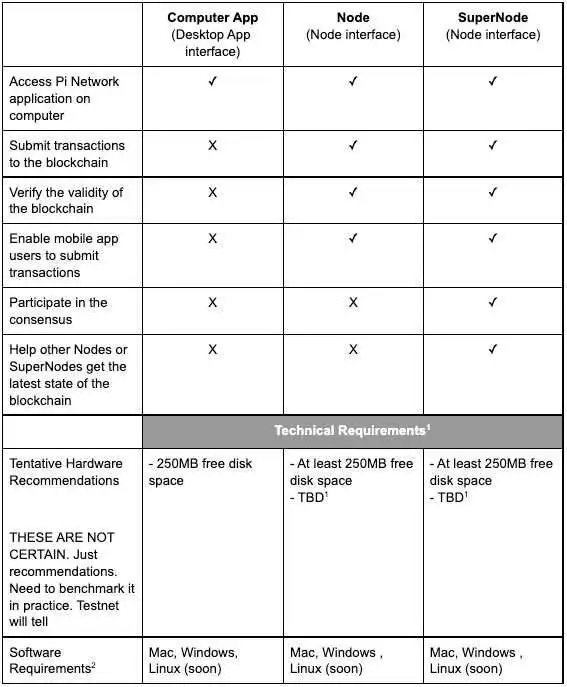
Pi Network Sets February 15 Deadline for Mandatory Mainnet Node Upgrade