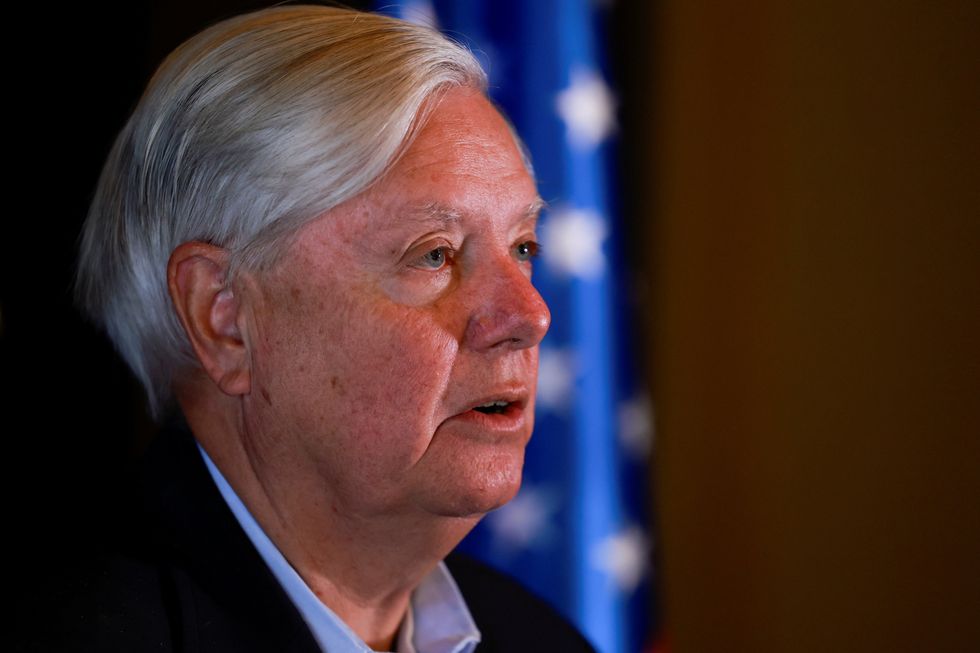
Treasury Secretary Scott Bessent confirmed on Monday that interviews will begin after Labor Day to identify a successor to Federal Reserve Chair Jerome Powell, with 11 candidates under consideration. The process, overseen by President Donald Trump and his top economic aides, could be a turning point for U.S. monetary policy as the White House pushes to realign the central bank with its agenda. Fed Chair Succession Process Underway as Trump Team Prepares Shortlist Bessent, the 79th U.S. Treasury Secretary, described the contenders as “very strong” and said the goal is to narrow the field to three or four finalists for Trump by fall. “There are 11 very strong candidates. President Trump knows some of them; he doesn’t know others. We’ll begin talking to him after Labor Day,” Bessent said in a video posted on X. He added that Trump “has a very open mind” but also “his own views” on monetary policy, insisting the next chair must be an expert in both monetary and regulatory policy, capable of running “a sprawling institution which the Fed is.” Powell’s current term expires in May 2026, and while Trump cannot remove him over policy disagreements, the administration has clarified that it intends to install new leadership once his term ends. The push for change stems from years of tension over rate policy, evident in July when the Fed held rates at 4.25%–4.5% for a fifth straight meeting despite two governors dissenting in favor of cuts for the first time since 1993. The decision triggered a sharp market sell-off before markets stabilized, while Powell’s press conference removed hopes of September cuts and drove market odds of zero cuts in 2025 to 25%. Trump has repeatedly criticized Powell, most recently in an April 17 post on Truth Social, for keeping borrowing costs too high despite tariffs and slowing growth. Bessent said Trump respects the Fed but believes it has “lost its way” and needs leadership aligned with his priorities of lowering rates, restoring credibility, and reshaping regulation. That stance is already reshaping the FOMC. Last week, Trump announced plans to remove Fed Governor Lisa Cook over mortgage fraud allegations while nominating Stephen Miran as her replacement, a move seen as steering the committee toward a more dovish stance. Markets are closely watching the succession process. Prediction platform Polymarket currently assigns a 64% chance that Trump will announce Powell’s replacement before the year’s end. At the same time, traders have dramatically raised their expectations of imminent rate cuts, with Polymarket data showing an 80% probability of a reduction in September. Speculation intensified after Powell’s remarks at the Jackson Hole Economic Policy Symposium last week, where he acknowledged that the “balance of risks” may warrant a shift in monetary policy. Powell cited a weakening labor market, pointing to July’s nonfarm payrolls of just 73,000, less than half of expectations, alongside sharp downward revisions to May and June data. He suggested the downside risks to employment could no longer be ignored, even as tariffs were beginning to push prices higher. He also warned that tariffs imposed by the Trump administration were beginning to push prices higher, though he argued the effects might prove temporary. Powell’s tone marked a departure from an earlier emphasis on inflation, suggesting the Fed may move preemptively to safeguard employment. Morgan Stanley Joins Forecasts for September Fed Rate Cut as Powell Shifts Tone Morgan Stanley has joined a growing chorus of global brokerages expecting the U.S. Federal Reserve to begin cutting interest rates in September, citing Chair Jerome Powell’s new emphasis on labor market risks at the Jackson Hole Economic Policy Symposium. In a note released Monday, the bank projected two 25-basis-point cuts this year, one in September and another in December, followed by steady quarterly reductions through 2026, bringing rates down to 2.75%–3.0%. This marks a sharp departure from its earlier forecast that the Fed would hold until March 2026 before cutting more aggressively. Powell’s remarks last week triggered a wave of forecast revisions. Barclays, BNP Paribas, and Deutsche Bank also now expect a September cut, while traders are pricing in an 81.9% chance of a move, according to LSEG data. Analysts say Powell’s speech indicated a shift in the Fed’s “reaction function,” with policymakers now more attuned to signs of labor market deterioration than inflation persistence. The July jobs report showed payroll growth of just 73,000, well below expectations, alongside downward revisions to prior months. Powell acknowledged that downside risks to employment could no longer be ignored, though he also warned tariffs were beginning to push prices higher. Critics, including crypto investor Anthony Pompliano and Senator Elizabeth Warren, have warned that attempts to fire Powell or other governors would undermine the Fed’s independence and rattle markets. The Federal Open Market Committee meets September 16–17, where expectations for the first rate cut since 2020 are running highTreasury Secretary Scott Bessent confirmed on Monday that interviews will begin after Labor Day to identify a successor to Federal Reserve Chair Jerome Powell, with 11 candidates under consideration. The process, overseen by President Donald Trump and his top economic aides, could be a turning point for U.S. monetary policy as the White House pushes to realign the central bank with its agenda. Fed Chair Succession Process Underway as Trump Team Prepares Shortlist Bessent, the 79th U.S. Treasury Secretary, described the contenders as “very strong” and said the goal is to narrow the field to three or four finalists for Trump by fall. “There are 11 very strong candidates. President Trump knows some of them; he doesn’t know others. We’ll begin talking to him after Labor Day,” Bessent said in a video posted on X. He added that Trump “has a very open mind” but also “his own views” on monetary policy, insisting the next chair must be an expert in both monetary and regulatory policy, capable of running “a sprawling institution which the Fed is.” Powell’s current term expires in May 2026, and while Trump cannot remove him over policy disagreements, the administration has clarified that it intends to install new leadership once his term ends. The push for change stems from years of tension over rate policy, evident in July when the Fed held rates at 4.25%–4.5% for a fifth straight meeting despite two governors dissenting in favor of cuts for the first time since 1993. The decision triggered a sharp market sell-off before markets stabilized, while Powell’s press conference removed hopes of September cuts and drove market odds of zero cuts in 2025 to 25%. Trump has repeatedly criticized Powell, most recently in an April 17 post on Truth Social, for keeping borrowing costs too high despite tariffs and slowing growth. Bessent said Trump respects the Fed but believes it has “lost its way” and needs leadership aligned with his priorities of lowering rates, restoring credibility, and reshaping regulation. That stance is already reshaping the FOMC. Last week, Trump announced plans to remove Fed Governor Lisa Cook over mortgage fraud allegations while nominating Stephen Miran as her replacement, a move seen as steering the committee toward a more dovish stance. Markets are closely watching the succession process. Prediction platform Polymarket currently assigns a 64% chance that Trump will announce Powell’s replacement before the year’s end. At the same time, traders have dramatically raised their expectations of imminent rate cuts, with Polymarket data showing an 80% probability of a reduction in September. Speculation intensified after Powell’s remarks at the Jackson Hole Economic Policy Symposium last week, where he acknowledged that the “balance of risks” may warrant a shift in monetary policy. Powell cited a weakening labor market, pointing to July’s nonfarm payrolls of just 73,000, less than half of expectations, alongside sharp downward revisions to May and June data. He suggested the downside risks to employment could no longer be ignored, even as tariffs were beginning to push prices higher. He also warned that tariffs imposed by the Trump administration were beginning to push prices higher, though he argued the effects might prove temporary. Powell’s tone marked a departure from an earlier emphasis on inflation, suggesting the Fed may move preemptively to safeguard employment. Morgan Stanley Joins Forecasts for September Fed Rate Cut as Powell Shifts Tone Morgan Stanley has joined a growing chorus of global brokerages expecting the U.S. Federal Reserve to begin cutting interest rates in September, citing Chair Jerome Powell’s new emphasis on labor market risks at the Jackson Hole Economic Policy Symposium. In a note released Monday, the bank projected two 25-basis-point cuts this year, one in September and another in December, followed by steady quarterly reductions through 2026, bringing rates down to 2.75%–3.0%. This marks a sharp departure from its earlier forecast that the Fed would hold until March 2026 before cutting more aggressively. Powell’s remarks last week triggered a wave of forecast revisions. Barclays, BNP Paribas, and Deutsche Bank also now expect a September cut, while traders are pricing in an 81.9% chance of a move, according to LSEG data. Analysts say Powell’s speech indicated a shift in the Fed’s “reaction function,” with policymakers now more attuned to signs of labor market deterioration than inflation persistence. The July jobs report showed payroll growth of just 73,000, well below expectations, alongside downward revisions to prior months. Powell acknowledged that downside risks to employment could no longer be ignored, though he also warned tariffs were beginning to push prices higher. Critics, including crypto investor Anthony Pompliano and Senator Elizabeth Warren, have warned that attempts to fire Powell or other governors would undermine the Fed’s independence and rattle markets. The Federal Open Market Committee meets September 16–17, where expectations for the first rate cut since 2020 are running high

Jerome Powell’s Fed Chair Replacement Imminent? PolyMarket Odds Skyrocket as Trump Team Weighs 11 Candidates

2025/08/28 05:18
5분 읽기
이 콘텐츠에 대한 의견이나 우려 사항이 있으시면 crypto.news@mexc.com으로 연락주시기 바랍니다

Treasury Secretary Scott Bessent confirmed on Monday that interviews will begin after Labor Day to identify a successor to Federal Reserve Chair Jerome Powell, with 11 candidates under consideration.

The process, overseen by President Donald Trump and his top economic aides, could be a turning point for U.S. monetary policy as the White House pushes to realign the central bank with its agenda.

Fed Chair Succession Process Underway as Trump Team Prepares Shortlist

Bessent, the 79th U.S. Treasury Secretary, described the contenders as “very strong” and said the goal is to narrow the field to three or four finalists for Trump by fall.

“There are 11 very strong candidates. President Trump knows some of them; he doesn’t know others. We’ll begin talking to him after Labor Day,” Bessent said in a video posted on X.

He added that Trump “has a very open mind” but also “his own views” on monetary policy, insisting the next chair must be an expert in both monetary and regulatory policy, capable of running “a sprawling institution which the Fed is.”

Powell’s current term expires in May 2026, and while Trump cannot remove him over policy disagreements, the administration has clarified that it intends to install new leadership once his term ends.

The push for change stems from years of tension over rate policy, evident in July when the Fed held rates at 4.25%–4.5% for a fifth straight meeting despite two governors dissenting in favor of cuts for the first time since 1993.

The decision triggered a sharp market sell-off before markets stabilized, while Powell’s press conference removed hopes of September cuts and drove market odds of zero cuts in 2025 to 25%.

Trump has repeatedly criticized Powell, most recently in an April 17 post on Truth Social, for keeping borrowing costs too high despite tariffs and slowing growth.

Bessent said Trump respects the Fed but believes it has “lost its way” and needs leadership aligned with his priorities of lowering rates, restoring credibility, and reshaping regulation.

That stance is already reshaping the FOMC. Last week, Trump announced plans to remove Fed Governor Lisa Cook over mortgage fraud allegations while nominating Stephen Miran as her replacement, a move seen as steering the committee toward a more dovish stance.

Markets are closely watching the succession process. Prediction platform Polymarket currently assigns a 64% chance that Trump will announce Powell’s replacement before the year’s end.

At the same time, traders have dramatically raised their expectations of imminent rate cuts, with Polymarket data showing an 80% probability of a reduction in September.

Speculation intensified after Powell’s remarks at the Jackson Hole Economic Policy Symposium last week, where he acknowledged that the “balance of risks” may warrant a shift in monetary policy.

Powell cited a weakening labor market, pointing to July’s nonfarm payrolls of just 73,000, less than half of expectations, alongside sharp downward revisions to May and June data.

He suggested the downside risks to employment could no longer be ignored, even as tariffs were beginning to push prices higher.

He also warned that tariffs imposed by the Trump administration were beginning to push prices higher, though he argued the effects might prove temporary. Powell’s tone marked a departure from an earlier emphasis on inflation, suggesting the Fed may move preemptively to safeguard employment.

Morgan Stanley Joins Forecasts for September Fed Rate Cut as Powell Shifts Tone

Morgan Stanley has joined a growing chorus of global brokerages expecting the U.S. Federal Reserve to begin cutting interest rates in September, citing Chair Jerome Powell’s new emphasis on labor market risks at the Jackson Hole Economic Policy Symposium.

In a note released Monday, the bank projected two 25-basis-point cuts this year, one in September and another in December, followed by steady quarterly reductions through 2026, bringing rates down to 2.75%–3.0%.

This marks a sharp departure from its earlier forecast that the Fed would hold until March 2026 before cutting more aggressively.

Powell’s remarks last week triggered a wave of forecast revisions. Barclays, BNP Paribas, and Deutsche Bank also now expect a September cut, while traders are pricing in an 81.9% chance of a move, according to LSEG data.

Analysts say Powell’s speech indicated a shift in the Fed’s “reaction function,” with policymakers now more attuned to signs of labor market deterioration than inflation persistence.

The July jobs report showed payroll growth of just 73,000, well below expectations, alongside downward revisions to prior months.

Powell acknowledged that downside risks to employment could no longer be ignored, though he also warned tariffs were beginning to push prices higher.

Critics, including crypto investor Anthony Pompliano and Senator Elizabeth Warren, have warned that attempts to fire Powell or other governors would undermine the Fed’s independence and rattle markets.

The Federal Open Market Committee meets September 16–17, where expectations for the first rate cut since 2020 are running high.


시장 기회
OFFICIAL TRUMP 로고
OFFICIAL TRUMP 가격(TRUMP)
$2.972
$2.972$2.972
+5.20%
USD
OFFICIAL TRUMP (TRUMP) 실시간 가격 차트
면책 조항: 본 사이트에 재게시된 글들은 공개 플랫폼에서 가져온 것으로 정보 제공 목적으로만 제공됩니다. 이는 반드시 MEXC의 견해를 반영하는 것은 아닙니다. 모든 권리는 원저자에게 있습니다. 제3자의 권리를 침해하는 콘텐츠가 있다고 판단될 경우, crypto.news@mexc.com으로 연락하여 삭제 요청을 해주시기 바랍니다. MEXC는 콘텐츠의 정확성, 완전성 또는 시의적절성에 대해 어떠한 보증도 하지 않으며, 제공된 정보에 기반하여 취해진 어떠한 조치에 대해서도 책임을 지지 않습니다. 본 콘텐츠는 금융, 법률 또는 기타 전문적인 조언을 구성하지 않으며, MEXC의 추천이나 보증으로 간주되어서는 안 됩니다.

$30,000 in PRL + 15,000 USDT

$30,000 in PRL + 15,000 USDT$30,000 in PRL + 15,000 USDT

Deposit & trade PRL to boost your rewards!