BitcoinWorld Memecoin Scam Unveiled: South Korea Police Arrest Three in Shocking $4.1M Fraud The cryptocurrency world, while exciting and innovative, unfortunately also attracts nefarious actors. A recent and alarming development from South Korea highlights this reality, as authorities have cracked down on a significant memecoin scam. This incident serves as a stark reminder for all investors to exercise extreme caution and conduct thorough research before committing funds to any digital asset, especially those promising extravagant returns. How Did This Memecoin Scam Unfold? Police in South Korea’s Gyeonggi Nambu Province recently announced the arrest and referral for prosecution of three individuals. These arrests are linked to an alleged crypto fraud that successfully defrauded 129 victims, amounting to approximately 5.7 billion won, or about $4.1 million. This was not a small operation; it was a carefully orchestrated scheme. The Project: The group created a fraudulent memecoin called GCV. Timeline: This scheme operated between December 2023 and June 2024. The Lure: Scammers enticed investors with false promises of an exclusive Asian golf course membership. This membership was supposedly in exchange for investing in their GCV coin. The Impact: Many individuals lost significant amounts of money, believing they were securing a valuable asset and a luxurious perk. The ringleader, identified only as A, along with two accomplices, now faces legal action for their role in this extensive memecoin scam. Understanding the Allure of Crypto Fraud and Golf Memberships Why do such scams, particularly those involving luxury promises, continue to ensnare investors? The appeal often lies in a blend of aspirational living and the perceived ‘get rich quick’ nature of some crypto projects. Investors, drawn by the promise of high returns and exclusive benefits like golf memberships, might overlook critical red flags. Moreover, the novelty of memecoins can sometimes make it harder for new investors to distinguish legitimate projects from outright fraud. Scammers exploit this lack of familiarity, creating elaborate narratives that sound plausible to the untrained ear. They often leverage social media and community hype to build a false sense of legitimacy, making it challenging to identify a memecoin scam early on. Protecting Yourself from a Memecoin Scam: Actionable Insights Staying safe in the crypto space requires vigilance. Here are some key strategies to protect your investments and avoid falling victim to a memecoin scam: Do Your Own Research (DYOR): Always investigate the project’s whitepaper, team, technology, and community. Look for transparency and a clear roadmap. Be Wary of Unrealistic Promises: If an investment promises guaranteed high returns or exclusive real-world assets (like golf memberships) for a new, unproven coin, it’s a major red flag. Check for Audits: Legitimate crypto projects often undergo smart contract audits by reputable third-party firms. Verify Team Identity: Anonymous teams can be a warning sign. While some legitimate projects start anonymously, transparency often increases trust. Community Scrutiny: Engage with the project’s community, but be critical. Scammers can create fake engagement. Start Small: If you’re unsure, invest only what you can afford to lose. Remember, a healthy skepticism is your best defense against sophisticated fraudsters. The Broader Impact of Crypto Fraud in South Korea This incident in South Korea underscores the ongoing challenges faced by regulators and law enforcement in the rapidly evolving crypto landscape. Crypto fraud not only harms individual investors but also erodes trust in the broader digital asset market. Governments globally are working to establish clearer regulations to protect consumers, however, the pace of innovation often outstrips legislative efforts. The arrests send a strong message that authorities are taking these crimes seriously. It highlights the importance of international cooperation in tracking down perpetrators and recovering stolen assets, as crypto transactions often cross borders. Addressing the challenges posed by a memecoin scam requires a multi-faceted approach, combining robust security measures, investor education, and effective law enforcement. Conclusion: Staying Vigilant Against Memecoin Scams The South Korean authorities’ swift action against this $4.1 million memecoin scam offers a glimmer of hope for justice. However, it also serves as a crucial reminder for every crypto enthusiast: the responsibility to protect your investments ultimately rests with you. By understanding the common tactics of scammers, exercising caution, and performing diligent research, you can significantly reduce your risk of becoming another victim of crypto fraud. Stay informed, stay critical, and invest wisely. Frequently Asked Questions (FAQs) Q1: What happened in the South Korea memecoin scam? A1: Three individuals were arrested in South Korea for allegedly defrauding 129 victims of $4.1 million (5.7 billion won) through a fraudulent memecoin called GCV. They promised exclusive Asian golf course memberships in exchange for investment. Q2: How many victims were affected by this crypto fraud? A2: A total of 129 victims were affected by this specific crypto fraud, losing approximately $4.1 million collectively. Q3: What were the false promises made by the scammers? A3: The scammers lured investors with false promises of an exclusive Asian golf course membership, which was supposedly linked to investing in their GCV memecoin. Q4: How can investors identify a potential memecoin scam? A4: Investors should look for unrealistic promises of returns, anonymous teams, lack of a clear whitepaper or roadmap, absence of third-party audits, and an over-reliance on hype without substance. Always conduct thorough personal research (DYOR). Q5: What are the legal consequences for crypto scammers in South Korea? A5: The arrested individuals in this case have been referred for prosecution, indicating they will face charges related to fraud and potentially other financial crimes under South Korean law. Penalties can include significant prison sentences and fines. Q6: Is the GCV memecoin still active? A6: Given the arrests and the nature of the alleged scam, it is highly probable that the GCV memecoin project is defunct or has no legitimate backing. Investors should avoid any interaction with it. Share this article with your network to help raise awareness about the dangers of crypto scams and empower more investors to protect their digital assets! To learn more about the latest crypto market trends, explore our article on key developments shaping Bitcoin price action. This post Memecoin Scam Unveiled: South Korea Police Arrest Three in Shocking $4.1M Fraud first appeared on BitcoinWorld and is written by Editorial TeamBitcoinWorld Memecoin Scam Unveiled: South Korea Police Arrest Three in Shocking $4.1M Fraud The cryptocurrency world, while exciting and innovative, unfortunately also attracts nefarious actors. A recent and alarming development from South Korea highlights this reality, as authorities have cracked down on a significant memecoin scam. This incident serves as a stark reminder for all investors to exercise extreme caution and conduct thorough research before committing funds to any digital asset, especially those promising extravagant returns. How Did This Memecoin Scam Unfold? Police in South Korea’s Gyeonggi Nambu Province recently announced the arrest and referral for prosecution of three individuals. These arrests are linked to an alleged crypto fraud that successfully defrauded 129 victims, amounting to approximately 5.7 billion won, or about $4.1 million. This was not a small operation; it was a carefully orchestrated scheme. The Project: The group created a fraudulent memecoin called GCV. Timeline: This scheme operated between December 2023 and June 2024. The Lure: Scammers enticed investors with false promises of an exclusive Asian golf course membership. This membership was supposedly in exchange for investing in their GCV coin. The Impact: Many individuals lost significant amounts of money, believing they were securing a valuable asset and a luxurious perk. The ringleader, identified only as A, along with two accomplices, now faces legal action for their role in this extensive memecoin scam. Understanding the Allure of Crypto Fraud and Golf Memberships Why do such scams, particularly those involving luxury promises, continue to ensnare investors? The appeal often lies in a blend of aspirational living and the perceived ‘get rich quick’ nature of some crypto projects. Investors, drawn by the promise of high returns and exclusive benefits like golf memberships, might overlook critical red flags. Moreover, the novelty of memecoins can sometimes make it harder for new investors to distinguish legitimate projects from outright fraud. Scammers exploit this lack of familiarity, creating elaborate narratives that sound plausible to the untrained ear. They often leverage social media and community hype to build a false sense of legitimacy, making it challenging to identify a memecoin scam early on. Protecting Yourself from a Memecoin Scam: Actionable Insights Staying safe in the crypto space requires vigilance. Here are some key strategies to protect your investments and avoid falling victim to a memecoin scam: Do Your Own Research (DYOR): Always investigate the project’s whitepaper, team, technology, and community. Look for transparency and a clear roadmap. Be Wary of Unrealistic Promises: If an investment promises guaranteed high returns or exclusive real-world assets (like golf memberships) for a new, unproven coin, it’s a major red flag. Check for Audits: Legitimate crypto projects often undergo smart contract audits by reputable third-party firms. Verify Team Identity: Anonymous teams can be a warning sign. While some legitimate projects start anonymously, transparency often increases trust. Community Scrutiny: Engage with the project’s community, but be critical. Scammers can create fake engagement. Start Small: If you’re unsure, invest only what you can afford to lose. Remember, a healthy skepticism is your best defense against sophisticated fraudsters. The Broader Impact of Crypto Fraud in South Korea This incident in South Korea underscores the ongoing challenges faced by regulators and law enforcement in the rapidly evolving crypto landscape. Crypto fraud not only harms individual investors but also erodes trust in the broader digital asset market. Governments globally are working to establish clearer regulations to protect consumers, however, the pace of innovation often outstrips legislative efforts. The arrests send a strong message that authorities are taking these crimes seriously. It highlights the importance of international cooperation in tracking down perpetrators and recovering stolen assets, as crypto transactions often cross borders. Addressing the challenges posed by a memecoin scam requires a multi-faceted approach, combining robust security measures, investor education, and effective law enforcement. Conclusion: Staying Vigilant Against Memecoin Scams The South Korean authorities’ swift action against this $4.1 million memecoin scam offers a glimmer of hope for justice. However, it also serves as a crucial reminder for every crypto enthusiast: the responsibility to protect your investments ultimately rests with you. By understanding the common tactics of scammers, exercising caution, and performing diligent research, you can significantly reduce your risk of becoming another victim of crypto fraud. Stay informed, stay critical, and invest wisely. Frequently Asked Questions (FAQs) Q1: What happened in the South Korea memecoin scam? A1: Three individuals were arrested in South Korea for allegedly defrauding 129 victims of $4.1 million (5.7 billion won) through a fraudulent memecoin called GCV. They promised exclusive Asian golf course memberships in exchange for investment. Q2: How many victims were affected by this crypto fraud? A2: A total of 129 victims were affected by this specific crypto fraud, losing approximately $4.1 million collectively. Q3: What were the false promises made by the scammers? A3: The scammers lured investors with false promises of an exclusive Asian golf course membership, which was supposedly linked to investing in their GCV memecoin. Q4: How can investors identify a potential memecoin scam? A4: Investors should look for unrealistic promises of returns, anonymous teams, lack of a clear whitepaper or roadmap, absence of third-party audits, and an over-reliance on hype without substance. Always conduct thorough personal research (DYOR). Q5: What are the legal consequences for crypto scammers in South Korea? A5: The arrested individuals in this case have been referred for prosecution, indicating they will face charges related to fraud and potentially other financial crimes under South Korean law. Penalties can include significant prison sentences and fines. Q6: Is the GCV memecoin still active? A6: Given the arrests and the nature of the alleged scam, it is highly probable that the GCV memecoin project is defunct or has no legitimate backing. Investors should avoid any interaction with it. Share this article with your network to help raise awareness about the dangers of crypto scams and empower more investors to protect their digital assets! To learn more about the latest crypto market trends, explore our article on key developments shaping Bitcoin price action. This post Memecoin Scam Unveiled: South Korea Police Arrest Three in Shocking $4.1M Fraud first appeared on BitcoinWorld and is written by Editorial Team


Memecoin Scam Unveiled: South Korea Police Arrest Three in Shocking $4.1M Fraud

2025/08/28 10:25
6분 읽기
이 콘텐츠에 대한 의견이나 우려 사항이 있으시면 crypto.news@mexc.com으로 연락주시기 바랍니다

BitcoinWorld

Memecoin Scam Unveiled: South Korea Police Arrest Three in Shocking $4.1M Fraud

The cryptocurrency world, while exciting and innovative, unfortunately also attracts nefarious actors. A recent and alarming development from South Korea highlights this reality, as authorities have cracked down on a significant memecoin scam. This incident serves as a stark reminder for all investors to exercise extreme caution and conduct thorough research before committing funds to any digital asset, especially those promising extravagant returns.

How Did This Memecoin Scam Unfold?

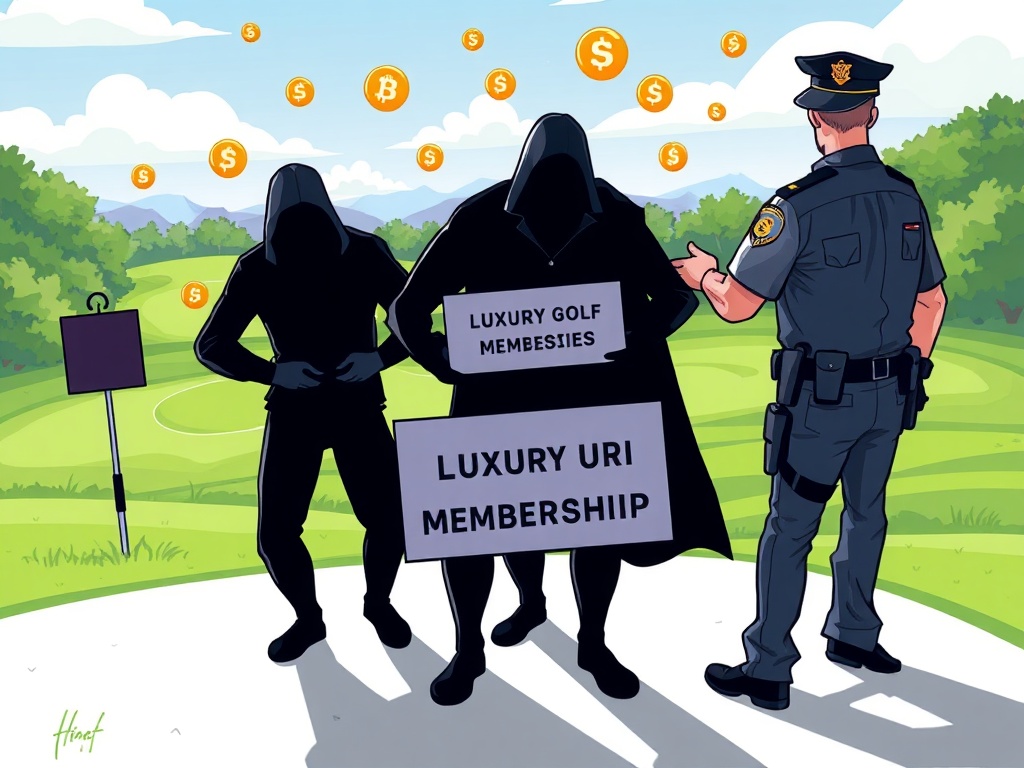
Police in South Korea’s Gyeonggi Nambu Province recently announced the arrest and referral for prosecution of three individuals. These arrests are linked to an alleged crypto fraud that successfully defrauded 129 victims, amounting to approximately 5.7 billion won, or about $4.1 million. This was not a small operation; it was a carefully orchestrated scheme.

  • The Project: The group created a fraudulent memecoin called GCV.
  • Timeline: This scheme operated between December 2023 and June 2024.
  • The Lure: Scammers enticed investors with false promises of an exclusive Asian golf course membership. This membership was supposedly in exchange for investing in their GCV coin.
  • The Impact: Many individuals lost significant amounts of money, believing they were securing a valuable asset and a luxurious perk.

The ringleader, identified only as A, along with two accomplices, now faces legal action for their role in this extensive memecoin scam.

Understanding the Allure of Crypto Fraud and Golf Memberships

Why do such scams, particularly those involving luxury promises, continue to ensnare investors? The appeal often lies in a blend of aspirational living and the perceived ‘get rich quick’ nature of some crypto projects. Investors, drawn by the promise of high returns and exclusive benefits like golf memberships, might overlook critical red flags.

Moreover, the novelty of memecoins can sometimes make it harder for new investors to distinguish legitimate projects from outright fraud. Scammers exploit this lack of familiarity, creating elaborate narratives that sound plausible to the untrained ear. They often leverage social media and community hype to build a false sense of legitimacy, making it challenging to identify a memecoin scam early on.

Protecting Yourself from a Memecoin Scam: Actionable Insights

Staying safe in the crypto space requires vigilance. Here are some key strategies to protect your investments and avoid falling victim to a memecoin scam:

  • Do Your Own Research (DYOR): Always investigate the project’s whitepaper, team, technology, and community. Look for transparency and a clear roadmap.
  • Be Wary of Unrealistic Promises: If an investment promises guaranteed high returns or exclusive real-world assets (like golf memberships) for a new, unproven coin, it’s a major red flag.
  • Check for Audits: Legitimate crypto projects often undergo smart contract audits by reputable third-party firms.
  • Verify Team Identity: Anonymous teams can be a warning sign. While some legitimate projects start anonymously, transparency often increases trust.
  • Community Scrutiny: Engage with the project’s community, but be critical. Scammers can create fake engagement.
  • Start Small: If you’re unsure, invest only what you can afford to lose.

Remember, a healthy skepticism is your best defense against sophisticated fraudsters.

The Broader Impact of Crypto Fraud in South Korea

This incident in South Korea underscores the ongoing challenges faced by regulators and law enforcement in the rapidly evolving crypto landscape. Crypto fraud not only harms individual investors but also erodes trust in the broader digital asset market. Governments globally are working to establish clearer regulations to protect consumers, however, the pace of innovation often outstrips legislative efforts.

The arrests send a strong message that authorities are taking these crimes seriously. It highlights the importance of international cooperation in tracking down perpetrators and recovering stolen assets, as crypto transactions often cross borders. Addressing the challenges posed by a memecoin scam requires a multi-faceted approach, combining robust security measures, investor education, and effective law enforcement.

Conclusion: Staying Vigilant Against Memecoin Scams

The South Korean authorities’ swift action against this $4.1 million memecoin scam offers a glimmer of hope for justice. However, it also serves as a crucial reminder for every crypto enthusiast: the responsibility to protect your investments ultimately rests with you. By understanding the common tactics of scammers, exercising caution, and performing diligent research, you can significantly reduce your risk of becoming another victim of crypto fraud. Stay informed, stay critical, and invest wisely.

Frequently Asked Questions (FAQs)

Q1: What happened in the South Korea memecoin scam?
A1: Three individuals were arrested in South Korea for allegedly defrauding 129 victims of $4.1 million (5.7 billion won) through a fraudulent memecoin called GCV. They promised exclusive Asian golf course memberships in exchange for investment.

Q2: How many victims were affected by this crypto fraud?
A2: A total of 129 victims were affected by this specific crypto fraud, losing approximately $4.1 million collectively.

Q3: What were the false promises made by the scammers?
A3: The scammers lured investors with false promises of an exclusive Asian golf course membership, which was supposedly linked to investing in their GCV memecoin.

Q4: How can investors identify a potential memecoin scam?
A4: Investors should look for unrealistic promises of returns, anonymous teams, lack of a clear whitepaper or roadmap, absence of third-party audits, and an over-reliance on hype without substance. Always conduct thorough personal research (DYOR).

Q5: What are the legal consequences for crypto scammers in South Korea?
A5: The arrested individuals in this case have been referred for prosecution, indicating they will face charges related to fraud and potentially other financial crimes under South Korean law. Penalties can include significant prison sentences and fines.

Q6: Is the GCV memecoin still active?
A6: Given the arrests and the nature of the alleged scam, it is highly probable that the GCV memecoin project is defunct or has no legitimate backing. Investors should avoid any interaction with it.

Share this article with your network to help raise awareness about the dangers of crypto scams and empower more investors to protect their digital assets!

To learn more about the latest crypto market trends, explore our article on key developments shaping Bitcoin price action.

This post Memecoin Scam Unveiled: South Korea Police Arrest Three in Shocking $4.1M Fraud first appeared on BitcoinWorld and is written by Editorial Team

시장 기회
RealLink 로고
RealLink 가격(REAL)
$0.06477
$0.06477$0.06477
+5.91%
USD
RealLink (REAL) 실시간 가격 차트
면책 조항: 본 사이트에 재게시된 글들은 공개 플랫폼에서 가져온 것으로 정보 제공 목적으로만 제공됩니다. 이는 반드시 MEXC의 견해를 반영하는 것은 아닙니다. 모든 권리는 원저자에게 있습니다. 제3자의 권리를 침해하는 콘텐츠가 있다고 판단될 경우, crypto.news@mexc.com으로 연락하여 삭제 요청을 해주시기 바랍니다. MEXC는 콘텐츠의 정확성, 완전성 또는 시의적절성에 대해 어떠한 보증도 하지 않으며, 제공된 정보에 기반하여 취해진 어떠한 조치에 대해서도 책임을 지지 않습니다. 본 콘텐츠는 금융, 법률 또는 기타 전문적인 조언을 구성하지 않으며, MEXC의 추천이나 보증으로 간주되어서는 안 됩니다.

$30,000 in PRL + 15,000 USDT

$30,000 in PRL + 15,000 USDT$30,000 in PRL + 15,000 USDT

Deposit & trade PRL to boost your rewards!