BitcoinWorld Stablecoins: Bank of Korea Unveils Crucial Discussions with Government Agencies The financial world is buzzing with news from South Korea, where the Bank of Korea (BoK) is actively engaging in crucial discussions surrounding stablecoins with various government agencies. This development signals a significant step towards clarifying the regulatory landscape for digital assets in the nation. Why Are Stablecoins a Hot Topic in Korea? Stablecoins are a unique class of cryptocurrency designed to maintain a stable value, often pegged to a fiat currency like the US dollar or a commodity. Unlike volatile cryptocurrencies such as Bitcoin, their inherent stability makes them attractive for everyday transactions and remittances. Globally, central banks and regulators are scrutinizing stablecoins due to their growing popularity. They present both opportunities for financial innovation and potential risks to financial stability if not properly managed. The Bank of Korea, therefore, is proactively addressing these complex issues to ensure a secure and efficient financial system. Crucial Stablecoin Discussions: What’s on the Table? On August 28, Bank of Korea Governor Rhee Chang-yong confirmed that the central bank is deeply involved in discussions with other relevant government bodies regarding stablecoin-related matters. This collaborative effort, as reported by iNews24, aims to develop a comprehensive framework. Specifically, several key areas are under consideration: Regulatory Clarity: A primary focus is establishing clear rules for issuing and operating stablecoins. This includes licensing requirements, capital reserves, and consumer protection measures. Financial Stability: Agencies are examining how widespread adoption of stablecoins could impact Korea’s monetary policy and overall financial stability. They are also assessing potential systemic risks. Consumer Protection: Safeguarding users from fraud, market manipulation, and potential issuer insolvency is a key concern. Discussions likely cover mechanisms to ensure transparency and accountability. Innovation vs. Control: Finding a balance between fostering technological innovation in the crypto space and maintaining regulatory oversight is a delicate act. The Potential Impact of Stablecoin Regulation in Korea The outcome of these discussions could significantly shape Korea’s digital asset ecosystem. Robust regulation for stablecoins could bring several benefits to the market and its participants. Increased Trust: Clear rules can boost public confidence in digital assets, potentially leading to broader adoption and integration into mainstream finance. Economic Efficiency: Well-regulated stablecoins could facilitate faster and cheaper cross-border payments, benefiting businesses and individuals. Market Maturation: A defined regulatory environment helps the market mature, attracting more institutional investors and legitimate businesses. However, there are also challenges. Overly strict regulations might stifle innovation or push crypto activities offshore. Therefore, striking the right balance is paramount for the future of digital currency in Korea. What Does This Mean for the Future of Digital Currency? The Bank of Korea’s engagement in stablecoin discussions reflects a broader global trend where central banks are acknowledging the growing influence of digital assets. These conversations are not just about control; they are about understanding and integrating new financial technologies responsibly. Actionable Insight: Businesses and individuals involved with cryptocurrencies in Korea should closely monitor these developments. Future policies could impact how stablecoins are used, traded, and regulated. Global Context: Korea’s approach to stablecoins could set a precedent for other nations in Asia, influencing regional and international regulatory trends. Ultimately, these ongoing dialogues aim to create a secure, innovative, and compliant environment for stablecoins within Korea’s financial system. The central bank’s proactive stance is a testament to its commitment to navigating the evolving digital finance landscape thoughtfully. Conclusion: The Bank of Korea’s active engagement with government agencies on stablecoins marks a pivotal moment for South Korea’s digital economy. These crucial discussions are laying the groundwork for a future where digital currencies can thrive responsibly, balancing innovation with essential regulatory oversight. As these conversations progress, the world watches to see how Korea will shape its approach to this transformative financial technology. Frequently Asked Questions (FAQs) Q1: What are stablecoins? A1: Stablecoins are cryptocurrencies designed to minimize price volatility. They are typically pegged to a stable asset like a fiat currency (e.g., USD) or a commodity, aiming to maintain a consistent value. Q2: Why is the Bank of Korea discussing stablecoins? A2: The Bank of Korea is discussing stablecoins to address potential impacts on financial stability, ensure consumer protection, and establish a clear regulatory framework as these digital assets gain popularity. Q3: Which government agencies are involved in these discussions? A3: Bank of Korea Governor Rhee Chang-yong stated that the central bank is discussing stablecoin issues with ‘other relevant government agencies,’ indicating a collaborative, multi-agency approach. Q4: What are the potential benefits of regulating stablecoins? A4: Regulation can increase trust in digital assets, promote financial stability, enhance consumer protection, and potentially lead to more efficient cross-border payments, fostering market maturation. Q5: How might these discussions affect cryptocurrency users in Korea? A5: The outcome could introduce new rules for using, trading, and holding stablecoins, potentially affecting their accessibility, security, and the overall legal framework for digital asset activities in Korea. Share Your Insights! What are your thoughts on Korea’s approach to stablecoin regulation? Join the conversation and share this article with your network to spread awareness about these significant developments in the world of digital finance! To learn more about the latest crypto market trends, explore our article on key developments shaping digital currencies institutional adoption. This post Stablecoins: Bank of Korea Unveils Crucial Discussions with Government Agencies first appeared on BitcoinWorld and is written by Editorial TeamBitcoinWorld Stablecoins: Bank of Korea Unveils Crucial Discussions with Government Agencies The financial world is buzzing with news from South Korea, where the Bank of Korea (BoK) is actively engaging in crucial discussions surrounding stablecoins with various government agencies. This development signals a significant step towards clarifying the regulatory landscape for digital assets in the nation. Why Are Stablecoins a Hot Topic in Korea? Stablecoins are a unique class of cryptocurrency designed to maintain a stable value, often pegged to a fiat currency like the US dollar or a commodity. Unlike volatile cryptocurrencies such as Bitcoin, their inherent stability makes them attractive for everyday transactions and remittances. Globally, central banks and regulators are scrutinizing stablecoins due to their growing popularity. They present both opportunities for financial innovation and potential risks to financial stability if not properly managed. The Bank of Korea, therefore, is proactively addressing these complex issues to ensure a secure and efficient financial system. Crucial Stablecoin Discussions: What’s on the Table? On August 28, Bank of Korea Governor Rhee Chang-yong confirmed that the central bank is deeply involved in discussions with other relevant government bodies regarding stablecoin-related matters. This collaborative effort, as reported by iNews24, aims to develop a comprehensive framework. Specifically, several key areas are under consideration: Regulatory Clarity: A primary focus is establishing clear rules for issuing and operating stablecoins. This includes licensing requirements, capital reserves, and consumer protection measures. Financial Stability: Agencies are examining how widespread adoption of stablecoins could impact Korea’s monetary policy and overall financial stability. They are also assessing potential systemic risks. Consumer Protection: Safeguarding users from fraud, market manipulation, and potential issuer insolvency is a key concern. Discussions likely cover mechanisms to ensure transparency and accountability. Innovation vs. Control: Finding a balance between fostering technological innovation in the crypto space and maintaining regulatory oversight is a delicate act. The Potential Impact of Stablecoin Regulation in Korea The outcome of these discussions could significantly shape Korea’s digital asset ecosystem. Robust regulation for stablecoins could bring several benefits to the market and its participants. Increased Trust: Clear rules can boost public confidence in digital assets, potentially leading to broader adoption and integration into mainstream finance. Economic Efficiency: Well-regulated stablecoins could facilitate faster and cheaper cross-border payments, benefiting businesses and individuals. Market Maturation: A defined regulatory environment helps the market mature, attracting more institutional investors and legitimate businesses. However, there are also challenges. Overly strict regulations might stifle innovation or push crypto activities offshore. Therefore, striking the right balance is paramount for the future of digital currency in Korea. What Does This Mean for the Future of Digital Currency? The Bank of Korea’s engagement in stablecoin discussions reflects a broader global trend where central banks are acknowledging the growing influence of digital assets. These conversations are not just about control; they are about understanding and integrating new financial technologies responsibly. Actionable Insight: Businesses and individuals involved with cryptocurrencies in Korea should closely monitor these developments. Future policies could impact how stablecoins are used, traded, and regulated. Global Context: Korea’s approach to stablecoins could set a precedent for other nations in Asia, influencing regional and international regulatory trends. Ultimately, these ongoing dialogues aim to create a secure, innovative, and compliant environment for stablecoins within Korea’s financial system. The central bank’s proactive stance is a testament to its commitment to navigating the evolving digital finance landscape thoughtfully. Conclusion: The Bank of Korea’s active engagement with government agencies on stablecoins marks a pivotal moment for South Korea’s digital economy. These crucial discussions are laying the groundwork for a future where digital currencies can thrive responsibly, balancing innovation with essential regulatory oversight. As these conversations progress, the world watches to see how Korea will shape its approach to this transformative financial technology. Frequently Asked Questions (FAQs) Q1: What are stablecoins? A1: Stablecoins are cryptocurrencies designed to minimize price volatility. They are typically pegged to a stable asset like a fiat currency (e.g., USD) or a commodity, aiming to maintain a consistent value. Q2: Why is the Bank of Korea discussing stablecoins? A2: The Bank of Korea is discussing stablecoins to address potential impacts on financial stability, ensure consumer protection, and establish a clear regulatory framework as these digital assets gain popularity. Q3: Which government agencies are involved in these discussions? A3: Bank of Korea Governor Rhee Chang-yong stated that the central bank is discussing stablecoin issues with ‘other relevant government agencies,’ indicating a collaborative, multi-agency approach. Q4: What are the potential benefits of regulating stablecoins? A4: Regulation can increase trust in digital assets, promote financial stability, enhance consumer protection, and potentially lead to more efficient cross-border payments, fostering market maturation. Q5: How might these discussions affect cryptocurrency users in Korea? A5: The outcome could introduce new rules for using, trading, and holding stablecoins, potentially affecting their accessibility, security, and the overall legal framework for digital asset activities in Korea. Share Your Insights! What are your thoughts on Korea’s approach to stablecoin regulation? Join the conversation and share this article with your network to spread awareness about these significant developments in the world of digital finance! To learn more about the latest crypto market trends, explore our article on key developments shaping digital currencies institutional adoption. This post Stablecoins: Bank of Korea Unveils Crucial Discussions with Government Agencies first appeared on BitcoinWorld and is written by Editorial Team


Stablecoins: Bank of Korea Unveils Crucial Discussions with Government Agencies

2025/08/28 11:25
5분 읽기
이 콘텐츠에 대한 의견이나 우려 사항이 있으시면 crypto.news@mexc.com으로 연락주시기 바랍니다

BitcoinWorld

Stablecoins: Bank of Korea Unveils Crucial Discussions with Government Agencies

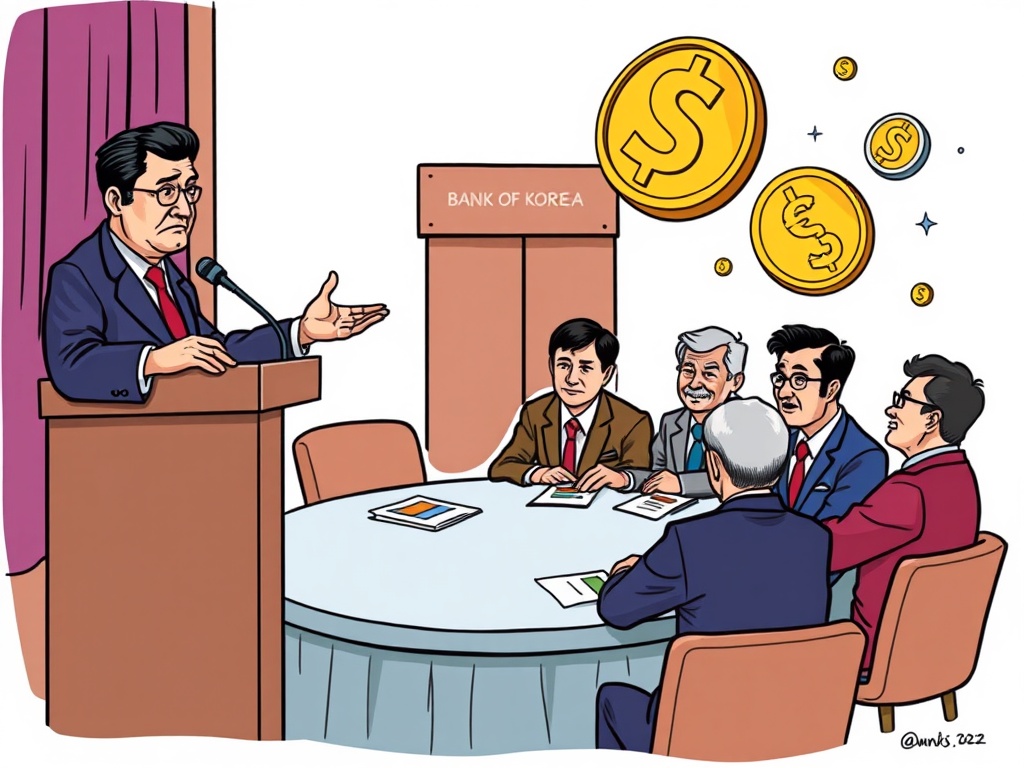
The financial world is buzzing with news from South Korea, where the Bank of Korea (BoK) is actively engaging in crucial discussions surrounding stablecoins with various government agencies. This development signals a significant step towards clarifying the regulatory landscape for digital assets in the nation.

Why Are Stablecoins a Hot Topic in Korea?

Stablecoins are a unique class of cryptocurrency designed to maintain a stable value, often pegged to a fiat currency like the US dollar or a commodity. Unlike volatile cryptocurrencies such as Bitcoin, their inherent stability makes them attractive for everyday transactions and remittances.

  • Globally, central banks and regulators are scrutinizing stablecoins due to their growing popularity.
  • They present both opportunities for financial innovation and potential risks to financial stability if not properly managed.
  • The Bank of Korea, therefore, is proactively addressing these complex issues to ensure a secure and efficient financial system.

Crucial Stablecoin Discussions: What’s on the Table?

On August 28, Bank of Korea Governor Rhee Chang-yong confirmed that the central bank is deeply involved in discussions with other relevant government bodies regarding stablecoin-related matters. This collaborative effort, as reported by iNews24, aims to develop a comprehensive framework.

Specifically, several key areas are under consideration:

  • Regulatory Clarity: A primary focus is establishing clear rules for issuing and operating stablecoins. This includes licensing requirements, capital reserves, and consumer protection measures.
  • Financial Stability: Agencies are examining how widespread adoption of stablecoins could impact Korea’s monetary policy and overall financial stability. They are also assessing potential systemic risks.
  • Consumer Protection: Safeguarding users from fraud, market manipulation, and potential issuer insolvency is a key concern. Discussions likely cover mechanisms to ensure transparency and accountability.
  • Innovation vs. Control: Finding a balance between fostering technological innovation in the crypto space and maintaining regulatory oversight is a delicate act.

The Potential Impact of Stablecoin Regulation in Korea

The outcome of these discussions could significantly shape Korea’s digital asset ecosystem. Robust regulation for stablecoins could bring several benefits to the market and its participants.

  • Increased Trust: Clear rules can boost public confidence in digital assets, potentially leading to broader adoption and integration into mainstream finance.
  • Economic Efficiency: Well-regulated stablecoins could facilitate faster and cheaper cross-border payments, benefiting businesses and individuals.
  • Market Maturation: A defined regulatory environment helps the market mature, attracting more institutional investors and legitimate businesses.

However, there are also challenges. Overly strict regulations might stifle innovation or push crypto activities offshore. Therefore, striking the right balance is paramount for the future of digital currency in Korea.

What Does This Mean for the Future of Digital Currency?

The Bank of Korea’s engagement in stablecoin discussions reflects a broader global trend where central banks are acknowledging the growing influence of digital assets. These conversations are not just about control; they are about understanding and integrating new financial technologies responsibly.

  • Actionable Insight: Businesses and individuals involved with cryptocurrencies in Korea should closely monitor these developments. Future policies could impact how stablecoins are used, traded, and regulated.
  • Global Context: Korea’s approach to stablecoins could set a precedent for other nations in Asia, influencing regional and international regulatory trends.

Ultimately, these ongoing dialogues aim to create a secure, innovative, and compliant environment for stablecoins within Korea’s financial system. The central bank’s proactive stance is a testament to its commitment to navigating the evolving digital finance landscape thoughtfully.

Conclusion:

The Bank of Korea’s active engagement with government agencies on stablecoins marks a pivotal moment for South Korea’s digital economy. These crucial discussions are laying the groundwork for a future where digital currencies can thrive responsibly, balancing innovation with essential regulatory oversight. As these conversations progress, the world watches to see how Korea will shape its approach to this transformative financial technology.

Frequently Asked Questions (FAQs)

Q1: What are stablecoins?
A1: Stablecoins are cryptocurrencies designed to minimize price volatility. They are typically pegged to a stable asset like a fiat currency (e.g., USD) or a commodity, aiming to maintain a consistent value.

Q2: Why is the Bank of Korea discussing stablecoins?
A2: The Bank of Korea is discussing stablecoins to address potential impacts on financial stability, ensure consumer protection, and establish a clear regulatory framework as these digital assets gain popularity.

Q3: Which government agencies are involved in these discussions?
A3: Bank of Korea Governor Rhee Chang-yong stated that the central bank is discussing stablecoin issues with ‘other relevant government agencies,’ indicating a collaborative, multi-agency approach.

Q4: What are the potential benefits of regulating stablecoins?
A4: Regulation can increase trust in digital assets, promote financial stability, enhance consumer protection, and potentially lead to more efficient cross-border payments, fostering market maturation.

Q5: How might these discussions affect cryptocurrency users in Korea?
A5: The outcome could introduce new rules for using, trading, and holding stablecoins, potentially affecting their accessibility, security, and the overall legal framework for digital asset activities in Korea.

Share Your Insights!

What are your thoughts on Korea’s approach to stablecoin regulation? Join the conversation and share this article with your network to spread awareness about these significant developments in the world of digital finance!

To learn more about the latest crypto market trends, explore our article on key developments shaping digital currencies institutional adoption.

This post Stablecoins: Bank of Korea Unveils Crucial Discussions with Government Agencies first appeared on BitcoinWorld and is written by Editorial Team

시장 기회
Gravity 로고
Gravity 가격(G)
$0.003713
$0.003713$0.003713
+2.25%
USD
Gravity (G) 실시간 가격 차트
면책 조항: 본 사이트에 재게시된 글들은 공개 플랫폼에서 가져온 것으로 정보 제공 목적으로만 제공됩니다. 이는 반드시 MEXC의 견해를 반영하는 것은 아닙니다. 모든 권리는 원저자에게 있습니다. 제3자의 권리를 침해하는 콘텐츠가 있다고 판단될 경우, crypto.news@mexc.com으로 연락하여 삭제 요청을 해주시기 바랍니다. MEXC는 콘텐츠의 정확성, 완전성 또는 시의적절성에 대해 어떠한 보증도 하지 않으며, 제공된 정보에 기반하여 취해진 어떠한 조치에 대해서도 책임을 지지 않습니다. 본 콘텐츠는 금융, 법률 또는 기타 전문적인 조언을 구성하지 않으며, MEXC의 추천이나 보증으로 간주되어서는 안 됩니다.

$30,000 in PRL + 15,000 USDT

$30,000 in PRL + 15,000 USDT$30,000 in PRL + 15,000 USDT

Deposit & trade PRL to boost your rewards!