BitcoinWorld Stablecoins: Nobel Laureate’s Dire Warning on Bailout Risk The world of digital finance often promises innovation and freedom, but what if a core component of this new economy harbors a hidden danger? A recent, compelling warning from Nobel laureate in economics Jean Tirole has cast a spotlight on stablecoins, suggesting they could trigger a financial crisis severe enough to necessitate a massive government bailout. This isn’t just academic speculation; it’s a stark reminder of the potential vulnerabilities within the rapidly evolving cryptocurrency market. Why Are Stablecoins a Cause for Such Alarm? Many retail investors perceive stablecoins as perfectly safe havens, akin to traditional bank deposits. This perception, however, masks a critical reality. Jean Tirole, in an interview with the Financial Times, highlighted that this assumption of safety creates a significant risk. If confidence in these digital assets were to erode, it could spark large-scale redemptions. Consequently, governments would face immense political pressure to intervene. The potential for widespread losses among everyday investors means a bailout becomes a highly likely, albeit undesirable, outcome. This situation underscores a fundamental challenge for the stability of stablecoins. The Troubling Truth About Stablecoin Reserves At the heart of Tirole’s concern lies the composition of stablecoin reserves. These reserves are meant to back the value of the stablecoin, ensuring it maintains its peg to a fiat currency like the U.S. dollar. While U.S. Treasurys are a popular choice for their perceived safety, their yields can often turn negative when accounting for inflation. This reality creates a strong incentive for issuers to chase higher returns. To achieve this, they often invest in riskier assets, inadvertently introducing volatility and instability into the very instruments designed to be stable. This practice directly compromises the integrity of stablecoins and their ability to withstand market shocks. Are Current Regulations Sufficient for Stablecoins? Market supervision could theoretically mitigate the risks associated with reserve management. However, Tirole argues that current regulations are simply insufficient. This isn’t due to a lack of understanding of the problem, but rather a complex web of political and financial conflicts of interest within the U.S. political establishment concerning cryptocurrency. Effective regulation requires clear, decisive action, which is currently hampered. Without robust oversight, the inherent risks of stablecoins remain largely unaddressed, leaving the door open for potential systemic issues. This regulatory vacuum poses a significant challenge for the future of digital finance. What Could a Stablecoin Bailout Mean for You? The prospect of a government bailout for stablecoins carries far-reaching implications. Such an event would not only be a massive financial undertaking, likely funded by taxpayers, but it could also severely damage public trust in the broader cryptocurrency ecosystem. Here’s what could happen: Taxpayer Burden: A bailout would divert public funds to rescue private entities, impacting national budgets. Market Instability: It could trigger wider panic in financial markets, affecting both traditional and digital assets. Regulatory Crackdown: Governments would likely impose much stricter regulations on all cryptocurrencies, potentially stifling innovation. Erosion of Trust: Investor confidence in digital assets, including stablecoins, could plummet, leading to a prolonged recovery period. Understanding these potential consequences highlights the urgent need for proactive measures rather than reactive bailouts. The Path Forward: Strengthening Stablecoin Stability The warnings from experts like Jean Tirole serve as a critical call to action. To prevent a future crisis, several steps are essential: Enhanced Transparency: Issuers of stablecoins must provide clear, real-time audits of their reserve holdings. Stricter Reserve Requirements: Regulations should mandate that reserves consist solely of highly liquid, low-risk assets. Unified Global Regulation: Given the borderless nature of cryptocurrencies, international cooperation on regulatory frameworks for stablecoins is vital. Investor Education: Educating retail investors about the true risks and mechanisms of stablecoins is paramount. By implementing these measures, we can work towards a more secure and resilient digital financial system, ensuring that stablecoins fulfill their promise of stability without posing a systemic risk. The dire warning about stablecoins from a Nobel laureate is not to be taken lightly. It underscores the critical need for robust regulation, transparency, and a clear understanding of the risks involved. While stablecoins offer significant potential for the future of finance, their underlying stability must be rigorously managed to prevent them from becoming a source of systemic financial distress and a burden on taxpayers. Proactive steps now can avert a crisis later, safeguarding both investors and the broader economy. Frequently Asked Questions (FAQs) Q1: What exactly are stablecoins? Stablecoins are a type of cryptocurrency designed to maintain a stable value, typically pegged to a fiat currency like the US dollar or a commodity like gold. They aim to combine the benefits of cryptocurrencies (like fast transactions and global reach) with the stability of traditional currencies. Q2: Why does a Nobel laureate warn about stablecoins? Nobel laureate Jean Tirole warns about stablecoins primarily due to concerns over their reserve composition and the public’s perception of them as risk-free. He fears that a loss of confidence could trigger massive redemptions, forcing governments to intervene with bailouts to protect retail investors. Q3: What are the main risks associated with stablecoins? The main risks include inadequate or risky reserve backing, lack of transparency in reserve audits, potential for large-scale redemptions if confidence is lost, and insufficient regulatory oversight. These factors can lead to a de-pegging event, where the stablecoin loses its intended value. Q4: How could a government bailout of stablecoins impact the economy? A government bailout for stablecoins could lead to significant taxpayer burdens, create widespread financial market instability, and erode public trust in both digital assets and financial institutions. It might also trigger more stringent, potentially stifling, regulations across the entire crypto sector. Q5: What measures can be taken to make stablecoins safer? To enhance the safety of stablecoins, measures such as mandating full transparency and regular audits of reserves, requiring reserves to be held in highly liquid and low-risk assets, establishing clear and comprehensive regulatory frameworks, and improving investor education are crucial. If you found this article insightful, consider sharing it with your network! Help us spread awareness about the critical discussions shaping the future of digital finance. Your shares make a difference in fostering a more informed community. To learn more about the latest crypto market trends, explore our article on key developments shaping stablecoins institutional adoption. This post Stablecoins: Nobel Laureate’s Dire Warning on Bailout Risk first appeared on BitcoinWorld and is written by Editorial TeamBitcoinWorld Stablecoins: Nobel Laureate’s Dire Warning on Bailout Risk The world of digital finance often promises innovation and freedom, but what if a core component of this new economy harbors a hidden danger? A recent, compelling warning from Nobel laureate in economics Jean Tirole has cast a spotlight on stablecoins, suggesting they could trigger a financial crisis severe enough to necessitate a massive government bailout. This isn’t just academic speculation; it’s a stark reminder of the potential vulnerabilities within the rapidly evolving cryptocurrency market. Why Are Stablecoins a Cause for Such Alarm? Many retail investors perceive stablecoins as perfectly safe havens, akin to traditional bank deposits. This perception, however, masks a critical reality. Jean Tirole, in an interview with the Financial Times, highlighted that this assumption of safety creates a significant risk. If confidence in these digital assets were to erode, it could spark large-scale redemptions. Consequently, governments would face immense political pressure to intervene. The potential for widespread losses among everyday investors means a bailout becomes a highly likely, albeit undesirable, outcome. This situation underscores a fundamental challenge for the stability of stablecoins. The Troubling Truth About Stablecoin Reserves At the heart of Tirole’s concern lies the composition of stablecoin reserves. These reserves are meant to back the value of the stablecoin, ensuring it maintains its peg to a fiat currency like the U.S. dollar. While U.S. Treasurys are a popular choice for their perceived safety, their yields can often turn negative when accounting for inflation. This reality creates a strong incentive for issuers to chase higher returns. To achieve this, they often invest in riskier assets, inadvertently introducing volatility and instability into the very instruments designed to be stable. This practice directly compromises the integrity of stablecoins and their ability to withstand market shocks. Are Current Regulations Sufficient for Stablecoins? Market supervision could theoretically mitigate the risks associated with reserve management. However, Tirole argues that current regulations are simply insufficient. This isn’t due to a lack of understanding of the problem, but rather a complex web of political and financial conflicts of interest within the U.S. political establishment concerning cryptocurrency. Effective regulation requires clear, decisive action, which is currently hampered. Without robust oversight, the inherent risks of stablecoins remain largely unaddressed, leaving the door open for potential systemic issues. This regulatory vacuum poses a significant challenge for the future of digital finance. What Could a Stablecoin Bailout Mean for You? The prospect of a government bailout for stablecoins carries far-reaching implications. Such an event would not only be a massive financial undertaking, likely funded by taxpayers, but it could also severely damage public trust in the broader cryptocurrency ecosystem. Here’s what could happen: Taxpayer Burden: A bailout would divert public funds to rescue private entities, impacting national budgets. Market Instability: It could trigger wider panic in financial markets, affecting both traditional and digital assets. Regulatory Crackdown: Governments would likely impose much stricter regulations on all cryptocurrencies, potentially stifling innovation. Erosion of Trust: Investor confidence in digital assets, including stablecoins, could plummet, leading to a prolonged recovery period. Understanding these potential consequences highlights the urgent need for proactive measures rather than reactive bailouts. The Path Forward: Strengthening Stablecoin Stability The warnings from experts like Jean Tirole serve as a critical call to action. To prevent a future crisis, several steps are essential: Enhanced Transparency: Issuers of stablecoins must provide clear, real-time audits of their reserve holdings. Stricter Reserve Requirements: Regulations should mandate that reserves consist solely of highly liquid, low-risk assets. Unified Global Regulation: Given the borderless nature of cryptocurrencies, international cooperation on regulatory frameworks for stablecoins is vital. Investor Education: Educating retail investors about the true risks and mechanisms of stablecoins is paramount. By implementing these measures, we can work towards a more secure and resilient digital financial system, ensuring that stablecoins fulfill their promise of stability without posing a systemic risk. The dire warning about stablecoins from a Nobel laureate is not to be taken lightly. It underscores the critical need for robust regulation, transparency, and a clear understanding of the risks involved. While stablecoins offer significant potential for the future of finance, their underlying stability must be rigorously managed to prevent them from becoming a source of systemic financial distress and a burden on taxpayers. Proactive steps now can avert a crisis later, safeguarding both investors and the broader economy. Frequently Asked Questions (FAQs) Q1: What exactly are stablecoins? Stablecoins are a type of cryptocurrency designed to maintain a stable value, typically pegged to a fiat currency like the US dollar or a commodity like gold. They aim to combine the benefits of cryptocurrencies (like fast transactions and global reach) with the stability of traditional currencies. Q2: Why does a Nobel laureate warn about stablecoins? Nobel laureate Jean Tirole warns about stablecoins primarily due to concerns over their reserve composition and the public’s perception of them as risk-free. He fears that a loss of confidence could trigger massive redemptions, forcing governments to intervene with bailouts to protect retail investors. Q3: What are the main risks associated with stablecoins? The main risks include inadequate or risky reserve backing, lack of transparency in reserve audits, potential for large-scale redemptions if confidence is lost, and insufficient regulatory oversight. These factors can lead to a de-pegging event, where the stablecoin loses its intended value. Q4: How could a government bailout of stablecoins impact the economy? A government bailout for stablecoins could lead to significant taxpayer burdens, create widespread financial market instability, and erode public trust in both digital assets and financial institutions. It might also trigger more stringent, potentially stifling, regulations across the entire crypto sector. Q5: What measures can be taken to make stablecoins safer? To enhance the safety of stablecoins, measures such as mandating full transparency and regular audits of reserves, requiring reserves to be held in highly liquid and low-risk assets, establishing clear and comprehensive regulatory frameworks, and improving investor education are crucial. If you found this article insightful, consider sharing it with your network! Help us spread awareness about the critical discussions shaping the future of digital finance. Your shares make a difference in fostering a more informed community. To learn more about the latest crypto market trends, explore our article on key developments shaping stablecoins institutional adoption. This post Stablecoins: Nobel Laureate’s Dire Warning on Bailout Risk first appeared on BitcoinWorld and is written by Editorial Team


Stablecoins: Nobel Laureate’s Dire Warning on Bailout Risk

2025/09/01 23:25
6분 읽기
이 콘텐츠에 대한 의견이나 우려 사항이 있으시면 crypto.news@mexc.com으로 연락주시기 바랍니다

BitcoinWorld

Stablecoins: Nobel Laureate’s Dire Warning on Bailout Risk

The world of digital finance often promises innovation and freedom, but what if a core component of this new economy harbors a hidden danger? A recent, compelling warning from Nobel laureate in economics Jean Tirole has cast a spotlight on stablecoins, suggesting they could trigger a financial crisis severe enough to necessitate a massive government bailout. This isn’t just academic speculation; it’s a stark reminder of the potential vulnerabilities within the rapidly evolving cryptocurrency market.

Why Are Stablecoins a Cause for Such Alarm?

Many retail investors perceive stablecoins as perfectly safe havens, akin to traditional bank deposits. This perception, however, masks a critical reality. Jean Tirole, in an interview with the Financial Times, highlighted that this assumption of safety creates a significant risk. If confidence in these digital assets were to erode, it could spark large-scale redemptions.

Consequently, governments would face immense political pressure to intervene. The potential for widespread losses among everyday investors means a bailout becomes a highly likely, albeit undesirable, outcome. This situation underscores a fundamental challenge for the stability of stablecoins.

The Troubling Truth About Stablecoin Reserves

At the heart of Tirole’s concern lies the composition of stablecoin reserves. These reserves are meant to back the value of the stablecoin, ensuring it maintains its peg to a fiat currency like the U.S. dollar. While U.S. Treasurys are a popular choice for their perceived safety, their yields can often turn negative when accounting for inflation.

This reality creates a strong incentive for issuers to chase higher returns. To achieve this, they often invest in riskier assets, inadvertently introducing volatility and instability into the very instruments designed to be stable. This practice directly compromises the integrity of stablecoins and their ability to withstand market shocks.

Are Current Regulations Sufficient for Stablecoins?

Market supervision could theoretically mitigate the risks associated with reserve management. However, Tirole argues that current regulations are simply insufficient. This isn’t due to a lack of understanding of the problem, but rather a complex web of political and financial conflicts of interest within the U.S. political establishment concerning cryptocurrency.

Effective regulation requires clear, decisive action, which is currently hampered. Without robust oversight, the inherent risks of stablecoins remain largely unaddressed, leaving the door open for potential systemic issues. This regulatory vacuum poses a significant challenge for the future of digital finance.

What Could a Stablecoin Bailout Mean for You?

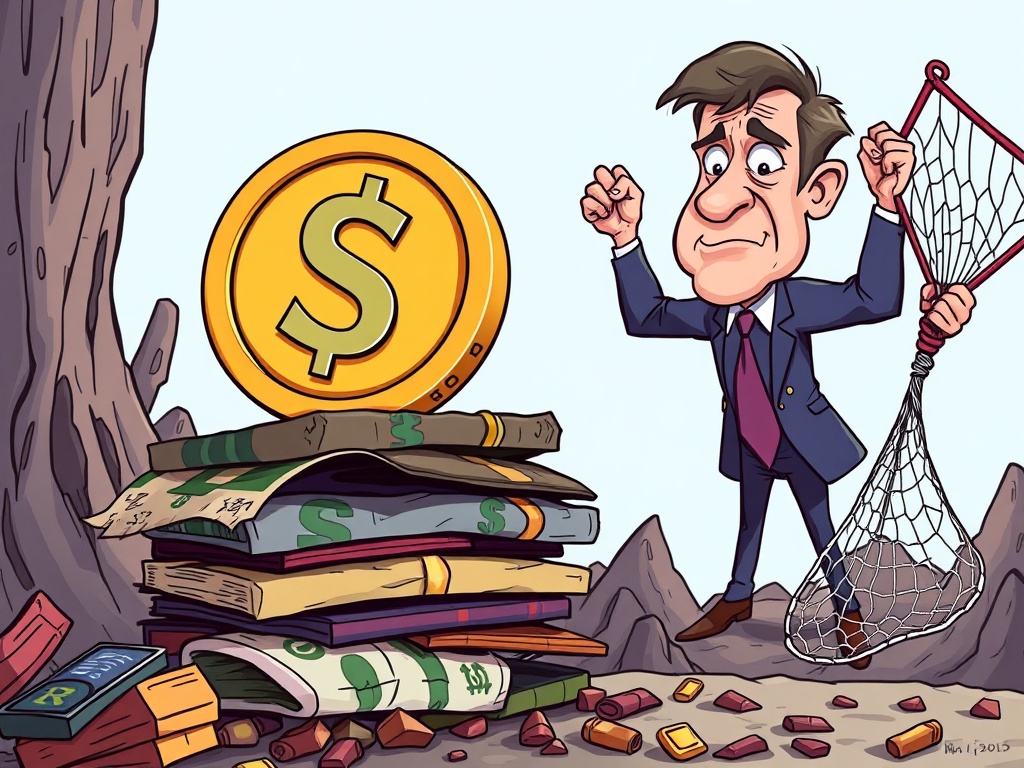
The prospect of a government bailout for stablecoins carries far-reaching implications. Such an event would not only be a massive financial undertaking, likely funded by taxpayers, but it could also severely damage public trust in the broader cryptocurrency ecosystem. Here’s what could happen:

  • Taxpayer Burden: A bailout would divert public funds to rescue private entities, impacting national budgets.
  • Market Instability: It could trigger wider panic in financial markets, affecting both traditional and digital assets.
  • Regulatory Crackdown: Governments would likely impose much stricter regulations on all cryptocurrencies, potentially stifling innovation.
  • Erosion of Trust: Investor confidence in digital assets, including stablecoins, could plummet, leading to a prolonged recovery period.

Understanding these potential consequences highlights the urgent need for proactive measures rather than reactive bailouts.

The Path Forward: Strengthening Stablecoin Stability

The warnings from experts like Jean Tirole serve as a critical call to action. To prevent a future crisis, several steps are essential:

  • Enhanced Transparency: Issuers of stablecoins must provide clear, real-time audits of their reserve holdings.
  • Stricter Reserve Requirements: Regulations should mandate that reserves consist solely of highly liquid, low-risk assets.
  • Unified Global Regulation: Given the borderless nature of cryptocurrencies, international cooperation on regulatory frameworks for stablecoins is vital.
  • Investor Education: Educating retail investors about the true risks and mechanisms of stablecoins is paramount.

By implementing these measures, we can work towards a more secure and resilient digital financial system, ensuring that stablecoins fulfill their promise of stability without posing a systemic risk.

The dire warning about stablecoins from a Nobel laureate is not to be taken lightly. It underscores the critical need for robust regulation, transparency, and a clear understanding of the risks involved. While stablecoins offer significant potential for the future of finance, their underlying stability must be rigorously managed to prevent them from becoming a source of systemic financial distress and a burden on taxpayers. Proactive steps now can avert a crisis later, safeguarding both investors and the broader economy.

Frequently Asked Questions (FAQs)

Q1: What exactly are stablecoins?

Stablecoins are a type of cryptocurrency designed to maintain a stable value, typically pegged to a fiat currency like the US dollar or a commodity like gold. They aim to combine the benefits of cryptocurrencies (like fast transactions and global reach) with the stability of traditional currencies.

Q2: Why does a Nobel laureate warn about stablecoins?

Nobel laureate Jean Tirole warns about stablecoins primarily due to concerns over their reserve composition and the public’s perception of them as risk-free. He fears that a loss of confidence could trigger massive redemptions, forcing governments to intervene with bailouts to protect retail investors.

Q3: What are the main risks associated with stablecoins?

The main risks include inadequate or risky reserve backing, lack of transparency in reserve audits, potential for large-scale redemptions if confidence is lost, and insufficient regulatory oversight. These factors can lead to a de-pegging event, where the stablecoin loses its intended value.

Q4: How could a government bailout of stablecoins impact the economy?

A government bailout for stablecoins could lead to significant taxpayer burdens, create widespread financial market instability, and erode public trust in both digital assets and financial institutions. It might also trigger more stringent, potentially stifling, regulations across the entire crypto sector.

Q5: What measures can be taken to make stablecoins safer?

To enhance the safety of stablecoins, measures such as mandating full transparency and regular audits of reserves, requiring reserves to be held in highly liquid and low-risk assets, establishing clear and comprehensive regulatory frameworks, and improving investor education are crucial.

If you found this article insightful, consider sharing it with your network! Help us spread awareness about the critical discussions shaping the future of digital finance. Your shares make a difference in fostering a more informed community.

To learn more about the latest crypto market trends, explore our article on key developments shaping stablecoins institutional adoption.

This post Stablecoins: Nobel Laureate’s Dire Warning on Bailout Risk first appeared on BitcoinWorld and is written by Editorial Team

시장 기회
스레숄드 로고
스레숄드 가격(T)
$0.006164
$0.006164$0.006164
-2.12%
USD
스레숄드 (T) 실시간 가격 차트
면책 조항: 본 사이트에 재게시된 글들은 공개 플랫폼에서 가져온 것으로 정보 제공 목적으로만 제공됩니다. 이는 반드시 MEXC의 견해를 반영하는 것은 아닙니다. 모든 권리는 원저자에게 있습니다. 제3자의 권리를 침해하는 콘텐츠가 있다고 판단될 경우, crypto.news@mexc.com으로 연락하여 삭제 요청을 해주시기 바랍니다. MEXC는 콘텐츠의 정확성, 완전성 또는 시의적절성에 대해 어떠한 보증도 하지 않으며, 제공된 정보에 기반하여 취해진 어떠한 조치에 대해서도 책임을 지지 않습니다. 본 콘텐츠는 금융, 법률 또는 기타 전문적인 조언을 구성하지 않으며, MEXC의 추천이나 보증으로 간주되어서는 안 됩니다.

$30,000 in PRL + 15,000 USDT

$30,000 in PRL + 15,000 USDT$30,000 in PRL + 15,000 USDT

Deposit & trade PRL to boost your rewards!