El Salvador, the world’s first nation to adopt Bitcoin as legal tender, has moved to strengthen the security of its national cryptocurrency reserve amid growing concerns over the threat posed by quantum computing. On Friday, the National Bitcoin Office announced that it had split the country’s holdings, currently 6,284 BTC valued at more than $682 million, into 14 separate addresses. Until now, the government’s Bitcoin treasury had been stored in a single address, a practice often criticized by security experts for exposing public keys to potential long-term vulnerabilities. El Salvador Unveils Public Dashboard for Bitcoin Reserves After Redistribution The office, which operates under the direction of pro-Bitcoin President Nayib Bukele, said the redistribution was part of a broader initiative to enhance the long-term safety of El Salvador’s “National Strategic Bitcoin Reserve.” Officials emphasized that the move aligns with best practices in Bitcoin custody and also reflects preparations for the looming security risks posed by advancements in quantum computing. Quantum computers, unlike traditional machines that process data in binary 0s and 1s, use “qubits,” which can exist in multiple states simultaneously. This allows them to process vast amounts of data at unprecedented speeds. For Bitcoin, the concern centers on Shor’s algorithm, a mathematical technique demonstrated in 1999 that, if deployed on a sufficiently powerful quantum computer, could break the elliptic curve cryptography (ECDSA) securing Bitcoin’s public and private keys. The threat is particularly acute for addresses whose public keys have already been revealed through transactions. Once a Bitcoin transaction is broadcast, the public key becomes visible on the blockchain, theoretically giving a quantum adversary the ability to calculate the private key and redirect funds before a transaction confirms.Source: Bitcoin Office By splitting funds across multiple unused addresses, each holding no more than 500 BTC, El Salvador has reduced the potential fallout of a future quantum attack. An unused Bitcoin address, whose public key remains hidden, is significantly less exposed. The government said it would maintain transparency through a new public dashboard cataloging all reserve addresses, preserving visibility without relying on a single wallet. Up to 7M BTC Vulnerable to Quantum Attacks, Researchers Say The decision reflects rising urgency in the broader crypto sector regarding quantum threats. Cybersecurity specialists estimate that around 30% of Bitcoin’s circulating supply, roughly 6 to 7 million BTC, remains vulnerable in older address formats that directly expose public keys. Researchers from Deloitte have suggested that as much as a quarter of all Bitcoin could eventually be at risk if quantum machines mature faster than expected. Warnings from industry veterans have also intensified. In July, David Carvalho, CEO of Naoris Protocol and a former ethical hacker, cautioned that adversaries may already be harvesting blockchain data under a “harvest now, decrypt later” strategy, storing encrypted records today in anticipation of decrypting them with future quantum tools. He suggested that such capabilities may emerge within years rather than decades, contradicting more conservative estimates placing “Q-day” between 2027 and the mid-2030s. The security overhaul also comes as quantum research accelerates worldwide. Tech giants including IBM, Google, and Microsoft are pushing toward quantum processors with millions of qubits, a development that could dramatically shorten the timeline for breaking existing encryption standards. U.S. federal agencies such as the National Institute of Standards and Technology (NIST) have been calling for adoption of quantum-resistant algorithms since 2022. Financial institutions have begun acknowledging the risks. BlackRock has highlighted quantum computing in filings for its Bitcoin ETF, while Tether CEO Paolo Ardoino has also warned about the potential exposure of inactive Bitcoin wallets. Bukele’s Daily Bitcoin Buy Claims Contradicted by IMF Review El Salvador’s embrace of Bitcoin continues to evolve on multiple fronts, though recent disclosures suggest a more measured approach than President Nayib Bukele has long projected. On July 15, the International Monetary Fund (IMF) released its first formal review of El Salvador’s Bitcoin program since approving a $1.4 billion loan in December 2024. The report contradicted Bukele’s public claims of buying one Bitcoin per day, revealing that no new acquisitions have been made since February 2025. Central Bank President Douglas Pablo Rodríguez Fuentes and Finance Minister Jerson Rogelio Posada Molina confirmed in a signed letter that “the stock of Bitcoins held by the public sector remains unchanged.” On-chain movements observed in recent months, the IMF clarified, were internal transfers between hot and cold wallets, not fresh purchases. Assets gained through seizures or reallocations were similarly excluded from state-backed buys. The IMF praised the government’s pivot, calling the changes an important step toward reducing fiscal risk and improving transparency. Among the reforms is a gradual withdrawal from public management of Bitcoin-related services. The Chivo wallet, once promoted as a flagship adoption tool, will be privatized and removed from government oversight by July 2025. Officials say this shift reduces strain on public finances while keeping the wallet operational under private control. At the same time, El Salvador continues to position itself as a symbolic leader in Bitcoin adoption. In August, the government launched “What is Money?”, a financial literacy program aimed at children as young as seven. It also announced Bitcoin Histórico, a global summit framed as both a celebration of monetary sovereignty and a milestone in digital transformationEl Salvador, the world’s first nation to adopt Bitcoin as legal tender, has moved to strengthen the security of its national cryptocurrency reserve amid growing concerns over the threat posed by quantum computing. On Friday, the National Bitcoin Office announced that it had split the country’s holdings, currently 6,284 BTC valued at more than $682 million, into 14 separate addresses. Until now, the government’s Bitcoin treasury had been stored in a single address, a practice often criticized by security experts for exposing public keys to potential long-term vulnerabilities. El Salvador Unveils Public Dashboard for Bitcoin Reserves After Redistribution The office, which operates under the direction of pro-Bitcoin President Nayib Bukele, said the redistribution was part of a broader initiative to enhance the long-term safety of El Salvador’s “National Strategic Bitcoin Reserve.” Officials emphasized that the move aligns with best practices in Bitcoin custody and also reflects preparations for the looming security risks posed by advancements in quantum computing. Quantum computers, unlike traditional machines that process data in binary 0s and 1s, use “qubits,” which can exist in multiple states simultaneously. This allows them to process vast amounts of data at unprecedented speeds. For Bitcoin, the concern centers on Shor’s algorithm, a mathematical technique demonstrated in 1999 that, if deployed on a sufficiently powerful quantum computer, could break the elliptic curve cryptography (ECDSA) securing Bitcoin’s public and private keys. The threat is particularly acute for addresses whose public keys have already been revealed through transactions. Once a Bitcoin transaction is broadcast, the public key becomes visible on the blockchain, theoretically giving a quantum adversary the ability to calculate the private key and redirect funds before a transaction confirms.Source: Bitcoin Office By splitting funds across multiple unused addresses, each holding no more than 500 BTC, El Salvador has reduced the potential fallout of a future quantum attack. An unused Bitcoin address, whose public key remains hidden, is significantly less exposed. The government said it would maintain transparency through a new public dashboard cataloging all reserve addresses, preserving visibility without relying on a single wallet. Up to 7M BTC Vulnerable to Quantum Attacks, Researchers Say The decision reflects rising urgency in the broader crypto sector regarding quantum threats. Cybersecurity specialists estimate that around 30% of Bitcoin’s circulating supply, roughly 6 to 7 million BTC, remains vulnerable in older address formats that directly expose public keys. Researchers from Deloitte have suggested that as much as a quarter of all Bitcoin could eventually be at risk if quantum machines mature faster than expected. Warnings from industry veterans have also intensified. In July, David Carvalho, CEO of Naoris Protocol and a former ethical hacker, cautioned that adversaries may already be harvesting blockchain data under a “harvest now, decrypt later” strategy, storing encrypted records today in anticipation of decrypting them with future quantum tools. He suggested that such capabilities may emerge within years rather than decades, contradicting more conservative estimates placing “Q-day” between 2027 and the mid-2030s. The security overhaul also comes as quantum research accelerates worldwide. Tech giants including IBM, Google, and Microsoft are pushing toward quantum processors with millions of qubits, a development that could dramatically shorten the timeline for breaking existing encryption standards. U.S. federal agencies such as the National Institute of Standards and Technology (NIST) have been calling for adoption of quantum-resistant algorithms since 2022. Financial institutions have begun acknowledging the risks. BlackRock has highlighted quantum computing in filings for its Bitcoin ETF, while Tether CEO Paolo Ardoino has also warned about the potential exposure of inactive Bitcoin wallets. Bukele’s Daily Bitcoin Buy Claims Contradicted by IMF Review El Salvador’s embrace of Bitcoin continues to evolve on multiple fronts, though recent disclosures suggest a more measured approach than President Nayib Bukele has long projected. On July 15, the International Monetary Fund (IMF) released its first formal review of El Salvador’s Bitcoin program since approving a $1.4 billion loan in December 2024. The report contradicted Bukele’s public claims of buying one Bitcoin per day, revealing that no new acquisitions have been made since February 2025. Central Bank President Douglas Pablo Rodríguez Fuentes and Finance Minister Jerson Rogelio Posada Molina confirmed in a signed letter that “the stock of Bitcoins held by the public sector remains unchanged.” On-chain movements observed in recent months, the IMF clarified, were internal transfers between hot and cold wallets, not fresh purchases. Assets gained through seizures or reallocations were similarly excluded from state-backed buys. The IMF praised the government’s pivot, calling the changes an important step toward reducing fiscal risk and improving transparency. Among the reforms is a gradual withdrawal from public management of Bitcoin-related services. The Chivo wallet, once promoted as a flagship adoption tool, will be privatized and removed from government oversight by July 2025. Officials say this shift reduces strain on public finances while keeping the wallet operational under private control. At the same time, El Salvador continues to position itself as a symbolic leader in Bitcoin adoption. In August, the government launched “What is Money?”, a financial literacy program aimed at children as young as seven. It also announced Bitcoin Histórico, a global summit framed as both a celebration of monetary sovereignty and a milestone in digital transformation

El Salvador Fortifies Bitcoin Treasury Amid Quantum Threat Fears — Is This a Warning?

2025/09/02 06:14
5분 읽기
이 콘텐츠에 대한 의견이나 우려 사항이 있으시면 crypto.news@mexc.com으로 연락주시기 바랍니다

El Salvador, the world’s first nation to adopt Bitcoin as legal tender, has moved to strengthen the security of its national cryptocurrency reserve amid growing concerns over the threat posed by quantum computing.

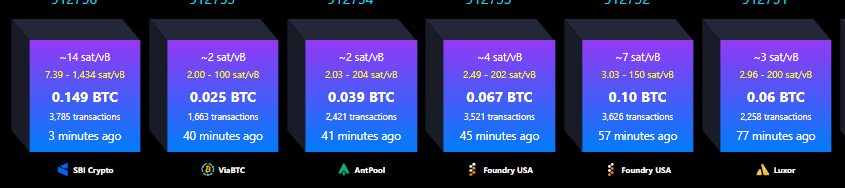
On Friday, the National Bitcoin Office announced that it had split the country’s holdings, currently 6,284 BTC valued at more than $682 million, into 14 separate addresses.

Until now, the government’s Bitcoin treasury had been stored in a single address, a practice often criticized by security experts for exposing public keys to potential long-term vulnerabilities.

El Salvador Unveils Public Dashboard for Bitcoin Reserves After Redistribution

The office, which operates under the direction of pro-Bitcoin President Nayib Bukele, said the redistribution was part of a broader initiative to enhance the long-term safety of El Salvador’s “National Strategic Bitcoin Reserve.”

Officials emphasized that the move aligns with best practices in Bitcoin custody and also reflects preparations for the looming security risks posed by advancements in quantum computing.

Quantum computers, unlike traditional machines that process data in binary 0s and 1s, use “qubits,” which can exist in multiple states simultaneously. This allows them to process vast amounts of data at unprecedented speeds.

For Bitcoin, the concern centers on Shor’s algorithm, a mathematical technique demonstrated in 1999 that, if deployed on a sufficiently powerful quantum computer, could break the elliptic curve cryptography (ECDSA) securing Bitcoin’s public and private keys.

The threat is particularly acute for addresses whose public keys have already been revealed through transactions.

Once a Bitcoin transaction is broadcast, the public key becomes visible on the blockchain, theoretically giving a quantum adversary the ability to calculate the private key and redirect funds before a transaction confirms.
Source: Bitcoin Office

By splitting funds across multiple unused addresses, each holding no more than 500 BTC, El Salvador has reduced the potential fallout of a future quantum attack. An unused Bitcoin address, whose public key remains hidden, is significantly less exposed.

The government said it would maintain transparency through a new public dashboard cataloging all reserve addresses, preserving visibility without relying on a single wallet.

Up to 7M BTC Vulnerable to Quantum Attacks, Researchers Say

The decision reflects rising urgency in the broader crypto sector regarding quantum threats. Cybersecurity specialists estimate that around 30% of Bitcoin’s circulating supply, roughly 6 to 7 million BTC, remains vulnerable in older address formats that directly expose public keys.

Researchers from Deloitte have suggested that as much as a quarter of all Bitcoin could eventually be at risk if quantum machines mature faster than expected.

Warnings from industry veterans have also intensified. In July, David Carvalho, CEO of Naoris Protocol and a former ethical hacker, cautioned that adversaries may already be harvesting blockchain data under a “harvest now, decrypt later” strategy, storing encrypted records today in anticipation of decrypting them with future quantum tools.

He suggested that such capabilities may emerge within years rather than decades, contradicting more conservative estimates placing “Q-day” between 2027 and the mid-2030s.

The security overhaul also comes as quantum research accelerates worldwide. Tech giants including IBM, Google, and Microsoft are pushing toward quantum processors with millions of qubits, a development that could dramatically shorten the timeline for breaking existing encryption standards.

U.S. federal agencies such as the National Institute of Standards and Technology (NIST) have been calling for adoption of quantum-resistant algorithms since 2022.

Financial institutions have begun acknowledging the risks. BlackRock has highlighted quantum computing in filings for its Bitcoin ETF, while Tether CEO Paolo Ardoino has also warned about the potential exposure of inactive Bitcoin wallets.

Bukele’s Daily Bitcoin Buy Claims Contradicted by IMF Review

El Salvador’s embrace of Bitcoin continues to evolve on multiple fronts, though recent disclosures suggest a more measured approach than President Nayib Bukele has long projected.

On July 15, the International Monetary Fund (IMF) released its first formal review of El Salvador’s Bitcoin program since approving a $1.4 billion loan in December 2024.

The report contradicted Bukele’s public claims of buying one Bitcoin per day, revealing that no new acquisitions have been made since February 2025.

Central Bank President Douglas Pablo Rodríguez Fuentes and Finance Minister Jerson Rogelio Posada Molina confirmed in a signed letter that “the stock of Bitcoins held by the public sector remains unchanged.”

On-chain movements observed in recent months, the IMF clarified, were internal transfers between hot and cold wallets, not fresh purchases. Assets gained through seizures or reallocations were similarly excluded from state-backed buys.

The IMF praised the government’s pivot, calling the changes an important step toward reducing fiscal risk and improving transparency. Among the reforms is a gradual withdrawal from public management of Bitcoin-related services.

The Chivo wallet, once promoted as a flagship adoption tool, will be privatized and removed from government oversight by July 2025. Officials say this shift reduces strain on public finances while keeping the wallet operational under private control.

At the same time, El Salvador continues to position itself as a symbolic leader in Bitcoin adoption.

In August, the government launched “What is Money?”, a financial literacy program aimed at children as young as seven.

It also announced Bitcoin Histórico, a global summit framed as both a celebration of monetary sovereignty and a milestone in digital transformation.


시장 기회
엘리시아 로고
엘리시아 가격(EL)
$0.001822
$0.001822$0.001822
+0.16%
USD
엘리시아 (EL) 실시간 가격 차트
면책 조항: 본 사이트에 재게시된 글들은 공개 플랫폼에서 가져온 것으로 정보 제공 목적으로만 제공됩니다. 이는 반드시 MEXC의 견해를 반영하는 것은 아닙니다. 모든 권리는 원저자에게 있습니다. 제3자의 권리를 침해하는 콘텐츠가 있다고 판단될 경우, crypto.news@mexc.com으로 연락하여 삭제 요청을 해주시기 바랍니다. MEXC는 콘텐츠의 정확성, 완전성 또는 시의적절성에 대해 어떠한 보증도 하지 않으며, 제공된 정보에 기반하여 취해진 어떠한 조치에 대해서도 책임을 지지 않습니다. 본 콘텐츠는 금융, 법률 또는 기타 전문적인 조언을 구성하지 않으며, MEXC의 추천이나 보증으로 간주되어서는 안 됩니다.

추천 콘텐츠

Lovable AI’s Astonishing Rise: Anton Osika Reveals Startup Secrets at Bitcoin World Disrupt 2025

Lovable AI’s Astonishing Rise: Anton Osika Reveals Startup Secrets at Bitcoin World Disrupt 2025

BitcoinWorld Lovable AI’s Astonishing Rise: Anton Osika Reveals Startup Secrets at Bitcoin World Disrupt 2025 Are you ready to witness a phenomenon? The world of technology is abuzz with the incredible rise of Lovable AI, a startup that’s not just breaking records but rewriting the rulebook for rapid growth. Imagine creating powerful apps and websites just by speaking to an AI – that’s the magic Lovable brings to the masses. This groundbreaking approach has propelled the company into the spotlight, making it one of the fastest-growing software firms in history. And now, the visionary behind this sensation, co-founder and CEO Anton Osika, is set to share his invaluable insights on the Disrupt Stage at the highly anticipated Bitcoin World Disrupt 2025. If you’re a founder, investor, or tech enthusiast eager to understand the future of innovation, this is an event you cannot afford to miss. Lovable AI’s Meteoric Ascent: Redefining Software Creation In an era where digital transformation is paramount, Lovable AI has emerged as a true game-changer. Its core premise is deceptively simple yet profoundly impactful: democratize software creation. By enabling anyone to build applications and websites through intuitive AI conversations, Lovable is empowering the vast majority of individuals who lack coding skills to transform their ideas into tangible digital products. This mission has resonated globally, leading to unprecedented momentum. The numbers speak for themselves: Achieved an astonishing $100 million Annual Recurring Revenue (ARR) in less than a year. Successfully raised a $200 million Series A funding round, valuing the company at $1.8 billion, led by industry giant Accel. Is currently fielding unsolicited investor offers, pushing its valuation towards an incredible $4 billion. As industry reports suggest, investors are unequivocally “loving Lovable,” and it’s clear why. This isn’t just about impressive financial metrics; it’s about a company that has tapped into a fundamental need, offering a solution that is both innovative and accessible. The rapid scaling of Lovable AI provides a compelling case study for any entrepreneur aiming for similar exponential growth. The Visionary Behind the Hype: Anton Osika’s Journey to Innovation Every groundbreaking company has a driving force, and for Lovable, that force is co-founder and CEO Anton Osika. His journey is as fascinating as his company’s success. A physicist by training, Osika previously contributed to the cutting-edge research at CERN, the European Organization for Nuclear Research. This deep technical background, combined with his entrepreneurial spirit, has been instrumental in Lovable’s rapid ascent. Before Lovable, he honed his skills as a co-founder of Depict.ai and a Founding Engineer at Sana. Based in Stockholm, Osika has masterfully steered Lovable from a nascent idea to a global phenomenon in record time. His leadership embodies a unique blend of profound technical understanding and a keen, consumer-first vision. At Bitcoin World Disrupt 2025, attendees will have the rare opportunity to hear directly from Osika about what it truly takes to build a brand that not only scales at an incredible pace in a fiercely competitive market but also adeptly manages the intense cultural conversations that inevitably accompany such swift and significant success. His insights will be crucial for anyone looking to understand the dynamics of high-growth tech leadership. Unpacking Consumer Tech Innovation at Bitcoin World Disrupt 2025 The 20th anniversary of Bitcoin World is set to be marked by a truly special event: Bitcoin World Disrupt 2025. From October 27–29, Moscone West in San Francisco will transform into the epicenter of innovation, gathering over 10,000 founders, investors, and tech leaders. It’s the ideal platform to explore the future of consumer tech innovation, and Anton Osika’s presence on the Disrupt Stage is a highlight. His session will delve into how Lovable is not just participating in but actively shaping the next wave of consumer-facing technologies. Why is this session particularly relevant for those interested in the future of consumer experiences? Osika’s discussion will go beyond the superficial, offering a deep dive into the strategies that have allowed Lovable to carve out a unique category in a market long thought to be saturated. Attendees will gain a front-row seat to understanding how to identify unmet consumer needs, leverage advanced AI to meet those needs, and build a product that captivates users globally. The event itself promises a rich tapestry of ideas and networking opportunities: For Founders: Sharpen your pitch and connect with potential investors. For Investors: Discover the next breakout startup poised for massive growth. For Innovators: Claim your spot at the forefront of technological advancements. The insights shared regarding consumer tech innovation at this event will be invaluable for anyone looking to navigate the complexities and capitalize on the opportunities within this dynamic sector. Mastering Startup Growth Strategies: A Blueprint for the Future Lovable’s journey isn’t just another startup success story; it’s a meticulously crafted blueprint for effective startup growth strategies in the modern era. Anton Osika’s experience offers a rare glimpse into the practicalities of scaling a business at breakneck speed while maintaining product integrity and managing external pressures. For entrepreneurs and aspiring tech leaders, his talk will serve as a masterclass in several critical areas: Strategy Focus Key Takeaways from Lovable’s Journey Rapid Scaling How to build infrastructure and teams that support exponential user and revenue growth without compromising quality. Product-Market Fit Identifying a significant, underserved market (the 99% who can’t code) and developing a truly innovative solution (AI-powered app creation). Investor Relations Balancing intense investor interest and pressure with a steadfast focus on product development and long-term vision. Category Creation Carving out an entirely new niche by democratizing complex technologies, rather than competing in existing crowded markets. Understanding these startup growth strategies is essential for anyone aiming to build a resilient and impactful consumer experience. Osika’s session will provide actionable insights into how to replicate elements of Lovable’s success, offering guidance on navigating challenges from product development to market penetration and investor management. Conclusion: Seize the Future of Tech The story of Lovable, under the astute leadership of Anton Osika, is a testament to the power of innovative ideas meeting flawless execution. Their remarkable journey from concept to a multi-billion-dollar valuation in record time is a compelling narrative for anyone interested in the future of technology. By democratizing software creation through Lovable AI, they are not just building a company; they are fostering a new generation of creators. His appearance at Bitcoin World Disrupt 2025 is an unmissable opportunity to gain direct insights from a leader who is truly shaping the landscape of consumer tech innovation. Don’t miss this chance to learn about cutting-edge startup growth strategies and secure your front-row seat to the future. Register now and save up to $668 before Regular Bird rates end on September 26. To learn more about the latest AI market trends, explore our article on key developments shaping AI features. This post Lovable AI’s Astonishing Rise: Anton Osika Reveals Startup Secrets at Bitcoin World Disrupt 2025 first appeared on BitcoinWorld.
공유하기
Coinstats2025/09/17 23:40
The Nationwide Tug-of-War over Prediction Markets

The Nationwide Tug-of-War over Prediction Markets

The post The Nationwide Tug-of-War over Prediction Markets appeared on BitcoinEthereumNews.com. A contentious legal battle in the United States over the classification

공유하기
BitcoinEthereumNews2026/04/09 17:42
BlackRock Moves 2,000 BTC to Coinbase, Making YIMiner a New Daily Returns Option

BlackRock Moves 2,000 BTC to Coinbase, Making YIMiner a New Daily Returns Option

Recently, BlackRock, the world’s largest asset management company, transferred 2,000 bitcoins to Coinbase, a move that has sparked widespread discussion in the
공유하기
Techbullion2026/04/02 21:50

$30,000 in PRL + 15,000 USDT

$30,000 in PRL + 15,000 USDT$30,000 in PRL + 15,000 USDT

Deposit & trade PRL to boost your rewards!