Author: OxTochi Compiled by Chopper, Foresight News I still remember my first cryptocurrency airdrop like it was yesterday. It was 2020, and I was still busy completing bounties on Bitcointalk. One morning, I was woken by the ping of a WhatsApp message from a friend. "Have you used Uniswap?" he asked. I replied "Yes," and he said, "Then you should have 400 UNI tokens to claim, which is now worth over $1,000." I immediately went to Uniswap's Twitter page to find the claim link and sold them immediately after claiming them. It's that simple, free money falling from the sky. No forms to fill out, no levels to grind in Discord, no "you need to contribute to get it" rules or anything like that. Looking back now, that moment defined what airdrops should be: a surprise “subsidy” for users of your favorite product who are using it, instead of the worthless garbage activities that they are today. The Golden Age of Airdrops Later, I received a 1-inch airdrop. At that time, any wallet eligible for UNI could receive 1 inch. But it was the dYdX airdrop that truly changed my understanding of airdrops. To participate, I had to cross-chain my ETH to the dYdX protocol. At the time, most Layer 2 projects were still in the whitepaper stage, and cross-chain fees were incredibly high. I made a few trades to generate some volume, but it wasn't a lot, and then I withdrew my assets. With just one day of trading, I ended up receiving a five-figure airdrop, which is still incredible when I think about it now. The total value of the airdrops I received was over $20,000 at its peak. To be honest, I sold half of them midway through. After all, it was "free money," so it was best to lock in the profits. The dYdX airdrop gave me my first decent capital, and I dove right into DeFi. During the "DeFi summer," I did liquidity mining on Juldswap, making around $250 a day. Honestly, I miss those days terribly. The decline of airdrops Of course, such good times can’t last forever. After dYdX, I participated in airdrops for Scroll, Arbitrum, Optimism, and zkSync. The zkSync airdrop was the beginning of my “bad airdrop experience.” However, I’ll never forget the Scroll airdrop. Anticipation for it was sky-high, and even co-founder Sandy’s famous “lower expectations” tweet couldn’t dampen enthusiasm. Expectations were constantly raised, only to be met with disappointment. The Scroll airdrop was ridiculously low, a joke. The mood in the crypto community plummeted from anticipation to despair. Honestly, this airdrop left a lasting impression on me, and I vowed immediately to never participate in Layer 2 airdrop mining again. If it was just Scroll this time, maybe I could accept it. But what really makes me uncomfortable is that I realize that such "low-quality airdrops" will become the norm in the future. Today's airdrop chaos Fast forward to today, and the airdrop scene is abysmal. What were once "surprise airdrops" have long since become "industrialized Sybil attack-style airdrop farming." You have to spend months, even years, interacting with various protocols: cross-chain, adding liquidity, burning gas fees, and building so-called "user loyalty." Ultimately, whether you get an airdrop depends entirely on luck, and even if you do, the amount is pitifully small. Even more outrageous, there's even a practice of "airdrop claiming channels are only open for 48 hours." I think Sunrise was the first to do this. Even if you finally get your money, you'll find the amount isn't worth the time and effort you put in, and often comes with an absurdly demanding unlocking schedule. For example, the 0G Labs airdrop unlocks quarterly over 48 months—that's four years! There’s so much shit like this happening now that when I see those “Alpha Airdrop” tweets, my first reaction is, “Oh, another cheap airdrop.” Game between project owners and users The truth is: in recent years, users' mindsets have become utilitarian, and there's no need to sugarcoat it. People now use products solely for the rewards; no one is willing to spend hours clicking and contributing to the community just for the sake of a so-called ecosystem. What about the project owners? They certainly want loyal users, but they're even more interested in "stellar data" to show VCs, like high user numbers and a large community. These figures are enough to inflate valuations when preparing their fundraising pitches. Thus, the battle between users and project owners becomes a game of "data manipulation" versus "data prevention." The result is: neither side is happy. Users feel they’ve been tricked, and the project owners face the challenge of user retention. What should an airdrop look like? If I were to redesign the airdrop, I'd probably go back to the Uniswap model: no pie-in-the-sky promises, no leaderboards, and just give loyal users a surprise bonus one day. This alone would reduce the phenomenon of "industrialized airdrop manipulation" and lower users' unrealistic expectations. Alternatively, one can learn from Sui’s “pre-sale airdrop” model and set a reasonable fully diluted valuation (FDV) to give early contributors and users the opportunity to buy tokens at preferential terms. Currently, the closest to this model are probably Cysic and Boundless. They use a "level system" to reward users with pre-sale discounts based on their contribution to various activities in the ecosystem. Or, just cancel the airdrop altogether and focus on building a truly usable product: something with real product-market fit and a solid revenue model, rather than copying and pasting the same thing 200 times. Honestly, this would be in the long-term interest of the crypto community. Conclusion The current state of airdrops is abysmal. It’s a disservice to the users who invest their time in airdrops, and it doesn’t help projects build real communities. The end result is a situation where everyone feels they’ve been taken advantage of. Perhaps canceling the airdrop and instead building a product that allows everyone to make money would be a better option?Author: OxTochi Compiled by Chopper, Foresight News I still remember my first cryptocurrency airdrop like it was yesterday. It was 2020, and I was still busy completing bounties on Bitcointalk. One morning, I was woken by the ping of a WhatsApp message from a friend. "Have you used Uniswap?" he asked. I replied "Yes," and he said, "Then you should have 400 UNI tokens to claim, which is now worth over $1,000." I immediately went to Uniswap's Twitter page to find the claim link and sold them immediately after claiming them. It's that simple, free money falling from the sky. No forms to fill out, no levels to grind in Discord, no "you need to contribute to get it" rules or anything like that. Looking back now, that moment defined what airdrops should be: a surprise “subsidy” for users of your favorite product who are using it, instead of the worthless garbage activities that they are today. The Golden Age of Airdrops Later, I received a 1-inch airdrop. At that time, any wallet eligible for UNI could receive 1 inch. But it was the dYdX airdrop that truly changed my understanding of airdrops. To participate, I had to cross-chain my ETH to the dYdX protocol. At the time, most Layer 2 projects were still in the whitepaper stage, and cross-chain fees were incredibly high. I made a few trades to generate some volume, but it wasn't a lot, and then I withdrew my assets. With just one day of trading, I ended up receiving a five-figure airdrop, which is still incredible when I think about it now. The total value of the airdrops I received was over $20,000 at its peak. To be honest, I sold half of them midway through. After all, it was "free money," so it was best to lock in the profits. The dYdX airdrop gave me my first decent capital, and I dove right into DeFi. During the "DeFi summer," I did liquidity mining on Juldswap, making around $250 a day. Honestly, I miss those days terribly. The decline of airdrops Of course, such good times can’t last forever. After dYdX, I participated in airdrops for Scroll, Arbitrum, Optimism, and zkSync. The zkSync airdrop was the beginning of my “bad airdrop experience.” However, I’ll never forget the Scroll airdrop. Anticipation for it was sky-high, and even co-founder Sandy’s famous “lower expectations” tweet couldn’t dampen enthusiasm. Expectations were constantly raised, only to be met with disappointment. The Scroll airdrop was ridiculously low, a joke. The mood in the crypto community plummeted from anticipation to despair. Honestly, this airdrop left a lasting impression on me, and I vowed immediately to never participate in Layer 2 airdrop mining again. If it was just Scroll this time, maybe I could accept it. But what really makes me uncomfortable is that I realize that such "low-quality airdrops" will become the norm in the future. Today's airdrop chaos Fast forward to today, and the airdrop scene is abysmal. What were once "surprise airdrops" have long since become "industrialized Sybil attack-style airdrop farming." You have to spend months, even years, interacting with various protocols: cross-chain, adding liquidity, burning gas fees, and building so-called "user loyalty." Ultimately, whether you get an airdrop depends entirely on luck, and even if you do, the amount is pitifully small. Even more outrageous, there's even a practice of "airdrop claiming channels are only open for 48 hours." I think Sunrise was the first to do this. Even if you finally get your money, you'll find the amount isn't worth the time and effort you put in, and often comes with an absurdly demanding unlocking schedule. For example, the 0G Labs airdrop unlocks quarterly over 48 months—that's four years! There’s so much shit like this happening now that when I see those “Alpha Airdrop” tweets, my first reaction is, “Oh, another cheap airdrop.” Game between project owners and users The truth is: in recent years, users' mindsets have become utilitarian, and there's no need to sugarcoat it. People now use products solely for the rewards; no one is willing to spend hours clicking and contributing to the community just for the sake of a so-called ecosystem. What about the project owners? They certainly want loyal users, but they're even more interested in "stellar data" to show VCs, like high user numbers and a large community. These figures are enough to inflate valuations when preparing their fundraising pitches. Thus, the battle between users and project owners becomes a game of "data manipulation" versus "data prevention." The result is: neither side is happy. Users feel they’ve been tricked, and the project owners face the challenge of user retention. What should an airdrop look like? If I were to redesign the airdrop, I'd probably go back to the Uniswap model: no pie-in-the-sky promises, no leaderboards, and just give loyal users a surprise bonus one day. This alone would reduce the phenomenon of "industrialized airdrop manipulation" and lower users' unrealistic expectations. Alternatively, one can learn from Sui’s “pre-sale airdrop” model and set a reasonable fully diluted valuation (FDV) to give early contributors and users the opportunity to buy tokens at preferential terms. Currently, the closest to this model are probably Cysic and Boundless. They use a "level system" to reward users with pre-sale discounts based on their contribution to various activities in the ecosystem. Or, just cancel the airdrop altogether and focus on building a truly usable product: something with real product-market fit and a solid revenue model, rather than copying and pasting the same thing 200 times. Honestly, this would be in the long-term interest of the crypto community. Conclusion The current state of airdrops is abysmal. It’s a disservice to the users who invest their time in airdrops, and it doesn’t help projects build real communities. The end result is a situation where everyone feels they’ve been taken advantage of. Perhaps canceling the airdrop and instead building a product that allows everyone to make money would be a better option?

After 3 months of grinding, I only received $10: Should we cancel the airdrop?

2025/09/02 07:00
5분 읽기
이 콘텐츠에 대한 의견이나 우려 사항이 있으시면 crypto.news@mexc.com으로 연락주시기 바랍니다

Author: OxTochi

Compiled by Chopper, Foresight News

I still remember my first cryptocurrency airdrop like it was yesterday. It was 2020, and I was still busy completing bounties on Bitcointalk. One morning, I was woken by the ping of a WhatsApp message from a friend.

"Have you used Uniswap?" he asked. I replied "Yes," and he said, "Then you should have 400 UNI tokens to claim, which is now worth over $1,000." I immediately went to Uniswap's Twitter page to find the claim link and sold them immediately after claiming them.

It's that simple, free money falling from the sky. No forms to fill out, no levels to grind in Discord, no "you need to contribute to get it" rules or anything like that.

Looking back now, that moment defined what airdrops should be: a surprise “subsidy” for users of your favorite product who are using it, instead of the worthless garbage activities that they are today.

The Golden Age of Airdrops

Later, I received a 1-inch airdrop. At that time, any wallet eligible for UNI could receive 1 inch. But it was the dYdX airdrop that truly changed my understanding of airdrops.

To participate, I had to cross-chain my ETH to the dYdX protocol. At the time, most Layer 2 projects were still in the whitepaper stage, and cross-chain fees were incredibly high. I made a few trades to generate some volume, but it wasn't a lot, and then I withdrew my assets. With just one day of trading, I ended up receiving a five-figure airdrop, which is still incredible when I think about it now.

The total value of the airdrops I received was over $20,000 at its peak. To be honest, I sold half of them midway through. After all, it was "free money," so it was best to lock in the profits.

The dYdX airdrop gave me my first decent capital, and I dove right into DeFi. During the "DeFi summer," I did liquidity mining on Juldswap, making around $250 a day. Honestly, I miss those days terribly.

The decline of airdrops

Of course, such good times can’t last forever. After dYdX, I participated in airdrops for Scroll, Arbitrum, Optimism, and zkSync. The zkSync airdrop was the beginning of my “bad airdrop experience.”

However, I’ll never forget the Scroll airdrop. Anticipation for it was sky-high, and even co-founder Sandy’s famous “lower expectations” tweet couldn’t dampen enthusiasm.
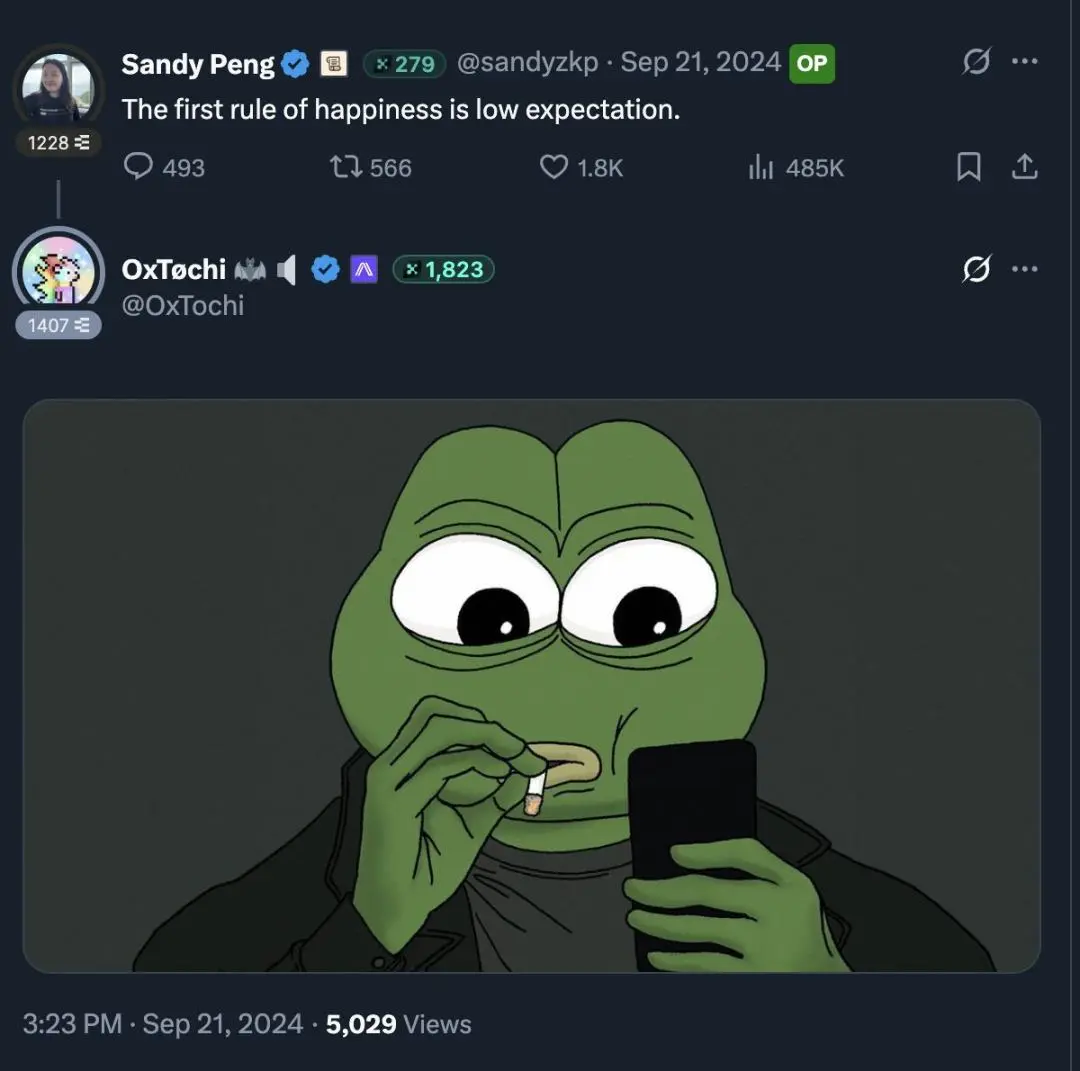
Expectations were constantly raised, only to be met with disappointment. The Scroll airdrop was ridiculously low, a joke. The mood in the crypto community plummeted from anticipation to despair. Honestly, this airdrop left a lasting impression on me, and I vowed immediately to never participate in Layer 2 airdrop mining again.

If it was just Scroll this time, maybe I could accept it. But what really makes me uncomfortable is that I realize that such "low-quality airdrops" will become the norm in the future.

Today's airdrop chaos

Fast forward to today, and the airdrop scene is abysmal. What were once "surprise airdrops" have long since become "industrialized Sybil attack-style airdrop farming."

You have to spend months, even years, interacting with various protocols: cross-chain, adding liquidity, burning gas fees, and building so-called "user loyalty." Ultimately, whether you get an airdrop depends entirely on luck, and even if you do, the amount is pitifully small. Even more outrageous, there's even a practice of "airdrop claiming channels are only open for 48 hours." I think Sunrise was the first to do this.

Even if you finally get your money, you'll find the amount isn't worth the time and effort you put in, and often comes with an absurdly demanding unlocking schedule. For example, the 0G Labs airdrop unlocks quarterly over 48 months—that's four years!

There’s so much shit like this happening now that when I see those “Alpha Airdrop” tweets, my first reaction is, “Oh, another cheap airdrop.”

Game between project owners and users

The truth is: in recent years, users' mindsets have become utilitarian, and there's no need to sugarcoat it. People now use products solely for the rewards; no one is willing to spend hours clicking and contributing to the community just for the sake of a so-called ecosystem.

What about the project owners? They certainly want loyal users, but they're even more interested in "stellar data" to show VCs, like high user numbers and a large community. These figures are enough to inflate valuations when preparing their fundraising pitches. Thus, the battle between users and project owners becomes a game of "data manipulation" versus "data prevention."

The result is: neither side is happy. Users feel they’ve been tricked, and the project owners face the challenge of user retention.

What should an airdrop look like?

If I were to redesign the airdrop, I'd probably go back to the Uniswap model: no pie-in-the-sky promises, no leaderboards, and just give loyal users a surprise bonus one day. This alone would reduce the phenomenon of "industrialized airdrop manipulation" and lower users' unrealistic expectations.

Alternatively, one can learn from Sui’s “pre-sale airdrop” model and set a reasonable fully diluted valuation (FDV) to give early contributors and users the opportunity to buy tokens at preferential terms.

Currently, the closest to this model are probably Cysic and Boundless. They use a "level system" to reward users with pre-sale discounts based on their contribution to various activities in the ecosystem.

Or, just cancel the airdrop altogether and focus on building a truly usable product: something with real product-market fit and a solid revenue model, rather than copying and pasting the same thing 200 times. Honestly, this would be in the long-term interest of the crypto community.

Conclusion

The current state of airdrops is abysmal. It’s a disservice to the users who invest their time in airdrops, and it doesn’t help projects build real communities.

The end result is a situation where everyone feels they’ve been taken advantage of. Perhaps canceling the airdrop and instead building a product that allows everyone to make money would be a better option?


시장 기회
DAR Open Network 로고
DAR Open Network 가격(D)
$0.011024
$0.011024$0.011024
-5.20%
USD
DAR Open Network (D) 실시간 가격 차트
면책 조항: 본 사이트에 재게시된 글들은 공개 플랫폼에서 가져온 것으로 정보 제공 목적으로만 제공됩니다. 이는 반드시 MEXC의 견해를 반영하는 것은 아닙니다. 모든 권리는 원저자에게 있습니다. 제3자의 권리를 침해하는 콘텐츠가 있다고 판단될 경우, crypto.news@mexc.com으로 연락하여 삭제 요청을 해주시기 바랍니다. MEXC는 콘텐츠의 정확성, 완전성 또는 시의적절성에 대해 어떠한 보증도 하지 않으며, 제공된 정보에 기반하여 취해진 어떠한 조치에 대해서도 책임을 지지 않습니다. 본 콘텐츠는 금융, 법률 또는 기타 전문적인 조언을 구성하지 않으며, MEXC의 추천이나 보증으로 간주되어서는 안 됩니다.

추천 콘텐츠

Senate moves on coinbase CLARITY Act as stablecoin
Senate moves on coinbase CLARITY Act as stablecoin

The post Senate moves on coinbase CLARITY Act as stablecoin appeared on BitcoinEthereumNews.com. US lawmakers are edging closer to a comprehensive crypto market
공유하기
BitcoinEthereumNews2026/04/02 22:00
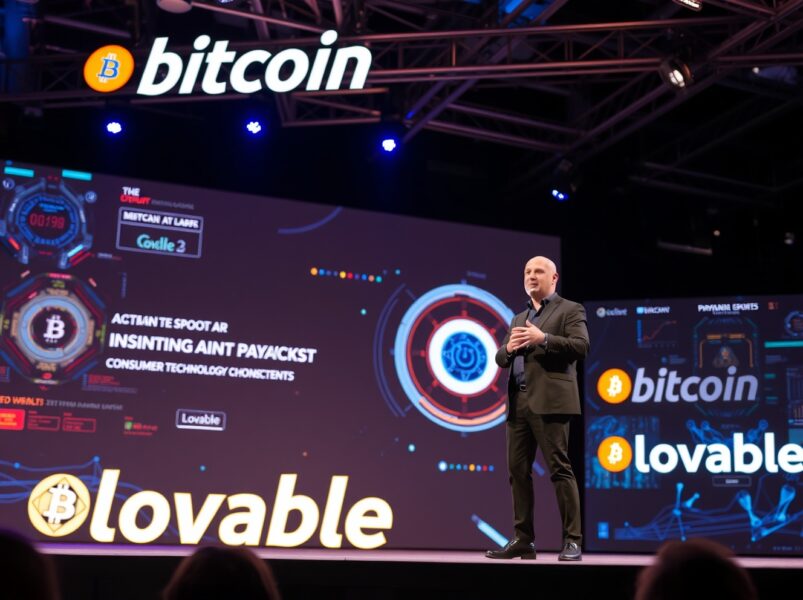
Lovable AI’s Astonishing Rise: Anton Osika Reveals Startup Secrets at Bitcoin World Disrupt 2025

Lovable AI’s Astonishing Rise: Anton Osika Reveals Startup Secrets at Bitcoin World Disrupt 2025


BitcoinWorld Lovable AI’s Astonishing Rise: Anton Osika Reveals Startup Secrets at Bitcoin World Disrupt 2025 Are you ready to witness a phenomenon? The world of technology is abuzz with the incredible rise of Lovable AI, a startup that’s not just breaking records but rewriting the rulebook for rapid growth. Imagine creating powerful apps and websites just by speaking to an AI – that’s the magic Lovable brings to the masses. This groundbreaking approach has propelled the company into the spotlight, making it one of the fastest-growing software firms in history. And now, the visionary behind this sensation, co-founder and CEO Anton Osika, is set to share his invaluable insights on the Disrupt Stage at the highly anticipated Bitcoin World Disrupt 2025. If you’re a founder, investor, or tech enthusiast eager to understand the future of innovation, this is an event you cannot afford to miss. Lovable AI’s Meteoric Ascent: Redefining Software Creation In an era where digital transformation is paramount, Lovable AI has emerged as a true game-changer. Its core premise is deceptively simple yet profoundly impactful: democratize software creation. By enabling anyone to build applications and websites through intuitive AI conversations, Lovable is empowering the vast majority of individuals who lack coding skills to transform their ideas into tangible digital products. This mission has resonated globally, leading to unprecedented momentum. The numbers speak for themselves: Achieved an astonishing $100 million Annual Recurring Revenue (ARR) in less than a year. Successfully raised a $200 million Series A funding round, valuing the company at $1.8 billion, led by industry giant Accel. Is currently fielding unsolicited investor offers, pushing its valuation towards an incredible $4 billion. As industry reports suggest, investors are unequivocally “loving Lovable,” and it’s clear why. This isn’t just about impressive financial metrics; it’s about a company that has tapped into a fundamental need, offering a solution that is both innovative and accessible. The rapid scaling of Lovable AI provides a compelling case study for any entrepreneur aiming for similar exponential growth. The Visionary Behind the Hype: Anton Osika’s Journey to Innovation Every groundbreaking company has a driving force, and for Lovable, that force is co-founder and CEO Anton Osika. His journey is as fascinating as his company’s success. A physicist by training, Osika previously contributed to the cutting-edge research at CERN, the European Organization for Nuclear Research. This deep technical background, combined with his entrepreneurial spirit, has been instrumental in Lovable’s rapid ascent. Before Lovable, he honed his skills as a co-founder of Depict.ai and a Founding Engineer at Sana. Based in Stockholm, Osika has masterfully steered Lovable from a nascent idea to a global phenomenon in record time. His leadership embodies a unique blend of profound technical understanding and a keen, consumer-first vision. At Bitcoin World Disrupt 2025, attendees will have the rare opportunity to hear directly from Osika about what it truly takes to build a brand that not only scales at an incredible pace in a fiercely competitive market but also adeptly manages the intense cultural conversations that inevitably accompany such swift and significant success. His insights will be crucial for anyone looking to understand the dynamics of high-growth tech leadership. Unpacking Consumer Tech Innovation at Bitcoin World Disrupt 2025 The 20th anniversary of Bitcoin World is set to be marked by a truly special event: Bitcoin World Disrupt 2025. From October 27–29, Moscone West in San Francisco will transform into the epicenter of innovation, gathering over 10,000 founders, investors, and tech leaders. It’s the ideal platform to explore the future of consumer tech innovation, and Anton Osika’s presence on the Disrupt Stage is a highlight. His session will delve into how Lovable is not just participating in but actively shaping the next wave of consumer-facing technologies. Why is this session particularly relevant for those interested in the future of consumer experiences? Osika’s discussion will go beyond the superficial, offering a deep dive into the strategies that have allowed Lovable to carve out a unique category in a market long thought to be saturated. Attendees will gain a front-row seat to understanding how to identify unmet consumer needs, leverage advanced AI to meet those needs, and build a product that captivates users globally. The event itself promises a rich tapestry of ideas and networking opportunities: For Founders: Sharpen your pitch and connect with potential investors. For Investors: Discover the next breakout startup poised for massive growth. For Innovators: Claim your spot at the forefront of technological advancements. The insights shared regarding consumer tech innovation at this event will be invaluable for anyone looking to navigate the complexities and capitalize on the opportunities within this dynamic sector. Mastering Startup Growth Strategies: A Blueprint for the Future Lovable’s journey isn’t just another startup success story; it’s a meticulously crafted blueprint for effective startup growth strategies in the modern era. Anton Osika’s experience offers a rare glimpse into the practicalities of scaling a business at breakneck speed while maintaining product integrity and managing external pressures. For entrepreneurs and aspiring tech leaders, his talk will serve as a masterclass in several critical areas: Strategy Focus Key Takeaways from Lovable’s Journey Rapid Scaling How to build infrastructure and teams that support exponential user and revenue growth without compromising quality. Product-Market Fit Identifying a significant, underserved market (the 99% who can’t code) and developing a truly innovative solution (AI-powered app creation). Investor Relations Balancing intense investor interest and pressure with a steadfast focus on product development and long-term vision. Category Creation Carving out an entirely new niche by democratizing complex technologies, rather than competing in existing crowded markets. Understanding these startup growth strategies is essential for anyone aiming to build a resilient and impactful consumer experience. Osika’s session will provide actionable insights into how to replicate elements of Lovable’s success, offering guidance on navigating challenges from product development to market penetration and investor management. Conclusion: Seize the Future of Tech The story of Lovable, under the astute leadership of Anton Osika, is a testament to the power of innovative ideas meeting flawless execution. Their remarkable journey from concept to a multi-billion-dollar valuation in record time is a compelling narrative for anyone interested in the future of technology. By democratizing software creation through Lovable AI, they are not just building a company; they are fostering a new generation of creators. His appearance at Bitcoin World Disrupt 2025 is an unmissable opportunity to gain direct insights from a leader who is truly shaping the landscape of consumer tech innovation. Don’t miss this chance to learn about cutting-edge startup growth strategies and secure your front-row seat to the future. Register now and save up to $668 before Regular Bird rates end on September 26. To learn more about the latest AI market trends, explore our article on key developments shaping AI features. This post Lovable AI’s Astonishing Rise: Anton Osika Reveals Startup Secrets at Bitcoin World Disrupt 2025 first appeared on BitcoinWorld.


공유하기
Coinstats2025/09/17 23:40
The Nationwide Tug-of-War over Prediction Markets

The Nationwide Tug-of-War over Prediction Markets

The post The Nationwide Tug-of-War over Prediction Markets appeared on BitcoinEthereumNews.com. A contentious legal battle in the United States over the classification
공유하기
BitcoinEthereumNews2026/04/09 17:42

$30,000 in PRL + 15,000 USDT

$30,000 in PRL + 15,000 USDT$30,000 in PRL + 15,000 USDT

Deposit & trade PRL to boost your rewards!
