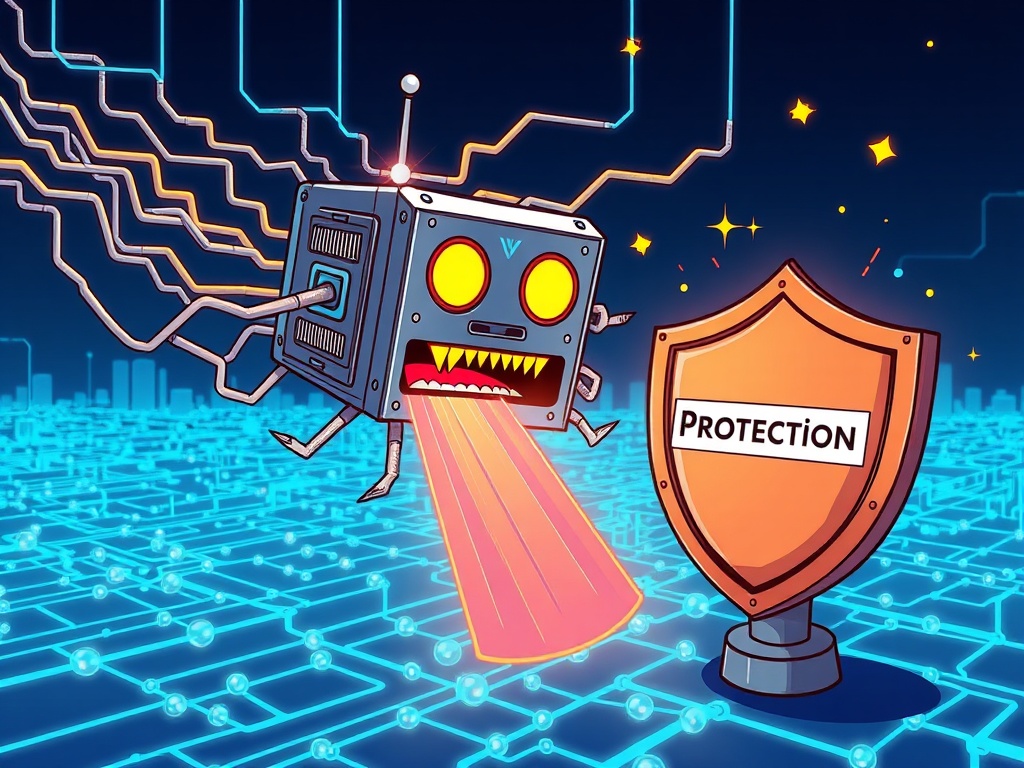
BitcoinWorld Quantum Computing Security: Urgent Proposal Reaches SEC Crypto Task Force The digital asset world is buzzing with a new, urgent development: a groundbreaking proposal aimed at fortifying quantum computing security within our financial infrastructure. Imagine a future where current encryption, the very backbone of cryptocurrencies, could be vulnerable. This isn’t science fiction anymore, and the U.S. Securities and Exchange Commission (SEC) is now reviewing a proactive plan to tackle this looming threat head-on. What is This Vital Quantum Computing Security Proposal All About? A comprehensive Post-Quantum Financial Infrastructure Framework (PQFIF) has been officially submitted to the SEC’s dedicated crypto task force. This isn’t just another document; it’s a strategic blueprint. The framework underscores the critical need for new regulations and a structured, systematic approach to protect digital assets from the formidable challenges posed by advanced quantum computing capabilities. It’s about building a future-proof foundation for the entire financial system. The core idea behind the PQFIF is foresight. Rather than waiting for quantum computers to become powerful enough to break existing cryptographic standards, this proposal advocates for immediate action. It suggests a phased transition to quantum-resistant algorithms and a re-evaluation of how digital assets are secured across the board, significantly enhancing quantum computing security. Why is Quantum Computing a Game-Changer for Crypto? For those unfamiliar, quantum computing represents a paradigm shift in computational power. Unlike traditional computers that process information in bits (0s and 1s), quantum computers use “qubits,” which can be both 0 and 1 simultaneously. This allows them to solve certain complex problems exponentially faster. Shor’s Algorithm: This quantum algorithm, if fully realized, could efficiently break widely used public-key cryptography, including RSA and Elliptic Curve Cryptography (ECC). These are fundamental to securing blockchain transactions and digital signatures. Grover’s Algorithm: While not breaking encryption outright, Grover’s algorithm could significantly speed up brute-force attacks, making current symmetric encryption methods much less secure. The potential impact on blockchain technology and cryptocurrencies is profound. If the cryptographic foundations of Bitcoin, Ethereum, and other digital assets were compromised, it could lead to widespread theft, loss of trust, and market instability. Therefore, addressing quantum computing security is not merely an academic exercise, but an existential imperative for the crypto space. How Does the Proposed Framework Enhance Quantum Computing Security? The PQFIF isn’t just about identifying problems; it’s about offering solutions. It champions a multi-pronged strategy to bolster quantum computing security: New Regulations: Establishing clear, enforceable rules for financial institutions and crypto platforms to adopt post-quantum cryptographic standards. This ensures a consistent level of protection across the ecosystem. Structural Approach: A coordinated effort to upgrade infrastructure, from hardware to software, incorporating quantum-resistant algorithms. This involves collaboration between regulators, industry leaders, and academic researchers. Research & Development: Encouraging continued innovation in post-quantum cryptography (PQC) to stay ahead of evolving threats. The goal is to develop and deploy cryptographic primitives that can withstand quantum attacks. By proactively integrating these measures, the framework aims to ensure the long-term integrity and resilience of digital assets. It seeks to instill confidence in investors and users that their holdings will remain secure, even as quantum technology advances. What Are the Challenges in Implementing This Critical Protection? While the proposal is a crucial step forward, implementing such a sweeping change won’t be without its hurdles. The transition to a post-quantum financial infrastructure is complex and will require significant effort. Technical Complexity: Migrating existing systems and developing new ones with quantum-resistant cryptography is a massive undertaking. It demands specialized expertise and careful planning. Cost Implications: The financial investment required for upgrades, research, and workforce training will be substantial for both public and private entities. Standardization: Achieving global consensus on post-quantum cryptographic standards is essential for interoperability and widespread adoption. Without unified standards, fragmentation could weaken overall security. Resistance to Change: Any major shift faces inertia. Educating stakeholders and demonstrating the urgency of the threat will be key to overcoming resistance. Overcoming these challenges will require strong leadership from the SEC, sustained industry collaboration, and a clear roadmap for implementation, especially concerning quantum computing security. What’s Next for Digital Asset Protection? The submission of the PQFIF to the SEC Crypto Task Force marks a pivotal moment. The SEC’s review process will be critical in shaping the future of digital asset security. This proposal could pave the way for a new era of proactive cybersecurity measures, ensuring the continued growth and stability of the crypto market. For crypto projects and investors, this highlights the importance of staying informed and preparing for potential shifts. Understanding the implications of quantum computing security will become increasingly vital. As regulators and industry work together, we can anticipate a more resilient and secure digital financial landscape. A Future-Proofed Crypto Ecosystem with Enhanced Quantum Computing Security The proposal to the SEC is a clear signal that the digital asset space is maturing, addressing not just current but future threats. By embracing advanced quantum computing security measures, we can safeguard the revolutionary potential of cryptocurrencies and blockchain technology for generations to come. This proactive stance ensures that innovation can thrive without being undermined by emerging technological challenges. Frequently Asked Questions (FAQs) Q1: What is the Post-Quantum Financial Infrastructure Framework (PQFIF)? A1: The PQFIF is a proposal submitted to the SEC Crypto Task Force outlining new regulations and a structural approach to protect digital assets from threats posed by quantum computing. Q2: Why is quantum computing a threat to current cryptocurrency security? A2: Quantum computers, using algorithms like Shor’s, could potentially break the cryptographic standards (such as RSA and ECC) that secure blockchain transactions and digital signatures, leading to vulnerability and theft. Q3: What kind of solutions does the PQFIF propose? A3: It proposes new regulations, a coordinated structural approach to upgrade infrastructure with quantum-resistant algorithms, and ongoing research and development in post-quantum cryptography (PQC). Q4: Will this proposal impact all cryptocurrencies? A4: Yes, any cryptocurrency relying on cryptographic methods vulnerable to quantum attacks would be affected. The framework aims to provide universal protection for digital assets within the financial system. Q5: What are the main challenges in implementing post-quantum security? A5: Key challenges include the technical complexity of migration, significant cost implications, the need for global standardization, and overcoming resistance to change within the industry. Stay ahead of the curve in the evolving world of digital assets! If you found this discussion on quantum computing security crucial for the future of crypto, share this article with your network. Let’s collectively raise awareness about protecting our digital future! To learn more about the latest crypto market trends, explore our article on key developments shaping Bitcoin institutional adoption. This post Quantum Computing Security: Urgent Proposal Reaches SEC Crypto Task Force first appeared on BitcoinWorld and is written by Editorial TeamBitcoinWorld Quantum Computing Security: Urgent Proposal Reaches SEC Crypto Task Force The digital asset world is buzzing with a new, urgent development: a groundbreaking proposal aimed at fortifying quantum computing security within our financial infrastructure. Imagine a future where current encryption, the very backbone of cryptocurrencies, could be vulnerable. This isn’t science fiction anymore, and the U.S. Securities and Exchange Commission (SEC) is now reviewing a proactive plan to tackle this looming threat head-on. What is This Vital Quantum Computing Security Proposal All About? A comprehensive Post-Quantum Financial Infrastructure Framework (PQFIF) has been officially submitted to the SEC’s dedicated crypto task force. This isn’t just another document; it’s a strategic blueprint. The framework underscores the critical need for new regulations and a structured, systematic approach to protect digital assets from the formidable challenges posed by advanced quantum computing capabilities. It’s about building a future-proof foundation for the entire financial system. The core idea behind the PQFIF is foresight. Rather than waiting for quantum computers to become powerful enough to break existing cryptographic standards, this proposal advocates for immediate action. It suggests a phased transition to quantum-resistant algorithms and a re-evaluation of how digital assets are secured across the board, significantly enhancing quantum computing security. Why is Quantum Computing a Game-Changer for Crypto? For those unfamiliar, quantum computing represents a paradigm shift in computational power. Unlike traditional computers that process information in bits (0s and 1s), quantum computers use “qubits,” which can be both 0 and 1 simultaneously. This allows them to solve certain complex problems exponentially faster. Shor’s Algorithm: This quantum algorithm, if fully realized, could efficiently break widely used public-key cryptography, including RSA and Elliptic Curve Cryptography (ECC). These are fundamental to securing blockchain transactions and digital signatures. Grover’s Algorithm: While not breaking encryption outright, Grover’s algorithm could significantly speed up brute-force attacks, making current symmetric encryption methods much less secure. The potential impact on blockchain technology and cryptocurrencies is profound. If the cryptographic foundations of Bitcoin, Ethereum, and other digital assets were compromised, it could lead to widespread theft, loss of trust, and market instability. Therefore, addressing quantum computing security is not merely an academic exercise, but an existential imperative for the crypto space. How Does the Proposed Framework Enhance Quantum Computing Security? The PQFIF isn’t just about identifying problems; it’s about offering solutions. It champions a multi-pronged strategy to bolster quantum computing security: New Regulations: Establishing clear, enforceable rules for financial institutions and crypto platforms to adopt post-quantum cryptographic standards. This ensures a consistent level of protection across the ecosystem. Structural Approach: A coordinated effort to upgrade infrastructure, from hardware to software, incorporating quantum-resistant algorithms. This involves collaboration between regulators, industry leaders, and academic researchers. Research & Development: Encouraging continued innovation in post-quantum cryptography (PQC) to stay ahead of evolving threats. The goal is to develop and deploy cryptographic primitives that can withstand quantum attacks. By proactively integrating these measures, the framework aims to ensure the long-term integrity and resilience of digital assets. It seeks to instill confidence in investors and users that their holdings will remain secure, even as quantum technology advances. What Are the Challenges in Implementing This Critical Protection? While the proposal is a crucial step forward, implementing such a sweeping change won’t be without its hurdles. The transition to a post-quantum financial infrastructure is complex and will require significant effort. Technical Complexity: Migrating existing systems and developing new ones with quantum-resistant cryptography is a massive undertaking. It demands specialized expertise and careful planning. Cost Implications: The financial investment required for upgrades, research, and workforce training will be substantial for both public and private entities. Standardization: Achieving global consensus on post-quantum cryptographic standards is essential for interoperability and widespread adoption. Without unified standards, fragmentation could weaken overall security. Resistance to Change: Any major shift faces inertia. Educating stakeholders and demonstrating the urgency of the threat will be key to overcoming resistance. Overcoming these challenges will require strong leadership from the SEC, sustained industry collaboration, and a clear roadmap for implementation, especially concerning quantum computing security. What’s Next for Digital Asset Protection? The submission of the PQFIF to the SEC Crypto Task Force marks a pivotal moment. The SEC’s review process will be critical in shaping the future of digital asset security. This proposal could pave the way for a new era of proactive cybersecurity measures, ensuring the continued growth and stability of the crypto market. For crypto projects and investors, this highlights the importance of staying informed and preparing for potential shifts. Understanding the implications of quantum computing security will become increasingly vital. As regulators and industry work together, we can anticipate a more resilient and secure digital financial landscape. A Future-Proofed Crypto Ecosystem with Enhanced Quantum Computing Security The proposal to the SEC is a clear signal that the digital asset space is maturing, addressing not just current but future threats. By embracing advanced quantum computing security measures, we can safeguard the revolutionary potential of cryptocurrencies and blockchain technology for generations to come. This proactive stance ensures that innovation can thrive without being undermined by emerging technological challenges. Frequently Asked Questions (FAQs) Q1: What is the Post-Quantum Financial Infrastructure Framework (PQFIF)? A1: The PQFIF is a proposal submitted to the SEC Crypto Task Force outlining new regulations and a structural approach to protect digital assets from threats posed by quantum computing. Q2: Why is quantum computing a threat to current cryptocurrency security? A2: Quantum computers, using algorithms like Shor’s, could potentially break the cryptographic standards (such as RSA and ECC) that secure blockchain transactions and digital signatures, leading to vulnerability and theft. Q3: What kind of solutions does the PQFIF propose? A3: It proposes new regulations, a coordinated structural approach to upgrade infrastructure with quantum-resistant algorithms, and ongoing research and development in post-quantum cryptography (PQC). Q4: Will this proposal impact all cryptocurrencies? A4: Yes, any cryptocurrency relying on cryptographic methods vulnerable to quantum attacks would be affected. The framework aims to provide universal protection for digital assets within the financial system. Q5: What are the main challenges in implementing post-quantum security? A5: Key challenges include the technical complexity of migration, significant cost implications, the need for global standardization, and overcoming resistance to change within the industry. Stay ahead of the curve in the evolving world of digital assets! If you found this discussion on quantum computing security crucial for the future of crypto, share this article with your network. Let’s collectively raise awareness about protecting our digital future! To learn more about the latest crypto market trends, explore our article on key developments shaping Bitcoin institutional adoption. This post Quantum Computing Security: Urgent Proposal Reaches SEC Crypto Task Force first appeared on BitcoinWorld and is written by Editorial Team


Quantum Computing Security: Urgent Proposal Reaches SEC Crypto Task Force

2025/09/04 17:10
6분 읽기
이 콘텐츠에 대한 의견이나 우려 사항이 있으시면 crypto.news@mexc.com으로 연락주시기 바랍니다

BitcoinWorld

Quantum Computing Security: Urgent Proposal Reaches SEC Crypto Task Force

The digital asset world is buzzing with a new, urgent development: a groundbreaking proposal aimed at fortifying quantum computing security within our financial infrastructure. Imagine a future where current encryption, the very backbone of cryptocurrencies, could be vulnerable. This isn’t science fiction anymore, and the U.S. Securities and Exchange Commission (SEC) is now reviewing a proactive plan to tackle this looming threat head-on.

What is This Vital Quantum Computing Security Proposal All About?

A comprehensive Post-Quantum Financial Infrastructure Framework (PQFIF) has been officially submitted to the SEC’s dedicated crypto task force. This isn’t just another document; it’s a strategic blueprint. The framework underscores the critical need for new regulations and a structured, systematic approach to protect digital assets from the formidable challenges posed by advanced quantum computing capabilities. It’s about building a future-proof foundation for the entire financial system.

The core idea behind the PQFIF is foresight. Rather than waiting for quantum computers to become powerful enough to break existing cryptographic standards, this proposal advocates for immediate action. It suggests a phased transition to quantum-resistant algorithms and a re-evaluation of how digital assets are secured across the board, significantly enhancing quantum computing security.

Why is Quantum Computing a Game-Changer for Crypto?

For those unfamiliar, quantum computing represents a paradigm shift in computational power. Unlike traditional computers that process information in bits (0s and 1s), quantum computers use “qubits,” which can be both 0 and 1 simultaneously. This allows them to solve certain complex problems exponentially faster.

  • Shor’s Algorithm: This quantum algorithm, if fully realized, could efficiently break widely used public-key cryptography, including RSA and Elliptic Curve Cryptography (ECC). These are fundamental to securing blockchain transactions and digital signatures.
  • Grover’s Algorithm: While not breaking encryption outright, Grover’s algorithm could significantly speed up brute-force attacks, making current symmetric encryption methods much less secure.

The potential impact on blockchain technology and cryptocurrencies is profound. If the cryptographic foundations of Bitcoin, Ethereum, and other digital assets were compromised, it could lead to widespread theft, loss of trust, and market instability. Therefore, addressing quantum computing security is not merely an academic exercise, but an existential imperative for the crypto space.

How Does the Proposed Framework Enhance Quantum Computing Security?

The PQFIF isn’t just about identifying problems; it’s about offering solutions. It champions a multi-pronged strategy to bolster quantum computing security:

  • New Regulations: Establishing clear, enforceable rules for financial institutions and crypto platforms to adopt post-quantum cryptographic standards. This ensures a consistent level of protection across the ecosystem.
  • Structural Approach: A coordinated effort to upgrade infrastructure, from hardware to software, incorporating quantum-resistant algorithms. This involves collaboration between regulators, industry leaders, and academic researchers.
  • Research & Development: Encouraging continued innovation in post-quantum cryptography (PQC) to stay ahead of evolving threats. The goal is to develop and deploy cryptographic primitives that can withstand quantum attacks.

By proactively integrating these measures, the framework aims to ensure the long-term integrity and resilience of digital assets. It seeks to instill confidence in investors and users that their holdings will remain secure, even as quantum technology advances.

What Are the Challenges in Implementing This Critical Protection?

While the proposal is a crucial step forward, implementing such a sweeping change won’t be without its hurdles. The transition to a post-quantum financial infrastructure is complex and will require significant effort.

  • Technical Complexity: Migrating existing systems and developing new ones with quantum-resistant cryptography is a massive undertaking. It demands specialized expertise and careful planning.
  • Cost Implications: The financial investment required for upgrades, research, and workforce training will be substantial for both public and private entities.
  • Standardization: Achieving global consensus on post-quantum cryptographic standards is essential for interoperability and widespread adoption. Without unified standards, fragmentation could weaken overall security.
  • Resistance to Change: Any major shift faces inertia. Educating stakeholders and demonstrating the urgency of the threat will be key to overcoming resistance.

Overcoming these challenges will require strong leadership from the SEC, sustained industry collaboration, and a clear roadmap for implementation, especially concerning quantum computing security.

What’s Next for Digital Asset Protection?

The submission of the PQFIF to the SEC Crypto Task Force marks a pivotal moment. The SEC’s review process will be critical in shaping the future of digital asset security. This proposal could pave the way for a new era of proactive cybersecurity measures, ensuring the continued growth and stability of the crypto market.

For crypto projects and investors, this highlights the importance of staying informed and preparing for potential shifts. Understanding the implications of quantum computing security will become increasingly vital. As regulators and industry work together, we can anticipate a more resilient and secure digital financial landscape.

A Future-Proofed Crypto Ecosystem with Enhanced Quantum Computing Security

The proposal to the SEC is a clear signal that the digital asset space is maturing, addressing not just current but future threats. By embracing advanced quantum computing security measures, we can safeguard the revolutionary potential of cryptocurrencies and blockchain technology for generations to come. This proactive stance ensures that innovation can thrive without being undermined by emerging technological challenges.

Frequently Asked Questions (FAQs)

Q1: What is the Post-Quantum Financial Infrastructure Framework (PQFIF)?
A1: The PQFIF is a proposal submitted to the SEC Crypto Task Force outlining new regulations and a structural approach to protect digital assets from threats posed by quantum computing.

Q2: Why is quantum computing a threat to current cryptocurrency security?
A2: Quantum computers, using algorithms like Shor’s, could potentially break the cryptographic standards (such as RSA and ECC) that secure blockchain transactions and digital signatures, leading to vulnerability and theft.

Q3: What kind of solutions does the PQFIF propose?
A3: It proposes new regulations, a coordinated structural approach to upgrade infrastructure with quantum-resistant algorithms, and ongoing research and development in post-quantum cryptography (PQC).

Q4: Will this proposal impact all cryptocurrencies?
A4: Yes, any cryptocurrency relying on cryptographic methods vulnerable to quantum attacks would be affected. The framework aims to provide universal protection for digital assets within the financial system.

Q5: What are the main challenges in implementing post-quantum security?
A5: Key challenges include the technical complexity of migration, significant cost implications, the need for global standardization, and overcoming resistance to change within the industry.

Stay ahead of the curve in the evolving world of digital assets! If you found this discussion on quantum computing security crucial for the future of crypto, share this article with your network. Let’s collectively raise awareness about protecting our digital future!

To learn more about the latest crypto market trends, explore our article on key developments shaping Bitcoin institutional adoption.

This post Quantum Computing Security: Urgent Proposal Reaches SEC Crypto Task Force first appeared on BitcoinWorld and is written by Editorial Team

시장 기회
스레숄드 로고
스레숄드 가격(T)
$0.00616
$0.00616$0.00616
-0.64%
USD
스레숄드 (T) 실시간 가격 차트
면책 조항: 본 사이트에 재게시된 글들은 공개 플랫폼에서 가져온 것으로 정보 제공 목적으로만 제공됩니다. 이는 반드시 MEXC의 견해를 반영하는 것은 아닙니다. 모든 권리는 원저자에게 있습니다. 제3자의 권리를 침해하는 콘텐츠가 있다고 판단될 경우, crypto.news@mexc.com으로 연락하여 삭제 요청을 해주시기 바랍니다. MEXC는 콘텐츠의 정확성, 완전성 또는 시의적절성에 대해 어떠한 보증도 하지 않으며, 제공된 정보에 기반하여 취해진 어떠한 조치에 대해서도 책임을 지지 않습니다. 본 콘텐츠는 금융, 법률 또는 기타 전문적인 조언을 구성하지 않으며, MEXC의 추천이나 보증으로 간주되어서는 안 됩니다.

$30,000 in PRL + 15,000 USDT

$30,000 in PRL + 15,000 USDT$30,000 in PRL + 15,000 USDT

Deposit & trade PRL to boost your rewards!