BitcoinWorld Kinto Shutdown: Tragic End for Ethereum Layer 2 After $1.6M Hack The crypto community is witnessing a somber moment as the Kinto shutdown looms. This Ethereum Layer 2 blockchain project is set to cease operations on September 30th, a direct consequence of a significant $1.6 million hack that occurred in July. This news, initially reported by The Block, highlights the persistent security challenges within the decentralized finance (DeFi) space. What Led to the Kinto Shutdown? The $1.6 Million Hack In July, Kinto experienced a substantial security breach, losing $1.6 million. This cyberattack dealt a severe blow to the project, undermining its financial stability and user trust. Such incidents are a stark reminder of the vulnerabilities that even advanced blockchain projects can face. The hack’s impact was immediate and profound. It forced Kinto to re-evaluate its future, leading to difficult decisions. Recovering from a breach of this magnitude requires significant resources and a clear path forward. The Phoenix Program and the Funding Challenge for Kinto Shutdown Following the hack, Kinto launched its ‘Phoenix Program.’ This initiative aimed to raise $1 million to help restore services and rebuild the project. The community showed some support, but the goal proved challenging to achieve. Despite their efforts, Kinto struggled to secure additional funding beyond the initial $1 million. This lack of sustained financial backing ultimately sealed the project’s fate. Several factors likely contributed to this difficulty: Market Sentiment: The broader crypto market can be hesitant to invest in projects that have recently suffered security incidents. Investor Confidence: Rebuilding trust after a major hack is a long and arduous process, often deterring new investors. Competitive Landscape: The Layer 2 space is highly competitive, making it harder for struggling projects to stand out. The inability to secure sufficient funds made the Kinto shutdown unavoidable, despite the team’s attempts to recover. Broader Implications: What Does the Kinto Shutdown Mean for Layer 2 Security? The Kinto shutdown sends a clear message about the critical importance of robust security measures in the Layer 2 ecosystem. While Layer 2 solutions aim to scale Ethereum, they also introduce new attack vectors that need careful management. This incident highlights that even innovative projects must prioritize security above all else. Developers must implement stringent audits, continuous monitoring, and effective incident response plans. Users also need to be aware of the risks associated with new protocols. The industry must learn from such events to build a more resilient and secure blockchain future. Each hack, though unfortunate, provides valuable lessons for improving overall system integrity. Lessons Learned from the Kinto Shutdown: Protecting Your Digital Assets The Kinto shutdown offers several crucial takeaways for both project developers and cryptocurrency users: Due Diligence: Always research projects thoroughly before investing or interacting with them. Look for strong security track records and audit reports. Diversification: Avoid putting all your funds into a single project, especially newer ones. Spread your investments to mitigate risk. Stay Informed: Keep up-to-date with project news and security announcements. Rapid responses to threats can save assets. Security Audits: For developers, regular and comprehensive security audits are non-negotiable. Proactive identification of vulnerabilities is key. Understanding these lessons can help safeguard digital assets and promote a safer crypto environment. The experience of the Kinto shutdown underscores these points. The impending Kinto shutdown is a stark reminder of the volatile and challenging nature of the crypto space. Despite innovative efforts to recover, the project ultimately succumbed to the aftermath of a significant hack and funding difficulties. This event serves as a critical case study, emphasizing the paramount importance of security, resilience, and sustainable funding in the development of blockchain projects. As the industry evolves, learning from such incidents becomes essential for fostering a more secure and trustworthy ecosystem. Frequently Asked Questions (FAQs) Q1: What was Kinto? A1: Kinto was an Ethereum Layer 2 blockchain project designed to enhance scalability and efficiency on the Ethereum network. Q2: Why is Kinto shutting down? A2: Kinto is shutting down due to a $1.6 million hack in July and subsequent difficulties in securing additional funding for its recovery efforts. Q3: When will Kinto officially shut down? A3: Kinto is scheduled to officially terminate its services on September 30th. Q4: What was the ‘Phoenix Program’? A4: The Phoenix Program was an initiative launched by Kinto to raise $1 million in an attempt to restore its services after the hack and continue operations. Q5: What lessons can be learned from the Kinto shutdown? A5: The Kinto shutdown highlights the critical need for robust security, thorough due diligence by users, diversification of investments, and sustainable funding models for blockchain projects. The story of Kinto offers valuable insights into the challenges and risks within the crypto world. We encourage you to share this article with your network on social media to spread awareness about blockchain security and the importance of due diligence in the decentralized space. Your insights and discussions contribute to a safer community for everyone. To learn more about the latest crypto market trends, explore our article on key developments shaping Ethereum institutional adoption. This post Kinto Shutdown: Tragic End for Ethereum Layer 2 After $1.6M Hack first appeared on BitcoinWorld and is written by Editorial TeamBitcoinWorld Kinto Shutdown: Tragic End for Ethereum Layer 2 After $1.6M Hack The crypto community is witnessing a somber moment as the Kinto shutdown looms. This Ethereum Layer 2 blockchain project is set to cease operations on September 30th, a direct consequence of a significant $1.6 million hack that occurred in July. This news, initially reported by The Block, highlights the persistent security challenges within the decentralized finance (DeFi) space. What Led to the Kinto Shutdown? The $1.6 Million Hack In July, Kinto experienced a substantial security breach, losing $1.6 million. This cyberattack dealt a severe blow to the project, undermining its financial stability and user trust. Such incidents are a stark reminder of the vulnerabilities that even advanced blockchain projects can face. The hack’s impact was immediate and profound. It forced Kinto to re-evaluate its future, leading to difficult decisions. Recovering from a breach of this magnitude requires significant resources and a clear path forward. The Phoenix Program and the Funding Challenge for Kinto Shutdown Following the hack, Kinto launched its ‘Phoenix Program.’ This initiative aimed to raise $1 million to help restore services and rebuild the project. The community showed some support, but the goal proved challenging to achieve. Despite their efforts, Kinto struggled to secure additional funding beyond the initial $1 million. This lack of sustained financial backing ultimately sealed the project’s fate. Several factors likely contributed to this difficulty: Market Sentiment: The broader crypto market can be hesitant to invest in projects that have recently suffered security incidents. Investor Confidence: Rebuilding trust after a major hack is a long and arduous process, often deterring new investors. Competitive Landscape: The Layer 2 space is highly competitive, making it harder for struggling projects to stand out. The inability to secure sufficient funds made the Kinto shutdown unavoidable, despite the team’s attempts to recover. Broader Implications: What Does the Kinto Shutdown Mean for Layer 2 Security? The Kinto shutdown sends a clear message about the critical importance of robust security measures in the Layer 2 ecosystem. While Layer 2 solutions aim to scale Ethereum, they also introduce new attack vectors that need careful management. This incident highlights that even innovative projects must prioritize security above all else. Developers must implement stringent audits, continuous monitoring, and effective incident response plans. Users also need to be aware of the risks associated with new protocols. The industry must learn from such events to build a more resilient and secure blockchain future. Each hack, though unfortunate, provides valuable lessons for improving overall system integrity. Lessons Learned from the Kinto Shutdown: Protecting Your Digital Assets The Kinto shutdown offers several crucial takeaways for both project developers and cryptocurrency users: Due Diligence: Always research projects thoroughly before investing or interacting with them. Look for strong security track records and audit reports. Diversification: Avoid putting all your funds into a single project, especially newer ones. Spread your investments to mitigate risk. Stay Informed: Keep up-to-date with project news and security announcements. Rapid responses to threats can save assets. Security Audits: For developers, regular and comprehensive security audits are non-negotiable. Proactive identification of vulnerabilities is key. Understanding these lessons can help safeguard digital assets and promote a safer crypto environment. The experience of the Kinto shutdown underscores these points. The impending Kinto shutdown is a stark reminder of the volatile and challenging nature of the crypto space. Despite innovative efforts to recover, the project ultimately succumbed to the aftermath of a significant hack and funding difficulties. This event serves as a critical case study, emphasizing the paramount importance of security, resilience, and sustainable funding in the development of blockchain projects. As the industry evolves, learning from such incidents becomes essential for fostering a more secure and trustworthy ecosystem. Frequently Asked Questions (FAQs) Q1: What was Kinto? A1: Kinto was an Ethereum Layer 2 blockchain project designed to enhance scalability and efficiency on the Ethereum network. Q2: Why is Kinto shutting down? A2: Kinto is shutting down due to a $1.6 million hack in July and subsequent difficulties in securing additional funding for its recovery efforts. Q3: When will Kinto officially shut down? A3: Kinto is scheduled to officially terminate its services on September 30th. Q4: What was the ‘Phoenix Program’? A4: The Phoenix Program was an initiative launched by Kinto to raise $1 million in an attempt to restore its services after the hack and continue operations. Q5: What lessons can be learned from the Kinto shutdown? A5: The Kinto shutdown highlights the critical need for robust security, thorough due diligence by users, diversification of investments, and sustainable funding models for blockchain projects. The story of Kinto offers valuable insights into the challenges and risks within the crypto world. We encourage you to share this article with your network on social media to spread awareness about blockchain security and the importance of due diligence in the decentralized space. Your insights and discussions contribute to a safer community for everyone. To learn more about the latest crypto market trends, explore our article on key developments shaping Ethereum institutional adoption. This post Kinto Shutdown: Tragic End for Ethereum Layer 2 After $1.6M Hack first appeared on BitcoinWorld and is written by Editorial Team


Kinto Shutdown: Tragic End for Ethereum Layer 2 After $1.6M Hack

2025/09/08 06:25
5분 읽기
이 콘텐츠에 대한 의견이나 우려 사항이 있으시면 crypto.news@mexc.com으로 연락주시기 바랍니다

BitcoinWorld

Kinto Shutdown: Tragic End for Ethereum Layer 2 After $1.6M Hack

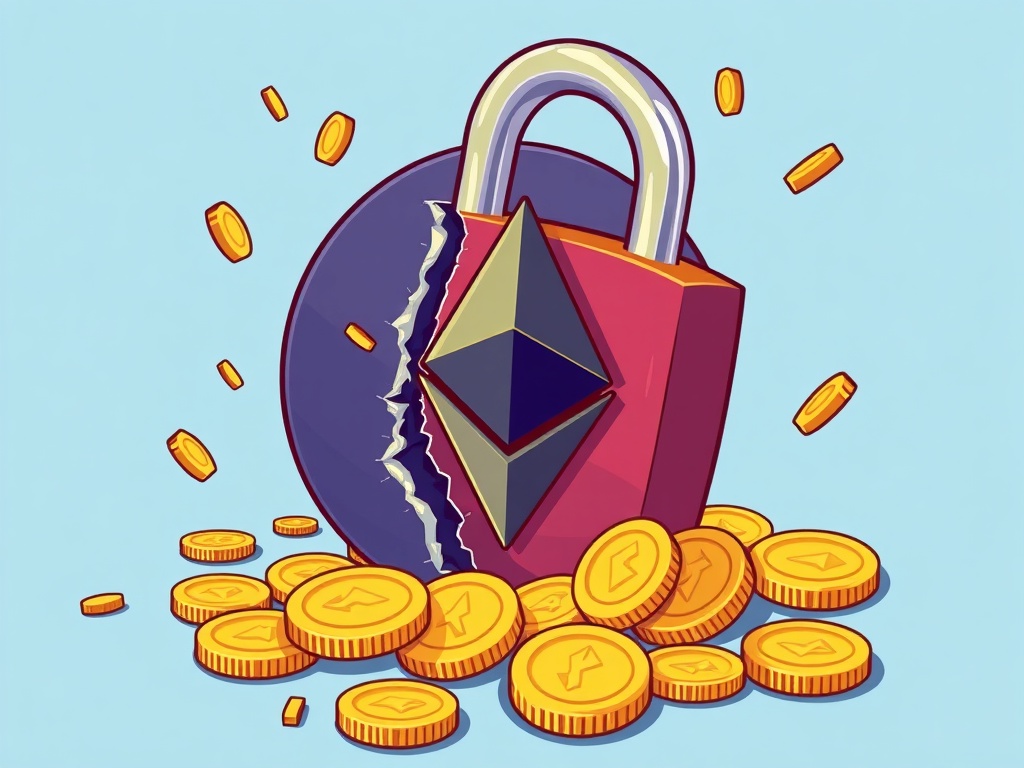
The crypto community is witnessing a somber moment as the Kinto shutdown looms. This Ethereum Layer 2 blockchain project is set to cease operations on September 30th, a direct consequence of a significant $1.6 million hack that occurred in July. This news, initially reported by The Block, highlights the persistent security challenges within the decentralized finance (DeFi) space.

What Led to the Kinto Shutdown? The $1.6 Million Hack

In July, Kinto experienced a substantial security breach, losing $1.6 million. This cyberattack dealt a severe blow to the project, undermining its financial stability and user trust. Such incidents are a stark reminder of the vulnerabilities that even advanced blockchain projects can face.

The hack’s impact was immediate and profound. It forced Kinto to re-evaluate its future, leading to difficult decisions. Recovering from a breach of this magnitude requires significant resources and a clear path forward.

The Phoenix Program and the Funding Challenge for Kinto Shutdown

Following the hack, Kinto launched its ‘Phoenix Program.’ This initiative aimed to raise $1 million to help restore services and rebuild the project. The community showed some support, but the goal proved challenging to achieve.

Despite their efforts, Kinto struggled to secure additional funding beyond the initial $1 million. This lack of sustained financial backing ultimately sealed the project’s fate. Several factors likely contributed to this difficulty:

  • Market Sentiment: The broader crypto market can be hesitant to invest in projects that have recently suffered security incidents.
  • Investor Confidence: Rebuilding trust after a major hack is a long and arduous process, often deterring new investors.
  • Competitive Landscape: The Layer 2 space is highly competitive, making it harder for struggling projects to stand out.

The inability to secure sufficient funds made the Kinto shutdown unavoidable, despite the team’s attempts to recover.

Broader Implications: What Does the Kinto Shutdown Mean for Layer 2 Security?

The Kinto shutdown sends a clear message about the critical importance of robust security measures in the Layer 2 ecosystem. While Layer 2 solutions aim to scale Ethereum, they also introduce new attack vectors that need careful management.

This incident highlights that even innovative projects must prioritize security above all else. Developers must implement stringent audits, continuous monitoring, and effective incident response plans. Users also need to be aware of the risks associated with new protocols.

The industry must learn from such events to build a more resilient and secure blockchain future. Each hack, though unfortunate, provides valuable lessons for improving overall system integrity.

Lessons Learned from the Kinto Shutdown: Protecting Your Digital Assets

The Kinto shutdown offers several crucial takeaways for both project developers and cryptocurrency users:

  • Due Diligence: Always research projects thoroughly before investing or interacting with them. Look for strong security track records and audit reports.
  • Diversification: Avoid putting all your funds into a single project, especially newer ones. Spread your investments to mitigate risk.
  • Stay Informed: Keep up-to-date with project news and security announcements. Rapid responses to threats can save assets.
  • Security Audits: For developers, regular and comprehensive security audits are non-negotiable. Proactive identification of vulnerabilities is key.

Understanding these lessons can help safeguard digital assets and promote a safer crypto environment. The experience of the Kinto shutdown underscores these points.

The impending Kinto shutdown is a stark reminder of the volatile and challenging nature of the crypto space. Despite innovative efforts to recover, the project ultimately succumbed to the aftermath of a significant hack and funding difficulties. This event serves as a critical case study, emphasizing the paramount importance of security, resilience, and sustainable funding in the development of blockchain projects. As the industry evolves, learning from such incidents becomes essential for fostering a more secure and trustworthy ecosystem.

Frequently Asked Questions (FAQs)

Q1: What was Kinto?
A1: Kinto was an Ethereum Layer 2 blockchain project designed to enhance scalability and efficiency on the Ethereum network.

Q2: Why is Kinto shutting down?
A2: Kinto is shutting down due to a $1.6 million hack in July and subsequent difficulties in securing additional funding for its recovery efforts.

Q3: When will Kinto officially shut down?
A3: Kinto is scheduled to officially terminate its services on September 30th.

Q4: What was the ‘Phoenix Program’?
A4: The Phoenix Program was an initiative launched by Kinto to raise $1 million in an attempt to restore its services after the hack and continue operations.

Q5: What lessons can be learned from the Kinto shutdown?
A5: The Kinto shutdown highlights the critical need for robust security, thorough due diligence by users, diversification of investments, and sustainable funding models for blockchain projects.

The story of Kinto offers valuable insights into the challenges and risks within the crypto world. We encourage you to share this article with your network on social media to spread awareness about blockchain security and the importance of due diligence in the decentralized space. Your insights and discussions contribute to a safer community for everyone.

To learn more about the latest crypto market trends, explore our article on key developments shaping Ethereum institutional adoption.

This post Kinto Shutdown: Tragic End for Ethereum Layer 2 After $1.6M Hack first appeared on BitcoinWorld and is written by Editorial Team

시장 기회
Brainedge 로고
Brainedge 가격(LEARN)
$0.007037
$0.007037$0.007037
+0.07%
USD
Brainedge (LEARN) 실시간 가격 차트
면책 조항: 본 사이트에 재게시된 글들은 공개 플랫폼에서 가져온 것으로 정보 제공 목적으로만 제공됩니다. 이는 반드시 MEXC의 견해를 반영하는 것은 아닙니다. 모든 권리는 원저자에게 있습니다. 제3자의 권리를 침해하는 콘텐츠가 있다고 판단될 경우, crypto.news@mexc.com으로 연락하여 삭제 요청을 해주시기 바랍니다. MEXC는 콘텐츠의 정확성, 완전성 또는 시의적절성에 대해 어떠한 보증도 하지 않으며, 제공된 정보에 기반하여 취해진 어떠한 조치에 대해서도 책임을 지지 않습니다. 본 콘텐츠는 금융, 법률 또는 기타 전문적인 조언을 구성하지 않으며, MEXC의 추천이나 보증으로 간주되어서는 안 됩니다.

USD1 Genesis: 0 Fees + 12% APR

USD1 Genesis: 0 Fees + 12% APRUSD1 Genesis: 0 Fees + 12% APR

New users: stake for up to 600% APR. Limited time!