BitcoinWorld South Korean Digital Currency Pilot: A Groundbreaking Leap for Government Subsidies Imagine a world where government aid reaches citizens instantly, securely, and transparently, without the usual delays or administrative hurdles. South Korea is on the cusp of making this a reality. The nation is embarking on a significant pilot program, exploring how a South Korean digital currency could revolutionize the distribution of government subsidies. This groundbreaking initiative could redefine financial inclusion and efficiency for millions. South Korean Digital Currency: A New Era for Subsidies? South Korea’s central bank, in close collaboration with the government and six of the nation’s most prominent commercial banks, is pushing forward with an ambitious pilot program. As reported by Yonhap News, this test aims to distribute government subsidies using a new form of South Korean digital currency. This isn’t just a minor upgrade; it represents a fundamental shift in how public funds could reach their intended recipients. The participating financial institutions are household names across South Korea, including: KB Kookmin Shinhan Hana Woori NH Nonghyup Industrial Bank of Korea (IBK) Together, these banks will play a pivotal role in verifying the practical feasibility of delivering and utilizing existing government-guaranteed subsidies and vouchers directly in a digital currency format. What’s Driving South Korea’s Digital Currency Initiative? The motivation behind exploring a South Korean digital currency for subsidies is multifaceted. Governments worldwide are increasingly looking for more efficient, transparent, and cost-effective ways to manage public funds. Traditional distribution methods often involve significant administrative overhead, potential for fraud, and delays. A digital currency system, however, promises to streamline these processes considerably. This pilot is not just about technology; it’s about improving public service. It seeks to ensure that financial aid reaches those who need it most, faster and with greater accountability. Furthermore, the initiative aligns with global trends as many central banks explore Central Bank Digital Currencies (CBDCs) to modernize their financial infrastructures and maintain monetary stability in an increasingly digital world. This move positions South Korea at the forefront of financial innovation. How Will This South Korean Digital Currency Pilot Work? The core of the pilot involves verifying the end-to-end process of digital subsidy distribution. This means testing how the digital currency is issued, how recipients receive it, and how they ultimately spend it. Imagine a scenario where a citizen eligible for a government voucher receives the equivalent value directly into a digital wallet on their phone, rather than waiting for a physical card or bank transfer. The test will focus on critical aspects such as: Seamless Delivery: Ensuring the digital currency reaches recipients without technical glitches. Ease of Use: Making sure the digital currency is user-friendly for spending on eligible goods and services. Security: Protecting transactions and user data from potential threats. Interoperability: Confirming the digital currency can work with existing payment systems and merchant networks. This hands-on approach will provide invaluable insights into the practical challenges and opportunities of implementing a widespread South Korean digital currency system for public welfare. Benefits and Potential Challenges of Digital Currency The potential benefits of using a South Korean digital currency for government subsidies are compelling. Firstly, it could significantly reduce the time and cost associated with distributing aid, leading to faster relief for citizens. Secondly, it offers enhanced transparency, allowing for better tracking of funds and reducing the scope for misuse or fraud. Moreover, it could promote financial inclusion by providing access to digital financial services for those who might be unbanked or underbanked. However, implementing such a system also presents challenges. Addressing the ‘digital divide’ is crucial, ensuring that elderly or less tech-savvy individuals are not excluded. Privacy concerns regarding transaction data will need robust safeguards. Cybersecurity remains a paramount consideration, requiring advanced protection against hacks and system failures. The pilot program will be instrumental in identifying and addressing these complex issues. The Future of South Korean Digital Currency and Beyond This pilot program is more than just a technical exercise; it is a strategic exploration into the future of public finance. If successful, the insights gained could pave the way for broader adoption of a South Korean digital currency, not just for subsidies but potentially for other government payments and even everyday transactions. It signals a clear commitment from South Korea to embrace digital transformation in its financial infrastructure. The world watches as South Korea takes these decisive steps. The outcomes of this pilot will offer valuable lessons for other nations contemplating similar digital currency initiatives. It underscores a global movement towards a more digitized, efficient, and interconnected financial landscape. South Korea’s bold step into testing a digital currency for government subsidies marks a significant moment in financial innovation. This pilot, involving major banks and the central government, promises to deliver crucial insights into the feasibility, benefits, and challenges of digitalizing public aid. It represents a potential leap forward in efficiency, transparency, and financial inclusion, shaping the future of how governments serve their citizens in a digital age. Frequently Asked Questions (FAQs) What is a ‘digital currency’ in the context of this South Korean pilot? In this pilot, a ‘digital currency’ refers to a digital form of the South Korean Won, issued and backed by the central bank, specifically for distributing government subsidies. It is not a volatile cryptocurrency like Bitcoin, but a stable digital representation of the national currency. Which major banks are participating in the South Korean digital currency pilot? Six major commercial banks are involved: KB Kookmin, Shinhan, Hana, Woori, NH Nonghyup, and the Industrial Bank of Korea (IBK). What are the main goals of the pilot program? The primary goals are to verify the feasibility, efficiency, and security of delivering and using government subsidies and vouchers in a digital currency format. It also aims to understand the practical challenges and benefits for both the government and recipients. Will this South Korean digital currency replace physical cash for everyone? No, the pilot is specifically for government subsidies and vouchers. There is no indication that it will replace physical cash for general use in the immediate future. It is an exploration of a specific use case for digital currency. What benefits could citizens see from this digital currency system? Citizens could experience faster receipt of subsidies, reduced administrative hurdles, and potentially more secure and transparent transactions compared to traditional methods. Share This Revolutionary News! Did you find this insight into South Korea’s digital currency pilot fascinating? Share this article with your friends, family, and colleagues on social media to spread awareness about this groundbreaking financial innovation! Your engagement helps keep the conversation going about the future of digital finance. To learn more about the latest crypto market trends, explore our article on key developments shaping Bitcoin price action. This post South Korean Digital Currency Pilot: A Groundbreaking Leap for Government Subsidies first appeared on BitcoinWorld and is written by Editorial TeamBitcoinWorld South Korean Digital Currency Pilot: A Groundbreaking Leap for Government Subsidies Imagine a world where government aid reaches citizens instantly, securely, and transparently, without the usual delays or administrative hurdles. South Korea is on the cusp of making this a reality. The nation is embarking on a significant pilot program, exploring how a South Korean digital currency could revolutionize the distribution of government subsidies. This groundbreaking initiative could redefine financial inclusion and efficiency for millions. South Korean Digital Currency: A New Era for Subsidies? South Korea’s central bank, in close collaboration with the government and six of the nation’s most prominent commercial banks, is pushing forward with an ambitious pilot program. As reported by Yonhap News, this test aims to distribute government subsidies using a new form of South Korean digital currency. This isn’t just a minor upgrade; it represents a fundamental shift in how public funds could reach their intended recipients. The participating financial institutions are household names across South Korea, including: KB Kookmin Shinhan Hana Woori NH Nonghyup Industrial Bank of Korea (IBK) Together, these banks will play a pivotal role in verifying the practical feasibility of delivering and utilizing existing government-guaranteed subsidies and vouchers directly in a digital currency format. What’s Driving South Korea’s Digital Currency Initiative? The motivation behind exploring a South Korean digital currency for subsidies is multifaceted. Governments worldwide are increasingly looking for more efficient, transparent, and cost-effective ways to manage public funds. Traditional distribution methods often involve significant administrative overhead, potential for fraud, and delays. A digital currency system, however, promises to streamline these processes considerably. This pilot is not just about technology; it’s about improving public service. It seeks to ensure that financial aid reaches those who need it most, faster and with greater accountability. Furthermore, the initiative aligns with global trends as many central banks explore Central Bank Digital Currencies (CBDCs) to modernize their financial infrastructures and maintain monetary stability in an increasingly digital world. This move positions South Korea at the forefront of financial innovation. How Will This South Korean Digital Currency Pilot Work? The core of the pilot involves verifying the end-to-end process of digital subsidy distribution. This means testing how the digital currency is issued, how recipients receive it, and how they ultimately spend it. Imagine a scenario where a citizen eligible for a government voucher receives the equivalent value directly into a digital wallet on their phone, rather than waiting for a physical card or bank transfer. The test will focus on critical aspects such as: Seamless Delivery: Ensuring the digital currency reaches recipients without technical glitches. Ease of Use: Making sure the digital currency is user-friendly for spending on eligible goods and services. Security: Protecting transactions and user data from potential threats. Interoperability: Confirming the digital currency can work with existing payment systems and merchant networks. This hands-on approach will provide invaluable insights into the practical challenges and opportunities of implementing a widespread South Korean digital currency system for public welfare. Benefits and Potential Challenges of Digital Currency The potential benefits of using a South Korean digital currency for government subsidies are compelling. Firstly, it could significantly reduce the time and cost associated with distributing aid, leading to faster relief for citizens. Secondly, it offers enhanced transparency, allowing for better tracking of funds and reducing the scope for misuse or fraud. Moreover, it could promote financial inclusion by providing access to digital financial services for those who might be unbanked or underbanked. However, implementing such a system also presents challenges. Addressing the ‘digital divide’ is crucial, ensuring that elderly or less tech-savvy individuals are not excluded. Privacy concerns regarding transaction data will need robust safeguards. Cybersecurity remains a paramount consideration, requiring advanced protection against hacks and system failures. The pilot program will be instrumental in identifying and addressing these complex issues. The Future of South Korean Digital Currency and Beyond This pilot program is more than just a technical exercise; it is a strategic exploration into the future of public finance. If successful, the insights gained could pave the way for broader adoption of a South Korean digital currency, not just for subsidies but potentially for other government payments and even everyday transactions. It signals a clear commitment from South Korea to embrace digital transformation in its financial infrastructure. The world watches as South Korea takes these decisive steps. The outcomes of this pilot will offer valuable lessons for other nations contemplating similar digital currency initiatives. It underscores a global movement towards a more digitized, efficient, and interconnected financial landscape. South Korea’s bold step into testing a digital currency for government subsidies marks a significant moment in financial innovation. This pilot, involving major banks and the central government, promises to deliver crucial insights into the feasibility, benefits, and challenges of digitalizing public aid. It represents a potential leap forward in efficiency, transparency, and financial inclusion, shaping the future of how governments serve their citizens in a digital age. Frequently Asked Questions (FAQs) What is a ‘digital currency’ in the context of this South Korean pilot? In this pilot, a ‘digital currency’ refers to a digital form of the South Korean Won, issued and backed by the central bank, specifically for distributing government subsidies. It is not a volatile cryptocurrency like Bitcoin, but a stable digital representation of the national currency. Which major banks are participating in the South Korean digital currency pilot? Six major commercial banks are involved: KB Kookmin, Shinhan, Hana, Woori, NH Nonghyup, and the Industrial Bank of Korea (IBK). What are the main goals of the pilot program? The primary goals are to verify the feasibility, efficiency, and security of delivering and using government subsidies and vouchers in a digital currency format. It also aims to understand the practical challenges and benefits for both the government and recipients. Will this South Korean digital currency replace physical cash for everyone? No, the pilot is specifically for government subsidies and vouchers. There is no indication that it will replace physical cash for general use in the immediate future. It is an exploration of a specific use case for digital currency. What benefits could citizens see from this digital currency system? Citizens could experience faster receipt of subsidies, reduced administrative hurdles, and potentially more secure and transparent transactions compared to traditional methods. Share This Revolutionary News! Did you find this insight into South Korea’s digital currency pilot fascinating? Share this article with your friends, family, and colleagues on social media to spread awareness about this groundbreaking financial innovation! Your engagement helps keep the conversation going about the future of digital finance. To learn more about the latest crypto market trends, explore our article on key developments shaping Bitcoin price action. This post South Korean Digital Currency Pilot: A Groundbreaking Leap for Government Subsidies first appeared on BitcoinWorld and is written by Editorial Team


South Korean Digital Currency Pilot: A Groundbreaking Leap for Government Subsidies

2025/09/08 08:50
6분 읽기
이 콘텐츠에 대한 의견이나 우려 사항이 있으시면 crypto.news@mexc.com으로 연락주시기 바랍니다

BitcoinWorld

South Korean Digital Currency Pilot: A Groundbreaking Leap for Government Subsidies

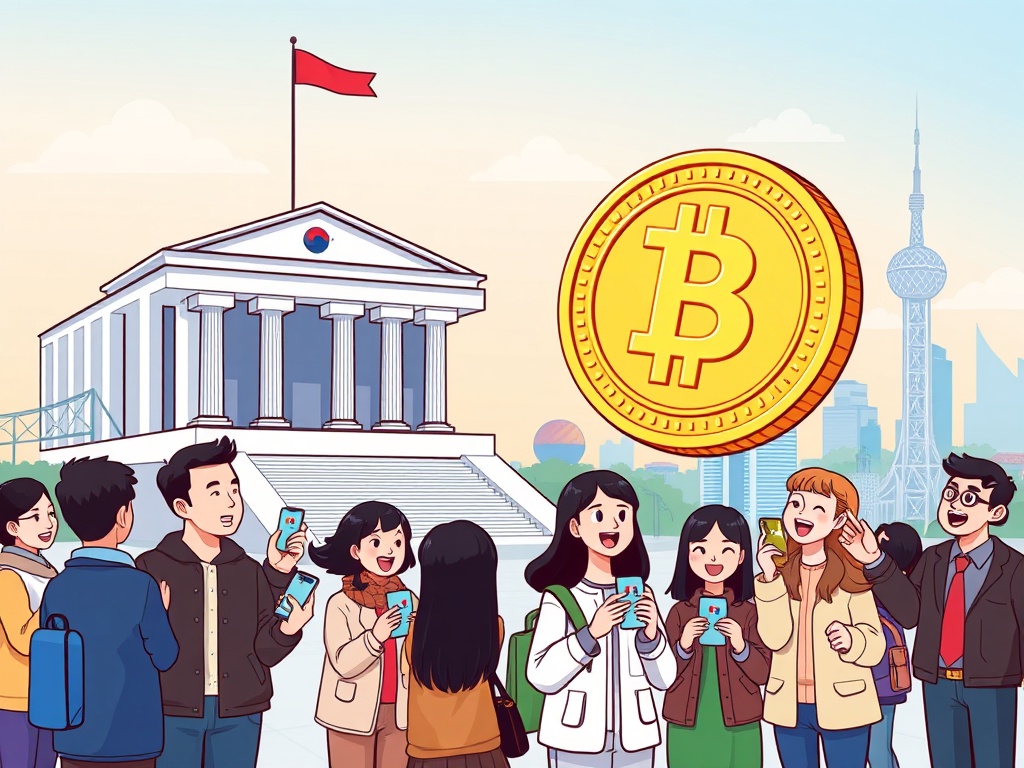
Imagine a world where government aid reaches citizens instantly, securely, and transparently, without the usual delays or administrative hurdles. South Korea is on the cusp of making this a reality. The nation is embarking on a significant pilot program, exploring how a South Korean digital currency could revolutionize the distribution of government subsidies. This groundbreaking initiative could redefine financial inclusion and efficiency for millions.

South Korean Digital Currency: A New Era for Subsidies?

South Korea’s central bank, in close collaboration with the government and six of the nation’s most prominent commercial banks, is pushing forward with an ambitious pilot program. As reported by Yonhap News, this test aims to distribute government subsidies using a new form of South Korean digital currency. This isn’t just a minor upgrade; it represents a fundamental shift in how public funds could reach their intended recipients.

The participating financial institutions are household names across South Korea, including:

  • KB Kookmin
  • Shinhan
  • Hana
  • Woori
  • NH Nonghyup
  • Industrial Bank of Korea (IBK)

Together, these banks will play a pivotal role in verifying the practical feasibility of delivering and utilizing existing government-guaranteed subsidies and vouchers directly in a digital currency format.

What’s Driving South Korea’s Digital Currency Initiative?

The motivation behind exploring a South Korean digital currency for subsidies is multifaceted. Governments worldwide are increasingly looking for more efficient, transparent, and cost-effective ways to manage public funds. Traditional distribution methods often involve significant administrative overhead, potential for fraud, and delays. A digital currency system, however, promises to streamline these processes considerably.

This pilot is not just about technology; it’s about improving public service. It seeks to ensure that financial aid reaches those who need it most, faster and with greater accountability. Furthermore, the initiative aligns with global trends as many central banks explore Central Bank Digital Currencies (CBDCs) to modernize their financial infrastructures and maintain monetary stability in an increasingly digital world. This move positions South Korea at the forefront of financial innovation.

How Will This South Korean Digital Currency Pilot Work?

The core of the pilot involves verifying the end-to-end process of digital subsidy distribution. This means testing how the digital currency is issued, how recipients receive it, and how they ultimately spend it. Imagine a scenario where a citizen eligible for a government voucher receives the equivalent value directly into a digital wallet on their phone, rather than waiting for a physical card or bank transfer.

The test will focus on critical aspects such as:

  • Seamless Delivery: Ensuring the digital currency reaches recipients without technical glitches.
  • Ease of Use: Making sure the digital currency is user-friendly for spending on eligible goods and services.
  • Security: Protecting transactions and user data from potential threats.
  • Interoperability: Confirming the digital currency can work with existing payment systems and merchant networks.

This hands-on approach will provide invaluable insights into the practical challenges and opportunities of implementing a widespread South Korean digital currency system for public welfare.

Benefits and Potential Challenges of Digital Currency

The potential benefits of using a South Korean digital currency for government subsidies are compelling. Firstly, it could significantly reduce the time and cost associated with distributing aid, leading to faster relief for citizens. Secondly, it offers enhanced transparency, allowing for better tracking of funds and reducing the scope for misuse or fraud. Moreover, it could promote financial inclusion by providing access to digital financial services for those who might be unbanked or underbanked.

However, implementing such a system also presents challenges. Addressing the ‘digital divide’ is crucial, ensuring that elderly or less tech-savvy individuals are not excluded. Privacy concerns regarding transaction data will need robust safeguards. Cybersecurity remains a paramount consideration, requiring advanced protection against hacks and system failures. The pilot program will be instrumental in identifying and addressing these complex issues.

The Future of South Korean Digital Currency and Beyond

This pilot program is more than just a technical exercise; it is a strategic exploration into the future of public finance. If successful, the insights gained could pave the way for broader adoption of a South Korean digital currency, not just for subsidies but potentially for other government payments and even everyday transactions. It signals a clear commitment from South Korea to embrace digital transformation in its financial infrastructure.

The world watches as South Korea takes these decisive steps. The outcomes of this pilot will offer valuable lessons for other nations contemplating similar digital currency initiatives. It underscores a global movement towards a more digitized, efficient, and interconnected financial landscape.

South Korea’s bold step into testing a digital currency for government subsidies marks a significant moment in financial innovation. This pilot, involving major banks and the central government, promises to deliver crucial insights into the feasibility, benefits, and challenges of digitalizing public aid. It represents a potential leap forward in efficiency, transparency, and financial inclusion, shaping the future of how governments serve their citizens in a digital age.

Frequently Asked Questions (FAQs)

What is a ‘digital currency’ in the context of this South Korean pilot?

In this pilot, a ‘digital currency’ refers to a digital form of the South Korean Won, issued and backed by the central bank, specifically for distributing government subsidies. It is not a volatile cryptocurrency like Bitcoin, but a stable digital representation of the national currency.

Which major banks are participating in the South Korean digital currency pilot?

Six major commercial banks are involved: KB Kookmin, Shinhan, Hana, Woori, NH Nonghyup, and the Industrial Bank of Korea (IBK).

What are the main goals of the pilot program?

The primary goals are to verify the feasibility, efficiency, and security of delivering and using government subsidies and vouchers in a digital currency format. It also aims to understand the practical challenges and benefits for both the government and recipients.

Will this South Korean digital currency replace physical cash for everyone?

No, the pilot is specifically for government subsidies and vouchers. There is no indication that it will replace physical cash for general use in the immediate future. It is an exploration of a specific use case for digital currency.

What benefits could citizens see from this digital currency system?

Citizens could experience faster receipt of subsidies, reduced administrative hurdles, and potentially more secure and transparent transactions compared to traditional methods.

Share This Revolutionary News!

Did you find this insight into South Korea’s digital currency pilot fascinating? Share this article with your friends, family, and colleagues on social media to spread awareness about this groundbreaking financial innovation! Your engagement helps keep the conversation going about the future of digital finance.

To learn more about the latest crypto market trends, explore our article on key developments shaping Bitcoin price action.

This post South Korean Digital Currency Pilot: A Groundbreaking Leap for Government Subsidies first appeared on BitcoinWorld and is written by Editorial Team

시장 기회
스레숄드 로고
스레숄드 가격(T)
$0.00622
$0.00622$0.00622
+0.37%
USD
스레숄드 (T) 실시간 가격 차트
면책 조항: 본 사이트에 재게시된 글들은 공개 플랫폼에서 가져온 것으로 정보 제공 목적으로만 제공됩니다. 이는 반드시 MEXC의 견해를 반영하는 것은 아닙니다. 모든 권리는 원저자에게 있습니다. 제3자의 권리를 침해하는 콘텐츠가 있다고 판단될 경우, crypto.news@mexc.com으로 연락하여 삭제 요청을 해주시기 바랍니다. MEXC는 콘텐츠의 정확성, 완전성 또는 시의적절성에 대해 어떠한 보증도 하지 않으며, 제공된 정보에 기반하여 취해진 어떠한 조치에 대해서도 책임을 지지 않습니다. 본 콘텐츠는 금융, 법률 또는 기타 전문적인 조언을 구성하지 않으며, MEXC의 추천이나 보증으로 간주되어서는 안 됩니다.

USD1 Genesis: 0 Fees + 12% APR

USD1 Genesis: 0 Fees + 12% APRUSD1 Genesis: 0 Fees + 12% APR

New users: stake for up to 600% APR. Limited time!