The post Japan’s National Leadership Change: What It Means to Crypto appeared on BitcoinEthereumNews.com. Japanese Prime Minister Shigeru Ishiba announced his resignation on September 7, citing completed US trade negotiations and growing internal party dissent. His departure triggers a leadership contest within the ruling party. The change raises uncertainty over Japan’s economic direction, including cryptocurrency regulation and digital industry policies that had gained momentum under his administration. Ishiba Steps Down After Mounting Pressure Sponsored Prime Minister Shigeru Ishiba confirmed on Saturday that he will resign, ending his tenure earlier than expected. The announcement followed weeks of internal pressure for an earlier leadership election. Many viewed this as a vote of no confidence. Now that Ishiba is stepping down, the party no longer needs the vote. Instead, the party will hold a new leadership contest to select Ishiba’s successor. He also made clear that he would not be a candidate. Ishiba said he timed his decision with the conclusion of trade talks with the US. President Donald Trump had just signed an executive order reducing automobile tariffs. The decision reflects broader political turmoil. Following the ruling party’s heavy defeat in July’s upper house elections, opposition parties and many within the LDP pressed for Ishiba’s resignation. On September 2, four senior party executives, including Secretary-General Hiroshi Moriyama, resigned simultaneously, leaving the prime minister politically isolated. Implications for Crypto and Digital Policy Sponsored Ishiba’s exit holds particular implications for Japan’s crypto and Web3 ecosystem. In late August, he addressed a Web3 event in Tokyo, emphasizing that startups like blockchain and AI are essential to Japan’s economic growth and solutions to social challenges. He had signaled continued support for investment and regulatory reforms in the digital sector. Yet with new leadership imminent, the policy direction is uncertain. Former Economic Security Minister Sanae Takaichi and Agriculture Minister Shinjiro Koizumi have emerged as potential frontrunners. A public opinion survey conducted… The post Japan’s National Leadership Change: What It Means to Crypto appeared on BitcoinEthereumNews.com. Japanese Prime Minister Shigeru Ishiba announced his resignation on September 7, citing completed US trade negotiations and growing internal party dissent. His departure triggers a leadership contest within the ruling party. The change raises uncertainty over Japan’s economic direction, including cryptocurrency regulation and digital industry policies that had gained momentum under his administration. Ishiba Steps Down After Mounting Pressure Sponsored Prime Minister Shigeru Ishiba confirmed on Saturday that he will resign, ending his tenure earlier than expected. The announcement followed weeks of internal pressure for an earlier leadership election. Many viewed this as a vote of no confidence. Now that Ishiba is stepping down, the party no longer needs the vote. Instead, the party will hold a new leadership contest to select Ishiba’s successor. He also made clear that he would not be a candidate. Ishiba said he timed his decision with the conclusion of trade talks with the US. President Donald Trump had just signed an executive order reducing automobile tariffs. The decision reflects broader political turmoil. Following the ruling party’s heavy defeat in July’s upper house elections, opposition parties and many within the LDP pressed for Ishiba’s resignation. On September 2, four senior party executives, including Secretary-General Hiroshi Moriyama, resigned simultaneously, leaving the prime minister politically isolated. Implications for Crypto and Digital Policy Sponsored Ishiba’s exit holds particular implications for Japan’s crypto and Web3 ecosystem. In late August, he addressed a Web3 event in Tokyo, emphasizing that startups like blockchain and AI are essential to Japan’s economic growth and solutions to social challenges. He had signaled continued support for investment and regulatory reforms in the digital sector. Yet with new leadership imminent, the policy direction is uncertain. Former Economic Security Minister Sanae Takaichi and Agriculture Minister Shinjiro Koizumi have emerged as potential frontrunners. A public opinion survey conducted…

Japan’s National Leadership Change: What It Means to Crypto

2025/09/08 11:24
4분 읽기
이 콘텐츠에 대한 의견이나 우려 사항이 있으시면 crypto.news@mexc.com으로 연락주시기 바랍니다

Japanese Prime Minister Shigeru Ishiba announced his resignation on September 7, citing completed US trade negotiations and growing internal party dissent. His departure triggers a leadership contest within the ruling party.

The change raises uncertainty over Japan’s economic direction, including cryptocurrency regulation and digital industry policies that had gained momentum under his administration.

Ishiba Steps Down After Mounting Pressure

Sponsored

Prime Minister Shigeru Ishiba confirmed on Saturday that he will resign, ending his tenure earlier than expected. The announcement followed weeks of internal pressure for an earlier leadership election. Many viewed this as a vote of no confidence.

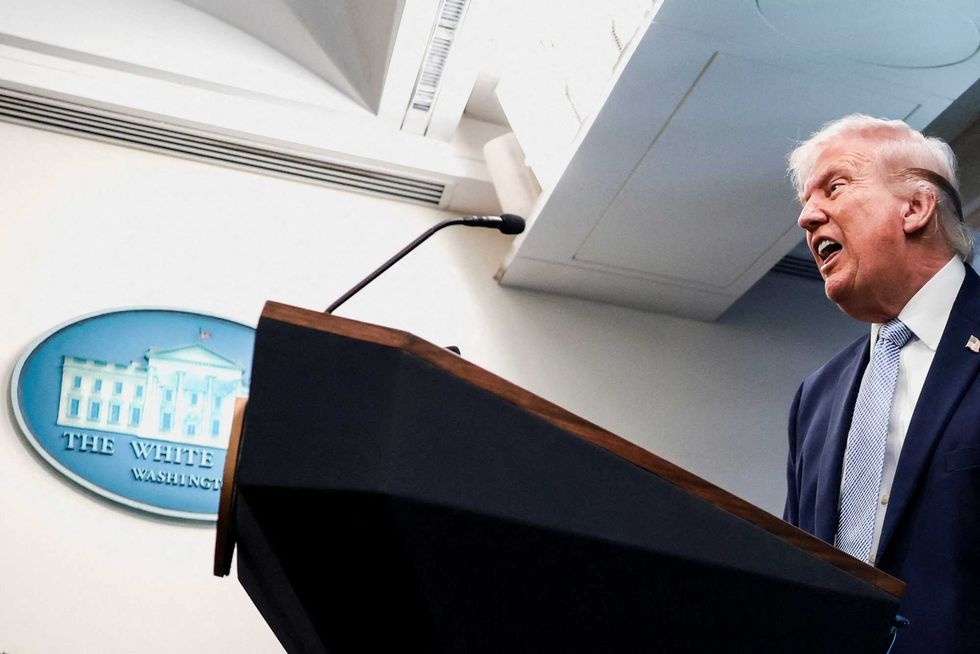
Now that Ishiba is stepping down, the party no longer needs the vote. Instead, the party will hold a new leadership contest to select Ishiba’s successor. He also made clear that he would not be a candidate. Ishiba said he timed his decision with the conclusion of trade talks with the US. President Donald Trump had just signed an executive order reducing automobile tariffs.

The decision reflects broader political turmoil. Following the ruling party’s heavy defeat in July’s upper house elections, opposition parties and many within the LDP pressed for Ishiba’s resignation. On September 2, four senior party executives, including Secretary-General Hiroshi Moriyama, resigned simultaneously, leaving the prime minister politically isolated.

Implications for Crypto and Digital Policy

Sponsored

Ishiba’s exit holds particular implications for Japan’s crypto and Web3 ecosystem. In late August, he addressed a Web3 event in Tokyo, emphasizing that startups like blockchain and AI are essential to Japan’s economic growth and solutions to social challenges. He had signaled continued support for investment and regulatory reforms in the digital sector.

Yet with new leadership imminent, the policy direction is uncertain. Former Economic Security Minister Sanae Takaichi and Agriculture Minister Shinjiro Koizumi have emerged as potential frontrunners.

A public opinion survey conducted by the Nikkei last month placed Takaichi at the top with 23% support as the next prime minister. Koizumi, a son of former PM Junichiro Koizumi, followed with 22%. Prime Minister Ishiba ranked third with 8%.

Their respective stances on digital assets differ in tone, though neither has laid out a comprehensive framework.

Sponsored

In March, Takaichi submitted a proposal calling for the creation of a framework that would allow financial institutions, including cryptocurrency exchanges, to share information on suspicious transactions. This system would enable earlier account freezes. Since this proposal was realized, Takaichi may be viewed as leaning toward stricter regulation.

Koizumi has not outlined a detailed policy. Still, his comments suggest a more open stance toward digitalization. He has occasionally made remarks that could be interpreted as supportive of cryptocurrency and stablecoins.

Industry advocates say Ishiba’s administration had been receptive to crypto tax reform proposals. Much of this momentum came from Digital Minister Masaaki Taira, a known supporter of easing restrictions on digital asset transactions. Whether this momentum will continue depends on the LDP’s next leader.

Sponsored

Market Reaction and Crypto-Linked Stocks

The financial markets reacted quickly to Ishiba’s announcement. The yen weakened, trading at $0.0067 (148.48 yen) against the US dollar Monday morning, a decline of more than 1% from the previous day.

Sponsored

According to Tomoyuki Ueno, chief economist at NLI Research Institute, expectations of fiscal expansion could prompt further yen depreciation, with scope for an additional $0.013 (2 yen) decline against the dollar.

Crypto-related stocks, especially DAT companies’ stocks, showed early signs of buying interest. At the time of writing, Metaplanet rose to ¥716 (+0.42%), Remixpoint climbed to ¥317 (+1.37%), Ikuyo traded at ¥1,152 (+0.17%), and Livwork advanced to ¥793 (+1.93%). Market analysts suggest these moves reflect investor anticipation of policy changes that could reshape Japan’s role in digital finance.

The outcome of the LDP leadership contest will ultimately determine whether Japan pursues tighter regulatory oversight of cryptocurrencies or continues Ishiba’s gradual path of encouraging innovation while aligning with international standards.

Source: https://beincrypto.com/japans-national-leadership-change-what-it-means-to-crypto/

시장 기회
OFFICIAL TRUMP 로고
OFFICIAL TRUMP 가격(TRUMP)
$2,875
$2,875$2,875
-1,50%
USD
OFFICIAL TRUMP (TRUMP) 실시간 가격 차트
면책 조항: 본 사이트에 재게시된 글들은 공개 플랫폼에서 가져온 것으로 정보 제공 목적으로만 제공됩니다. 이는 반드시 MEXC의 견해를 반영하는 것은 아닙니다. 모든 권리는 원저자에게 있습니다. 제3자의 권리를 침해하는 콘텐츠가 있다고 판단될 경우, crypto.news@mexc.com으로 연락하여 삭제 요청을 해주시기 바랍니다. MEXC는 콘텐츠의 정확성, 완전성 또는 시의적절성에 대해 어떠한 보증도 하지 않으며, 제공된 정보에 기반하여 취해진 어떠한 조치에 대해서도 책임을 지지 않습니다. 본 콘텐츠는 금융, 법률 또는 기타 전문적인 조언을 구성하지 않으며, MEXC의 추천이나 보증으로 간주되어서는 안 됩니다.

USD1 Genesis: 0 Fees + 12% APR

USD1 Genesis: 0 Fees + 12% APRUSD1 Genesis: 0 Fees + 12% APR

New users: stake for up to 600% APR. Limited time!