

Educational Byte: What is Phishing in Crypto and How to Protect from It
Phishing is a type of scam where someone tricks you into giving away private information, like your password or wallet keys. In crypto, this often involves fake websites, impersonated apps, or people pretending to be someone they’re not (like support agents or project admins) to get access to your wallet and steal your funds.
It’s also widespread. In the first quarter of 2025 alone, the international non-profit Anti-Phishing Working Group (APWG) recorded over one million phishing attacks worldwide. That’s the highest number since 2023. And crypto users are prime targets, especially when they’re distracted or unsure of what to trust.
If you use a wallet, trade tokens, or just explore crypto projects, understanding how phishing works is one of the best ways to protect your funds. Because it’s not just about technology, it’s about manipulation and social engineering. And scammers know exactly how to fake their way in.
What Does Phishing Look Like in Crypto?
Phishing in crypto comes in many forms, but the goal is always the same: get you to hand over control of your wallet. Some scams look like helpful tools. Fake sites copy real platforms like MetaMask or Uniswap. Sometimes they show up at the top of search results as ads. One wrong click and you're on a page that asks for your seed phrase or tricks you into signing a malicious transaction.
Other attacks use fake job offers, especially in crypto-related communities. Scammers might invite you to download a “test task,” an unnecessary PDF of some kind, or an unfamiliar software for videoconferencing, which turns out to be malware. Or they’ll ask you to connect your wallet to a fake onboarding site.

Deepfakes are also becoming more common. Criminal groups are using AI-generated videos and phone calls to impersonate real people. In one reported case, scammers used deepfake voices and videos of celebrities to promote their fake investment platform and trick thousands into sending fiat or crypto. Through a fake call center operation from Georgia, they defrauded over 6,000 people from several countries, who lost around $35 million in total.
And then there’s Discord. If you post a support question in a public channel, expect to get a private message from someone pretending to be staff. They’ll be friendly and helpful, but they’ll eventually send you a link designed to empty your wallet.
\
How to Avoid Getting Phished
The best way to protect yourself from phishing is to slow down and stay suspicious of anything that seems helpful or urgent. Start by never sharing your seed phrase, not even with “support” staff. No real company or project will ever ask for it. More useful advice includes:
\
-
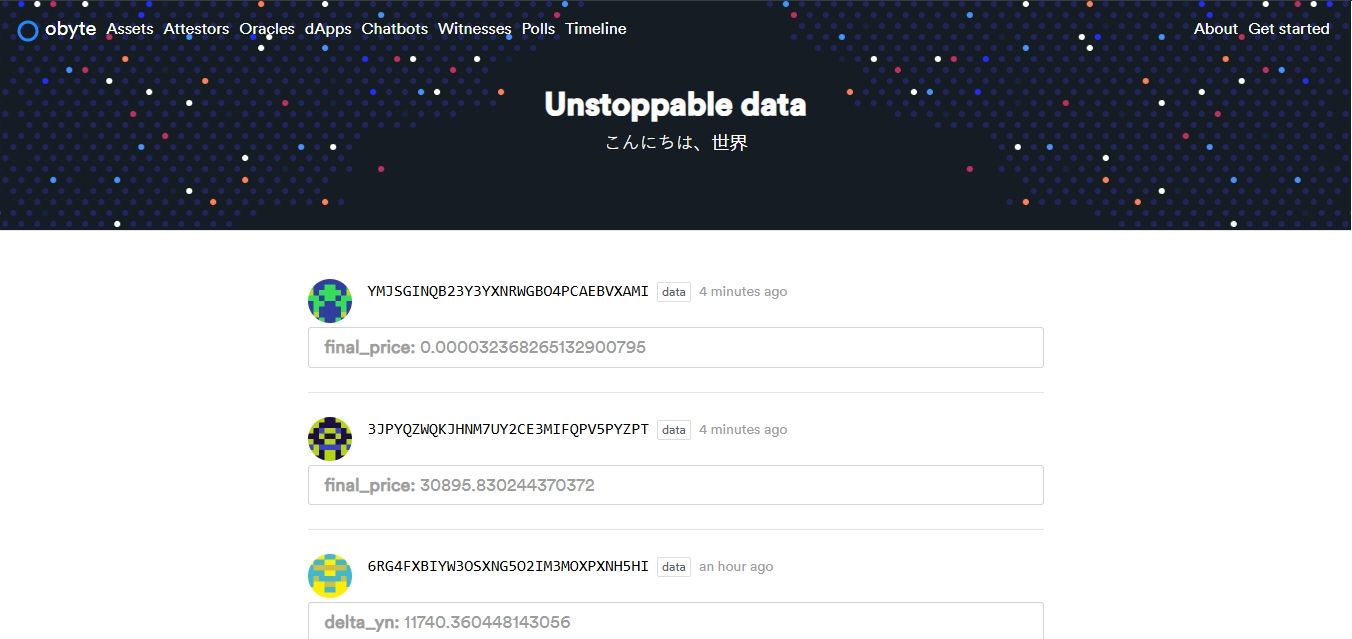
Bookmark the sites you use often, and don’t click on random ads when looking up wallet or exchange names. Typing the URL directly is safer. Take a good look at that URL, too. If it seems weird or different from the original name of the platform or the registered one in trusted sites like CoinMarketCap or even Wikipedia, it’s definitely phishing, or at least not the original website. In Obyte, for instance, the official website is Obyte.org, but there’s also a stats page with the domain Obyte.io. Different domains may be scams.
\
- Use a cold wallet for most of your funds. It adds a layer of protection if you end up on a fake site, because now your savings are off the Internet. In Obyte, you can create a cold wallet by using a simple textcoin. \n
- When it comes to deepfakes or job offers, trust your instincts. If someone seems too eager to give you a job, a too-good-to-be-true investment, or asks you to install unknown software, pause. Double-check the company, the recruiter, and the software. Call the company through a verified number before clicking any links. \n
- On Discord, never trust direct messages about support. Legit teams only help through official channels. If someone reaches out first, assume it’s a scam. You can also turn off DMs from server members in your settings.
Phishing scams succeed by catching people off guard. If you take your time, double-check sources, and never give up private info, you’ll avoid most traps.
\
Featured Vector Image by Freepik
\n


추천 콘텐츠

The List of the Most Popular Altcoins Among Users Over the Past Week Has Been Revealed – Here Are the Top 10

Bhutan offloads $40 mln Bitcoin in a week, trims BTC holdings 70% since 2024




