

Trump’s Stark Warning: US Not Ready for Iran Deal, Kharg Island Vulnerable to New Strikes
BitcoinWorld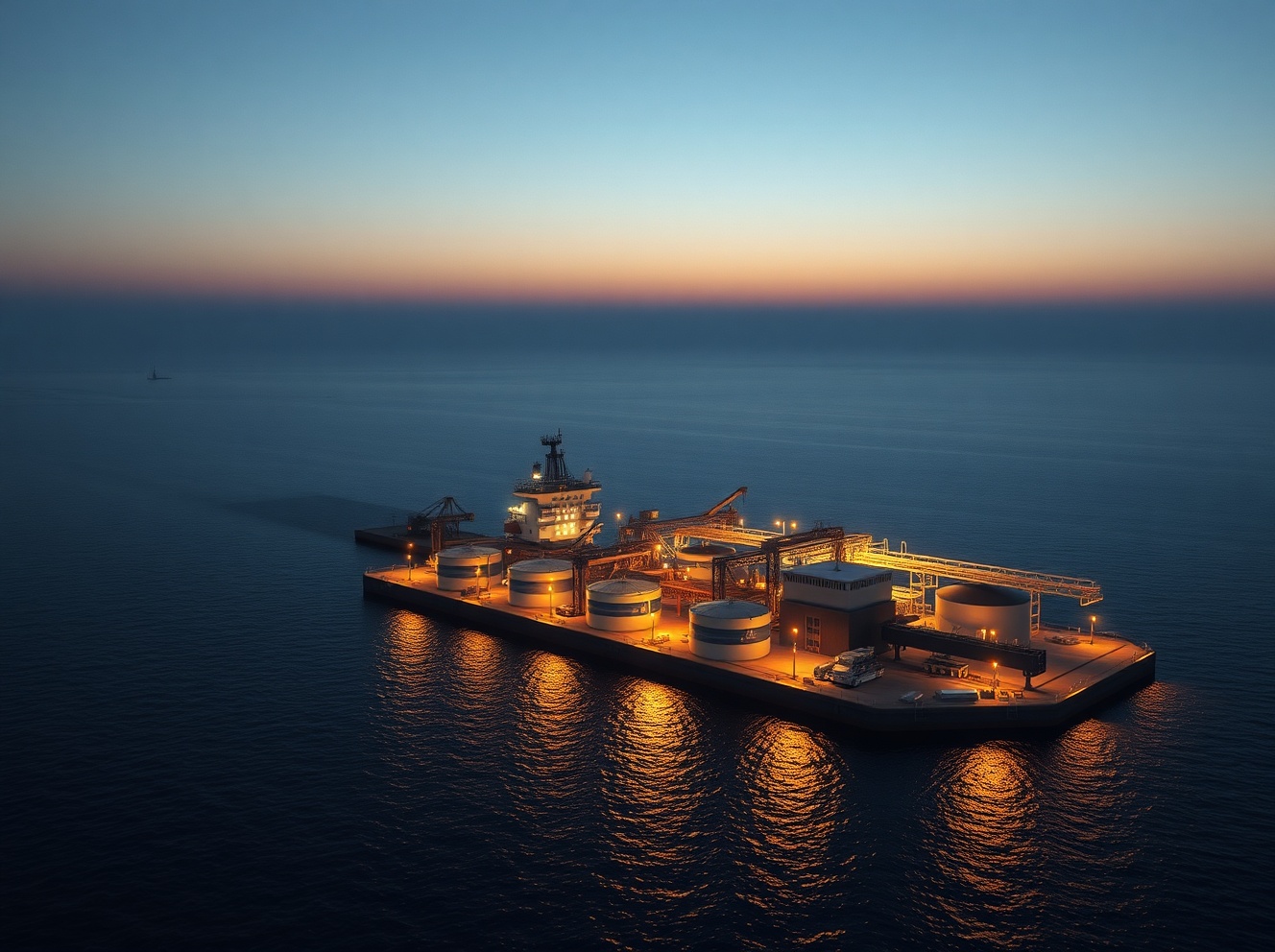
Trump’s Stark Warning: US Not Ready for Iran Deal, Kharg Island Vulnerable to New Strikes
WASHINGTON, D.C. – In a significant statement on Middle East policy, former and potential future U.S. President Donald Trump declared the United States is “not ready” for a renewed nuclear agreement with Iran. Furthermore, he issued a stark warning that Iran’s critical Kharg Island oil terminal could face military strikes again, reigniting concerns over Persian Gulf security and global energy stability. This pronouncement comes amid heightened regional tensions and complex diplomatic maneuvering ahead of the 2024 U.S. election cycle.
Trump’s Firm Stance on the Iran Nuclear Deal
Donald Trump’s recent comments represent a continuation of his long-standing skepticism toward diplomatic engagement with Tehran. Consequently, his administration unilaterally withdrew from the Joint Comprehensive Plan of Action (JCPOA) in 2018. Subsequently, he reinstated a campaign of “maximum pressure” through severe economic sanctions. Currently, he argues the foundational conditions for a viable agreement do not exist. Specifically, he cites Iran’s advancing uranium enrichment capabilities and its support for regional proxy groups. Therefore, his position directly contrasts with ongoing efforts by other world powers to revive the pact.
Analysts note this stance carries significant weight given Trump’s potential political future. “A Trump statement on Iran policy immediately recalibrates the strategic calculus in the region,” explains Dr. Anya Petrova, a senior fellow at the Center for Strategic and International Studies. “Market actors, allied governments, and adversaries all factor in the possibility of a dramatic policy shift should he return to office.” This uncertainty itself becomes a tool of statecraft, influencing behavior months or years before any official action.
The Legacy of Maximum Pressure
The previous maximum pressure campaign yielded mixed results. On one hand, it crippled Iran’s economy and slashed its oil exports. On the other hand, it prompted Tehran to ramp up nuclear activities beyond JCPOA limits. The table below outlines key outcomes:
| Metric | Pre-2018 (Under JCPOA) | Peak of Maximum Pressure (2020) | Current Status (2025) |
|---|---|---|---|
| Iranian Oil Exports | ~2.5 million barrels/day | ~300,000 barrels/day | ~1.2 million barrels/day |
| Uranium Stockpile (60% enriched) | 0 kg | 0 kg | ~142 kg |
| Breakout Time (Est.) | >1 year | >1 year | Several weeks |
This legacy forms the backdrop of Trump’s current “not ready” assessment. He views the expanded nuclear program as a demonstration that pressure must be absolute and sustained.
The Kharg Island Warning and Regional Security
The specific mention of Kharg Island marks a serious escalation in rhetoric. This facility handles approximately 90% of Iran’s crude oil exports. It has been a historical flashpoint, notably damaged during the Iran-Iraq War. A modern strike would have catastrophic consequences:
- Global Oil Shock: Immediate removal of over 1 million barrels per day from the market.
- Environmental Disaster: Potential for a massive spill in the confined waters of the Persian Gulf.
- Military Escalation: High risk of triggering a broader regional conflict involving U.S. forces and Iranian proxies.
Trump’s warning is likely a deterrent signal, aiming to curb what he perceives as Iranian aggression. However, it also raises the specter of miscalculation. “Mentioning a specific, non-military economic target like Kharg Island crosses a tacit line in strategic messaging,” notes retired Admiral James Stavridis. “It moves discussion from general military posture to explicit targeting, which can be destabilizing.”
Navigating a Crowded Strategic Waterway
The Persian Gulf remains one of the world’s most militarized waterways. The U.S. Fifth Fleet is headquartered in Bahrain, and numerous carrier strike groups patrol the area. Meanwhile, Iran has developed asymmetric naval capabilities, including swarms of fast attack craft and sophisticated anti-ship missiles. In this context, any conflict involving critical infrastructure like Kharg Island would instantly threaten the Strait of Hormuz, the chokepoint for about 20% of global oil consumption. Security experts consistently rank this scenario as a top-tier global risk.
Broader Impacts on Diplomacy and Energy Markets
Trump’s declaration immediately impacts several concurrent processes. Firstly, it complicates the already fragile negotiations between Iran and the P4+1 nations (UK, France, Germany, Russia, and China). Secondly, it injects volatility into energy markets. Traders must now price in a higher geopolitical risk premium for crude oil. Finally, it forces U.S. allies in the Gulf, such as Saudi Arabia and the United Arab Emirates, to reassess their own security and diplomatic positioning.
The reaction from European capitals has been one of concern. A senior EU diplomat, speaking on condition of anonymity, stated, “Unilateral statements that pre-judge the outcome of complex multilateral diplomacy make an already difficult process nearly impossible. It undermines the unity of purpose needed to address a shared security threat.” This highlights the enduring transatlantic divide on how to manage the Iranian challenge.
Expert Analysis on Credibility and Deterrence
From a strategic studies perspective, the warning’s effectiveness hinges on credibility. Dr. Henry Kissinger’s concept of “credible deterrence” is relevant: a threat must be believable to modify an adversary’s behavior. Trump’s history of following through on dramatic foreign policy shifts, such as the withdrawal from the JCPOA and the strike that killed Qasem Soleimani, lends his warnings significant weight in Tehran. Iranian leaders cannot dismiss them as mere political theater. This perceived credibility is a double-edged sword; it may deter but also forces Iran to prepare for worst-case scenarios, potentially accelerating its own military preparations.
Conclusion
Donald Trump’s statement that the U.S. is not ready for an Iran deal and his specific warning regarding Kharg Island represent a pivotal moment in Middle East geopolitics. This posture reaffirms a confrontational approach to Tehran, prioritizing maximum pressure over diplomatic engagement. The reference to Kharg Island explicitly links Iran’s nuclear ambitions to the security of its economic lifeline, raising the potential stakes of conflict. As the 2024 election approaches, this declaration ensures that U.S.-Iran relations will remain a volatile and central issue, with profound implications for global energy security, non-proliferation efforts, and stability in the Persian Gulf. The world will be watching to see if this stark warning remains rhetorical or becomes a blueprint for future action.
FAQs
Q1: What is Kharg Island and why is it strategically important?
Kharg Island is Iran’s primary crude oil export terminal, located in the Persian Gulf. It handles the vast majority of the country’s oil shipments, making it the cornerstone of Iran’s economy and a critical node in global energy supply chains. Its vulnerability makes it a significant strategic target.
Q2: Has Kharg Island been attacked before?
Yes, Kharg Island was repeatedly attacked by Iraqi forces during the Iran-Iraq War (1980-1988), suffering significant damage. Those “Tanker War” strikes severely disrupted Iran’s oil exports and contributed to global market instability at the time.
Q3: What is the current status of the Iran nuclear deal (JCPOA)?
As of early 2025, the JCPOA remains in a state of limbo. Iran has significantly expanded its nuclear program beyond the deal’s limits, while the U.S. and European parties maintain sanctions. Indirect talks have occurred but have not yielded a breakthrough to revive the original agreement.
Q4: How do Trump’s comments affect global oil prices?
Such warnings typically inject a “geopolitical risk premium” into oil prices. Traders factor in the increased probability of supply disruption from the Persian Gulf, which can lead to immediate price increases of several dollars per barrel, depending on the perceived severity of the threat.
Q5: What has been Iran’s response to these warnings?
Iranian officials have historically dismissed such threats from U.S. politicians as “psychological warfare.” They typically respond by vowing a “crushing” and “devastating” response to any attack on their territory or vital interests, often alluding to their ability to target U.S. assets and allies in the region through proxies or direct action.
This post Trump’s Stark Warning: US Not Ready for Iran Deal, Kharg Island Vulnerable to New Strikes first appeared on BitcoinWorld.
추천 콘텐츠

Husky Inu (HINU) Completes Move To $0.00020688

Bitcoin Could Surge to $95,894, Analyst Makes Bold Prediction
