

Coinbase Users Revolt Over Prediction Markets Push; CEO Brian Armstrong Calls It a Bug
Coinbase users pushed back sharply after the exchange sent what many considered aggressive push notifications promoting its prediction markets product, prompting CEO Brian Armstrong to publicly attribute the issue to a bug and apologize.
Coinbase’s Prediction Markets Promotion Triggers User Complaints
The backlash centered on push notifications that Coinbase sent to users promoting prediction markets, particularly tied to March Madness betting opportunities. Users took to social media to express frustration over what they described as unwanted and intrusive notifications steering them toward prediction market wagers.
Multiple users reported receiving repeated prompts to engage with prediction markets even when they had no prior interest in the product. The volume of negative feedback was significant enough to draw attention from industry media and force a response from Coinbase leadership.
Coinbase has been expanding its prediction markets offering as the sector has grown in visibility, with platforms like Polymarket driving broader interest in crypto-native betting products. The notifications appeared to be part of that expansion push, but users felt the approach crossed a line between promotion and spam. The reaction echoed past episodes where exchanges misjudged how aggressively to market new features, similar to how stablecoins processed over $33 trillion in volume in 2025 without requiring heavy-handed user nudges to gain traction.
Armstrong Calls It a Bug and Apologizes Publicly
Coinbase CEO Brian Armstrong responded publicly, characterizing the aggressive notification behavior as unintended. Armstrong stated the promotion was the result of a bug rather than a deliberate product decision, with Coinbase moving to resolve the customer complaints.
The apology was directed at users who had received the unwanted notifications. Armstrong framed the issue as a technical error in how the notifications were targeted and distributed, not as a reflection of Coinbase’s intended user experience strategy.
Coinbase indicated it was working to fix the issue. The exchange’s response suggested the notification system had misfired in terms of audience targeting or frequency controls, sending prediction markets prompts to users who should not have received them or delivering them far more often than planned. The incident adds to a broader pattern of scrutiny facing major crypto companies over how they communicate with users.
What the Backlash Signals for Coinbase’s Broader Strategy
The incident highlights a tension for Coinbase as it expands beyond core trading into newer product categories. Users who signed up for a crypto exchange may not welcome aggressive promotion of what amounts to a betting product, regardless of whether the delivery mechanism was a bug or an intentional campaign.
Coinbase has been building aggressively across the crypto ecosystem, including its Base layer-2 network, which has become one of the most active Ethereum rollups. That expansion has drawn significant DeFi activity to the Coinbase ecosystem.
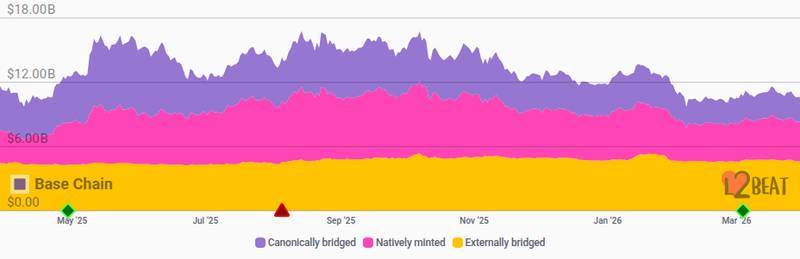 L2BEAT dataset included to support the central evidence line for base.
Base’s growing total value locked reflects the broader Coinbase strategy of becoming an infrastructure provider, not just an exchange. Prediction markets fit that ambition, but the rollout stumbled on execution.
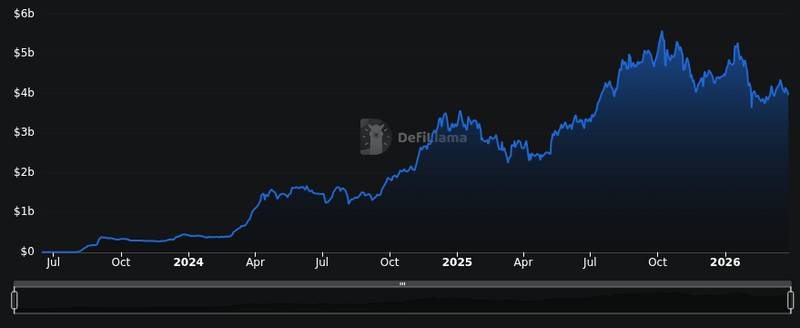 DefiLlama data panel included for the TVL and protocol-flow context on base.
The episode raised broader questions about how major exchanges communicate new product launches. As users pushed back against the prediction markets promotion, the reaction underscored that trust in notification practices is a real factor in user retention. In a market where Bitcoin recently entered a reset period after pulling back from highs, exchanges can ill afford to alienate their existing user base.
Whether Armstrong’s “bug” explanation fully satisfies critics remains an open question. The speed of the apology and the commitment to a fix suggest Coinbase recognized the reputational risk quickly, but the incident has already become a cautionary example for how not to roll out a new feature to an established user base.
Disclaimer: This article is for informational purposes only and does not constitute financial or investment advice. Cryptocurrency and digital asset markets carry significant risk. Always do your own research before making decisions.
추천 콘텐츠

Silver (XAG/USD) struggles near one-week-old range, above $68.00

Cardano’s Hoskinson Shouts Out Ripple and XRP Army: Here’s Why


