The post Music body ICMP laments “wilful” theft of artists’ work appeared on BitcoinEthereumNews.com. A major music industry group, ICMP, has lamented the use of artists’ work by AI companies, calling them guilty of “wilful” copyright infringement, as the battle between the tech firms and the arts industry continues. The Brussels-based group known as the International Confederation of Music Publishers (ICMP) comprises major record labels and other music industry professionals. Their voice adds to many others within the arts industry that have expressed displeasure at AI firms for using their creative work to train their systems without permission. ICMP accuses AI firms of deliberate copyright infringement ICMP director general John Phelan told AFP that big tech firms and AI-specific companies were involved in what he termed “the largest copyright infringement exercise that has been seen.” He cited the likes of OpenAI, Suno, Udio, and Mistral as some of the culprits. The ICMP carried out an investigation for nearly two years to ascertain how generative AI firms were using material by creatives to enrich themselves. The Brussels-based group is one of a number of industry bodies that span across news media and publishing to target the fast-growing AI sector over its use of content without paying any royalties. Suno and Udio, who are AI music generators, can produce tracks with voices, melodies, and musical styles that echo those of the original artists such as the Beatles, Depeche Mode, Mariah Carey, and the Beach boys. “What is legal or illegal is how the technologies are used. That means the corporate decisions made by the chief executives of companies matter immensely and should comply with the law,” Phelan told AFP. “What we see is they are engaged in wilful, commercial-scale copyright infringement.” Phelan. In June last year, a US trade group, the Recording Industry Association of America, filed a lawsuit against Suno and Udio. However, an exception… The post Music body ICMP laments “wilful” theft of artists’ work appeared on BitcoinEthereumNews.com. A major music industry group, ICMP, has lamented the use of artists’ work by AI companies, calling them guilty of “wilful” copyright infringement, as the battle between the tech firms and the arts industry continues. The Brussels-based group known as the International Confederation of Music Publishers (ICMP) comprises major record labels and other music industry professionals. Their voice adds to many others within the arts industry that have expressed displeasure at AI firms for using their creative work to train their systems without permission. ICMP accuses AI firms of deliberate copyright infringement ICMP director general John Phelan told AFP that big tech firms and AI-specific companies were involved in what he termed “the largest copyright infringement exercise that has been seen.” He cited the likes of OpenAI, Suno, Udio, and Mistral as some of the culprits. The ICMP carried out an investigation for nearly two years to ascertain how generative AI firms were using material by creatives to enrich themselves. The Brussels-based group is one of a number of industry bodies that span across news media and publishing to target the fast-growing AI sector over its use of content without paying any royalties. Suno and Udio, who are AI music generators, can produce tracks with voices, melodies, and musical styles that echo those of the original artists such as the Beatles, Depeche Mode, Mariah Carey, and the Beach boys. “What is legal or illegal is how the technologies are used. That means the corporate decisions made by the chief executives of companies matter immensely and should comply with the law,” Phelan told AFP. “What we see is they are engaged in wilful, commercial-scale copyright infringement.” Phelan. In June last year, a US trade group, the Recording Industry Association of America, filed a lawsuit against Suno and Udio. However, an exception…

Music body ICMP laments “wilful” theft of artists’ work

2025/09/18 04:41
Okuma süresi: 4 dk
Bu içerikle ilgili geri bildirim veya endişeleriniz için lütfen crypto.news@mexc.com üzerinden bizimle iletişime geçin.

A major music industry group, ICMP, has lamented the use of artists’ work by AI companies, calling them guilty of “wilful” copyright infringement, as the battle between the tech firms and the arts industry continues.

The Brussels-based group known as the International Confederation of Music Publishers (ICMP) comprises major record labels and other music industry professionals. Their voice adds to many others within the arts industry that have expressed displeasure at AI firms for using their creative work to train their systems without permission.

ICMP accuses AI firms of deliberate copyright infringement

ICMP director general John Phelan told AFP that big tech firms and AI-specific companies were involved in what he termed “the largest copyright infringement exercise that has been seen.” He cited the likes of OpenAI, Suno, Udio, and Mistral as some of the culprits.

The ICMP carried out an investigation for nearly two years to ascertain how generative AI firms were using material by creatives to enrich themselves.

The Brussels-based group is one of a number of industry bodies that span across news media and publishing to target the fast-growing AI sector over its use of content without paying any royalties.

Suno and Udio, who are AI music generators, can produce tracks with voices, melodies, and musical styles that echo those of the original artists such as the Beatles, Depeche Mode, Mariah Carey, and the Beach boys.

“What is legal or illegal is how the technologies are used. That means the corporate decisions made by the chief executives of companies matter immensely and should comply with the law,” Phelan told AFP.

In June last year, a US trade group, the Recording Industry Association of America, filed a lawsuit against Suno and Udio. However, an exception is Eleven Music, another AI-generated music service provider, which, according to Phelan, signed a deal with the Kobalt record label in August.

According to AFP, tech firms normally invoke “fair use,” which is a copyright exception that allows the use of creative works without permission under certain circumstances. Tech firms OpenAI, Google, Mistral, Suno, and Udio did not comment on the matter.

Research done by the ICMP revealed that AI firms had done widespread “scraping,” which is a practice that uses programs that are known as “crawlers” that explore the internet for content. The research was first published in music outlet Billboard earlier this month.

With these programs, AI firms can harvest lyrics for their models, which then utilize them to recreate them without permission from the original artist, according to the ICMP.

Artists want enhanced transparency

To ensure there is transparency, rights holders want tougher regulation, which can be achieved through the European Union’s Artificial Intelligence Act.

“It is essential to understand the scale of the threat facing authors, composers and publishers,” warned Juliette Metz, president of the French music publishers’ association and also an ICMP member.

The battle between AI firms and the arts industry has intensified as the AI industry continues to grow. In the US, Anthropic agreed to pay at least $1.5 billion into a compensation fund for authors, rights holders, and publishers after they sued the AI startup for illegally downloading millions of books to train its systems.

Universal, Warner, and Sony, US-based music majors, are negotiating with Suno and Udio with the hope of striking a licensing deal. This comes as AI-generated music is already finding its way into streaming platforms.

According to AFP, AI-generated music accounts for 28% of music that is uploaded on the French music platform known as Deezer, and it has reportedly ballooned over the past year in uploads.

A study carried out by the International Confederation of Societies of Authors and Composers (CISAC) an industry body that represents more than five million creators worldwide, warned about the adverse impacts of AI-generated music. It argues that artists’ income may shrink by as much as 20% in the next four years due to growing AI-made music.

In the UK, top artists have also expressed concerns about the growing use of their work by AI firms. They have called on the government to protect their work from AI exploitation. This came after the government indicated plans to permit AI developers to train systems on books, lyrics, scripts, and music without prior permission, which were condemned by artists. Top British musician Elton John said such a policy leaves the door wide open for an artist’s life’s work to be stolen.

Want your project in front of crypto’s top minds? Feature it in our next industry report, where data meets impact.

Source: https://www.cryptopolitan.com/music-body-icmp-laments-wilful-theft/
Sorumluluk Reddi: Bu sitede yeniden yayınlanan makaleler, halka açık platformlardan alınmıştır ve yalnızca bilgilendirme amaçlıdır. MEXC'nin görüşlerini yansıtmayabilir. Tüm hakları telif sahiplerine aittir. Herhangi bir içeriğin üçüncü taraf haklarını ihlal ettiğini düşünüyorsanız, kaldırılması için lütfen crypto.news@mexc.com ile iletişime geçin. MEXC, içeriğin doğruluğu, eksiksizliği veya güncelliği konusunda hiçbir garanti vermez ve sağlanan bilgilere dayalı olarak alınan herhangi bir eylemden sorumlu değildir. İçerik, finansal, yasal veya diğer profesyonel tavsiye niteliğinde değildir ve MEXC tarafından bir tavsiye veya onay olarak değerlendirilmemelidir.

Ayrıca Şunları da Beğenebilirsiniz

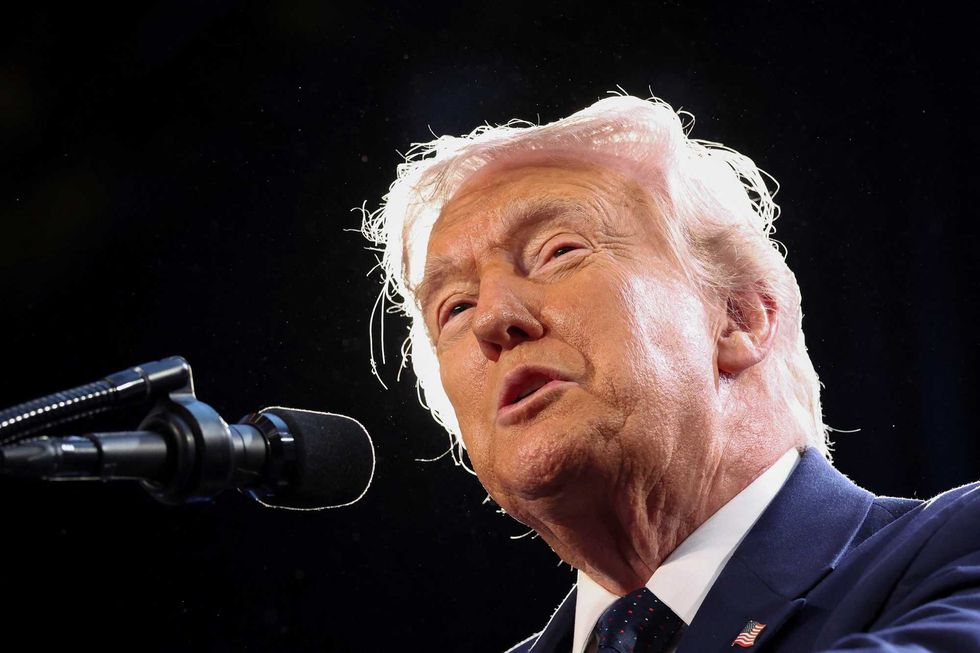
This is Trump's tell that all isn't well

This is Trump's tell that all isn't well

Years ago, I was drinking with friends in a dive bar with a jukebox. I went over, quarters in hand, and noticed “It’s the Same Old Song” by the Four Tops, sitting
Paylaş
Rawstory2026/03/10 17:30
How The ByteDance App Survived Trump And A US Ban

How The ByteDance App Survived Trump And A US Ban

The post How The ByteDance App Survived Trump And A US Ban appeared on BitcoinEthereumNews.com. WASHINGTON, DC – MARCH 13: Participants hold signs in support of TikTok outside the U.S. Capitol Building on March 13, 2024 in Washington, DC. (Photo by Anna Moneymaker/Getty Images) Getty Images From President Trump’s first ban attempt to a near-blackout earlier this year, TikTok’s five-year roller coaster ride looks like it’s finally slowing down now that Trump has unveiled a deal framework to keep the ByteDance app alive in the U.S. A look back at the saga around TikTok starting in 2020, however, shows just how close the app came to being shut out of the US – how it narrowly averted a ban and forced sale that found rare bipartisan backing in Washington. Recapping TikTok’s dramatic five-year battle When I interviewed Brendan Carr back in 2022, for example, the future FCC chairman was already certain at that point that TikTok’s days were numbered. For a litany of perceived sins — everything from the too-cozy relationship of the app’s parent company with China’s ruling regime to the app’s repeated floating of user privacy — Carr was already convinced, at least during his conversation with me, that: “The tide is going out on TikTok.” It was, in fact, one of the few issues that Washington lawmakers seemed to agree on. Even then-President Biden was on board, having resurrected Trump’s aborted TikTok ban from his first term and signed it into law. “It feels different now than it did two years ago at the end of the Trump administration, when concerns were first raised,” Carr told me then, in August of 2022. “I think, like a lot of things in the Trump era, people sort of picked sides on the issue based on the fact that it was Trump.” One thing led to another, though, and it looked like Carr was probably…
Paylaş
BitcoinEthereumNews2025/09/18 07:29
Pudgy Penguins (PENGU) Price: Token Rises 9% After Pudgy World Game Launch

Pudgy Penguins (PENGU) Price: Token Rises 9% After Pudgy World Game Launch

TLDR Pudgy Penguins launched Pudgy World, a browser-based game with 12 towns, quests, and mini-games The PENGU token rose around 9% following the launch announcement
Paylaş
Coincentral2026/03/10 17:22