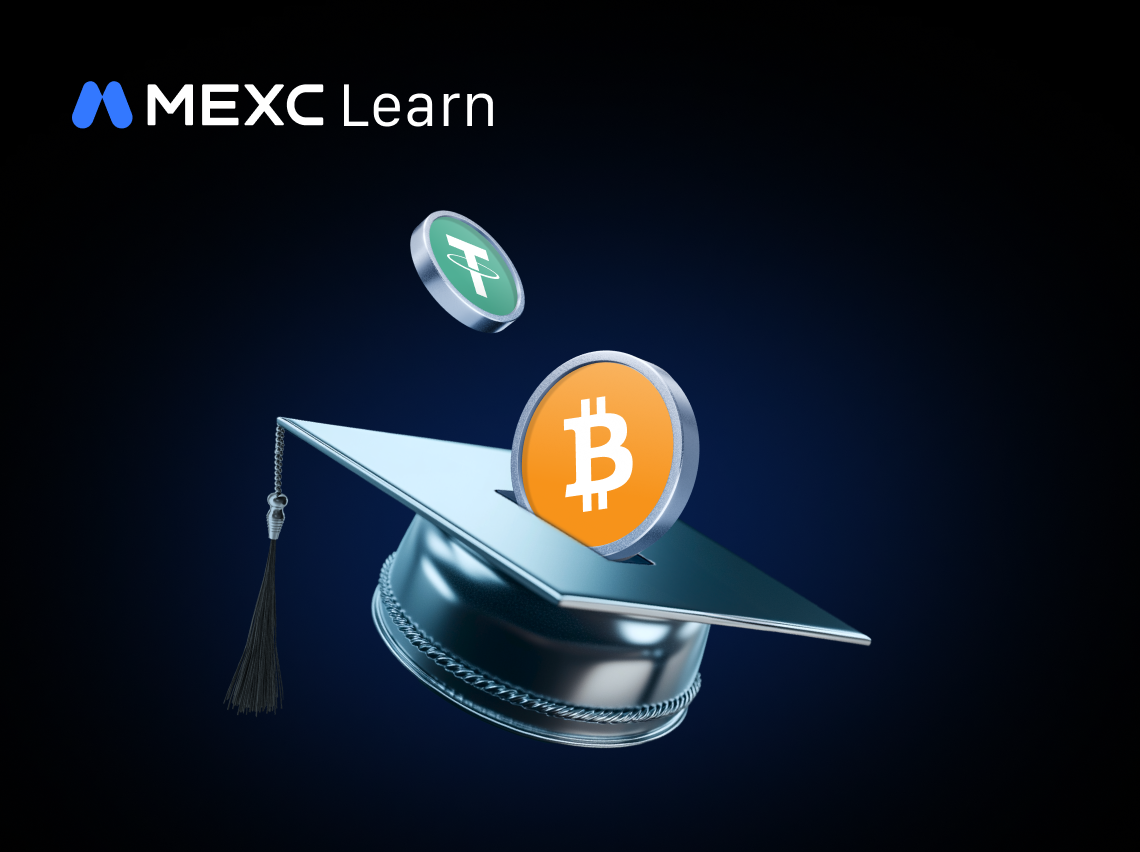
Tether (USDT), originally launched as RealCoin in 2014,has evolved into the most widely used stablecoin in the cryptocurrency market. Tether’s growth has significantly contributed to marketTether (USDT), originally launched as RealCoin in 2014,has evolved into the most widely used stablecoin in the cryptocurrency market. Tether’s growth has significantly contributed to market
Навчання/Cryptocurrency Knowledge/Hot Concepts/The Evoluti...n Dominance

The Evolution of Tether: From RealCoin to Global Stablecoin Dominance

Новачок
Sep 21, 2026MEXC
0m
DeFi
DEFI$0.0001129+5.81%
Tether (USDT), originally launched as RealCoin in 2014,has evolved into the most widely used stablecoin in the cryptocurrency market. Tether’s growth has significantly contributed to market liquidity, and it now serves as an essential tool for traders, investors, and DeFi (Decentralized Finance) applications.


TL;DR


  • Tether (USDT) started as RealCoin in 2014, created to provide a digital representation of the US Dollar with stability.
  • Over time, Tether has expanded its use across exchanges, DeFi platforms, and as a key trading pair with major cryptocurrencies like Bitcoin (BTC) and Ethereum (ETH).
  • USDT’s dominance is clear, but its role continues to evolve as market demand and regulatory scrutiny increase.
  • Tether’s evolution highlights its pivotal role in price discovery, liquidity provision, and market risk management.
  • Tether’s continued growth will depend on its ability to navigate regulatory challenges and adapt to changing market dynamics.

Introduction


Tether (USDT), initially known as RealCoin, was created in 2014 as a stablecoin designed to address the volatility issues that plagued other cryptocurrencies like Bitcoin (BTC) and Ethereum (ETH). Tether’s primary goal was to offer a digital asset tied to the US Dollar, providing a more stable form of cryptocurrency for traders and investors. Since then, Tether has expanded its role in the cryptocurrency ecosystem, becoming essential to market liquidity, trading pairs, and the growing field of DeFi (Decentralized Finance).
In this article, we explore the evolution of Tether, from its early days as RealCoin to its current position as a dominant force in the cryptocurrency market. We’ll also discuss how Tether maintains its leading position and the challenges it faces, including regulatory scrutiny and market competition. If you’re seeking to understand what USDT is and how it works,What is USDT? A Complete Guide to USDT (Tether), its origin and mechanisms provides further insights.

Tether's Origins: RealCoin to Tether


Tether (USDT) began as RealCoin in 2014. The goal behind RealCoin was straightforward: to create a stable digital currency backed by the US Dollar. This was intended to provide traders with a safe harbor during periods of market volatility that typically affect cryptocurrencies like Bitcoin and Ethereum.
The founders of Tether recognized the need for a stable digital asset that would allow for less volatile trading compared to existing cryptocurrencies. RealCoin was designed to provide a 1:1 peg to the US Dollar, making it easier for users to trade with confidence. In 2015, the name was changed to Tether (USDT), reflecting its connection to fiat-backed stability and its growing use as a medium of exchange within the cryptocurrency market.

The Rise of USDT Dominance


Since its rebranding to Tether, the stablecoin has experienced rapid growth in usage and adoption. Today, USDT dominance is visible across major cryptocurrency exchanges such as MEXC, where it is frequently used for trading pairs and ensuring market stability.

USDT and Market Liquidity


The key feature of Tether is its ability to maintain a 1:1 peg to the US Dollar, making it an attractive option for traders seeking stability while remaining active in the highly volatile cryptocurrency markets. By using USDT, traders can hedge against the price fluctuations of other cryptocurrencies like Bitcoin and Ethereum.


Beyond exchanges, Tether’s dominance extends into DeFi, where it is used for lending, liquidity provision, and yield farming. Tether plays a crucial role in maintaining high liquidity, ensuring that decentralized platforms have the necessary resources to operate efficiently. Its stability provides security and predictability, which are essential for the broader adoption of DeFi.

Tether and Regulatory Challenges


As Tether (USDT) has grown, so has the attention it receives from regulators. One of the primary concerns surrounding USDT is reserve management. While Tether claims that each USDT is fully backed by fiat reserves, the company has faced multiple regulatory inquiries regarding the transparency of these reserves. The most notable investigation occurred in 2021, when the New York Attorney General’s office looked into allegations that Tether had misrepresented its reserves.

To address these concerns, Tether has increased its transparency by releasing quarterly reports and undergoing audits of its reserves. While these steps have helped build confidence, USDT’s regulatory future remains an ongoing concern. For further details on Tether’s regulatory challenges and how it’s responding, read USDT Regulatory Landscape: Compliance and Global Standards.


USDT's Role in Price Discovery and Liquidity


One of the reasons USDT has achieved dominance is its essential role in price discovery and liquidity provision. USDT trading pairs are among the most widely used across exchanges, enabling traders to efficiently convert between USDT and other cryptocurrencies like Bitcoin (BTC), Ethereum (ETH), and XRP. By providing a stable medium of exchange, Tether contributes to a more efficient trading environment.

USDT’s dominance also helps improve market efficiency. It allows institutional investors and large traders to enter or exit the market with minimal slippage, making it easier to navigate large-cap crypto markets without causing significant price movements.

Tether Price Dynamics: Volatility and Stability


While USDT is designed to be a stablecoin, its price has experienced temporary fluctuations at times. Tether’s price can sometimes deviate slightly from its 1:1 peg, particularly during market turmoil or when there are large liquidity surges. These deviations tend to be short-lived, as Tether’s reserve management system is designed to quickly restore the 1:1 peg.

Tether price fluctuations are an essential consideration for traders who use USDT for liquidity provision. Understanding Tether’s price behavior during volatile periods can help users make informed decisions when using USDT for trading or investing.

The Future of Tether: Challenges and Growth


Looking ahead, Tether will likely continue to face regulatory challenges, competition from other stablecoins like USDC and USDS, and pressures from evolving market dynamics. However, Tether’s dominance remains significant, and its central role in DeFi, trading pairs, and market liquidity positions it as a key player in the future of digital finance. Tether’s ability to adapt to regulatory challenges and market demands will be critical to its long-term success.

Frequently Asked Questions (FAQ)


What is Tether (USDT) and why is it important in the crypto market?

Tether (USDT) is a stablecoin that is pegged 1:1 to the US Dollar, providing stability in the volatile cryptocurrency market. It is widely used for liquidity, trading pairs, and market efficiency.

How did Tether evolve from RealCoin to USDT?

Tether, initially called RealCoin, was launched in 2014 as a digital representation of the US Dollar. It was later rebranded to Tether (USDT) to reflect its use in stabilizing cryptocurrency transactions.

What role does Tether play in DeFi?

Tether (USDT) plays a crucial role in DeFi by providing liquidity for lending, yield farming, and decentralized exchanges, where it serves as a stable collateral and trading pair.

What challenges does Tether face regarding reserve management?

Tether has faced scrutiny regarding its reserve management and transparency, especially after regulatory investigations into whether its reserves match the amount of USDT in circulation.

How does Tether’s dominance affect the broader crypto market?

Tether’s dominance helps improve market liquidity, ensures price discovery, and reduces volatility during times of market uncertainty, making it a key asset for both institutional and retail traders.

Conclusion


Tether’s evolution from RealCoin to USDT has solidified its role as a dominant stablecoin in the cryptocurrency market.By providing liquidity, enabling price discovery, and stabilizing volatile markets, Tether has become indispensable for both crypto traders and institutions. As USDT dominance continues to grow, Tether will need to navigate regulatory challenges, reserve management, and competition from other stablecoins to maintain its position in the evolving digital asset space.

Disclaimer


This article is for educational purposes only and does not constitute financial advice. Cryptocurrency markets are volatile, and the use of stablecoins like Tether (USDT) involves inherent risks. Always conduct thorough research and consider your risk tolerance before engaging in any cryptocurrency activities.
Ринкові можливості
Логотип DeFi
Курс DeFi (DEFI)
$0.0001129
$0.0001129$0.0001129
+5.12%
USD
Графік ціни DeFi (DEFI) в реальному часі

Популярні статті

Докладніше
Що таке StableFund? Tether і Fasanara запускають приватний кредитний фонд на $400 млн

Що таке StableFund? Tether і Fasanara запускають приватний кредитний фонд на $400 млн

Tether виводить USDT за межі криптовалютної торгівлі та платежів в один із найшвидше зростаючих ринків традиційних фінансів: приватний кредит. 9 вересня 2026 року Tether та лондонський керуючий актива
Стейблкоїни проти токенізованих депозитів: що може забезпечити майбутнє платежів?

Стейблкоїни проти токенізованих депозитів: що може забезпечити майбутнє платежів?

Дві версії грошей конкурують за перехід на блокчейни. Одна походить із Криптовалюта. Інша надходить від банків. Стейблкоїни, такі як USDT і USDC, уже продемонстрували, що вартість, номінована в долара
Що таке акції Sharplink (NASDAQ: SBET)? Скарбниця Ethereum, модель бізнесу, активи ETH та ризики

Що таке акції Sharplink (NASDAQ: SBET)? Скарбниця Ethereum, модель бізнесу, активи ETH та ризики

Огляд Sharplink, Inc. (NASDAQ: SBET) — це публічна компанія, основний стратегічний фокус якої зараз — управління скарбницею Ethereum. Компанія раніше була відома як SharpLink Gaming, Inc. та історично
Що таке DAPPOS (DOS)? Повний посібник з операційної системи Web3 на базі ШІ

Що таке DAPPOS (DOS)? Повний посібник з операційної системи Web3 на базі ШІ

DAPPOS — це операційна система Web3 на базі ШІ, яка досліджує, планує та виконує криптозавдання з єдиного інтерфейсу. Поставте запитання — і ШІ-агенти візьмуть на себе аналіз; схваліть план — і мережа

Популярні новини

Докладніше
Попередження Coldcard Mk3 після виведення біткоїнів на суму $38 млн, але причина залишається непідтвердженою

Попередження Coldcard Mk3 після виведення біткоїнів на суму $38 млн, але причина залишається непідтвердженою

Виробник апаратних гаманців Bitcoin Coinkite попередив користувачів про проблему з генерацією seed-фрази, яка впливає на пристрої Coldcard, включаючи кожну версію прошивки Mk3 починаючи з 4.0.1. Це по

Bitget залишає Японію: послуги для резидентів Японії припиняються 31 грудня 2026

Bitget залишає Японію: послуги для резидентів Японії припиняються 31 грудня 2026

Bitget припинить обслуговування користувачів у Японії 31 грудня 2026 року. Користувачі, яких це стосується, повинні закрити відкриті позиції та вивести активи до зазначеного терміну.

Mastercard завершує придбання BVNK на суму до $1,8 млрд — стейблкоїни виходять у центр глобальних платежів

Mastercard завершує придбання BVNK на суму до $1,8 млрд — стейблкоїни виходять у центр глобальних платежів

Mastercard завершила придбання постачальника інфраструктури для стейблкоїнів BVNK 3 серпня 2026 року після оголошення про угоду в березні.

Співвідношення обсягу спотових торгів DEX до CEX досягає 24% на тлі ослаблення активності централізованих бірж

Співвідношення обсягу спотових торгів DEX до CEX досягає 24% на тлі ослаблення активності централізованих бірж

Згідно з поточною серією даних The Block, співвідношення обсягу спотових торгів на децентралізованих біржах до обсягу на централізованих біржах досягло 24,14% у липні 2026 року. Ця цифра не означає, щ

Вас також може зацікавити

Докладніше
Що таке стейблкоїн: повний посібник для початківців про стабільні криптовалюти

Що таке стейблкоїн: повний посібник для початківців про стабільні криптовалюти

Цікавитесь стейблкоїнами, але світ криптовалют здається заплутаним? Ви не самотні. Цифрові валюти можуть бути складними, особливо для тих, хто тільки починає знайомство з цією сферою. Цей детальний по
Чи спалює XRP монети? Так, але не з тієї причини, про яку ви думаєте

Чи спалює XRP монети? Так, але не з тієї причини, про яку ви думаєте

Якщо ви тримаєте XRP або лише придивляєтеся до купівлі, ви напевно натрапляли на суперечки про «спалювання XRP» і замислювалися, через що весь цей галас. Коротка відповідь: так, XRP спалює монети — кр
Чи буде XRP зростати? Чесна відповідь, якої вам ніхто не дає

Чи буде XRP зростати? Чесна відповідь, якої вам ніхто не дає

Рано чи пізно майже кожен власник XRP вводить у пошук те саме запитання: чи буде XRP зростати? Чесна проблема цього запитання полягає ось у чому — будь-хто, хто відповідає впевненим «так» і гарантован

Чи може XRP досягти 1 000 доларів? Математика каже «ні» — і ось чому

Чи може XRP досягти 1 000 доларів? Математика каже «ні» — і ось чому

Кожне ралі на крипторинку повертає одне й те саме питання: чи може XRP досягти 1 000 доларів? Це одна з найпопулярніших у пошуку цінових цілей у всій криптоіндустрії, і коротка відповідь — ні, принайм

Зареєструйтесь на MEXC
Зареєструйтесь та отримайте бонус до 10000 USDT
Який ваш «ДНК» Волл-стріт?
Який ваш «ДНК» Волл-стріт?Який ваш «ДНК» Волл-стріт?
6 типів. Кожен виграє з 30 000 $ в NVDAX.

Нещодавно додані

Доступні для торгівлі криптовалюти, які нещодавно пройшли лістинг