When TOKEN2049 Dubai was pushed back to April 21–22, 2027, the headline looked procedural. In reality, it was anything but. A conference has been delayed because regional tensions have made theWhen TOKEN2049 Dubai was pushed back to April 21–22, 2027, the headline looked procedural. In reality, it was anything but. A conference has been delayed because regional tensions have made the
Learn/Market Insights/Hot Topic Analysis/TOKEN2049 D... for Crypto

TOKEN2049 Dubai’s Delay Is More Than an Event Change—It’s a Warning Sign for Crypto

Mar 18, 2026Marcus O’Brien
0m
4
4$0.021988-4.19%
CHANGE
CHANGE$----%
Sign
SIGN$0.012069+0.66%


When TOKEN2049 Dubai was pushed back to April 21–22, 2027, the headline looked procedural. In reality, it was anything but.


A conference has been delayed because regional tensions have made the timing untenable. That may sound like a logistics story. It is not. In crypto, where geography was once treated as secondary and politics as noise, this is a reminder that the industry is now exposed to the same hard constraints as every other serious global business: security, capital confidence, cross-border mobility, and state power.


And that is precisely why the delay matters.


Crypto spent years telling itself a flattering story—that code could outrun borders, that networks could dilute geography, that capital would flow to the most efficient rails regardless of politics. That story was always incomplete. Crypto may be decentralized in architecture, but its institutions are not. Exchanges need licenses. Stablecoin issuers need banks and custodians. Investors need legal certainty. Founders need visas, offices, and functioning financial infrastructure. Conferences need planes to land and people to show up.


The industry does not operate above the map. It operates on top of it.


Why this delay is a bigger deal than it looks


TOKEN2049 is not just another industry gathering. It is one of the few recurring events in crypto that operates as a genuine coordination point for the global market.


By the organizer’s own figures, recent editions have attracted more than 15,000 to 20,000 attendees, 200-plus speakers, and 300-plus side events. That scale matters. In crypto, these conferences are not a sideshow to business activity; they are part of the machinery. Fundraising rounds get accelerated there. Partnerships are initiated there. Listings are discussed there. Funds, exchanges, market makers, founders, developers, and policymakers often use these events not merely to network, but to take the market’s pulse.


So when an event of that scale is postponed, the signal is larger than a date change. It says that even one of the industry’s most important hubs is not insulated from regional instability. And it reveals something crypto has long resisted admitting: policy can help build a hub, but it cannot neutralize geopolitics.


Why Dubai matters so much


That is especially true because Dubai is not peripheral to crypto. It has become central.
Over the past few years, the UAE has positioned itself as one of the industry’s most credible global bases. Chainalysis rankings have placed the country among the world’s more significant crypto markets, reflecting both retail participation and institutional relevance. Dubai created VARA, a dedicated virtual assets regulator, while Abu Dhabi built out its own regulatory architecture through ADGM. Add tax advantages, a highly international business environment, and a location connecting Asia, Europe, and Africa, and the appeal is obvious.


More importantly, the Gulf offers something crypto values highly and often struggles to find elsewhere: capital that is patient, globally connected, and willing to engage with emerging financial infrastructure. Family offices, sovereign pools of capital, and private wealth networks have given the region influence beyond what raw population numbers would suggest.


This is why the postponement lands with unusual force. It interrupts not just an event, but a narrative—the idea that the Gulf could offer crypto a relatively stable strategic base while other jurisdictions remained politically or regulatorily hostile.
Markets can live with risk. What they struggle with is uncertainty.


The fantasy of a borderless industry is over


For much of its history, crypto framed itself as a system that could route around political friction. But the more meaningful and institutional the industry becomes, the less convincing that claim looks.


The market has already learned this repeatedly. Mining migrated when China shut it down. Exchanges restructured as regulatory pressure mounted in the US and elsewhere. Stablecoins have been pulled into debates about dollar power, sanctions enforcement, and offshore liquidity. Every year, crypto becomes more entangled with the real levers of global finance—legal systems, banking rails, reserve assets, and sovereign oversight.


This is not a contradiction of crypto’s original vision so much as a correction to its mythology. A sector can be technologically decentralized and still geopolitically dependent.


That is where the TOKEN2049 delay becomes symbolically important. It is not simply evidence that regional tensions can disrupt industry plans. It is evidence that crypto has become too large, too capital-intensive, and too institutionally exposed to pretend politics is just a macro backdrop.


Stablecoins show where crypto is becoming indispensable


If there is one part of crypto that best captures this shift from ideology to utility, it is stablecoins.
Their role is no longer theoretical. The stablecoin market has in recent periods hovered around $160 billion to $170 billion or more, with Tether and Circle accounting for the overwhelming share of outstanding supply. More telling is transfer activity: by some industry estimates, annual stablecoin transaction volume has run into the trillions of dollars, in certain periods rivaling or even surpassing the throughput of major legacy payment networks depending on how transfers are measured.


That scale exists for a reason. Stablecoins solve practical problems.


They provide dollar access in countries with weak local currencies. They make cross-border settlement faster and cheaper. They serve as core liquidity infrastructure for exchanges and over-the-counter markets. Increasingly, they are being used not because people want exposure to “crypto,” but because they need a better way to move money.


This is where geopolitics becomes central. In periods of conflict, sanctions anxiety, payment fragmentation, or currency instability, the premium shifts. Markets care less about speculative upside and more about whether value can still be held, transferred, and settled with minimal friction. Stablecoins are not important because they are exciting. They are important because they work.


That, more than almost anything else in crypto, explains why the asset class is now relevant to larger geopolitical and monetary questions.


Stablecoin acts as a critical element of the broader crypto landscape. USDe, issued by the Ethereum-based DeFi platform Ethena, aims to address the centralized challenges faced by stablecoins.


MEXC Ventures has allocated $66 million across the Ethena ecosystem. Its latest move includes a $30 million investment in ENA (the governance token of the Ethena protocol) in September 2025. This builds on a $16 million ENA purchase and a $20 million acquisition of USDe made in February of the same year.


What the industry should take from this


The most important effect of geopolitics on crypto may not be price volatility, though that will always grab the headlines. It is structural repricing.


For years, firms could choose locations largely on the basis of regulatory arbitrage. That era is fading. The more serious question now is not where rules are lightest, but where systems are most durable. That means looking at legal clarity, banking access, operational resilience, political stability, and physical security all at once.


In that environment, the future of crypto is unlikely to belong to one uncontested global capital. It is more likely to be distributed across several regional hubs, each offering a different mix of capital, policy, access, and institutional credibility. The United States will matter because it still dominates capital markets. Europe will matter because regulation can create investable certainty. Asia will matter because of user activity and entrepreneurial depth. The Gulf will matter because capital and strategic flexibility still count. But none of these centers can take permanence for granted.


That may be the clearest lesson from Dubai.


Crypto wanted to believe it was building a world beyond politics. In reality, it has grown into an industry important enough to be shaped by politics at the highest level. That is not a sign of failure. It is a sign of arrival.


And that is why TOKEN2049’s delay should not be dismissed as a scheduling footnote. It is a small event carrying a larger truth: crypto’s future will not be determined by technology alone. It will also be determined by where the world remains open, stable, and governable enough for that technology to scale.


The market still likes to talk about what happens on-chain. Increasingly, the more consequential story may be what happens off it.
Cơ hội thị trường
Logo 4
Giá 4(4)
$0.021991
$0.021991$0.021991
+1.76%
USD
Biểu đồ giá 4 (4) theo thời gian thực
Bài viết này do Marcus O’Brien cung cấp chỉ nhằm mục đích tham khảo và không cấu thành lời khuyên tài chính hoặc đầu tư. Thị trường tiền mã hoá tiềm ẩn rủi ro đáng kể. Vui lòng tự nghiên cứu hoặc tham khảo ý kiến chuyên gia có chuyên môn trước khi đưa ra quyết định đầu tư. Quan điểm được trình bày không nhất thiết đại diện cho quan điểm của MEXC hoặc các đơn vị liên kết.

Bài viết phổ biến

Xem thêm
Đơn đăng ký MEXC Card bị từ chối hoặc đang chờ duyệt: 7 nguyên nhân và cách xử lý tiếp theo

Đơn đăng ký MEXC Card bị từ chối hoặc đang chờ duyệt: 7 nguyên nhân và cách xử lý tiếp theo

Phần lớn đơn đăng ký thẻ được xử lý xong trong khoảng thời gian bạn đọc một email ngắn — chính vì vậy, một đơn bị từ chối, hoặc một đơn cứ nằm im ở trạng thái chờ duyệt, mới khiến bạn thấy khó hiểu đế
Giải thích về phí giao dịch và tỷ lệ Funding trên MEXC: Hướng dẫn mới nhất về tỷ lệ Spot và Futures

Giải thích về phí giao dịch và tỷ lệ Funding trên MEXC: Hướng dẫn mới nhất về tỷ lệ Spot và Futures

Dù bạn là nhà giao dịch tiền mã hoá dày dạn kinh nghiệm hay chỉ mới bắt đầu, việc hiểu rõ phí giao dịch là điều cần thiết để điều hướng thị trường và nâng cao trải nghiệm giao dịch. MEXC, sàn giao dịc
Lợi ích khi mời bạn bè tham gia MEXC là gì? Hoa hồng 40%, hiệu lực 1.080 ngày và tối đa 5.320 USDT

Lợi ích khi mời bạn bè tham gia MEXC là gì? Hoa hồng 40%, hiệu lực 1.080 ngày và tối đa 5.320 USDT

Mời bạn bè trên MEXC không phải là một chiến dịch nhất thời. Đó là một hệ thống hoa hồng vận hành lâu dài. Tài khoản thông thường nhận tối đa 40% hoa hồng cơ bản trên bốn nhóm sản phẩm — Spot, Futures
Binance có bị cấm tại EU không? Giải thích về việc tạm dừng dịch vụ theo MiCA từ ngày 1/7

Binance có bị cấm tại EU không? Giải thích về việc tạm dừng dịch vụ theo MiCA từ ngày 1/7

Binance đã tạm dừng phần lớn dịch vụ đối với người dùng Liên minh châu Âu từ ngày 1/7/2026, sau khi rút đơn xin giấy phép MiCA tại Hy Lạp vào ngày 24/6. Các lệnh mới, nạp tiền và đăng ký tài khoản đã

Cập nhật về tiền mã hoá phổ biến

Xem thêm

Miễn trừ cổ phiếu token hóa của SEC có hiệu lực, Coinbase có thể nằm trong nhóm hưởng lợi sớm【MEXC Alpha Nhà giao dịch – Bản tin Thị trường hằng ngày (21/09/2026)】

Miễn trừ cổ phiếu token hóa của SEC có hiệu lực, Coinbase có thể nằm trong nhóm hưởng lợi sớm【MEXC Alpha Nhà giao dịch – Bản tin Thị trường hằng ngày (21/09/2026)】

I. Vĩ mô & Tâm lý Thị trường Dữ liệu Thị trường: BTC $81,015 (-0.06%) | ETH $2,656 (+1.44%) | SOL $111 (+0.94%) Tâm lý Thị trường: Tỷ lệ Funding +0.0070% | Chỉ số Sợ hãi & Tham lam 70 (Tham lam) Cung

Lợi suất Trái phiếu Kho bạc Mỹ kỳ hạn 10 năm vượt 5%, chạm mức cao nhất 18 năm【MEXC Alpha Nhà giao dịch – Bản tin Thị trường hằng ngày (16/09/2026)】

Lợi suất Trái phiếu Kho bạc Mỹ kỳ hạn 10 năm vượt 5%, chạm mức cao nhất 18 năm【MEXC Alpha Nhà giao dịch – Bản tin Thị trường hằng ngày (16/09/2026)】

I. Vĩ mô & Tâm lý Thị trường Dữ liệu Thị trường: BTC $75,432 (-3.19%) | ETH $2,389 (-5.00%) | SOL $96.37 (-5.76%) Tâm lý Thị trường: Tỷ lệ Funding +0.0042% | Chỉ số Sợ hãi & Tham lam 51 (Trung lập) Tí

CPI tháng 8 của Mỹ vượt kỳ vọng, xác suất tăng lãi suất tăng lên 90%【MEXC Alpha Nhà giao dịch – Bản tin Thị trường hằng ngày (15/09/2026)】

CPI tháng 8 của Mỹ vượt kỳ vọng, xác suất tăng lãi suất tăng lên 90%【MEXC Alpha Nhà giao dịch – Bản tin Thị trường hằng ngày (15/09/2026)】

I. Kinh tế vĩ mô & Tâm lý thị trường Dữ liệu thị trường: BTC $77,926 (+1.11%) | ETH $2,515 (+0.94%) | SOL $102 (+2.15%) Tâm lý thị trường: Tỷ lệ Funding +0.0041% | Chỉ số Sợ hãi & Tham lam 69 (Tham la

Khối lượng Solana On-Chain vượt $2.6 tỷ, dẫn đầu tất cả các chain【MEXC Nhà giao dịch Alpha – Bản tin Thị trường hằng ngày (14/09/2026)】

Khối lượng Solana On-Chain vượt $2.6 tỷ, dẫn đầu tất cả các chain【MEXC Nhà giao dịch Alpha – Bản tin Thị trường hằng ngày (14/09/2026)】

I. Tâm lý vĩ mô & Thị trường Dữ liệu Thị trường: BTC $76,938 (-0.44%) | ETH $2,489 (-1.43%) | SOL $99.80 (-2.44%) Tâm lý Thị trường: Tỷ lệ Funding +0.0095% | Chỉ số Sợ hãi & Tham lam 57 (Tham lam) II.

Tin tức xu hướng

Xem thêm
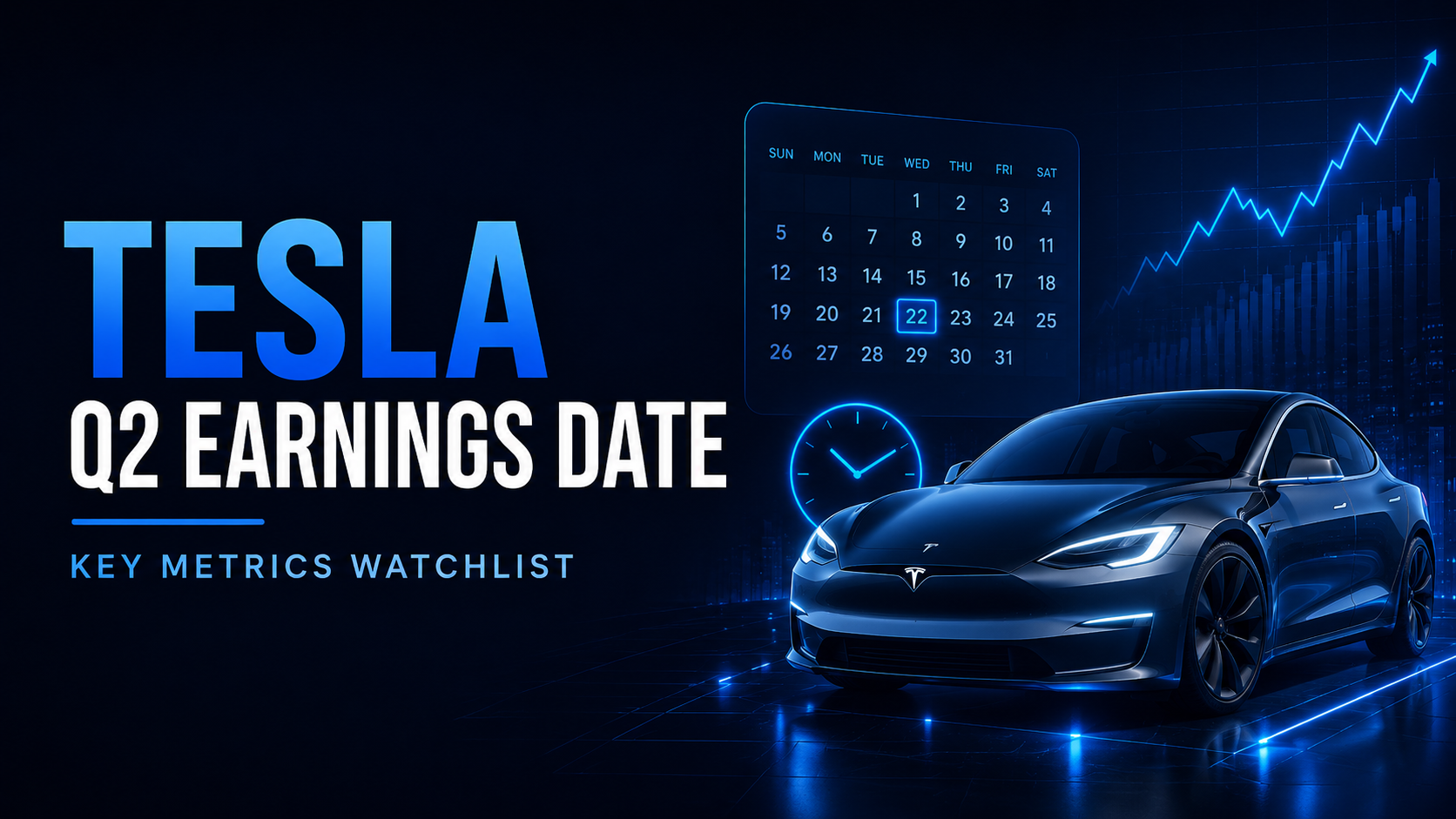
Ngày Báo Cáo Tài Chính Q2/2026 Của Tesla: Thời Gian Phát Hành, Webcast Và Các Chỉ Số Chính

Ngày Báo Cáo Tài Chính Q2/2026 Của Tesla: Thời Gian Phát Hành, Webcast Và Các Chỉ Số Chính

Báo cáo thu nhập quý 2 năm 2026 của Tesla dự kiến diễn ra vào thứ Tư, ngày 22 tháng 7 năm 2026, sau khi thị trường đóng cửa. Ban lãnh đạo dự kiến sẽ tổ chức một buổi webcast hỏi đáp trực tiếp vào lúc
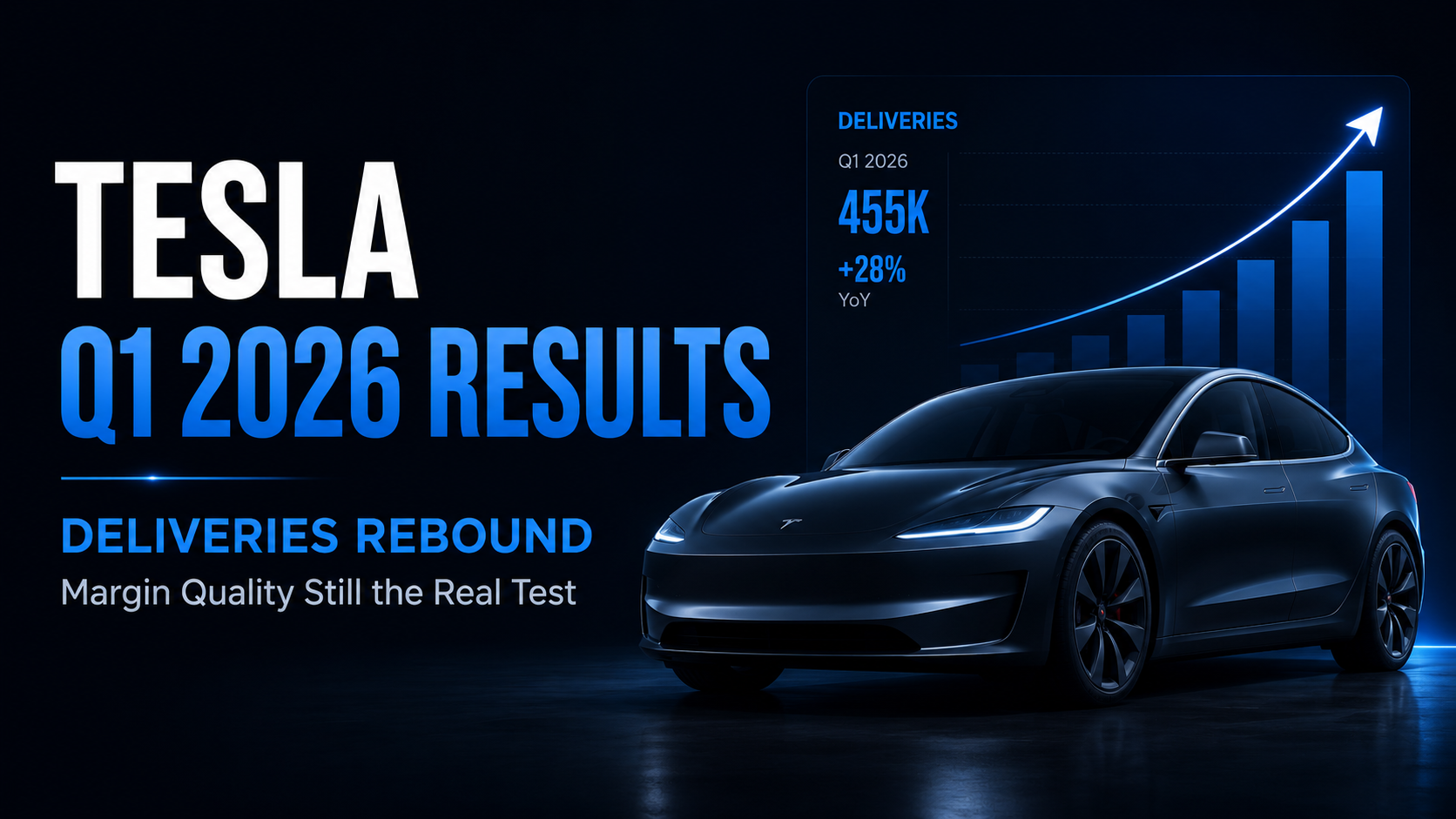
Đánh giá Báo cáo Tài chính Q1 2026 của Tesla: Số lượng giao xe phục hồi, nhưng Chất lượng Biên lợi nhuận mới là Thử thách thực sự

Đánh giá Báo cáo Tài chính Q1 2026 của Tesla: Số lượng giao xe phục hồi, nhưng Chất lượng Biên lợi nhuận mới là Thử thách thực sự

Tesla đã báo cáo kết quả tài chính Q1 2026 vào ngày 22 tháng 4 năm 2026, sau khi thị trường Mỹ đóng cửa. Công ty đã giao 358.023 xe trong quý, tạo ra tổng doanh thu 22,4 tỷ USD và báo cáo lợi nhuận rò
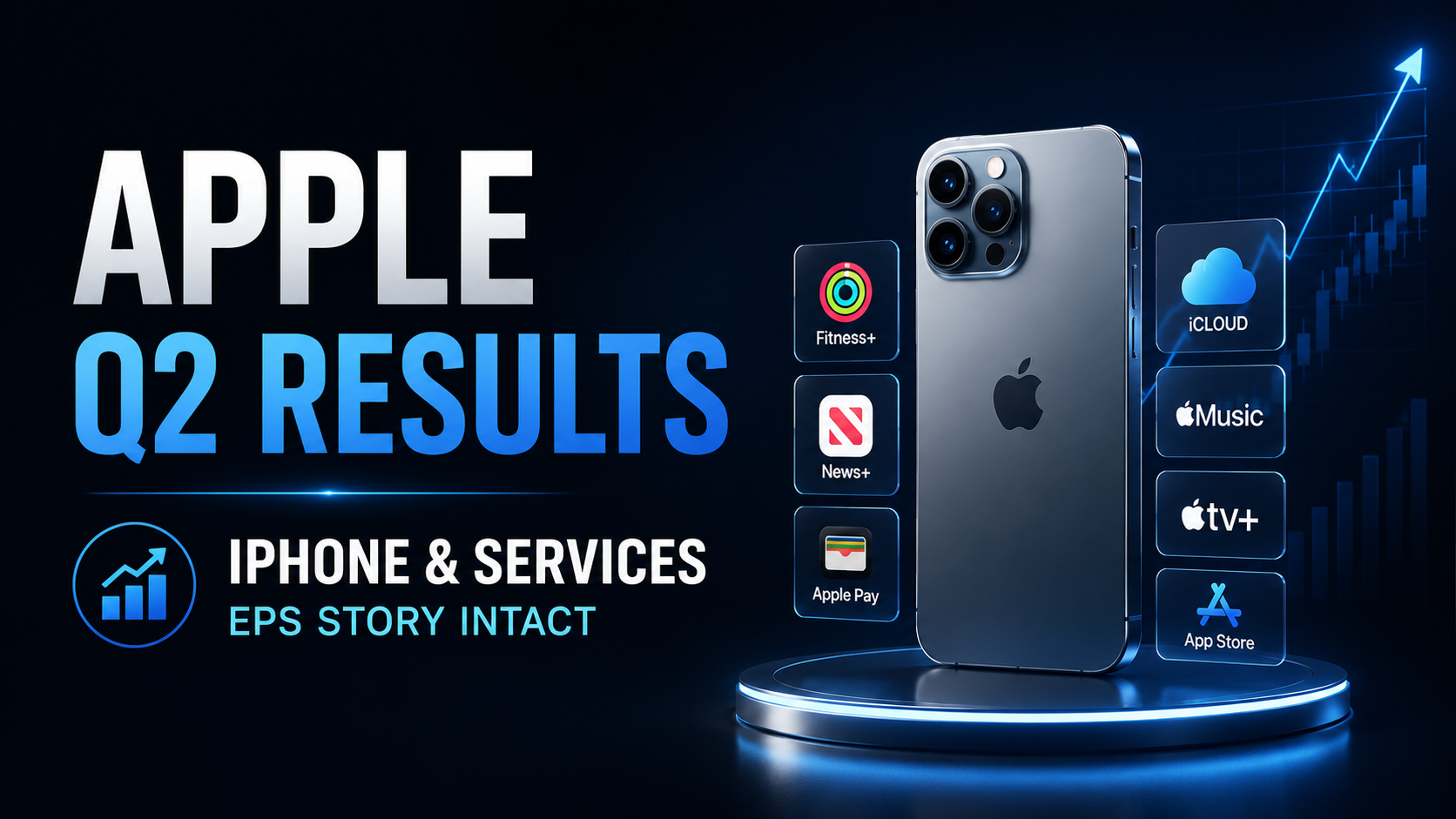
Đánh giá Thu nhập Quý 2 năm tài chính 2026 của Apple: Doanh thu iPhone và Tăng trưởng Dịch vụ Giữ vững Kỳ vọng EPS

Đánh giá Thu nhập Quý 2 năm tài chính 2026 của Apple: Doanh thu iPhone và Tăng trưởng Dịch vụ Giữ vững Kỳ vọng EPS

Apple đã báo cáo kết quả tài chính quý 2 năm tài chính 2026 vào ngày 30 tháng 4 năm 2026, cho quý kết thúc ngày 28 tháng 3 năm 2026. Doanh thu đạt 111,2 tỷ USD, tăng 17% so với cùng kỳ năm trước, tron
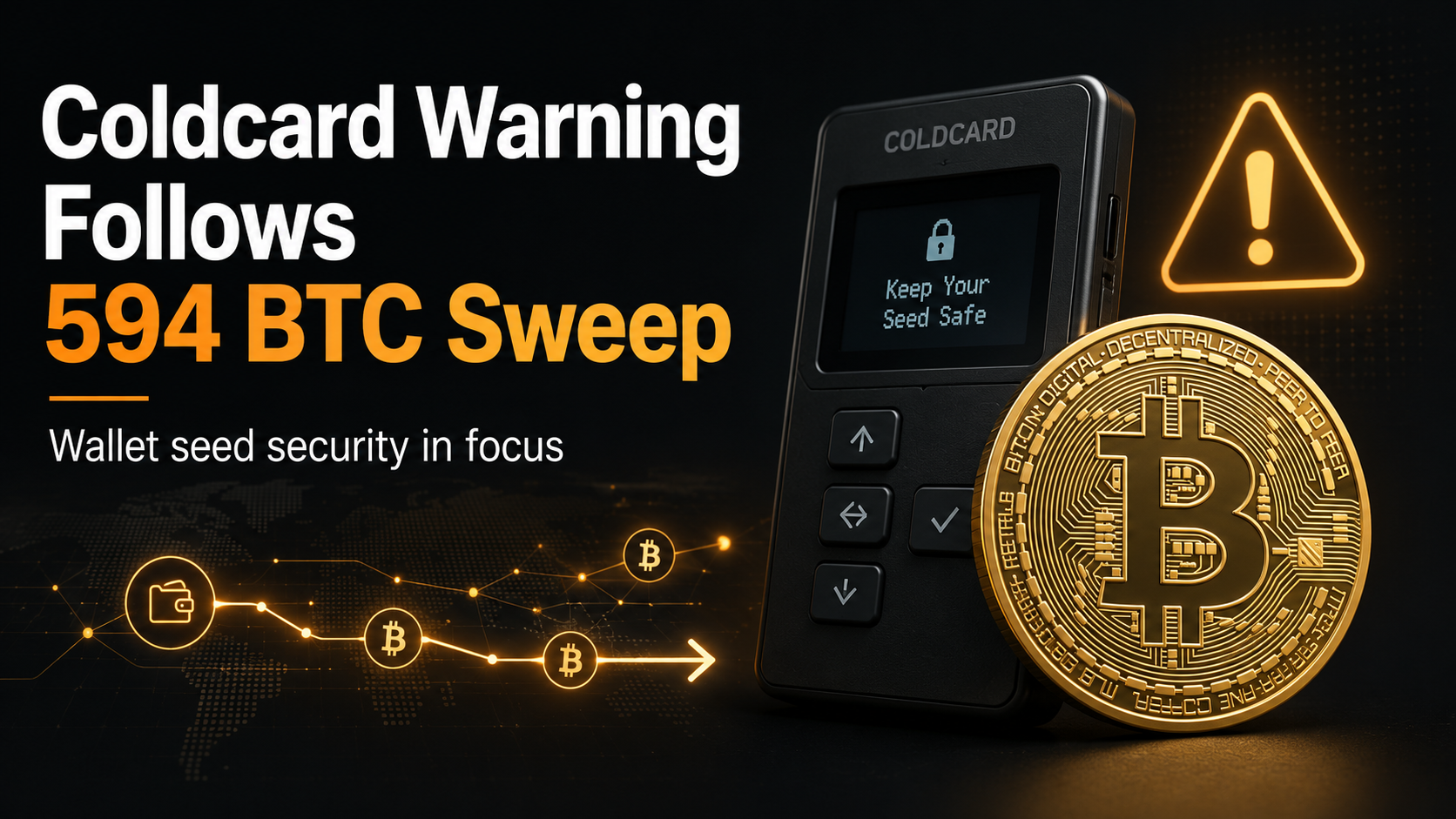
Cảnh báo Coldcard Mk3 sau vụ quét Bitcoin trị giá 38 triệu USD, nhưng nguyên nhân vẫn chưa được xác nhận

Cảnh báo Coldcard Mk3 sau vụ quét Bitcoin trị giá 38 triệu USD, nhưng nguyên nhân vẫn chưa được xác nhận

Nhà sản xuất ví cứng Bitcoin Coinkite đã cảnh báo người dùng về một vấn đề tạo seed ảnh hưởng đến các thiết bị Coldcard, bao gồm mọi phiên bản firmware Mk3 từ 4.0.1 trở lên. Cảnh báo này được đưa ra k

Bài viết liên quan

Xem thêm
Tiền gửi token hóa có phải là tiền gửi ngân hàng thực sự không? OSFI của Canada đưa ra câu trả lời rõ ràng cho các ngân hàng

Tiền gửi token hóa có phải là tiền gửi ngân hàng thực sự không? OSFI của Canada đưa ra câu trả lời rõ ràng cho các ngân hàng

Nếu một ngân hàng nhận tiền gửi thông thường của khách hàng và biểu diễn nó dưới dạng token trên cơ sở hạ tầng blockchain, khách hàng thực sự sở hữu điều gì?Một token tiền mã hoá?Một stablecoin?Hay cù
Demat 2.0 là gì? Ấn Độ triển khai thí điểm trái phiếu mã hóa trị giá 107 triệu USD với thanh toán bằng Rupee điện tử

Demat 2.0 là gì? Ấn Độ triển khai thí điểm trái phiếu mã hóa trị giá 107 triệu USD với thanh toán bằng Rupee điện tử

Ấn Độ đã chuyển trái phiếu token hóa từ giai đoạn hoạch định quy định sang cơ sở hạ tầng tài chính hoạt động trực tiếp.Vào tháng 9 năm 2026, ba công ty Ấn Độ đã phát hành tổng cộng ₹1.025 crore — khoả

Tại sao MetaMask trở thành một công ty độc lập? Giải thích về việc tách Consensys

Tại sao MetaMask trở thành một công ty độc lập? Giải thích về việc tách Consensys

MetaMask đang trở thành một công ty riêng.Vào ngày 9 tháng 9 năm 2026, Consensys Software Inc. đã thông báo sẽ tách thành hai doanh nghiệp hoạt động độc lập: MetaMask, tập trung vào tài chính tự quản

Báo cáo Nhà giao dịch Alpha MEXC hàng tuần | Sự phân kỳ hiếm gặp giữa NFP và ADP gây ra cuộc giằng co trên thị trường: Tăng lãi suất hay tạm ngừng?

Báo cáo Nhà giao dịch Alpha MEXC hàng tuần | Sự phân kỳ hiếm gặp giữa NFP và ADP gây ra cuộc giằng co trên thị trường: Tăng lãi suất hay tạm ngừng?

Tuần đầu tiên của tháng 9 năm 2026Kỳ thống kê: 02/09–08/09/2026Thời điểm chốt dữ liệu: 08/09/2026Nội dung chínhChịu tác động từ dữ liệu kinh tế vĩ mô và căng thẳng địa chính trị, thị trường tiền mã ho


Đăng ký MEXC
Đăng ký & nhận lên đến 10,000 USDT tiền thưởng
Stablecoin của bạn có an toàn?
Stablecoin của bạn có an toàn?Stablecoin của bạn có an toàn?
Nắm rõ rủi ro của USDT, USDC, OpenUSD & USD1