

Crypto Tax in Bangladesh (2026): Rules & Rates Explained
Key Takeaways:
- Taxable Despite Ban: Cryptocurrency trading is officially banned in Bangladesh, but any financial profits generated remain fully taxable by the government.
- Capital Gains & Income Tax: Profits from selling crypto face a flat 15% Capital Gains Tax, while earnings from mining or staking follow standard income tax brackets (0-30%).
- Mandatory Reporting: Taxpayers must declare all crypto-related activities in their annual Income Tax Return (ITR) by September 30 to avoid severe financial penalties.
Cryptocurrency operates in a complex legal environment in Bangladesh. Many individuals who hold or trade digital assets are unsure about their tax obligations. This guide explains the current regulations as of March 2026, detailing how cryptocurrency is taxed despite its restricted legal status.
Table of Contents
- Crypto Legality in Bangladesh
- Tax Authorities and Framework
- Types of Crypto Taxes
- Tax Rates and Brackets
- Reporting and Compliance Requirements
- Risks and General Considerations
- Conclusion
- Frequently Asked Questions
Crypto Legality in Bangladesh
In 2017, the Bangladesh Bank issued Circular No. 17, which prohibited banks and financial institutions from facilitating cryptocurrency transactions. The central bank stated that digital currencies pose risks to financial stability and could be used for money laundering under the Anti-Terrorism Act.
As of March 2026, the legal status remains unchanged. However, reports indicate unofficial activity persists in Bangladesh, primarily through peer-to-peer (P2P) networks. Despite the ban on trading, the financial gains generated from these activities are still subject to taxation.
Key Takeaways:
- Ban Date: 2017 via a Bangladesh Bank circular.
- Current Status: Not legalized; regulated under the Foreign Exchange Regulation Act 1947.
- Trend: Despite the ban, unofficial trading and adoption continue.
Tax Authorities and Framework
The NBR is the primary tax authority in Bangladesh. Unlike many other jurisdictions highlighted in our guide on crypto tax by country 2026, there is no specific legislation for digital assets, so cryptocurrency is treated similarly to general property, such as real estate.
Recently, the NBR began auditing individuals after identifying unreported cryptocurrency inflows through bank alerts, though specific verified figures remain undisclosed. By early 2026, no new tax frameworks for digital assets have been officially introduced.
Key Takeaways:
- Main Law: Income Tax Ordinance 1984.
- Authority: National Board of Revenue (NBR).
- Recent Action: NBR continues to conduct audits on unreported crypto-related wealth.
Types of Crypto Taxes
The type of tax depends on the nature of the cryptocurrency transaction. Understanding the distinction between capital gains vs income tax is crucial for accurate reporting:
- Capital Gains: A 15% tax applies to profits from selling or exchanging digital assets. For example, if an individual buys Bitcoin for $50,000 and sells it for $60,000, the 15% tax applies to the $10,000 profit.
- Income Tax: Earnings from mining, staking, or airdrops are treated as regular income. The tax rate ranges from 0% (for income up to BDT 375,000) to 30% (for income exceeding BDT 3.575 million annually).
- VAT: A 15% Value Added Tax might apply to certain transactions, but the NBR has not provided clear guidelines. There is currently no wealth tax on cryptocurrency holdings.
Example: If an individual earns BDT 1 million from mining Ethereum in a year, they will pay standard income tax based on their total income bracket.
Tax Rates and Brackets
Profits from crypto sales are taxed at a flat 15% Capital Gains Tax rate. Crypto income follows standard tax slabs from 0% to 30%.
Cryptocurrency is taxed at the same rates as traditional assets. The table below outlines the current brackets for the FY 2025/26 filings:
| Income Level (BDT) | Income Tax Rate | CGT on Crypto Sales |
| Up to 375K | 0% | 15% |
| 375K – 675K | 10% | 15% |
| 675K – 1.075M | 15% | 15% |
| 1.075M – 1.575M | 20% | 15% |
| 1.575M – 3.575M | 25% | 15% |
| Over 3.575M | 30% | 15% |
Penalties for undisclosed income are severe. The NBR can impose fines of up to 50% of the hidden amount, plus an annual interest rate of 10%. The authority is known to issue strict fines for undisclosed cryptocurrency profits.
Note: Taxpayers should consider currency fluctuations, as the BDT depreciated by 6% in 2025, which can affect nominal gain calculations.
Reporting and Compliance Requirements
Cryptocurrency transactions must be reported in the annual Income Tax Return (ITR) by September 30. Taxpayers should keep transaction records for at least five years.
Individuals must submit their tax returns through the NBR’s e-TIN portal. For example, taxes for the 2025 financial year are due by September 30, 2026.
Steps to Comply:
- Record Keeping: Maintain detailed records of transaction dates, BDT values, and costs. Reviewing general crypto tax triggers and rules explained can help you identify which specific trades or swaps need to be documented.
- Filing Forms: Use Schedule 9 for capital gains and report other crypto earnings under general income in the main return form.
- Retention Period: Keep all related documents for a minimum of five years. Banks are required to report suspicious inflows exceeding BDT 1 million to authorities.
Failure to file correctly results in penalties starting at 10% of the owed tax. Compliance enforcement campaigns actively target individuals who fail to report their earnings.
Risks and General Considerations
Operating in a restricted market presents significant challenges. While the gains are taxable, engaging in cryptocurrency trading violates the Foreign Exchange Regulation Act, which can carry fines of up to BDT 10 million or imprisonment. Evading taxes on these gains adds further NBR penalties. Activities may violate laws despite tax obligations; professional advice is essential.
General Considerations:
- Professional Consultation: Tax professionals can provide personalized guidance.
- Tracking Tools: Use portfolio tracking software to calculate gains and losses accurately.
- Compliance: Ensure all income is reported honestly. The NBR actively cross-references tax declarations with bank alerts regarding unusual account activity.
Market observers note that trading volumes often fluctuate in response to ongoing NBR audits.
Conclusion
Navigating cryptocurrency in Bangladesh requires a careful balancing act. While the Bangladesh Bank maintains a strict ban on trading and usage, the National Board of Revenue (NBR) unequivocally taxes the financial gains derived from these digital assets. With a 15% Capital Gains Tax on sales and income tax slabs reaching up to 30% for activities like mining, the financial obligations are clear even if the legal status is restrictive. Because engaging in crypto activities carries inherent legal risks under the Foreign Exchange Regulation Act, maintaining meticulous records and consulting with a tax professional are essential steps for anyone managing digital assets in the region. For a broader perspective on how other Asian regulatory bodies handle digital assets, you can read our overview on crypto tax in Indonesia.
Frequently Asked Questions
Is cryptocurrency legal in Bangladesh?
No. The Bangladesh Bank banned the use and trading of cryptocurrencies in 2017, although unofficial peer-to-peer trading still occurs.
Do I pay capital gains tax on crypto sales?
Yes. A 15% Capital Gains Tax applies to profits made from selling cryptocurrency, similar to the sale of property.
How is crypto mining income taxed?
Mining income is taxed as regular income. Rates range from 0% to 30% depending on your total annual income bracket.
What are crypto tax reporting deadlines?
The annual Income Tax Return (ITR) must be submitted by September 30 via the NBR’s e-TIN system.
Are there VAT rules for crypto transactions?
A 15% VAT may apply, but there is currently no official guidance or clarification from the NBR regarding this specific tax on digital assets.
热门新闻
查看更多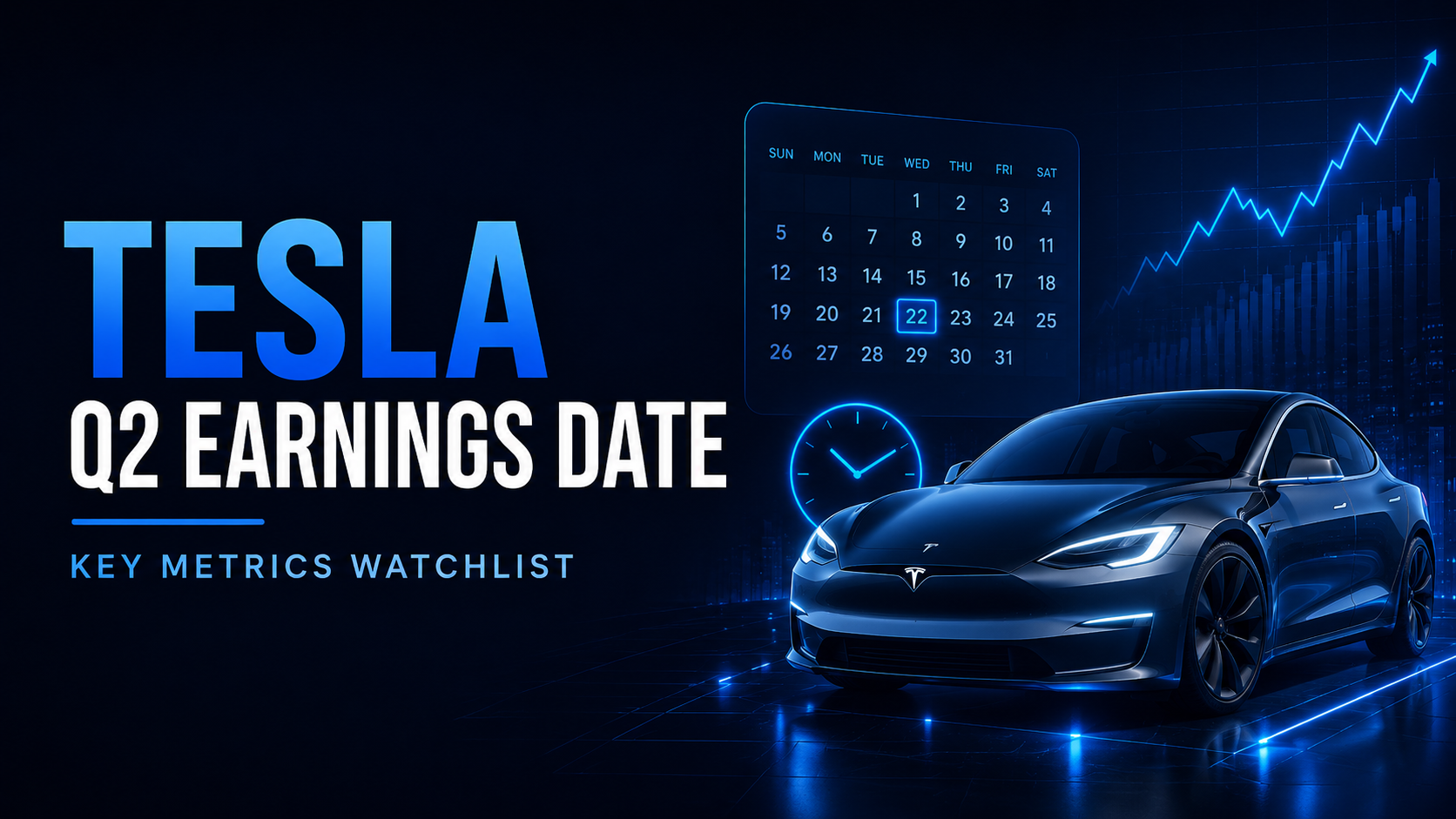
特斯拉2026年第二季度财报日期:发布时间、网络直播及关键指标
特斯拉2026年第二季度财报定于2026年7月22日(星期三)美国股市收盘后发布,管理层计划于美国中部时间下午4:30 / 东部时间下午5:30主持实时Q&A网络直播。第二季度的更新和网络直播将通过特斯拉的投资者关系网站提供,并在电话会议后提供存档重播。 这不仅仅是另一个普通的特斯拉财报日。特斯拉已经报告了超预期的交付季度:在2026年第二季度,公司生产了451,758辆汽车,交付了480,126





