If you've ever sent ETH, used a DeFi app, or held an ERC-20 token, you've already interacted with the Ethereum Mainnet — whether you knew it or not. This guide breaks down exactly what the EthereumIf you've ever sent ETH, used a DeFi app, or held an ERC-20 token, you've already interacted with the Ethereum Mainnet — whether you knew it or not. This guide breaks down exactly what the Ethereum
新手学院/Cryptocurrency Knowledge/Hot Concepts/Ethereum Ma... It Matters

Ethereum Mainnet: What It Is, How It Works, and Why It Matters

中阶
Apr 22, 2026James Mitchell
0m
Notcoin
NOT$0.0004911+3.15%
以太坊
ETH$2,690.59+2.36%
DeFi
DEFI$0.0001104-1.77%
If you've ever sent ETH, used a DeFi app, or held an ERC-20 token, you've already interacted with the Ethereum Mainnet — whether you knew it or not.
This guide breaks down exactly what the Ethereum Mainnet is, how it works, how it compares to testnets, and why its recent upgrades matter for everyday crypto users.

Key Takeaways
  • The Ethereum Mainnet is the official, live Ethereum blockchain where all real ETH transactions and smart contracts are permanently recorded.
  • Launched on July 30, 2015, it was the first blockchain to support programmable smart contracts at a production scale.
  • ERC-20 is not the same as Ethereum Mainnet — it is a token standard that runs on top of the mainnet, identified by Chain ID 1.
  • Every operation on the mainnet requires a gas fee paid in gwei, which fluctuates based on network activity.
  • The Merge (September 2022) transitioned Ethereum to Proof of Stake, reducing energy consumption by over 99% according to the Ethereum Foundation.
  • The Pectra upgrade (May 7, 2025) is Ethereum's most feature-packed hard fork to date, doubling Layer 2 blob capacity and introducing smart account functionality.

What Is Ethereum Mainnet and Why It Matters

The Ethereum Mainnet — short for "main network" — is the official, live version of the Ethereum blockchain where real transactions happen with real economic value.
When you send ETH to another wallet or interact with a DeFi protocol, those actions are recorded permanently on the Ethereum Mainnet and cannot be reversed.
Launched on July 30, 2015, by Vitalik Buterin and the core Ethereum team, the mainnet brought a new capability to blockchain technology: smart contracts — self-executing code that runs on-chain without a middleman.
Today, the Ethereum Mainnet is the foundation beneath thousands of decentralized applications (DApps), stablecoins like USDC and USDT, and token standards like ERC-20 and ERC-721.
No single company or government controls it — the network is maintained by thousands of validators distributed around the world, making it censorship-resistant and always available.


How Ethereum Mainnet Works: Gas Fees, ERC-20, and Chain ID Explained

Every transaction on the Ethereum Mainnet goes through a validation process powered by a Proof of Stake consensus mechanism, which replaced the old energy-intensive Proof of Work model in September 2022.
Validators — participants who lock up (stake) a minimum of 32 ETH — are chosen to propose and confirm new blocks of transactions.
In exchange for securing the network, validators earn rewards paid in ETH.
Every operation on the mainnet — whether sending ETH, swapping tokens, or executing a smart contract — requires a fee called gas, measured in gwei (a fraction of ETH).
Gas fees fluctuate based on network demand: the busier the network, the higher the fee.
A common question for beginners is: Is Ethereum Mainnet ERC-20?
The answer is no — but ERC-20 tokens run on the Ethereum Mainnet.
ERC-20 is a token standard, a set of rules that defines how tokens like USDC, USDT, DAI, and thousands of others behave within the Ethereum ecosystem.
The Ethereum Mainnet is the blockchain itself, identified by Chain ID 1 — and ERC-20 tokens are simply assets built on top of it.


Ethereum Mainnet vs Testnet: Key Differences


What Is an Ethereum Testnet and Mainnet Faucet?


A testnet is a separate copy of the Ethereum blockchain used for development and testing.
Testnets use fake ETH with no real-world value, which developers obtain for free from a faucet — a tool that sends small amounts of test tokens to a wallet address.
Nothing that happens on a testnet affects the Ethereum Mainnet, making it a safe sandbox for building and debugging DApps before launch.


How to Connect to Ethereum Mainnet on MetaMask


When you open MetaMask, it defaults to the Ethereum Mainnet automatically.
If you see an error like "MetaMask can't connect to Ethereum Mainnet", the most common fix is to manually add the correct RPC URL — the endpoint your wallet uses to communicate with the blockchain.
To connect manually, set the Network Name to Ethereum Mainnet, the Chain ID to 1, and use any trusted public RPC provider listed on Chainlist (chainlist.org), with the currency symbol set to ETH.
You can verify transactions and wallet activity using a mainnet explorer like Etherscan, which displays every on-chain event in real time.


Key Ethereum Mainnet Upgrades: Dencun, Pectra, and Beyond

The Ethereum Mainnet has undergone a series of planned hard forks — coordinated upgrades that improve the network without splitting it.
The Merge (September 2022) was the most transformative: Ethereum ditched energy-intensive Proof of Work and switched to Proof of Stake, cutting the network's energy consumption by over 99%, according to the Ethereum Foundation.
The Dencun upgrade (March 13, 2024) introduced blob transactions through EIP-4844, significantly lowering fees for Layer 2 networks — making it more accessible for everyday users to migrate apps and activity from Ethereum Mainnet to Layer 2 solutions.
The Pectra upgrade (May 7, 2025) went even further, bundling 11 Ethereum Improvement Proposals into the network's largest-ever upgrade.
Pectra doubled the blob capacity per block (from 3 to 6), raised the maximum validator staking limit from 32 ETH to 2,048 ETH, and introduced smart account functionality through EIP-7702 — allowing regular wallets to behave like smart contracts for a single transaction.
In practical terms, Pectra means lower Layer 2 fees, simpler staking for large validators, and a significantly improved user experience across wallets and DApps.


Frequently Asked Questions

Q: What is Ethereum Mainnet?
Ethereum Mainnet is the official, live Ethereum blockchain where real ETH transactions and smart contract executions take place.


Q: Is Ethereum Mainnet the same as ERC-20?
No — ERC-20 is a token standard that defines how tokens are created on Ethereum, while the Mainnet is the underlying blockchain that hosts them.


Q: When did the Ethereum Mainnet launch?
The Ethereum Mainnet officially launched on July 30, 2015, with the mining of the genesis block.


Q: How do I connect to Ethereum Mainnet on MetaMask?
MetaMask connects to the Ethereum Mainnet by default; if it fails, add the RPC URL manually with Chain ID 1.


Q: What is the Ethereum Mainnet Chain ID?
The Ethereum Mainnet Chain ID is 1, as defined by EIP-155.


Q: How many transactions per second does Ethereum Mainnet handle?
The Ethereum Mainnet processes approximately 15–20 transactions per second at the base layer, with Layer 2 networks extending this capacity significantly.


Q: When was the Dencun upgrade on Ethereum Mainnet?
The Dencun upgrade activated on the Ethereum Mainnet on March 13, 2024.


Q: When did the Pectra upgrade go live on Ethereum Mainnet?
The Pectra upgrade went live on Ethereum Mainnet on May 7, 2025.


Conclusion

The Ethereum Mainnet has evolved from a bare-bones developer network in 2015 into one of the most widely used smart contract platforms in the world — and it keeps getting better with every upgrade.
Whether you're holding ETH, exploring DeFi, or just getting started with crypto, understanding how the mainnet works puts you ahead of most newcomers.
Ready to trade ETH? Start trading Ethereum on MEXC and access real-time prices, deep liquidity, and a beginner-friendly interface.
市场机遇
Notcoin 图标
Notcoin实时价格 (NOT)
$0.0004911
$0.0004911$0.0004911
+1.74%
USD
Notcoin (NOT) 实时价格图表

热门加密动态

查看更多
以太坊技术分析:ETH 上涨 37% 后形成牛旗,能否突破 3000 美元?

以太坊技术分析:ETH 上涨 37% 后形成牛旗,能否突破 3000 美元?

核心要点 ETH 此前在 10 天内累计上涨约 37%,最高触及 2564 美元,此后价格转入横盘整理,Reuters 技术分析认为这一结构正在形成典型的牛旗形态。 按照旗杆高度测算,Reuters 给出的技术目标约为 3050 美元,与 ETH 在今年 1 月多次形成高点的 3040 至 3060 美元区域高度重合。 2350 至 2360 美元是当前牛旗结构的关键失效区域,如果价格有效跌破这一

以太坊价格今日为何暴涨18%?ETH突破2200美元与空头连环清算深度解析

以太坊价格今日为何暴涨18%?ETH突破2200美元与空头连环清算深度解析

概述 第二大加密资产以太坊(ETH)在今日交易中迎来爆发式上行走势,24 小时内价格大幅飙升近 18%,强势突破 2,200 美元整数关口,涨幅显著超越比特币(BTC)及其他主流数字资产。本轮强劲行情的背后,既包含了衍生品市场上演的史诗级轧空(Short Squeeze)推升,也受到链上质押供给紧缩、现货以太坊 ETF 资金净流入回暖以及下一阶段 Pectra 升级预期等多重基本面利好的共振催化。

以太坊质押量创历史新高,收益率却持续走低,市场在博弈什么

以太坊质押量创历史新高,收益率却持续走低,市场在博弈什么

概述 以太坊的质押数据正在呈现一个看似矛盾的组合:锁仓量刷新历史纪录,质押收益率却跌到历史低位。据 Crypto Economy 引述链上分析师的数据,截至7月下旬,以太坊网络质押的代币达到4104万枚,约占流通供应的34%,创下历史新高,按当前价格计算价值约777亿美元。与此同时,质押年化收益率从此前的3.05%降至2.62%,为该网络有史以来最低的锁仓回报之一。收益越低、锁仓越多,这个组合之所

以太坊财库公司是什么?这类 ETH 持仓上市公司如何运作

以太坊财库公司是什么?这类 ETH 持仓上市公司如何运作

概述 上市公司合计持有的以太坊数量已达到约 788 万枚,约占流通量的 6.6%,这个规模足以影响供给结构,但股票市场对这些公司的定价却普遍低于它们所持资产的价值。更具标志性的信号出现在 7 月,全球持币最多的 BitMine 大幅放缓买币,转而回购自家股票,公开理由是股价低于每股对应的资产价值。这个转向暴露了一个此前被忽视的问题:把以太坊装进上市公司壳体,究竟创造了什么价值,又转嫁了哪些成本。理

热门新闻

查看更多
SK Hynix(SK海力士)美国上市指南:SKHY上市日期、ADR结构、AI内存投资与MEXC交易入口

SK Hynix(SK海力士)美国上市指南:SKHY上市日期、ADR结构、AI内存投资与MEXC交易入口

SK Hynix(SK海力士)的美国市场首秀即将到来,这为全球投资者提供了一个全新的入口,让大家能更直接地布局这家AI内存供应链中的核心巨头。这家韩国半导体制造商已启动一项大规模的美国股票发售计划,预计将以 SKHY 为代码,通过美国存托凭证(ADR)的形式在纳斯达克挂牌上市。 据路透社报道,SK Hynix计划通过此次ADR发行筹集约43万亿韩元(约合280.7亿美元)的资金。公司计划发行177
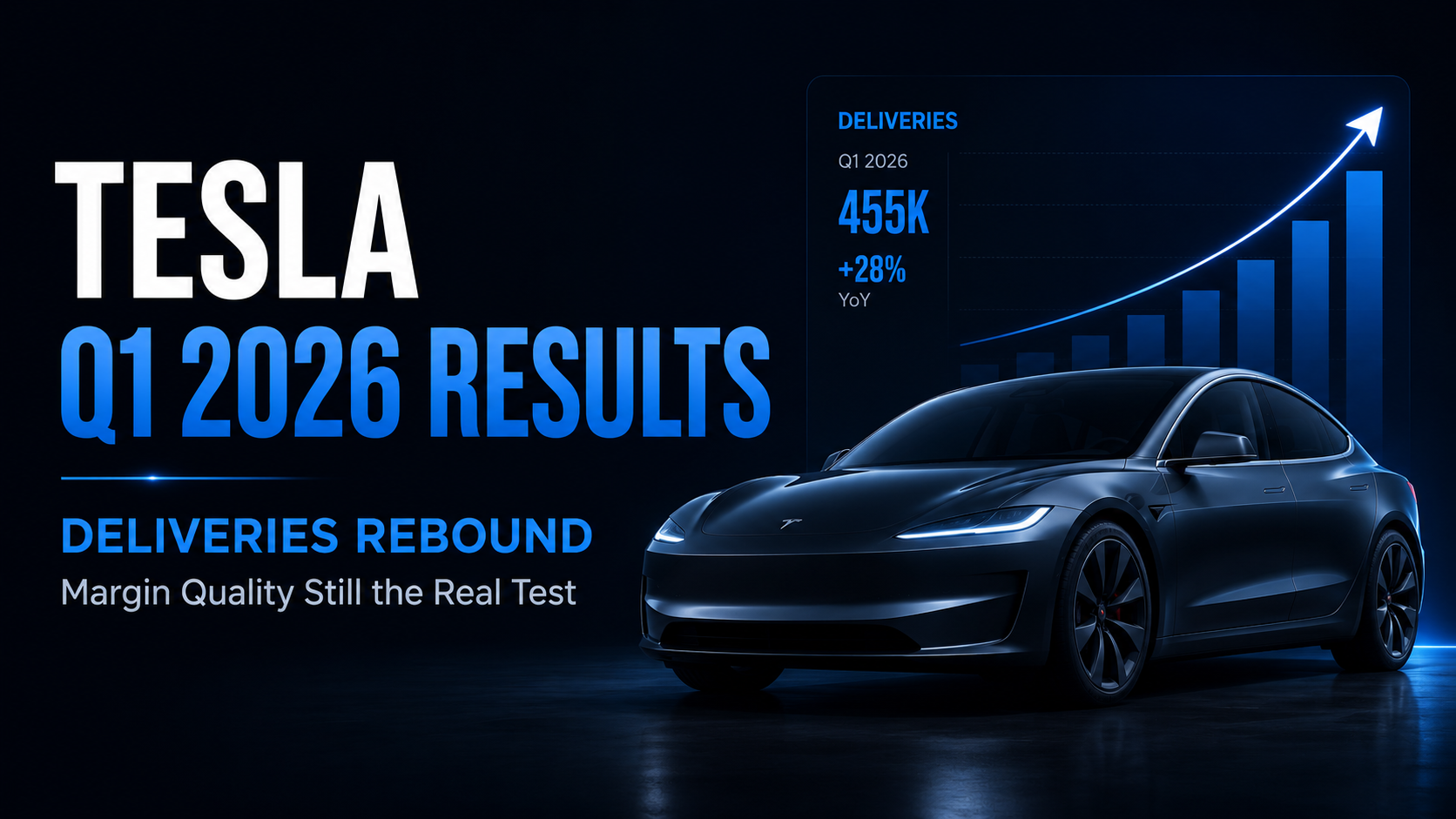
特斯拉2026年第一季度财报回顾:交付量反弹,但利润率质量仍是真正的考验

特斯拉2026年第一季度财报回顾:交付量反弹,但利润率质量仍是真正的考验

特斯拉于2026年4月22日美国股市收盘后公布了其2026年第一季度的财务业绩。该公司本季度交付了358,023辆汽车,创造了224亿美元的总营收,并报告归属于普通股股东的GAAP净利润为4.77亿美元。总GAAP毛利率提升至21.1%,而营业利润率达到4.2%。 核心信号不仅在于特斯拉的交付量从去年同期的疲软基数中恢复。更重要的问题是:更高的交付量、FSD相关营收、更低的单车成本以及改善的汽车毛

苹果 2026 财年第二季度财报回顾:iPhone 营收与服务业务增长维持 EPS 预期

苹果 2026 财年第二季度财报回顾:iPhone 营收与服务业务增长维持 EPS 预期

苹果于 2026 年 4 月 30 日发布了 2026 财年第二季度财报,涵盖截至 2026 年 3 月 28 日的季度。总营收达到 1112 亿美元,同比增长 17%,摊薄后每股收益(EPS)增长 22% 至 2.01 美元。苹果表示,该季度创下了公司 3 月份季度的总营收、iPhone 营收和 EPS 纪录,同时服务业务营收也创下历史新高。 这不仅仅是一份常规的硬件周期财报。苹果第二季度的业绩

DEX对CEX现货交易量比率达24%,中心化交易所活动减弱

DEX对CEX现货交易量比率达24%,中心化交易所活动减弱

根据 The Block 的当前数据系列,2026年7月,去中心化交易所现货交易量与中心化交易所现货交易量之比达到24.14%。该数字并不意味着 DEX 控制了合并现货市场的24.14%:它意味着 DEX 交易量相当于数据集中包含的 CEX 交易量的24.14%。与此同时,DEX 现货交易量环比下降约26%,至约1307.7亿美元,为近两年来最低水平。

相关文章

查看更多
什么是稳定币?初学者的完整指南

什么是稳定币?初学者的完整指南

你是否对稳定币感到好奇,但发现加密货币的概念难以理解?你并不孤单。数字货币的世界可能很复杂,尤其对新手来说。这本全面的指南将以清晰、简单的术语拆解关于稳定币的所有知识。从了解稳定币是什么以及它们是如何运作的,到学习不同类型的稳定币以及如何安全使用它们,我们都为你准备好了。无论你是希望保护资产免受市场波动影响、进行国际汇款,还是单纯想扩展对数字货币的知识,这本指南将向你提供在稳定币领域自信导航所需的
XRP 会销毁代币吗?会,但原因和你想的不一样

XRP 会销毁代币吗?会,但原因和你想的不一样

如果你手上持有 XRP,或正考虑买入,大概都看过网上关于"XRP 销毁"的争论,也好奇这件事到底在吵什么。简短的答案是:没错,XRP 确实会销毁代币——每笔交易都会销毁极少量——但原因和多数人以为的并不一样。 本文将说明 XRP 销毁机制实际上如何运作、什么时候销毁多少、为什么销毁速度会逐年剧烈波动,以及这些数字是否该纳入你对 XRP 的价值判断。没有术语堆砌,也没有炒作——只有机制本身、附上日期
XRP 会涨吗?没有人愿意告诉你的诚实答案

XRP 会涨吗?没有人愿意告诉你的诚实答案

几乎每一位 XRP 持有者,迟早都会在搜索栏里打下同一个问题:XRP 会涨吗? 而这个问题诚实的难处在于——任何人只要用一句肯定的"会"加上一个保证的目标价来回答你,他卖给你的其实是一种并不存在的确定性。 真正存在的,是一份决定 XRP 走向的简短清单,而且这些力量并不会月月改变。 本文将说明这些力量、你该如何自行研判,以及历史上 XRP 在大跌之后的复苏究竟是什么样子。 刚接触 XRP?建议先从

XRP 能涨到 1,000 美元吗?数学说不可能,原因就在这里

XRP 能涨到 1,000 美元吗?数学说不可能,原因就在这里

每一轮加密货币多头行情,都会让同一个问题重新浮出水面:XRP 有可能涨到 1,000 美元吗? 这是整个加密货币领域被搜索次数最多的价格目标之一,而简短的答案是:不可能——至少在 XRP 目前的供应量之下,完全不可能。 这篇指南会带你走完真正的数学运算,让你清楚看到原因。 我们会说明 1,000 美元的 XRP 会把它的市值推到什么水平、为什么即使银行全面采用也达不到那个价位,以及有哪一组极端条件

注册MEXC账号
注册 & 获得高达10,000 USDT奖金
您的稳定币真的安全吗?
您的稳定币真的安全吗?您的稳定币真的安全吗?
了解 USDT、USDC、OpenUSD 及 USD1 的风险