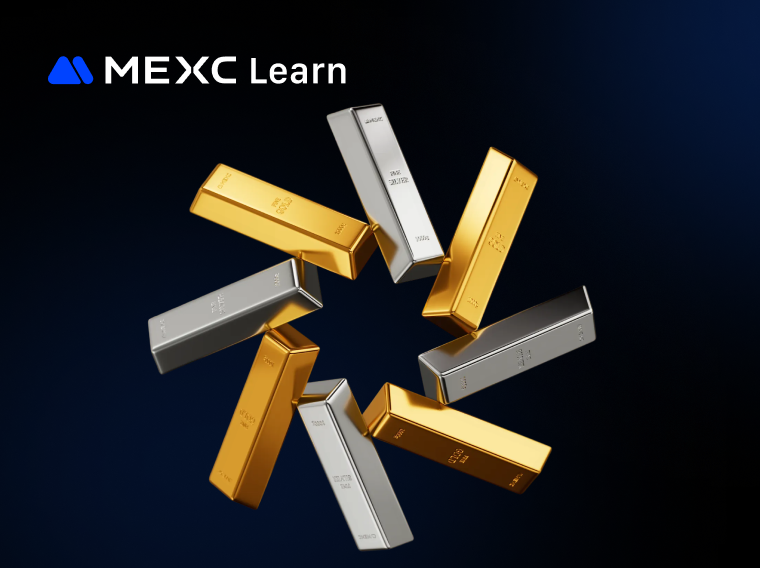
How to Buy Authentic Physical Gold Bars: The 2026 Guide
In the highly fragile global macroeconomic system of April 2026, converting a portion of wealth into physical gold bars—assets capable of maintaining purchasing power without reliance on third-party networks or electricity—has become a consensus among top-tier traders. However, as the demand for safe havens skyrockets, precious metal counterfeiting technology is also rapidly iterating. For investors preparing to exchange hard currency for physical assets, knowing exactly how to ensure the authenticity of a physical gold bar is the ultimate line of defense for wealth preservation.
Buying physical gold bars is not as simple as shopping on an e-commerce platform. It requires investors to possess commodity-grade supply chain knowledge and hardcore anti-counterfeit identification capabilities.
Core Rule 1: Lock into the LBMA Certification System and Tier-1 Dealers
The most effective defense mechanism for ensuring gold authenticity is entirely severing risk at its source. In a market fraught with information asymmetry, you must never attempt to find so-called bargain deals on secondary trading platforms, unlicensed pawn shops, or private sellers. Authentic gold will never be sold below the spot benchmark price.
Professional macro investors acquire physical gold bars exclusively through two channels. The first choice is top-tier sovereign mints worldwide, such as the Royal Canadian Mint and the Perth Mint, or private refiners like PAMP and Valcambi in Switzerland. These institutions are listed on the London Bullion Market Association (LBMA) Good Delivery list, representing the highest global standards of purity and credibility.
The second channel involves internationally recognized, Tier-1 precious metals dealers with decades of history and massive trading volumes (such as APMEX or JM Bullion), or large commercial banks with official qualifications. These institutions possess flawless traceability mechanisms and heavy-duty testing equipment, completing the most rigorous screening the moment the gold enters their vaults.
Core Rule 2: Master Hardcore Anti-Counterfeit Verification Logic
Even when purchasing from legitimate channels, mastering basic physical verification knowledge is a mandatory course. The most lethal modern counterfeiting method is the tungsten-filled gold bar. Because the density of tungsten (19.25 g/cm³) is exceptionally close to that of gold (19.3 g/cm³), counterfeiters inject tungsten blocks into the core of the bar and plate the exterior with real gold. This deep-level forgery can easily bypass traditional weight and acid reagent tests.
To guard against this risk, you need to focus on several verification dimensions.
First is the encapsulation and the Assay Card. Legitimate modern gold bars are typically sealed in tamper-evident transparent blister packaging that includes an assay certificate. The certificate must clearly state the weight, purity (usually 99.99%), and a unique laser-engraved serial number that perfectly matches the engraving on the bar itself. Once the packaging is compromised, its premium is severely damaged.
Second is ultrasonic and electrical conductivity testing. For larger weight bars, such as 10-ounce or 1-kilogram sizes, top dealers utilize ultrasonic thickness gauges or eddy current conductivity testers. Because gold and tungsten have vastly different sound wave propagation speeds and electrical resistivities, these non-destructive testing devices can instantly penetrate the surface plating, leaving the internal tungsten core nowhere to hide.
Core Rule 3: Understand Physical Premiums and Liquidity Decay
Buying authentic physical gold bars is not just about distinguishing genuine from fake; it is an exercise in precisely calculating trading costs. When you purchase a physical gold bar, the price you pay is always higher than the international spot gold price. This difference is known as the retail premium. It encompasses manufacturing, logistics, insurance, and the dealer's profit margin. Generally, the smaller the bar's weight (e.g., 1 gram or 1 ounce), the higher its unit premium; conversely, kilogram-class bars carry relatively lower premiums.
A harsher reality surfaces during the selling phase. When a crisis erupts and you need to liquidate, physical gold bars often exhibit the poorest liquidity. When dealers buy back gold bars, they not only wipe out the entire premium you initially paid but may even purchase them at a discount below the spot benchmark to hedge their inventory risks and cover re-testing costs.
Moving Toward the Modern Barbell Strategy: Closing the Loop with Physical Defense and Digital Offense
After understanding the stringent purchasing channels, complex anti-counterfeiting technologies, and severe liquidity decay of physical gold bars, the asset allocation logic for modern traders becomes crystal clear. Physical gold bars are only suitable as an absolute defensive base, occupying a minute percentage of a portfolio, designed to guard against extreme long-tail risks like the collapse of fiat systems.
For daily inflation hedging and macro swing trading, redirecting capital toward digitally backed hard currency with 100% physical reserves is a vastly more cost-effective choice. After deeply comparing tokenized gold vs physical gold, you will find that by understanding how does tokenized gold work, investors can perfectly sidestep the headaches of authenticity verification, exorbitant premiums, and vault custody. Digital tokens maintain the safe-haven attributes of the underlying physical asset while granting 24/7 ultimate liquidity, which serves as the optimal solution for macro hedging strategies in 2026.

热门新闻
查看更多
Coldcard Mk3 警告紧随 3800 万美元 Bitcoin 被扫荡事件,但原因仍未确认
比特币硬件钱包制造商Coinkite已警告用户,Coldcard设备存在种子生成问题,影响从4.0.1版本起的所有Mk3固件版本。该警告是在安全研究人员调查一起涉及594.48 BTC(约合3,800万美元)的协同转移事件时发出的。然而,目前尚无公开的技术证据证实Coldcard的问题导致了这些转账。



相关文章
查看更多
为什么黄金守在 4,700 美元上方?交易者关注美联储信号与美国通胀数据
近期的黄金价格并不是由单一新闻推动。市场真正交易的是一个更复杂的问题:在地缘政治风险仍然偏高、美元趋稳、交易者等待美联储政策新信号的背景下,黄金能否继续获得支撑?这就是为什么黄金维持在 4,700 美元附近值得关注。这个价位本身并不只是一个精确技术点位,更像是一个信号:在美元、美债收益率、中东局势和降息预期快速变化的一周之后,黄金需求仍然具有韧性。简短结论:黄金正在通过利率、风险和美元重新定价黄金

2026年一季度黄金ETF市场报告:西方抛售潮与东方资金的宏观对冲博弈
2026 年 3 月的全球贵金属市场注定要载入史册。当现货金价在剧烈的地缘政治动荡中下探时,传统金融市场的黄金 ETF 经历了前所未有的流动性压力测试。世界黄金协会最新发布的数据揭示了一个高度割裂的全球市场:西方资金正在进行创纪录的平仓出逃,而东方资本则在稳步构筑避险底座。在这场筹码大换手中,3 月全球黄金 ETF 净流出规模高达 120 亿美元,创下有统计以来的单月最高纪录。然而,这并未彻底摧毁
代币化黄金是如何运作的?2026年 RWA 基础设施深度指南
随着现实世界资产(RWA)赛道在 2026 年迎来了爆发式增长,全球宏观资金正在以前所未有的速度涌入数字大宗商品市场。对于每一位希望在这个新周期中建立结构性优势的交易员来说,仅仅知道什么是代币化黄金已经不够了。你必须像理解传统央行货币政策一样,深刻理解这些数字资产底层的运转逻辑和基础设施架构。代币化黄金并非凭空产生的算法代码,它是极度严谨的传统信托机制与先进的 Web3 分布式账本技术完美结合的产