

Data Ownership Protocol 2 (DOP2) Halving Explained: Impact on Price and Mining

Understanding Data Ownership Protocol 2 (DOP2) Halving: Core Principles
Data Ownership Protocol 2 (DOP2) halving refers to the programmed reduction in mining rewards by 50% that occurs at intervals defined by the protocol, typically after a predetermined number of blocks are mined. This event is a fundamental aspect of DOP2's deflationary economic model, designed to control inflation and create scarcity over time. The DOP2 halving mechanism is hardcoded into the protocol's algorithm, making it an immutable feature of the DOP2 ecosystem that operates independently of market conditions or governance decisions.
From a technical perspective, the DOP2 halving process works by automatically reducing the block reward that miners receive for successfully validating transactions and adding new blocks to the blockchain. Before a halving, miners might receive a set number of DOP2 tokens per block, but immediately after the event, this reward drops to half that amount. This reduction in the rate of new token issuance slows the rate at which new tokens enter circulation, eventually approaching the capped maximum supply specified in the protocol.
The economic principles behind DOP2 halving are rooted in scarcity economics. By systematically reducing the flow of new tokens entering the market, halvings create deflationary pressure that, assuming demand remains constant or increases, can lead to upward price pressure according to basic supply and demand principles. This engineered scarcity contrasts sharply with traditional fiat currencies, which can be printed in unlimited quantities, and aligns DOP2 more closely with scarce assets like precious metals.
Historical Timeline and Impact of Previous Halvings
Since its creation, Data Ownership Protocol 2 has undergone several halving events, each occurring at intervals predetermined by its protocol. The first DOP2 halving took place at a specific block height, reducing the mining reward from its initial amount to half that amount. Subsequent DOP2 halvings have further reduced the rewards, each marking a significant milestone in DOP2's emission schedule and gradually approaching the maximum supply cap.
Statistical analysis of market performance surrounding these DOP2 halvings reveals intriguing patterns that have drawn significant attention from investors and analysts. In the months leading up to previous halvings, DOP2 has typically experienced gradual price appreciation, followed by more substantial rallies in the 12-18 months after each halving. For example, after a recent halving, DOP2's price increased notably over the following year, though this occurred alongside broader market conditions that were generally favorable for cryptocurrencies. However, it's important to note that correlation doesn't necessarily imply causation, and these price movements coincided with various other market factors and broader adoption trends.
The volatility and trading volume patterns around DOP2 halvings show characteristic signatures, with trading activity typically intensifying in the weeks before and after the event. Historically, price volatility has increased during the 3-month window surrounding halvings, reflecting market uncertainty and speculative positioning. This creates both unique trading opportunities and elevated risks that savvy investors have learned to navigate through careful timing and position sizing.
Market Behavior and Investment Patterns During Halving Cycles
The DOP2 market typically moves through distinct phases during a complete halving cycle:
- Accumulation phase: Begins in the year following a halving, characterized by gradual recovery from any post-halving consolidation and steady accumulation by long-term holders.
- Markup phase: Sees accelerating price movement and increasing public interest.
- Distribution phase: Occurs typically 12-18 months after a halving, often marking the cycle's peak.
- Markdown phase: Continues until approaching the next halving event.
Investor sentiment undergoes predictable shifts throughout this DOP2 halving cycle, with optimism gradually building as the halving approaches, often reaching peak excitement shortly after the event occurs. However, because the halving itself is a known event, markets tend to price in the anticipated supply reduction well before it actually happens, leading to the common trading wisdom to 'buy the rumor, sell the news'. Sophisticated investors understand that the most profitable opportunities often come not from the halving itself, but from correctly identifying where in the broader halving cycle the market currently sits.
Various trading strategies have emerged specifically for DOP2 halving periods, including:
- Strategic accumulation during the post-halving consolidation period
- Swing trading the pre-halving anticipation rally
- Position scaling approaching the estimated peak of the cycle
Risk management becomes particularly crucial during these periods, with experienced traders adjusting position sizes based on historical volatility patterns and implementing tiered stop-loss strategies to protect against the sharp corrections that have sometimes followed excessive speculation around halvings.
Comparing Data Ownership Protocol 2 (DOP2) Halvings With Other Cryptocurrencies
While DOP2 employs the halving mechanism, several other cryptocurrencies have implemented similar or modified versions of this supply-reduction approach. Notable examples include protocols that follow a halving schedule similar to DOP2 but with different time intervals, and others that use a more gradual reduction approach by decreasing rewards by smaller percentages more frequently. These varied approaches reflect different philosophies about balancing miner incentives with long-term value preservation.
Market responses to DOP2 halvings show fascinating differences across different tokens, with established cryptocurrencies generally experiencing more predictable patterns compared to newer tokens where halvings may be overshadowed by other developmental milestones or market factors. The DOP2 halving stands out for its significant market attention and media coverage, relatively longer history providing more data points for analysis, and status as a model that other cryptocurrencies have attempted to emulate or improve upon.
Cross-market effects during major DOP2 halving events have become increasingly important as the cryptocurrency ecosystem has matured. During recent DOP2 halvings, analysts have observed spillover effects impacting the broader crypto market, with altcoins experiencing sympathy movements and sometimes outperforming in the months following a DOP2 halving as investors seek higher-risk opportunities after the main event.
Future Halvings and Preparation Strategies
According to DOP2's protocol, the next DOP2 halving is scheduled to occur approximately on a future date at a specified block height, when the mining reward will decrease from its current amount to half that amount. This will reduce the annual inflation rate, continuing the token's path toward its ultimately deflationary status. Looking further ahead, subsequent DOP2 halvings will occur approximately every set interval until the maximum supply of DOP2 tokens is approached or mining rewards become negligibly small.
The long-term implications for DOP2 token value become increasingly complex with each halving. While the diminishing new supply creates theoretical upward price pressure, the impact of each successive halving mathematically diminishes as they represent smaller percentage changes to the overall inflation rate. Additionally, as mining rewards decrease, network security increasingly relies on transaction fees rather than block rewards, potentially creating new economic dynamics that weren't factors in earlier halving cycles.
For investors preparing for future DOP2 halvings, several strategic approaches have proven effective:
- Establishing scaled accumulation targets at specific times before and after the halving
- Hedging positions as volatility typically increases approaching the event
- Maintaining liquidity reserves to capitalize on potential post-halving consolidation opportunities
When selecting trading platforms for DOP2 halving periods, investors should prioritize:
- Exchanges with robust liquidity for DOP2 trading pairs
- Advanced order types that allow for predetermined entry and exit strategies
- Reliable performance during high-volume trading periods
Conclusion
DOP2 halvings represent a fundamental cornerstone of the Data Ownership Protocol 2 (DOP2) economic design, creating a predictable scarcity model that distinguishes it from traditional assets. While they don't guarantee price appreciation, DOP2 halvings create distinctive market cycles that informed investors can navigate strategically.
Understanding DOP2 halvings is essential for optimizing your DOP2 trading strategy. Ready to turn this knowledge into actionable trading opportunities? Our 'DOP2 Trading Guide: From Getting Started to Hands-On Trading' provides the complete framework you need – from timing halving-related market moves to executing trades effectively on MEXC. Discover how to transform your halving insights into profitable trading decisions today.
The articles shared on this page are sourced from public platforms and are provided for reference only. They do not represent the position or views of MEXC. All rights belong to MEXC. If you believe any content infringes upon the rights of a third party, please contact service@support.mexc.com for prompt removal. MEXC does not guarantee the accuracy, completeness, or timeliness of any content and is not responsible for any actions taken based on the information provided. The content does not constitute financial, legal, or other professional advice, nor should it be interpreted as a recommendation or endorsement by MEXC. For expert insights and in-depth analysis, visit MEXC Learn.
Learn More About NEAR
View More
Rate Hike Lands, BTC Hits 8-Month High — Bad News Priced In or a Short-Squeeze Rally? | MEXC Alpha Trader Weekly Research

MEXC On-Chain Daily Report: SoFi Uses Stablecoin Settlement for Mastercard Transactions, Annualized Volume Expected to Exceed $25 Billion

Nvidia Stock Price Prediction: Is the AI Boom Now Eating Nvidia's Own Profit?
Latest Updates on NEAR
View More
SpaceX Options Surge: Turning IPO Momentum Into a Volatility Test
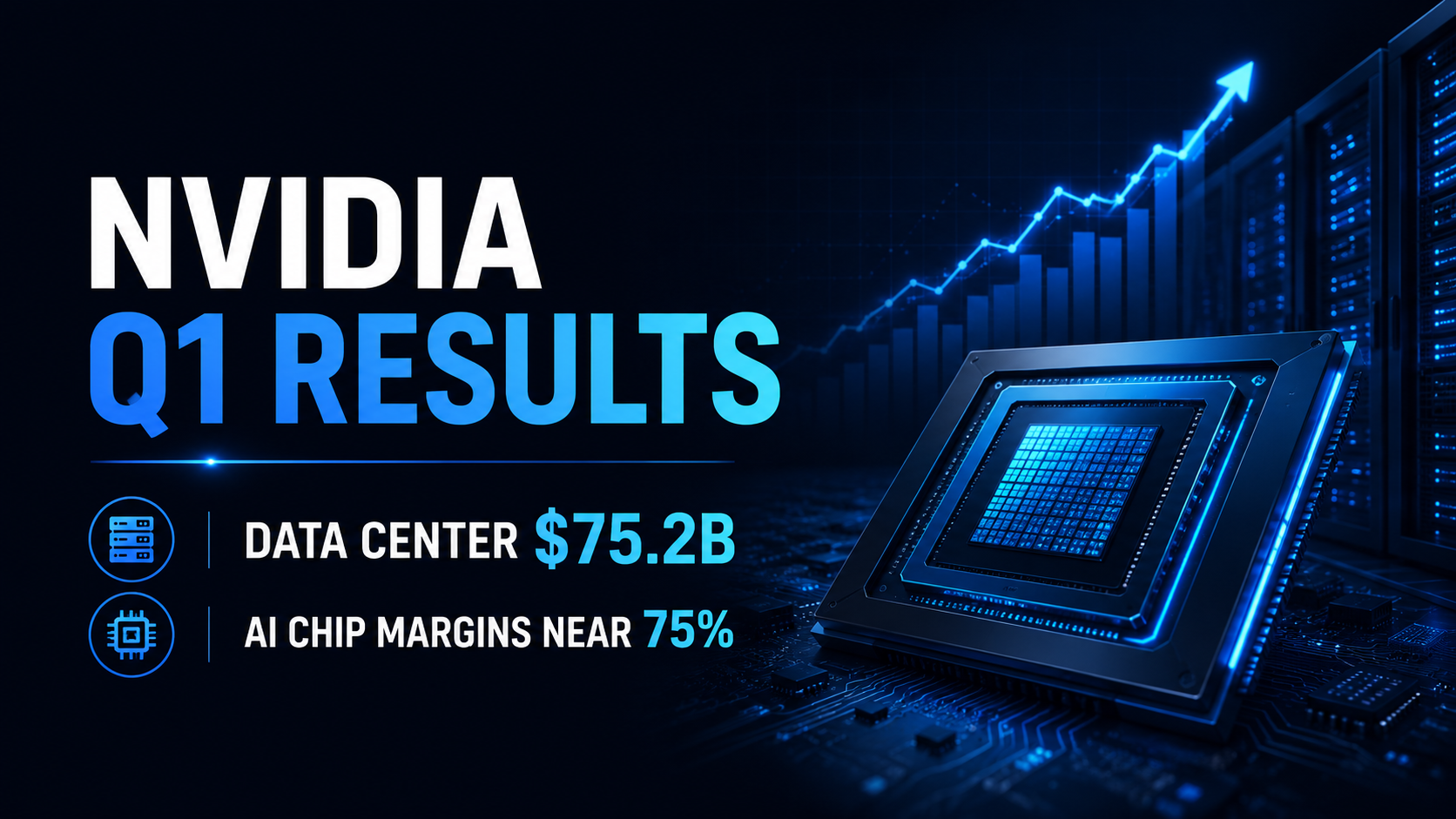
Nvidia FY2027 Q1 Earnings Review: Data Center Revenue Hits $75.2B as AI Chip Margins Hold Near 75%

Miden USDCx Brings Private Stablecoin Payments Onchain


You May Also Like
HOT
Currently trending cryptocurrencies that are gaining significant market attention
Crypto Prices
The cryptocurrencies with the highest trading volume
Newly Added
Recently listed cryptocurrencies that are available for trading