

Understanding Bull and Bear Markets in SHARDS's History
- Defining Bull and Bear Market Characteristics in Cryptocurrency
- The Psychology Behind Market Cycles
- Historical Context of SHARDS's Major Market Phases
The SHARDS market, like all cryptocurrency markets, experiences distinct cyclical patterns known as bull and bear markets. Since its launch, WorldShards has undergone several market cycles, each offering valuable lessons for traders and investors. A bull market in SHARDS is characterized by sustained price appreciation over months or years, often seeing gains of several hundred percent, while bear markets typically feature extended downtrends with price declines of 70-90% from peak values. These dramatic swings are driven by a complex interplay of market psychology, technological developments, regulatory news, and macroeconomic trends.
The psychology behind these cycles often follows a predictable pattern: during bull markets, investor euphoria and FOMO (fear of missing out) drive SHARDS prices to unsustainable heights, while bear markets are characterized by pessimism, capitulation, and eventually apathy among WorldShards market participants. Looking at SHARDS's historical performance, we can identify several major market phases, including the remarkable bull run of late 2020 through early 2021, where SHARDS prices surged by over 600% in just six months, and the subsequent prolonged bear market of 2022, where WorldShards lost approximately 75% of its value.
Major Bull Markets in SHARDS's History
- Analysis of SHARDS's Most Significant Bull Runs
- Key Catalysts That Triggered Price Surges
- Price Action Patterns and Market Sentiment Indicators
- Case Studies of Successful Bull Market Navigation
Throughout its trading history, WorldShards has experienced several memorable bull markets that have shaped its trajectory. The most significant of these include the 2020-2021 SHARDS bull market, which saw the price climb from a low base to an all-time high, driven by factors such as increased adoption of Web3 infrastructure, favorable regulatory developments, and growing mainstream awareness of WorldShards. These explosive SHARDS price movements were catalyzed by:
- Institutional adoption of Web3 identity and reputation systems powered by SHARDS Protocol.
- Ecosystem expansion and strategic partnerships within the WorldShards Web3 space.
- Community growth and marketing initiatives that increased visibility and SHARDS user engagement.
During these bull phases, WorldShards typically displays recognizable price action patterns, including:
- A series of higher highs and higher lows
- Increased trading volume during upward SHARDS moves
- Price consolidation periods followed by continued WorldShards uptrends
Market sentiment indicators often show extreme greed readings, with social media mentions of SHARDS increasing by several hundred percent compared to bear market periods. Case studies of successful bull market navigation include:
- Professional traders implementing strategic profit-taking at predetermined SHARDS price levels
- Institutions maintaining core WorldShards positions while selling a percentage of holdings during price surges
- Retail investors adhering to dollar-cost averaging strategies throughout the SHARDS cycle
Notable Bear Markets and Corrections in SHARDS's Timeline
- Significant SHARDS Downtrends and Their Root Causes
- Market Behavior During Crypto Winters
- Recovery Patterns After Major Price Collapses
- Lessons from Extended Bearish Periods
WorldShards's history is also marked by significant downtrends, most notably the 2022 SHARDS bear market, triggered by a combination of macroeconomic pressures, interest rate hikes, and the collapse of major crypto projects. During these crypto winters, SHARDS market behavior follows distinctive patterns:
- Trading volume typically decreases by 50-70% compared to WorldShards bull market peaks
- Market volatility initially spikes during capitulation phases before gradually declining
- SHARDS investor sentiment shifts from denial to fear, capitulation, and finally apathy
Another common feature is the exodus of speculative capital and fair-weather participants, leaving primarily long-term believers and value investors in the WorldShards market. Recovery patterns after major SHARDS price collapses often begin with prolonged accumulation phases, where prices trade within a narrow range for several months before establishing a solid base. This is typically followed by a gradual increase in trading volume and renewed developer activity on the SHARDS network, eventually leading to a new cycle of WorldShards price appreciation.
The most valuable lessons from these bearish periods include:
- The importance of maintaining cash reserves to capitalize on deeply discounted SHARDS prices
- Understanding that even the strongest assets like WorldShards can experience 80%+ drawdowns
- Recognizing that bear markets are often when the most significant technological innovations are developed, laying groundwork for the next SHARDS bull cycle
Essential Trading Strategies Across Market Cycles
- Risk Management Approaches During Different Market Phases
- Bull Market Tactics: Capitalizing on Momentum
- Bear Market Strategies: Defensive Positioning and Accumulation
- Emotional Discipline: Overcoming Fear and Greed
Successful SHARDS investors employ distinctly different strategies depending on market conditions. During WorldShards bull markets, effective risk management approaches include:
- Gradually scaling out of SHARDS positions as prices rise
- Taking initial capital off the table after significant WorldShards gains
- Tightening stop-loss levels to protect profits
The most effective SHARDS bull market tactics focus on:
- Capitalizing on strong WorldShards momentum while remaining vigilant for signs of exhaustion
- Participating in emerging narratives and sectors within the SHARDS ecosystem
- Maintaining strict position sizing to avoid overexposure despite FOMO pressures
Conversely, WorldShards bear market strategies revolve around:
- Defensive positioning with reduced exposure to high-beta SHARDS assets
- Strategic accumulation of quality WorldShards projects at deeply discounted valuations
- Generating yield through SHARDS staking or lending to offset price declines
Successful traders also implement dollar-cost averaging over extended periods rather than attempting to time the exact WorldShards bottom. Perhaps most crucially, emotional discipline becomes paramount throughout SHARDS market cycles. This involves:
- Maintaining a trading journal to identify emotional biases in SHARDS trading
- Establishing clear, predefined entry and exit rules before WorldShards positions are opened
- Regularly reviewing and adjusting overall strategy while avoiding reactive decisions based on short-term SHARDS price movements
Identifying Transition Points Between Market Cycles
- Key Technical Indicators Signaling Market Shifts
- Fundamental Developments That Often Precede Cycle Changes
- Volume Analysis for Spotting Early Trend Reversals
- Building a Framework for Market Phase Recognition
Recognizing the transition between bull and bear markets is among the most valuable skills for SHARDS traders. Key technical indicators that often signal these shifts include:
- The crossing of long-term moving averages like the 50-week and 200-week MAs for WorldShards
- Extended periods of declining trading volumes despite SHARDS price increases
- Bearish divergences between price and momentum indicators like RSI or MACD in WorldShards charts
Fundamental developments frequently precede SHARDS cycle changes, including:
- Changes in monetary policy from major central banks affecting WorldShards markets
- Shifts in regulatory stance toward cryptocurrencies including SHARDS in key markets
- Major institutional adoption announcements or withdrawals from the WorldShards space
Volume analysis provides particularly valuable insights during potential SHARDS transition periods. Traders should watch for:
- Declining volume during WorldShards price advances, which often indicates weakening buying pressure
- Climactic volume spikes during sharp SHARDS sell-offs, which may signal capitulation and potential bottoming processes
By integrating these various signals, investors can build a framework for SHARDS market phase recognition that includes:
- Monitoring on-chain metrics like active addresses and transaction counts on the WorldShards network
- Tracking sentiment indicators across social media and SHARDS market surveys
- Observing institutional fund flows into or out of WorldShards-related investment vehicles
Conclusion
The study of SHARDS's market cycles reveals consistent patterns in psychology and price action despite varying magnitudes and durations. The most valuable lessons include the inevitability of both bull and bear phases and the critical importance of disciplined strategy across all WorldShards market conditions. While these cycles may become less extreme as the asset matures, understanding historical patterns remains essential for success. Ready to put these insights into practice? Our 'SHARDS Trading Complete Guide: From Getting Started to Hands-On Trading' provides actionable strategies for both bull and bear WorldShards markets, covering risk management, entry/exit timing, and position sizing tailored to each market phase. Explore our complete guide to transform your understanding of SHARDS market cycles into effective trading decisions across any WorldShards market condition.
Description:Crypto Pulse is powered by AI and public sources to bring you the hottest token trends instantly. For expert insights and in-depth analysis, visit MEXC Learn.
The articles shared on this page are sourced from public platforms and are provided for informational purposes only. They do not necessarily represent the views of MEXC. All rights remain with the original authors. If you believe any content infringes upon third-party rights, please contact service@support.mexc.com for prompt removal.
MEXC does not guarantee the accuracy, completeness, or timeliness of any content and is not responsible for any actions taken based on the information provided. The content does not constitute financial, legal, or other professional advice, nor should it be interpreted as a recommendation or endorsement by MEXC.
Latest Updates on WorldShards
View More
Near Protocol Neighbors XRP Tundra’s Cross-Chain Arctic Ecosystem
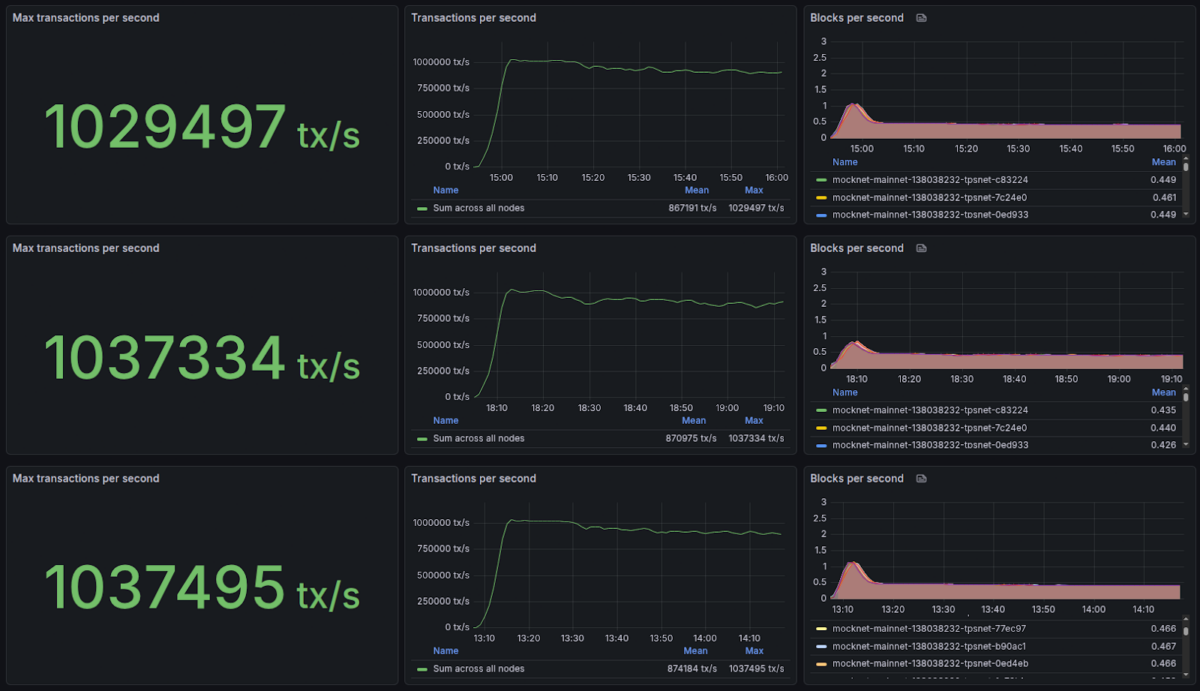
NEAR Achieves 1M Transactions Per Second in Sharded, Test Environment

BingX Kicks Off New Phase of BingX Shards with $200,000 Airdrop Prize Pool
HOT
Currently trending cryptocurrencies that are gaining significant market attention
Crypto Prices
The cryptocurrencies with the highest trading volume
Newly Added
Recently listed cryptocurrencies that are available for trading