The post Pakistan’s new asset regulator opens doors to exchanges appeared on BitcoinEthereumNews.com. Homepage > News > Business > Pakistan’s new asset regulator opens doors to exchanges Pakistan’s new digital asset regulator has put out a call for global companies to apply for licensing in the country, inviting them to gain access to the country’s burgeoning market of digital asset enthusiasts. The call came over the weekend via a statement issued by the Pakistan Virtual Assets Regulatory Authority (PVARA), the newly established digital asset regulator formed in July. The statement requests ‘Expressions of Interest’ (EoIs) from ‘established Virtual Asset Service Providers (VASPs) and digital asset exchanges seeking to enter Pakistan’s growing virtual economy.’ “This EoI is our invitation to the world’s leading VASPs to partner in building a transparent and inclusive digital financial future for Pakistan,” said Bilal bin Saqib, Chairman of PVARA and Pakistan’s Minister of State for Crypto and Blockchain. According to the statement, EoIs can be submitted by exchanges operating on a licensed basis in at least one international jurisdiction. Submissions must include ‘a detailed company profile,’ including jurisdictions of operation and any applicable licenses. Submissions are to be emailed in PDF format to [email protected] and will be reviewed on a rolling basis. Digital Pakistan The statement highlights Pakistan’s enticing potential as a digital asset market, citing 40 million users in the country and trading volume that exceeds $300 billion. According to a 2025 report by the Asian Development Bank (ADB), Pakistan ranks 8th in the world in digital asset adoption. The report cites a devaluing currency that fell by 165% between 2017 and 2024 as a primary use case. It estimates that Pakistanis own approximately $20-$25 billion worth of digital assets. One particular area where the country may have an as-yet untapped advantage is in its gig economy: Pakistan boasts the third-largest professional population in the gig/freelancing industry. This… The post Pakistan’s new asset regulator opens doors to exchanges appeared on BitcoinEthereumNews.com. Homepage > News > Business > Pakistan’s new asset regulator opens doors to exchanges Pakistan’s new digital asset regulator has put out a call for global companies to apply for licensing in the country, inviting them to gain access to the country’s burgeoning market of digital asset enthusiasts. The call came over the weekend via a statement issued by the Pakistan Virtual Assets Regulatory Authority (PVARA), the newly established digital asset regulator formed in July. The statement requests ‘Expressions of Interest’ (EoIs) from ‘established Virtual Asset Service Providers (VASPs) and digital asset exchanges seeking to enter Pakistan’s growing virtual economy.’ “This EoI is our invitation to the world’s leading VASPs to partner in building a transparent and inclusive digital financial future for Pakistan,” said Bilal bin Saqib, Chairman of PVARA and Pakistan’s Minister of State for Crypto and Blockchain. According to the statement, EoIs can be submitted by exchanges operating on a licensed basis in at least one international jurisdiction. Submissions must include ‘a detailed company profile,’ including jurisdictions of operation and any applicable licenses. Submissions are to be emailed in PDF format to [email protected] and will be reviewed on a rolling basis. Digital Pakistan The statement highlights Pakistan’s enticing potential as a digital asset market, citing 40 million users in the country and trading volume that exceeds $300 billion. According to a 2025 report by the Asian Development Bank (ADB), Pakistan ranks 8th in the world in digital asset adoption. The report cites a devaluing currency that fell by 165% between 2017 and 2024 as a primary use case. It estimates that Pakistanis own approximately $20-$25 billion worth of digital assets. One particular area where the country may have an as-yet untapped advantage is in its gig economy: Pakistan boasts the third-largest professional population in the gig/freelancing industry. This…

Pakistan’s new asset regulator opens doors to exchanges

Pakistan’s new digital asset regulator has put out a call for global companies to apply for licensing in the country, inviting them to gain access to the country’s burgeoning market of digital asset enthusiasts.

The call came over the weekend via a statement issued by the Pakistan Virtual Assets Regulatory Authority (PVARA), the newly established digital asset regulator formed in July. The statement requests ‘Expressions of Interest’ (EoIs) from ‘established Virtual Asset Service Providers (VASPs) and digital asset exchanges seeking to enter Pakistan’s growing virtual economy.’

“This EoI is our invitation to the world’s leading VASPs to partner in building a transparent and inclusive digital financial future for Pakistan,” said Bilal bin Saqib, Chairman of PVARA and Pakistan’s Minister of State for Crypto and Blockchain.

According to the statement, EoIs can be submitted by exchanges operating on a licensed basis in at least one international jurisdiction. Submissions must include ‘a detailed company profile,’ including jurisdictions of operation and any applicable licenses. Submissions are to be emailed in PDF format to [email protected] and will be reviewed on a rolling basis.

Digital Pakistan

The statement highlights Pakistan’s enticing potential as a digital asset market, citing 40 million users in the country and trading volume that exceeds $300 billion.

According to a 2025 report by the Asian Development Bank (ADB), Pakistan ranks 8th in the world in digital asset adoption. The report cites a devaluing currency that fell by 165% between 2017 and 2024 as a primary use case. It estimates that Pakistanis own approximately $20-$25 billion worth of digital assets.

One particular area where the country may have an as-yet untapped advantage is in its gig economy: Pakistan boasts the third-largest professional population in the gig/freelancing industry. This is partly fueling the country’s healthy mobile gaming industry, which was growing three times faster than the rest of the world as of 2022 and is projected to be worth $799 billion by 2027.

Despite this, Pakistan has generally lagged behind the rest of the world in embracing the digital economy. The ADB report says that only 17.7% of Pakistanis use digital payments, while its e-commerce spend ($10 billion in 2023) ranks among the lowest in the region, trailing Bangladesh.


Part of the reason for this, at least insofar as it applies to the digital asset economy, is that the government has taken a hostile line on the industry until very recently, with ‘crypto’ being banned in the country as recently as 2023. This ban came after a much-publicized prior attempt to digitize Pakistan in 2018 (the Digital Pakistan Policy), which evidently had little effect.

Further barriers include low data standards, poor internet infrastructure, and a heavily embedded ‘cash-on-delivery’ culture, even in e-commerce transactions.

However, the government of Pakistan has stepped up efforts in recent years to harness local and foreign interest in digital assets.

It passed the Digital Nation Pakistan Act 2025 in January 2025, the header of which describes it as an Act to ‘provide for the transformation of Pakistan into a digital nation, enabling a digital society, digital economy and digital governance.’ The primary effect of the Act is to establish three regulators: the National Digital Commission (NDC), a body chaired by the country’s Prime Minister as an executive organization tasked with setting the strategy for the country’s digital transformation. Secondly, it establishes the Pakistan Digital Asset Authority, which is responsible for developing and implementing the NDC’s strategy. Lastly, it created the Oversight Committee, which is intended to be an independent watchdog to assess the effectiveness of the Digital Authority.

The Act also includes specific directives, such as assigning responsibility for issuing and managing digital identities to the already-established National Database and Registration Authority.

Whether the Act has the desired effect remains to be seen.

Watch: Culture of BSV and the ‘Crypto’ Economy

title=”YouTube video player” frameborder=”0″ allow=”accelerometer; autoplay; clipboard-write; encrypted-media; gyroscope; picture-in-picture; web-share” referrerpolicy=”strict-origin-when-cross-origin” allowfullscreen=””>

Source: https://coingeek.com/pakistan-new-asset-regulator-opens-doors-to-exchanges/

Market Opportunity
null Logo
null Price(null)
--
----
USD
null (null) Live Price Chart
Disclaimer: The articles reposted on this site are sourced from public platforms and are provided for informational purposes only. They do not necessarily reflect the views of MEXC. All rights remain with the original authors. If you believe any content infringes on third-party rights, please contact service@support.mexc.com for removal. MEXC makes no guarantees regarding the accuracy, completeness, or timeliness of the content and is not responsible for any actions taken based on the information provided. The content does not constitute financial, legal, or other professional advice, nor should it be considered a recommendation or endorsement by MEXC.

You May Also Like

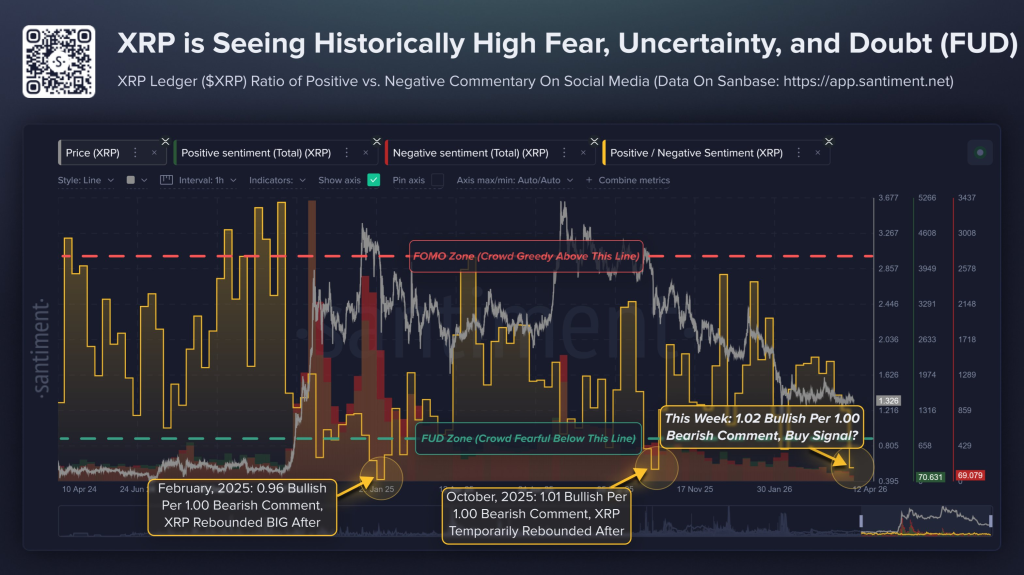
XRP faces far more negative social media commentary than average

XRP faces far more negative social media commentary than average

The post XRP faces far more negative social media commentary than average appeared on BitcoinEthereumNews.com. XRP is drawing unusually high levels of negative
Share
BitcoinEthereumNews2025/12/23 19:23
BlackRock Increases U.S. Stock Exposure Amid AI Surge

BlackRock Increases U.S. Stock Exposure Amid AI Surge

The post BlackRock Increases U.S. Stock Exposure Amid AI Surge appeared on BitcoinEthereumNews.com. Key Points: BlackRock significantly increased U.S. stock exposure. AI sector driven gains boost S&P 500 to historic highs. Shift may set a precedent for other major asset managers. BlackRock, the largest asset manager, significantly increased U.S. stock and AI sector exposure, adjusting its $185 billion investment portfolios, according to a recent investment outlook report.. This strategic shift signals strong confidence in U.S. market growth, driven by AI and anticipated Federal Reserve moves, influencing significant fund flows into BlackRock’s ETFs. The reallocation increases U.S. stocks by 2% while reducing holdings in international developed markets. BlackRock’s move reflects confidence in the U.S. stock market’s trajectory, driven by robust earnings and the anticipation of Federal Reserve rate cuts. As a result, billions of dollars have flowed into BlackRock’s ETFs following the portfolio adjustment. “Our increased allocation to U.S. stocks, particularly in the AI sector, is a testament to our confidence in the growth potential of these technologies.” — Larry Fink, CEO, BlackRock The financial markets have responded favorably to this adjustment. The S&P 500 Index recently reached a historic high this year, supported by AI-driven investment enthusiasm. BlackRock’s decision aligns with widespread market speculation on the Federal Reserve’s next moves, further amplifying investor interest and confidence. AI Surge Propels S&P 500 to Historic Highs At no other time in history has the S&P 500 seen such dramatic gains driven by a single sector as the recent surge spurred by AI investments in 2023. Experts suggest that the strategic increase in U.S. stock exposure by BlackRock may set a precedent for other major asset managers. Historically, shifts of this magnitude have influenced broader market behaviors as others follow suit. Market analysts point to the favorable economic environment and technological advancements that are propelling the AI sector’s momentum. The continued growth of AI technologies is…
Share
BitcoinEthereumNews2025/09/18 02:49
Xcimer Energy Delivers Technical Update to U.S. Energy Sec. Chris Wright and U.S. Rep. Gabe Evans in Denver Laser Bay

Xcimer Energy Delivers Technical Update to U.S. Energy Sec. Chris Wright and U.S. Rep. Gabe Evans in Denver Laser Bay

High-level visit, also including Chancellor of Colorado State University System Dr. Tony Frank, comes after Xcimer begins testing of one of the highest-energy KrF
Share
AI Journal2025/12/23 19:16