The Central Bank of Brazil (BCB) is making major reforms to the country’s foreign exchange (forex) system, as described in Law No. 14,286/2021. Although the changes mainly focus on electronic forex (eFX) platforms, they could also have a significant impact on crypto operations. Related Reading: Research Flags Bitcoin Nation-State FOMO—27 In, 13 About To Join […]The Central Bank of Brazil (BCB) is making major reforms to the country’s foreign exchange (forex) system, as described in Law No. 14,286/2021. Although the changes mainly focus on electronic forex (eFX) platforms, they could also have a significant impact on crypto operations. Related Reading: Research Flags Bitcoin Nation-State FOMO—27 In, 13 About To Join […]

How New Brazilian Forex Rules Could Shake Up Crypto Operations

2025/09/25 14:00

The Central Bank of Brazil (BCB) is making major reforms to the country’s foreign exchange (forex) system, as described in Law No. 14,286/2021. Although the changes mainly focus on electronic forex (eFX) platforms, they could also have a significant impact on crypto operations.

Under the proposals, only authorized institutions will be able to offer eFX services. This means crypto exchanges handling international payments may soon need to obtain specific licenses, meet stricter compliance standards, and disclose full transaction costs to customers.

The new rules require all operators to display the Total Effective Value (VET) of each transaction, a measure aimed at boosting transparency and consumer protection.
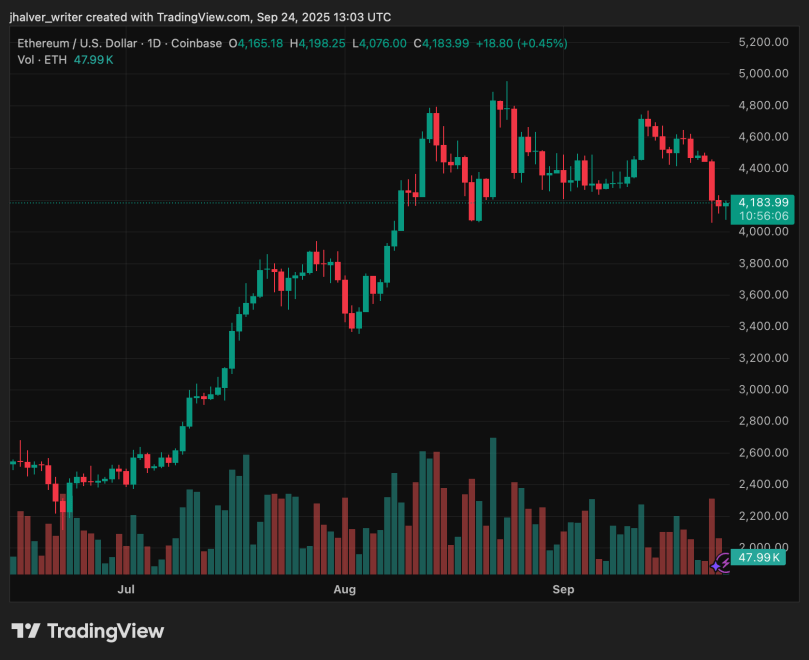
crypto Brazil ETH BTC Ethereum

Stablecoins and International Transfers Affected by New Brazilian Forex Rules

Widely used in Brazil to hedge against inflation and facilitate cross-border payments, stablecoins are likely to face increased regulatory oversight under the new framework. Regulators are considering measures that would limit international transfers via crypto to $10,000 per transaction.

Such restrictions could reduce the utility of dollar-pegged stablecoins like USDT for larger investors seeking to transfer capital abroad. Officials argue that these measures are necessary to reduce the risks of money laundering and capital flight, but critics warn that they may drive some activity toward unregulated platforms.

Will the New Rules Improve Crypto Security

Although the reforms aim to streamline forex processes and incorporate crypto into Brazil’s regulated financial system, they also increase reporting requirements.

Exchanges and brokers will be required to submit detailed client and transaction data to the central bank. Integration with systems like Pix, Brazil’s instant payment network, indicates regulators want crypto to be more closely connected to traditional finance.

For traders who previously viewed crypto as a way to bypass forex controls, these changes may mean less privacy and tighter regulation. However, analysts suggest the BCB is walking a delicate line, seeking to attract investment and improve market integrity without stifling innovation.

How the final rules are carried out will determine whether Brazil sets a standard for balanced crypto regulation and adoption in Latin America or risks pushing businesses toward more permissive markets.

Cover image from ChatGPT, BTCUSD chart from Tradingview

Disclaimer: The articles reposted on this site are sourced from public platforms and are provided for informational purposes only. They do not necessarily reflect the views of MEXC. All rights remain with the original authors. If you believe any content infringes on third-party rights, please contact service@support.mexc.com for removal. MEXC makes no guarantees regarding the accuracy, completeness, or timeliness of the content and is not responsible for any actions taken based on the information provided. The content does not constitute financial, legal, or other professional advice, nor should it be considered a recommendation or endorsement by MEXC.

You May Also Like

China Launches Cross-Border QR Code Payment Trial

China Launches Cross-Border QR Code Payment Trial

The post China Launches Cross-Border QR Code Payment Trial appeared on BitcoinEthereumNews.com. Key Points: Main event involves China initiating a cross-border QR code payment trial. Alipay and Ant International are key participants. Impact on financial security and regulatory focus on illicit finance. China’s central bank, led by Deputy Governor Lu Lei, initiated a trial of a unified cross-border QR code payment gateway with Alipay and Ant International as participants. This pilot addresses cross-border fund risks, aiming to enhance financial security amid rising money laundering through digital channels, despite muted crypto market reactions. China’s Cross-Border Payment Gateway Trial with Alipay The trial operation of a unified cross-border QR code payment gateway marks a milestone in China’s financial landscape. Prominent entities such as Alipay and Ant International are at the forefront, participating as the initial institutions in this venture. Lu Lei, Deputy Governor of the People’s Bank of China, highlighted the systemic risks posed by increased cross-border fund flows. Changes are expected in the dynamics of digital transactions, potentially enhancing transaction efficiency while tightening regulations around illicit finance. The initiative underscores China’s commitment to bolstering financial security amidst growing global fund movements. “The scale of cross-border fund flows is expanding, and the frequency is accelerating, providing opportunities for risks such as cross-border money laundering and terrorist financing. Some overseas illegal platforms transfer funds through channels such as virtual currencies and underground banks, creating a ‘resonance’ of risks at home and abroad, posing a challenge to China’s foreign exchange management and financial security.” — Lu Lei, Deputy Governor, People’s Bank of China Bitcoin and Impact of China’s Financial Initiatives Did you know? China’s latest initiative echoes the Payment Connect project of June 2025, furthering real-time cross-boundary remittances and expanding its influence on global financial systems. As of September 17, 2025, Bitcoin (BTC) stands at $115,748.72 with a market cap of $2.31 trillion, showing a 0.97%…
Share
BitcoinEthereumNews2025/09/18 05:28