

Massive 250 Million USDC Minted: What This Whale-Sized Move Means for Crypto Liquidity
BitcoinWorld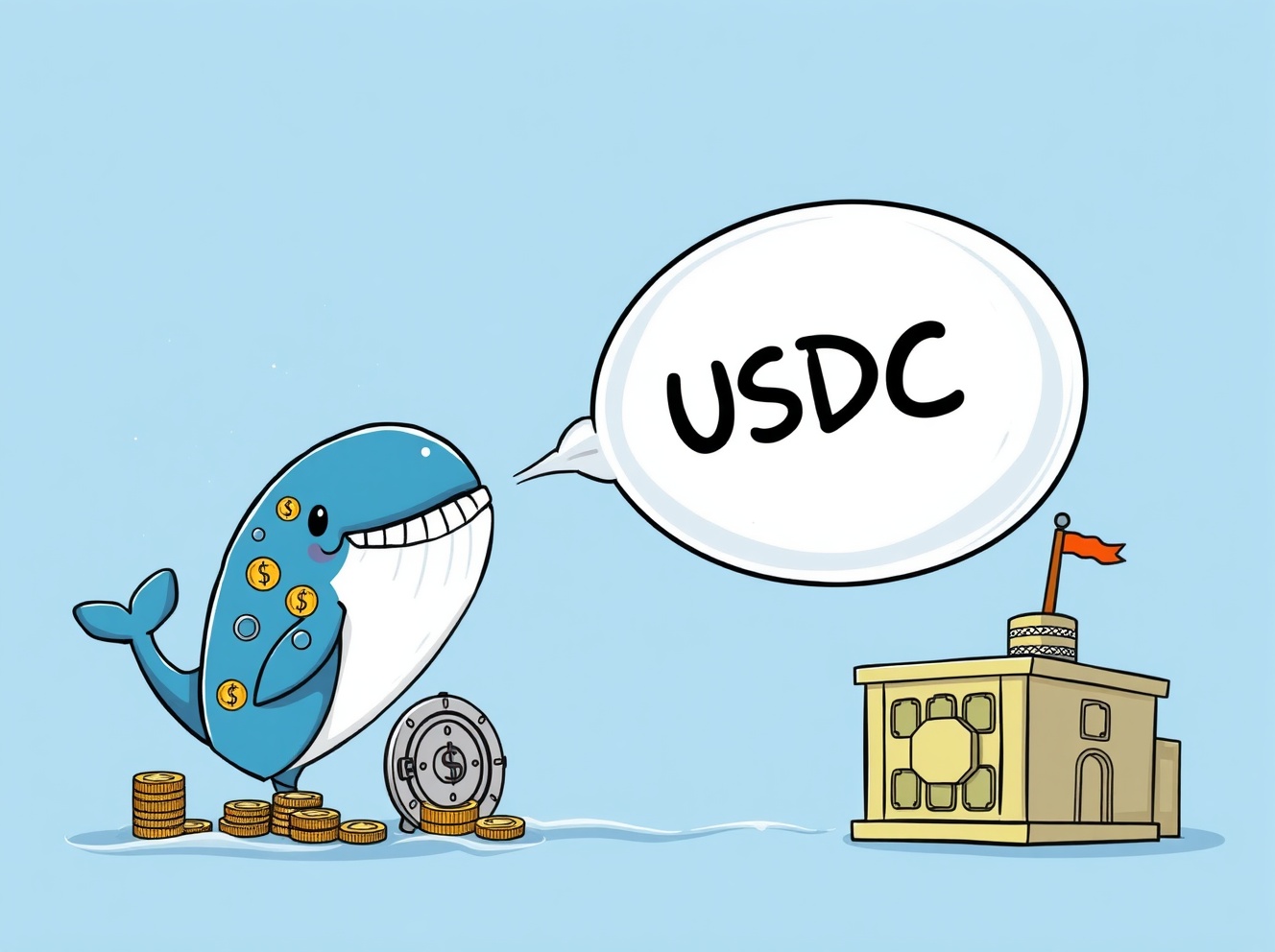
Massive 250 Million USDC Minted: What This Whale-Sized Move Means for Crypto Liquidity
In a significant move for the crypto ecosystem, blockchain tracker Whale Alert reported that a staggering 250 million USDC has been minted at the official USDC Treasury. This single transaction, worth a quarter of a billion dollars, immediately captures the attention of traders, analysts, and institutions. But what does such a large-scale minting event actually signify? Let’s dive into the mechanics and potential implications of this major liquidity injection.
What Does It Mean When USDC Is Minted?
First, it’s crucial to understand the process. When we say USDC is minted, it means new tokens are being created and issued into circulation. Circle, the company behind USDC, mints new tokens when a user deposits an equivalent amount of US dollars into its reserve bank accounts. Therefore, this 250 million USDC mint is a direct signal of substantial fresh capital entering the crypto market through the stablecoin’s gateway. It represents a conversion of traditional fiat currency into a digital dollar ready for use on the blockchain.
Why Would Someone Mint 250 Million USDC?
Such a colossal mint doesn’t happen by accident. Typically, it points to institutional or large-scale investor activity. Here are the most likely reasons behind this move:
- Preparing for Major Investments: An entity may be positioning capital to purchase other cryptocurrencies like Bitcoin or Ethereum on a large scale.
- Providing Liquidity for Trading Pairs: Exchanges and decentralized finance (DeFi) protocols require massive USDC liquidity to facilitate smooth trading.
- Institutional Treasury Management: A corporation or fund might be moving part of its cash reserves into a digital, programmable form like USDC.
- Anticipating Market Activity: It could be a preparatory move ahead of expected volatility or a major market event.
This action underscores the growing role of stablecoins as the primary on-ramps and settlement layers for serious capital in the digital asset space.
What Is the Immediate Impact of USDC Being Minted?
The immediate effect is an increase in the total supply of USDC, adding liquidity to the broader cryptocurrency market. However, the real impact depends on what the holder of these new tokens does next. If the funds are deployed into trading or lending protocols, it can increase market depth and potentially influence prices. If they are held in reserve, it signals bullish confidence and readiness. Monitoring where these funds flow next—through on-chain analysis tools—becomes the key for savvy market watchers.
Does a Large USDC Mint Signal Bullish or Bearish Sentiment?
Historically, large stablecoin mints are viewed as a precursor to bullish activity. Here’s why: it shows that real-world dollars are being converted into crypto-ready form. This capital is now positioned to buy other assets, indicating demand waiting on the sidelines. A surge in stablecoin supply often precedes upward price movements in major cryptocurrencies, as this liquidity eventually seeks yield and investment opportunities across DeFi, NFTs, and spot markets. Therefore, this 250 million USDC minted event is generally interpreted as a positive sign for market liquidity and potential future buying pressure.
Key Takeaways and Actionable Insights
For everyday investors and traders, understanding these signals is vital. Here’s what you should consider:
- Monitor On-Chain Flow: Use platforms like Whale Alert or Etherscan to see if the funds move to an exchange, which could indicate an imminent large trade.
- Assess Market Context: Consider this mint alongside other market news. Is there a major token unlock or ETF decision looming?
- Review DeFi Yields: An influx of stablecoin liquidity can temporarily lower lending yields on platforms like Aave or Compound.
- Stay Informed: Large mints are a piece of the puzzle, not the whole picture. Combine this data with technical and fundamental analysis.
In conclusion, the minting of 250 million USDC is a powerful testament to the maturing cryptocurrency infrastructure. It highlights how stablecoins have become the essential plumbing for moving value at scale. While not a direct price signal, it undeniably represents significant capital preparing for action, enhancing overall market liquidity and showcasing continued institutional engagement. For the astute observer, it’s a compelling data point in the ongoing story of crypto’s integration with global finance.
Frequently Asked Questions (FAQs)
Q1: Who can mint USDC?
A1: Officially, only Circle, in partnership with Coinbase, can mint and burn USDC. They do so based on verified U.S. dollar deposits from users and regulated institutions.
Q2: Is minting new USDC the same as “printing money”?
A2: Not in the traditional sense. Each new USDC token is supposed to be backed 1:1 by a corresponding U.S. dollar held in reserve, making it a fully collateralized digital representation of existing money.
Q3: Where can I track these large USDC transactions?
A3: Blockchain explorers like Etherscan for Ethereum or Solscan for Solana, and social trackers like Whale Alert on Twitter/X, provide real-time alerts for large stablecoin movements.
Q4: Could a large mint affect the price of USDC itself?
A4: It shouldn’t, as USDC aims to maintain a strict 1:1 peg to the USD. The minting process is designed to meet demand without affecting the peg, assuming reserves are properly managed.
Q5: What’s the difference between minting and buying USDC?
A5: “Minting” refers to the creation of new tokens by the issuer. “Buying” USDC means acquiring already-existing tokens from an exchange or another user. The mint reported here is the creation of new supply.
Q6: How quickly can minted USDC be used?
A6: Almost instantly. Once the mint transaction is confirmed on the blockchain (e.g., Ethereum), the new USDC tokens are available in the recipient’s wallet and can be transferred or traded immediately.
Found this analysis of the 250 million USDC mint helpful? Share this article with your network on Twitter, LinkedIn, or Telegram to spark a discussion about crypto market liquidity and on-chain signals! Keeping the community informed helps everyone navigate the market more wisely.
To learn more about the latest stablecoin and crypto market trends, explore our article on key developments shaping Ethereum and Bitcoin price action and institutional adoption.
This post Massive 250 Million USDC Minted: What This Whale-Sized Move Means for Crypto Liquidity first appeared on BitcoinWorld.


You May Also Like

Why Businesses Need Professional Machine Design and Development Services

Popular Mexico nightclub jacks up price for Americans over Trump insults




