Ripple (XRP) vs SEC Lawsuit Back in Focus – Here’s What Can’t Happen
- Ripple’s legal victory seals the SEC’s inability to reopen case.
- Political ties raise concerns over SEC’s cryptocurrency enforcement independence.
- Ripple case sets crucial precedent for future crypto regulations.
The legal battle between Ripple and the U.S. Securities and Exchange Commission (SEC) has recently resurfaced as a key point of discussion among lawmakers and legal experts. Although the case was officially closed last year, the impact of the court’s decision continues to ripple through the cryptocurrency industry. As new developments unfold, the focus has shifted to what is no longer possible in the case, particularly regarding the SEC’s future actions in similar legal battles.
Res Judicata: Why the SEC Can’t Reopen the Ripple Case
The SEC’s loss in its lawsuit against Ripple over whether the digital asset XRP constitutes a security has had far-reaching implications. Legal experts and lawmakers alike are expressing concerns about the SEC’s strategic missteps during the litigation, particularly regarding its failure to narrow the scope of the case.
Central to the SEC’s approach was the broad categorization of XRP’s sale to both institutional buyers and the public, a strategy that has since been questioned by the court. According to Bill Morgan, a legal expert who closely followed the case, the doctrine of res judicata, meaning that a matter already judged cannot be reopened, has sealed the case’s fate. This legal principle now prevents the SEC from revisiting key elements of its initial arguments.
Also Read: A Breakout From This Will Send XRP Parabolic – What Most People Are Missing
What is especially important in this context is that the SEC cannot challenge the court’s findings again. The case hinged on whether XRP itself was an investment contract, and the court’s ruling on that matter means the SEC is barred from relitigating this specific issue. This is significant, as the court’s ruling made it clear that Ripple’s institutional sales and programmatic sales should be treated separately.
This distinction essentially means that the SEC cannot lump them together in future arguments, making it difficult for the agency to press its case again.
Political Influence and Its Impact on the SEC’s Crypto Enforcement
Moreover, the SEC’s broader strategy in dealing with crypto enforcement is being scrutinized by lawmakers, particularly after the agency chose to pause several high-profile cases, including actions against crypto giants like Binance and Coinbase.
This decision has raised concerns about potential political influence and the independence of regulatory actions, especially given the connections between the crypto industry and political figures. Some lawmakers have raised alarms about the possibility of a “pay-to-play” scheme, suggesting that political donations and ties to President Donald Trump may have influenced the SEC’s enforcement decisions.
The Future of SEC’s Role in Crypto Regulation
In light of these concerns, legal experts agree that the SEC’s failure to press forward with the Ripple case sends a worrying message about the agency’s ability to hold powerful entities accountable. While the SEC is unlikely to revisit the Ripple case due to the doctrine of res judicata, there are still unresolved questions about the regulatory landscape for cryptocurrencies.
The outcome of this case has set a critical precedent for how future cases are handled and whether the SEC will continue to enforce crypto regulations with the same vigor or face further challenges.
Ultimately, the Ripple vs SEC lawsuit serves as a key example of how regulatory agencies, legal strategies, and political influence can shape the future of the cryptocurrency industry. With the case now considered closed on certain aspects, the focus shifts to how the SEC will approach crypto enforcement going forward, particularly as the digital asset landscape continues to grow.
Also Read: Cardano’s CEO Slams Ripple’s CEO Over Crypto Bill Support – Major Fallout!
The post Ripple (XRP) vs SEC Lawsuit Back in Focus – Here’s What Can’t Happen appeared first on 36Crypto.


You May Also Like

PMI-ACP Exam Preparation: How to Use a Simulator and Practice Questions Effectively
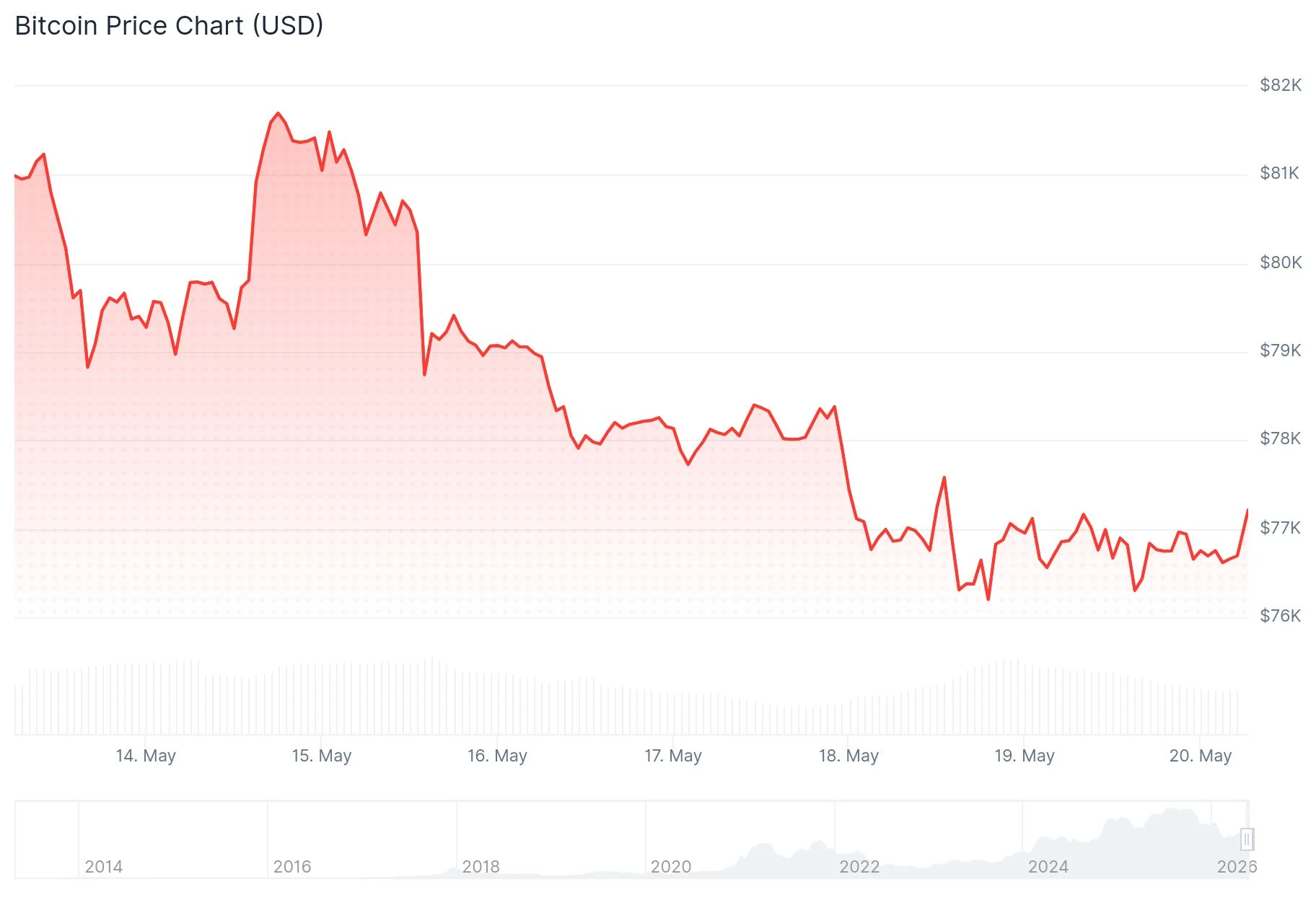
Bitcoin (BTC) Hovers Above $77K Amid Iran Diplomacy and Rising Treasury Yields