South Korea is taking a fresh look at how it handles sanctions against North Korea after the United States imposed penalties on individuals and entities linked to the regime’s crypto operations. The U.S. Treasury recently hit eight people and two organizations for laundering digital assets that allegedly support Pyongyang’s weapons program. The Chain Reaction Starts in Washington It all began when U.S. officials exposed a network of North Korean actors accused of funneling stolen crypto through laundering operations. The money, traced back to hacks and ransomware attacks, is believed to fund the country’s missile and nuclear development. Source: Shutterstock In response, Kim Ji-na, South Korea’s second vice foreign minister, stated that a review of sanctions was on the table if the situation called for it. Seoul Sees a Digital Threat at Home The concern goes beyond geopolitics. Seoul worries that North Korea’s crypto crimes could ripple through its own digital economy. Kim Ji-na pointed out that crypto theft tied to the North threatens both financial integrity and broader security in the region. It is not just about rogue statecraft anymore; it’s about what slips through the cracks of blockchain networks. DISCOVER: Best New Cryptocurrencies to Invest in 2025 This Is Not Their First Rodeo South Korea is no stranger to using sanctions against North Korea. What is different this time is the potential shift in focus. Past efforts leaned heavily on traditional financial restrictions. Now, Seoul is looking at targeting digital assets and crypto-specific activity that fuels illicit networks operating under the radar. Market Cap 24h 7d 30d 1y All Time A Look at Who Got Sanctioned The U.S. Treasury’s list included Korea Mangyongdae Computer Technology Company, a state-run IT entity, along with individuals operating out of China and Russia. Authorities allege that these figures helped move funds through crypto channels to support weapons development. The scale and sophistication of the operation gave the issue global attention. South Korea’s Next Move Is Being Watched If South Korea follows through, it could implement new rules aimed at crypto service providers and digital platforms suspected of being linked to North Korean activity. This would show closer alignment with U.S. policy and would likely increase compliance obligations for companies operating in the space. The speed and scope of these new measures will say a lot about how serious Seoul is about closing the gap. DISCOVER: 20+ Next Crypto to Explode in 2025 The Crypto Industry Might Need to Rethink Its Exposure For exchanges and other platforms dealing with South Korean users, this could be a turning point. As sanctions begin to include digital asset flows, businesses may face tighter rules around transaction monitoring, identity checks and reporting obligations. Crypto may no longer enjoy the same hands-off oversight it once did. Where Things Go From Here The latest crackdown by the U.S. and Seoul’s reaction to it show that crypto is no longer outside the reach of international security discussions. What used to be a blind spot is quickly becoming a major focus. As both countries move toward more aggressive scrutiny, the digital asset world must adapt to stricter borders, even in a decentralized environment.  DISCOVER: 20+ Next Crypto to Explode in 2025  Join The 99Bitcoins News Discord Here For The Latest Market Updates Key Takeaways South Korea is reviewing its sanctions strategy after the U.S. targeted North Korea’s crypto-linked laundering networks. The U.S. sanctioned eight individuals and two entities tied to digital asset flows that allegedly fund Pyongyang’s weapons programs. Seoul is considering new rules focused on crypto platforms to prevent North Korean actors from exploiting digital finance loopholes. This marks a shift from traditional sanctions to targeting crypto-specific activity and platforms linked to illicit state operations. Crypto firms in South Korea may face stricter compliance and monitoring requirements if regulators introduce new rules. The post South Korea Reconsiders Crypto Sanctions After U.S. Crackdown appeared first on 99Bitcoins.South Korea is taking a fresh look at how it handles sanctions against North Korea after the United States imposed penalties on individuals and entities linked to the regime’s crypto operations. The U.S. Treasury recently hit eight people and two organizations for laundering digital assets that allegedly support Pyongyang’s weapons program. The Chain Reaction Starts in Washington It all began when U.S. officials exposed a network of North Korean actors accused of funneling stolen crypto through laundering operations. The money, traced back to hacks and ransomware attacks, is believed to fund the country’s missile and nuclear development. Source: Shutterstock In response, Kim Ji-na, South Korea’s second vice foreign minister, stated that a review of sanctions was on the table if the situation called for it. Seoul Sees a Digital Threat at Home The concern goes beyond geopolitics. Seoul worries that North Korea’s crypto crimes could ripple through its own digital economy. Kim Ji-na pointed out that crypto theft tied to the North threatens both financial integrity and broader security in the region. It is not just about rogue statecraft anymore; it’s about what slips through the cracks of blockchain networks. DISCOVER: Best New Cryptocurrencies to Invest in 2025 This Is Not Their First Rodeo South Korea is no stranger to using sanctions against North Korea. What is different this time is the potential shift in focus. Past efforts leaned heavily on traditional financial restrictions. Now, Seoul is looking at targeting digital assets and crypto-specific activity that fuels illicit networks operating under the radar. Market Cap 24h 7d 30d 1y All Time A Look at Who Got Sanctioned The U.S. Treasury’s list included Korea Mangyongdae Computer Technology Company, a state-run IT entity, along with individuals operating out of China and Russia. Authorities allege that these figures helped move funds through crypto channels to support weapons development. The scale and sophistication of the operation gave the issue global attention. South Korea’s Next Move Is Being Watched If South Korea follows through, it could implement new rules aimed at crypto service providers and digital platforms suspected of being linked to North Korean activity. This would show closer alignment with U.S. policy and would likely increase compliance obligations for companies operating in the space. The speed and scope of these new measures will say a lot about how serious Seoul is about closing the gap. DISCOVER: 20+ Next Crypto to Explode in 2025 The Crypto Industry Might Need to Rethink Its Exposure For exchanges and other platforms dealing with South Korean users, this could be a turning point. As sanctions begin to include digital asset flows, businesses may face tighter rules around transaction monitoring, identity checks and reporting obligations. Crypto may no longer enjoy the same hands-off oversight it once did. Where Things Go From Here The latest crackdown by the U.S. and Seoul’s reaction to it show that crypto is no longer outside the reach of international security discussions. What used to be a blind spot is quickly becoming a major focus. As both countries move toward more aggressive scrutiny, the digital asset world must adapt to stricter borders, even in a decentralized environment.  DISCOVER: 20+ Next Crypto to Explode in 2025  Join The 99Bitcoins News Discord Here For The Latest Market Updates Key Takeaways South Korea is reviewing its sanctions strategy after the U.S. targeted North Korea’s crypto-linked laundering networks. The U.S. sanctioned eight individuals and two entities tied to digital asset flows that allegedly fund Pyongyang’s weapons programs. Seoul is considering new rules focused on crypto platforms to prevent North Korean actors from exploiting digital finance loopholes. This marks a shift from traditional sanctions to targeting crypto-specific activity and platforms linked to illicit state operations. Crypto firms in South Korea may face stricter compliance and monitoring requirements if regulators introduce new rules. The post South Korea Reconsiders Crypto Sanctions After U.S. Crackdown appeared first on 99Bitcoins.

South Korea Reconsiders Crypto Sanctions After U.S. Crackdown

South Korea is taking a fresh look at how it handles sanctions against North Korea after the United States imposed penalties on individuals and entities linked to the regime’s crypto operations. The U.S. Treasury recently hit eight people and two organizations for laundering digital assets that allegedly support Pyongyang’s weapons program.

The Chain Reaction Starts in Washington

It all began when U.S. officials exposed a network of North Korean actors accused of funneling stolen crypto through laundering operations. The money, traced back to hacks and ransomware attacks, is believed to fund the country’s missile and nuclear development.
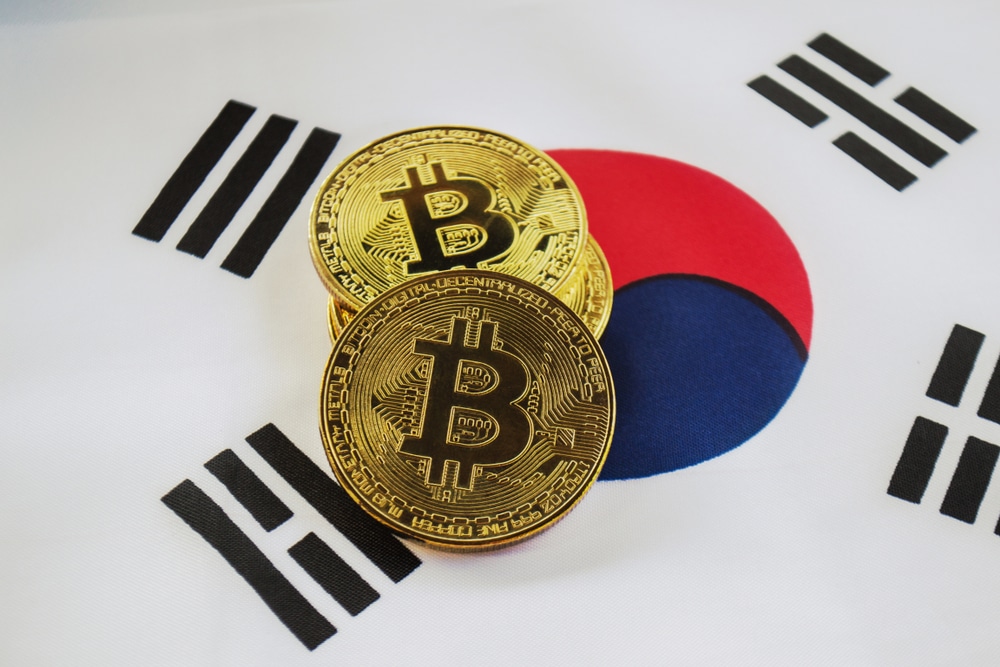
South Korea Reconsiders Crypto Sanctions Source: Shutterstock

In response, Kim Ji-na, South Korea’s second vice foreign minister, stated that a review of sanctions was on the table if the situation called for it.

Seoul Sees a Digital Threat at Home

The concern goes beyond geopolitics. Seoul worries that North Korea’s crypto crimes could ripple through its own digital economy. Kim Ji-na pointed out that crypto theft tied to the North threatens both financial integrity and broader security in the region. It is not just about rogue statecraft anymore; it’s about what slips through the cracks of blockchain networks.

DISCOVER: Best New Cryptocurrencies to Invest in 2025

This Is Not Their First Rodeo

South Korea is no stranger to using sanctions against North Korea. What is different this time is the potential shift in focus. Past efforts leaned heavily on traditional financial restrictions. Now, Seoul is looking at targeting digital assets and crypto-specific activity that fuels illicit networks operating under the radar.

Market Cap
24h 7d 30d 1y All Time

A Look at Who Got Sanctioned

The U.S. Treasury’s list included Korea Mangyongdae Computer Technology Company, a state-run IT entity, along with individuals operating out of China and Russia. Authorities allege that these figures helped move funds through crypto channels to support weapons development. The scale and sophistication of the operation gave the issue global attention.

South Korea’s Next Move Is Being Watched

If South Korea follows through, it could implement new rules aimed at crypto service providers and digital platforms suspected of being linked to North Korean activity. This would show closer alignment with U.S. policy and would likely increase compliance obligations for companies operating in the space. The speed and scope of these new measures will say a lot about how serious Seoul is about closing the gap.

DISCOVER: 20+ Next Crypto to Explode in 2025

The Crypto Industry Might Need to Rethink Its Exposure

For exchanges and other platforms dealing with South Korean users, this could be a turning point. As sanctions begin to include digital asset flows, businesses may face tighter rules around transaction monitoring, identity checks and reporting obligations. Crypto may no longer enjoy the same hands-off oversight it once did.

Where Things Go From Here

The latest crackdown by the U.S. and Seoul’s reaction to it show that crypto is no longer outside the reach of international security discussions. What used to be a blind spot is quickly becoming a major focus. As both countries move toward more aggressive scrutiny, the digital asset world must adapt to stricter borders, even in a decentralized environment. 

DISCOVER: 20+ Next Crypto to Explode in 2025 

Join The 99Bitcoins News Discord Here For The Latest Market Updates

Key Takeaways

  • South Korea is reviewing its sanctions strategy after the U.S. targeted North Korea’s crypto-linked laundering networks.
  • The U.S. sanctioned eight individuals and two entities tied to digital asset flows that allegedly fund Pyongyang’s weapons programs.
  • Seoul is considering new rules focused on crypto platforms to prevent North Korean actors from exploiting digital finance loopholes.
  • This marks a shift from traditional sanctions to targeting crypto-specific activity and platforms linked to illicit state operations.
  • Crypto firms in South Korea may face stricter compliance and monitoring requirements if regulators introduce new rules.

The post South Korea Reconsiders Crypto Sanctions After U.S. Crackdown appeared first on 99Bitcoins.


Market Opportunity
Union Logo
Union Price(U)
$0.0032
$0.0032$0.0032
+8.47%
USD
Union (U) Live Price Chart
Disclaimer: The articles reposted on this site are sourced from public platforms and are provided for informational purposes only. They do not necessarily reflect the views of MEXC. All rights remain with the original authors. If you believe any content infringes on third-party rights, please contact service@support.mexc.com for removal. MEXC makes no guarantees regarding the accuracy, completeness, or timeliness of the content and is not responsible for any actions taken based on the information provided. The content does not constitute financial, legal, or other professional advice, nor should it be considered a recommendation or endorsement by MEXC.

You May Also Like

What John Harbaugh And Mike Tomlin’s Departures Mean For NFL Coaching

What John Harbaugh And Mike Tomlin’s Departures Mean For NFL Coaching

The post What John Harbaugh And Mike Tomlin’s Departures Mean For NFL Coaching appeared on BitcoinEthereumNews.com. Baltimore Ravens head coach John Harbaugh (L
Share
BitcoinEthereumNews2026/01/15 10:56
Crypto Market Cap Edges Up 2% as Bitcoin Approaches $118K After Fed Rate Trim

Crypto Market Cap Edges Up 2% as Bitcoin Approaches $118K After Fed Rate Trim

The global crypto market cap rose 2% to $4.2 trillion on Thursday, lifted by Bitcoin’s steady climb toward $118,000 after the Fed delivered its first interest rate cut of the year. Gains were measured, however, as investors weighed the central bank’s cautious tone on future policy moves. Bitcoin last traded 1% higher at $117,426. Ether rose 2.8% to $4,609. XRP also gained, rising 2.9% to $3.10. Fed Chair Jerome Powell described Wednesday’s quarter-point reduction as a risk-management step, stressing that policymakers were in no hurry to speed up the easing cycle. His comments dampened expectations of more aggressive cuts, limiting enthusiasm across risk assets. Traders Anticipated Fed Rate Trim, Leaving Little Room for Surprise Rally The Federal Open Market Committee voted 11-to-1 to lower the benchmark lending rate to a range of 4.00% to 4.25%. The sole dissent came from newly appointed governor Stephen Miran, who pushed for a half-point cut. Traders were largely prepared for the move. Futures markets tracked by the CME FedWatch tool had assigned a 96% probability to a 25 basis point cut, making the decision widely anticipated. That advance positioning meant much of the potential boost was already priced in, creating what analysts described as a “buy the rumour, sell the news” environment. Fed Rate Decision Creates Conditions for Crypto, But Traders Still Hold Back Andrew Forson, president of DeFi Technologies, said lower borrowing costs would eventually steer more money toward digital assets. “A lower cost of capital indicates more capital flows into the digital assets space because the risk hurdle rate for money is lower,” he noted. He added that staking products and blockchain projects could become attractive alternatives to traditional bonds, offering both yield and appreciation. Despite the cut, crypto markets remained calm. Open interest in Bitcoin futures held steady and no major liquidation cascades followed the Fed’s decision. Analysts pointed to Powell’s language and upcoming economic data as the key factors for traders before building larger positions. Powell’s Caution Tempers Immediate Impact of Fed Rate Move on Crypto Markets History also suggests crypto rallies after rate cuts often take time. When the Fed eased in Dec. 2024, Bitcoin briefly surged 5% cent before consolidating, with sustained gains arriving only weeks later. This time, market watchers are bracing for a similar pattern. Powell’s insistence on caution, combined with uncertainty around inflation and growth, has kept short-term volatility muted even as sentiment for risk assets improves. BitMine’s Tom Lee this week predicted that Bitcoin and Ether could deliver “monster gains” in the next three months if the Fed continues on an easing path. His view echoes broader expectations that liquidity-sensitive assets will outperform once the cycle gathers pace. For now, the crypto sector has digested the Fed’s move with restraint. Traders remain focused on signals from the central bank’s October meeting to determine whether Wednesday’s step marks the beginning of a broader policy shift or just a one-off adjustment
Share
CryptoNews2025/09/18 13:14
Twitter founder's "weekend experiment": Bitchat encryption software becomes a "communication Noah's Ark"

Twitter founder's "weekend experiment": Bitchat encryption software becomes a "communication Noah's Ark"

Author: Nancy, PANews In the crypto world, both assets and technologies are gradually taking center stage with greater practical significance. In the past few months
Share
PANews2026/01/15 11:00