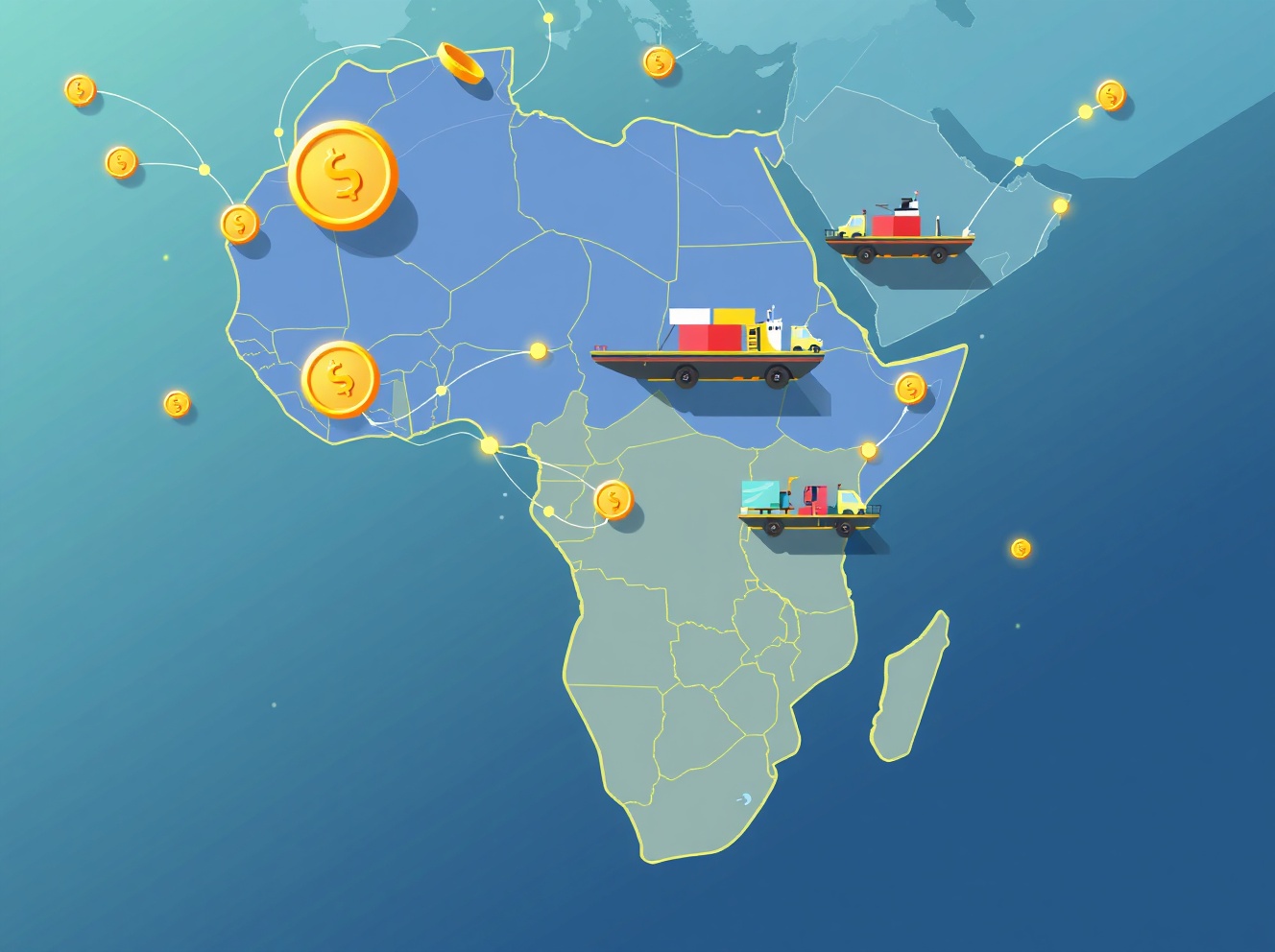
BitcoinWorld Revolutionary Stablecoin Payments Transform African Trade Through AfCFTA and IOTA Partnership Imagine a future where African nations trade seamlessly without costly currency conversions or banking delays. This vision is becoming reality as the African Continental Free Trade Area partners with IOTA Foundation to implement revolutionary stablecoin payments across the continent. This groundbreaking initiative could transform how African businesses conduct cross-border transactions forever. How Will Stablecoin Payments Revolutionize African Trade? The collaboration between AfCFTA and IOTA represents a monumental shift in African economic integration. By leveraging blockchain technology, they aim to create a unified payment system that eliminates traditional banking bottlenecks. The Foundation for Public Infrastructure for Digital Accessibility and Trade in Africa (ADAPT) will develop the open-source infrastructure needed to support these stablecoin payments across all 55 member states. This initiative specifically targets freight transport and other essential services between African nations. The current system involves multiple currency conversions, high transaction fees, and lengthy processing times. Stablecoin payments promise to streamline these processes dramatically. What Benefits Do Stablecoin Payments Offer African Businesses? The advantages of implementing stablecoin payments across Africa are substantial and transformative: Reduced transaction costs by eliminating multiple currency conversion fees Faster settlement times compared to traditional banking systems Increased financial inclusion for businesses without extensive banking access Enhanced transparency through blockchain-based tracking Improved trade efficiency with streamlined payment processes These stablecoin payments could particularly benefit small and medium enterprises that struggle with cross-border transaction costs. By reducing financial barriers, more businesses can participate in continental trade. What Challenges Might This Initiative Face? Despite the promising potential, implementing stablecoin payments across Africa presents several challenges. Regulatory harmonization between 55 nations requires significant coordination. Each country has different financial regulations and digital infrastructure capabilities. Technical infrastructure varies widely across the continent. Some regions have robust internet connectivity while others face connectivity challenges. The success of stablecoin payments depends on reliable digital access for all participants. Moreover, building trust in digital currencies among traditional businesses may take time. Education and demonstration of security features will be crucial for widespread adoption of these stablecoin payments. How Will This Impact African Economic Development? The implementation of stablecoin payments could accelerate African economic integration significantly. By reducing transaction costs and processing times, trade volumes between African nations are likely to increase. This aligns perfectly with AfCFTA’s mission to create a single continental market. Smaller businesses gain access to larger markets without being constrained by banking limitations. The open-source nature of the platform ensures that all member states can participate equally in this digital transformation of stablecoin payments. The Future of African Trade with Stablecoin Payments This partnership represents more than just a technical upgrade—it’s a fundamental reimagining of African economic cooperation. The successful implementation of stablecoin payments could position Africa as a leader in digital trade innovation. As the platform develops, we may see expansion beyond freight transport into other sectors. The infrastructure could support various digital services, creating a comprehensive ecosystem for African digital commerce through stablecoin payments. The collaboration between established economic bodies like AfCFTA and innovative technology partners like IOTA demonstrates how traditional and modern approaches can combine to create transformative solutions. This model could inspire similar initiatives in other developing regions. Frequently Asked Questions What are stablecoin payments? Stablecoin payments use digital currencies pegged to stable assets like the US dollar to facilitate transactions without the price volatility of typical cryptocurrencies. How will this benefit ordinary African businesses? Small and medium enterprises will enjoy lower transaction costs, faster payments, and easier access to cross-border markets throughout Africa. When will this system become operational? While no specific timeline is provided, the development phase is underway through the ADAPT foundation’s open-source infrastructure project. Is this system secure for business transactions? The blockchain-based system provides enhanced security and transparency compared to traditional payment methods, with all transactions recorded on a distributed ledger. Which African countries will participate? All 55 AfCFTA member states are included in this initiative, though implementation may vary based on individual country readiness. How does this differ from existing mobile money systems? Unlike mobile money limited to domestic transactions, this system enables cross-border stablecoin payments across the entire African continent seamlessly. Found this insight into Africa’s trade transformation valuable? Share this article with colleagues and business partners who need to understand how stablecoin payments are reshaping continental commerce. Together, we can spread knowledge about Africa’s digital economic future. To learn more about the latest cryptocurrency trends, explore our article on key developments shaping digital currency institutional adoption across emerging markets. This post Revolutionary Stablecoin Payments Transform African Trade Through AfCFTA and IOTA Partnership first appeared on BitcoinWorld.BitcoinWorld Revolutionary Stablecoin Payments Transform African Trade Through AfCFTA and IOTA Partnership Imagine a future where African nations trade seamlessly without costly currency conversions or banking delays. This vision is becoming reality as the African Continental Free Trade Area partners with IOTA Foundation to implement revolutionary stablecoin payments across the continent. This groundbreaking initiative could transform how African businesses conduct cross-border transactions forever. How Will Stablecoin Payments Revolutionize African Trade? The collaboration between AfCFTA and IOTA represents a monumental shift in African economic integration. By leveraging blockchain technology, they aim to create a unified payment system that eliminates traditional banking bottlenecks. The Foundation for Public Infrastructure for Digital Accessibility and Trade in Africa (ADAPT) will develop the open-source infrastructure needed to support these stablecoin payments across all 55 member states. This initiative specifically targets freight transport and other essential services between African nations. The current system involves multiple currency conversions, high transaction fees, and lengthy processing times. Stablecoin payments promise to streamline these processes dramatically. What Benefits Do Stablecoin Payments Offer African Businesses? The advantages of implementing stablecoin payments across Africa are substantial and transformative: Reduced transaction costs by eliminating multiple currency conversion fees Faster settlement times compared to traditional banking systems Increased financial inclusion for businesses without extensive banking access Enhanced transparency through blockchain-based tracking Improved trade efficiency with streamlined payment processes These stablecoin payments could particularly benefit small and medium enterprises that struggle with cross-border transaction costs. By reducing financial barriers, more businesses can participate in continental trade. What Challenges Might This Initiative Face? Despite the promising potential, implementing stablecoin payments across Africa presents several challenges. Regulatory harmonization between 55 nations requires significant coordination. Each country has different financial regulations and digital infrastructure capabilities. Technical infrastructure varies widely across the continent. Some regions have robust internet connectivity while others face connectivity challenges. The success of stablecoin payments depends on reliable digital access for all participants. Moreover, building trust in digital currencies among traditional businesses may take time. Education and demonstration of security features will be crucial for widespread adoption of these stablecoin payments. How Will This Impact African Economic Development? The implementation of stablecoin payments could accelerate African economic integration significantly. By reducing transaction costs and processing times, trade volumes between African nations are likely to increase. This aligns perfectly with AfCFTA’s mission to create a single continental market. Smaller businesses gain access to larger markets without being constrained by banking limitations. The open-source nature of the platform ensures that all member states can participate equally in this digital transformation of stablecoin payments. The Future of African Trade with Stablecoin Payments This partnership represents more than just a technical upgrade—it’s a fundamental reimagining of African economic cooperation. The successful implementation of stablecoin payments could position Africa as a leader in digital trade innovation. As the platform develops, we may see expansion beyond freight transport into other sectors. The infrastructure could support various digital services, creating a comprehensive ecosystem for African digital commerce through stablecoin payments. The collaboration between established economic bodies like AfCFTA and innovative technology partners like IOTA demonstrates how traditional and modern approaches can combine to create transformative solutions. This model could inspire similar initiatives in other developing regions. Frequently Asked Questions What are stablecoin payments? Stablecoin payments use digital currencies pegged to stable assets like the US dollar to facilitate transactions without the price volatility of typical cryptocurrencies. How will this benefit ordinary African businesses? Small and medium enterprises will enjoy lower transaction costs, faster payments, and easier access to cross-border markets throughout Africa. When will this system become operational? While no specific timeline is provided, the development phase is underway through the ADAPT foundation’s open-source infrastructure project. Is this system secure for business transactions? The blockchain-based system provides enhanced security and transparency compared to traditional payment methods, with all transactions recorded on a distributed ledger. Which African countries will participate? All 55 AfCFTA member states are included in this initiative, though implementation may vary based on individual country readiness. How does this differ from existing mobile money systems? Unlike mobile money limited to domestic transactions, this system enables cross-border stablecoin payments across the entire African continent seamlessly. Found this insight into Africa’s trade transformation valuable? Share this article with colleagues and business partners who need to understand how stablecoin payments are reshaping continental commerce. Together, we can spread knowledge about Africa’s digital economic future. To learn more about the latest cryptocurrency trends, explore our article on key developments shaping digital currency institutional adoption across emerging markets. This post Revolutionary Stablecoin Payments Transform African Trade Through AfCFTA and IOTA Partnership first appeared on BitcoinWorld.

Revolutionary Stablecoin Payments Transform African Trade Through AfCFTA and IOTA Partnership

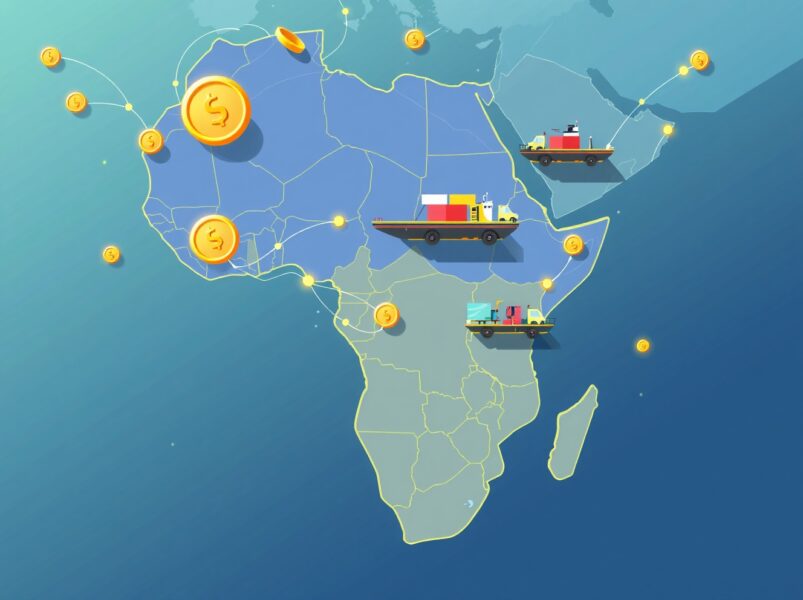
African trade revolution through stablecoin payments connecting nations digitally

BitcoinWorld

Revolutionary Stablecoin Payments Transform African Trade Through AfCFTA and IOTA Partnership

Imagine a future where African nations trade seamlessly without costly currency conversions or banking delays. This vision is becoming reality as the African Continental Free Trade Area partners with IOTA Foundation to implement revolutionary stablecoin payments across the continent. This groundbreaking initiative could transform how African businesses conduct cross-border transactions forever.

How Will Stablecoin Payments Revolutionize African Trade?

The collaboration between AfCFTA and IOTA represents a monumental shift in African economic integration. By leveraging blockchain technology, they aim to create a unified payment system that eliminates traditional banking bottlenecks. The Foundation for Public Infrastructure for Digital Accessibility and Trade in Africa (ADAPT) will develop the open-source infrastructure needed to support these stablecoin payments across all 55 member states.

This initiative specifically targets freight transport and other essential services between African nations. The current system involves multiple currency conversions, high transaction fees, and lengthy processing times. Stablecoin payments promise to streamline these processes dramatically.

What Benefits Do Stablecoin Payments Offer African Businesses?

The advantages of implementing stablecoin payments across Africa are substantial and transformative:

  • Reduced transaction costs by eliminating multiple currency conversion fees
  • Faster settlement times compared to traditional banking systems
  • Increased financial inclusion for businesses without extensive banking access
  • Enhanced transparency through blockchain-based tracking
  • Improved trade efficiency with streamlined payment processes

These stablecoin payments could particularly benefit small and medium enterprises that struggle with cross-border transaction costs. By reducing financial barriers, more businesses can participate in continental trade.

What Challenges Might This Initiative Face?

Despite the promising potential, implementing stablecoin payments across Africa presents several challenges. Regulatory harmonization between 55 nations requires significant coordination. Each country has different financial regulations and digital infrastructure capabilities.

Technical infrastructure varies widely across the continent. Some regions have robust internet connectivity while others face connectivity challenges. The success of stablecoin payments depends on reliable digital access for all participants.

Moreover, building trust in digital currencies among traditional businesses may take time. Education and demonstration of security features will be crucial for widespread adoption of these stablecoin payments.

How Will This Impact African Economic Development?

The implementation of stablecoin payments could accelerate African economic integration significantly. By reducing transaction costs and processing times, trade volumes between African nations are likely to increase. This aligns perfectly with AfCFTA’s mission to create a single continental market.

Smaller businesses gain access to larger markets without being constrained by banking limitations. The open-source nature of the platform ensures that all member states can participate equally in this digital transformation of stablecoin payments.

The Future of African Trade with Stablecoin Payments

This partnership represents more than just a technical upgrade—it’s a fundamental reimagining of African economic cooperation. The successful implementation of stablecoin payments could position Africa as a leader in digital trade innovation.

As the platform develops, we may see expansion beyond freight transport into other sectors. The infrastructure could support various digital services, creating a comprehensive ecosystem for African digital commerce through stablecoin payments.

The collaboration between established economic bodies like AfCFTA and innovative technology partners like IOTA demonstrates how traditional and modern approaches can combine to create transformative solutions. This model could inspire similar initiatives in other developing regions.

Frequently Asked Questions

What are stablecoin payments?

Stablecoin payments use digital currencies pegged to stable assets like the US dollar to facilitate transactions without the price volatility of typical cryptocurrencies.

How will this benefit ordinary African businesses?

Small and medium enterprises will enjoy lower transaction costs, faster payments, and easier access to cross-border markets throughout Africa.

When will this system become operational?

While no specific timeline is provided, the development phase is underway through the ADAPT foundation’s open-source infrastructure project.

Is this system secure for business transactions?

The blockchain-based system provides enhanced security and transparency compared to traditional payment methods, with all transactions recorded on a distributed ledger.

Which African countries will participate?

All 55 AfCFTA member states are included in this initiative, though implementation may vary based on individual country readiness.

How does this differ from existing mobile money systems?

Unlike mobile money limited to domestic transactions, this system enables cross-border stablecoin payments across the entire African continent seamlessly.

Found this insight into Africa’s trade transformation valuable? Share this article with colleagues and business partners who need to understand how stablecoin payments are reshaping continental commerce. Together, we can spread knowledge about Africa’s digital economic future.

To learn more about the latest cryptocurrency trends, explore our article on key developments shaping digital currency institutional adoption across emerging markets.

This post Revolutionary Stablecoin Payments Transform African Trade Through AfCFTA and IOTA Partnership first appeared on BitcoinWorld.

Market Opportunity
Polytrade Logo
Polytrade Price(TRADE)
$0.0588
$0.0588$0.0588
-1.47%
USD
Polytrade (TRADE) Live Price Chart
Disclaimer: The articles reposted on this site are sourced from public platforms and are provided for informational purposes only. They do not necessarily reflect the views of MEXC. All rights remain with the original authors. If you believe any content infringes on third-party rights, please contact service@support.mexc.com for removal. MEXC makes no guarantees regarding the accuracy, completeness, or timeliness of the content and is not responsible for any actions taken based on the information provided. The content does not constitute financial, legal, or other professional advice, nor should it be considered a recommendation or endorsement by MEXC.

You May Also Like

Is Doge Losing Steam As Traders Choose Pepeto For The Best Crypto Investment?

Is Doge Losing Steam As Traders Choose Pepeto For The Best Crypto Investment?

The post Is Doge Losing Steam As Traders Choose Pepeto For The Best Crypto Investment? appeared on BitcoinEthereumNews.com. Crypto News 17 September 2025 | 17:39 Is dogecoin really fading? As traders hunt the best crypto to buy now and weigh 2025 picks, Dogecoin (DOGE) still owns the meme coin spotlight, yet upside looks capped, today’s Dogecoin price prediction says as much. Attention is shifting to projects that blend culture with real on-chain tools. Buyers searching “best crypto to buy now” want shipped products, audits, and transparent tokenomics. That frames the true matchup: dogecoin vs. Pepeto. Enter Pepeto (PEPETO), an Ethereum-based memecoin with working rails: PepetoSwap, a zero-fee DEX, plus Pepeto Bridge for smooth cross-chain moves. By fusing story with tools people can use now, and speaking directly to crypto presale 2025 demand, Pepeto puts utility, clarity, and distribution in front. In a market where legacy meme coin leaders risk drifting on sentiment, Pepeto’s execution gives it a real seat in the “best crypto to buy now” debate. First, a quick look at why dogecoin may be losing altitude. Dogecoin Price Prediction: Is Doge Really Fading? Remember when dogecoin made crypto feel simple? In 2013, DOGE turned a meme into money and a loose forum into a movement. A decade on, the nonstop momentum has cooled; the backdrop is different, and the market is far more selective. With DOGE circling ~$0.268, the tape reads bearish-to-neutral for the next few weeks: hold the $0.26 shelf on daily closes and expect choppy range-trading toward $0.29–$0.30 where rallies keep stalling; lose $0.26 decisively and momentum often bleeds into $0.245 with risk of a deeper probe toward $0.22–$0.21; reclaim $0.30 on a clean daily close and the downside bias is likely neutralized, opening room for a squeeze into the low-$0.30s. Source: CoinMarketcap / TradingView Beyond the dogecoin price prediction, DOGE still centers on payments and lacks native smart contracts; ZK-proof verification is proposed,…
Share
BitcoinEthereumNews2025/09/18 00:14
Pastor Involved in High-Stakes Crypto Fraud

Pastor Involved in High-Stakes Crypto Fraud

A gripping tale of deception has captured the media’s spotlight, especially in foreign outlets, centering on a cryptocurrency fraud case from Denver, Colorado. Eli Regalado, a pastor, alongside his wife Kaitlyn, was convicted, but what makes this case particularly intriguing is their unconventional defense.Continue Reading:Pastor Involved in High-Stakes Crypto Fraud
Share
Coinstats2025/09/18 00:38
Nexus Traps Tightening Nationwide

Nexus Traps Tightening Nationwide

Digital marketplaces and remote services have transformed how technology businesses operate across borders, but they’ve also intensified sales tax compliance challenges
Share
Techbullion2026/01/16 13:41