Trump Iran Truce: Critical 48-Hour Ultimatum Sparks Urgent Diplomatic Maneuvers
BitcoinWorld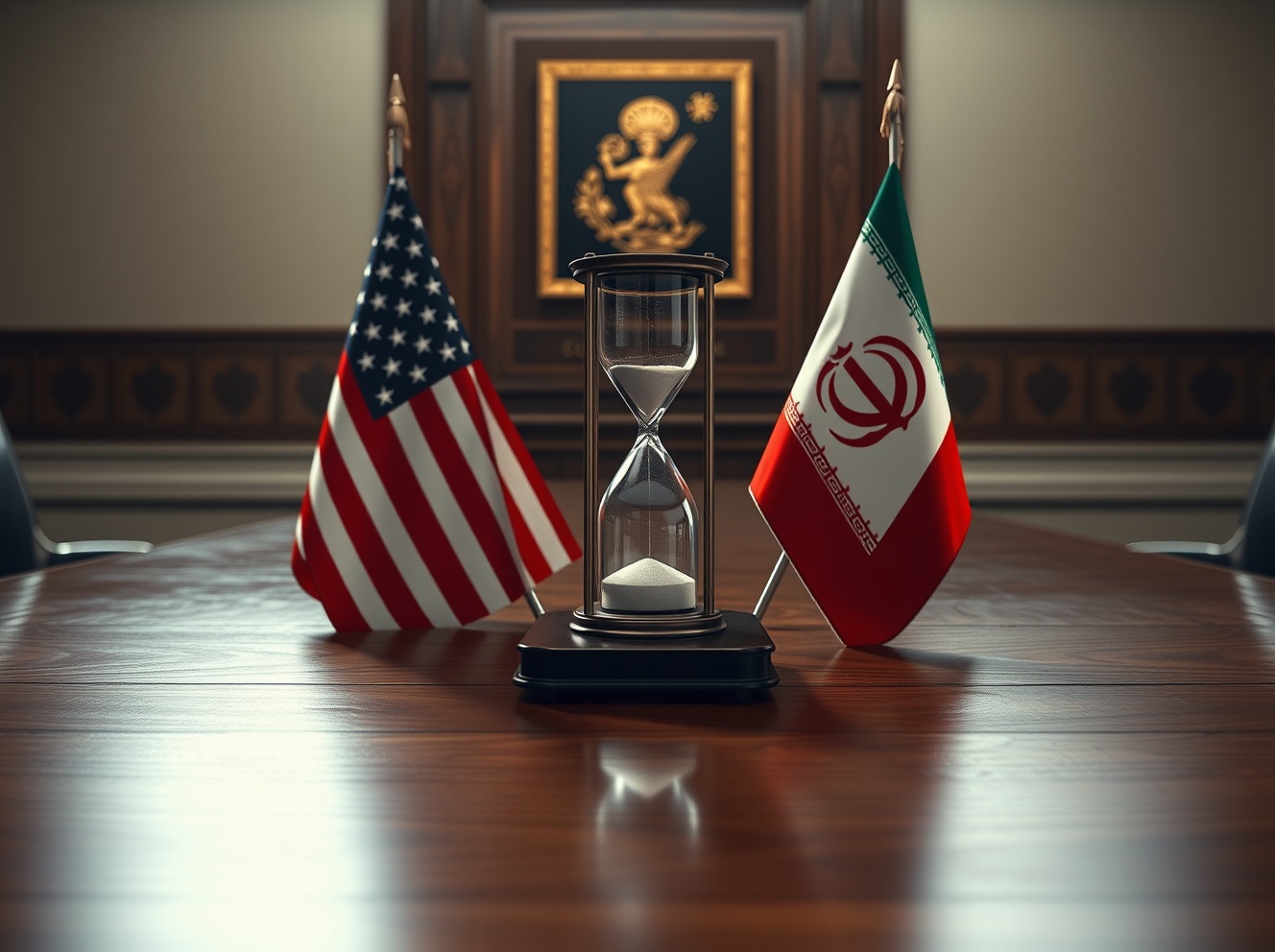
Trump Iran Truce: Critical 48-Hour Ultimatum Sparks Urgent Diplomatic Maneuvers
WASHINGTON, D.C. – March 2025 – In a dramatic development reported by Iran’s state-run Fars News Agency, President Donald Trump is actively seeking a truce with Iran as a critical 48-hour ultimatum deadline looms. This urgent diplomatic push, confirmed by intelligence outlet Solid Intel, coincides with potential high-level personnel changes, including the possible replacement of the U.S. Middle East envoy. The situation represents a pivotal moment in the long-standing and volatile relationship between the United States and the Islamic Republic.
Trump Iran Truce: The 48-Hour Ultimatum Context
The reported 48-hour ultimatum creates immediate pressure for diplomatic resolution. Consequently, analysts are scrutinizing the origins and specific demands tied to this deadline. Historically, such time-bound approaches in U.S.-Iran relations have yielded mixed results. For instance, the 2015 Joint Comprehensive Plan of Action (JCPOA) negotiations involved extended, multi-year talks. Conversely, recent years have seen escalations marked by short-term deadlines and military posturing.
Furthermore, the sourcing of this news through Iran’s Fars News Agency adds a complex layer. Fars operates under the Islamic Revolutionary Guard Corps (IRGC). Therefore, its reporting often reflects specific political and strategic narratives within Iran’s power structure. This channel suggests a possible deliberate signal from factions in Tehran open to, or demanding, urgent talks.
Potential Shake-Up in US Negotiating Team
Parallel to the truce talks, a significant personnel shift may be underway. Reports indicate the U.S. is considering replacing President Trump’s Middle East envoy, Steve Witkoff, with Vice President Mike Pence. Such a move would substantially elevate the diplomatic rank of the American representative. Typically, envoy changes during active negotiations signal a reset in strategy or a push for higher-stakes engagement.
Steve Witkoff’s tenure has focused on a broad range of regional issues. His potential replacement by the Vice President would underscore the singular importance Washington is placing on this Iranian dossier. Moreover, Vice President Pence brings a distinct diplomatic profile and direct access to the President, potentially streamlining decision-making in fast-moving talks.
Expert Analysis on Diplomatic Timing and Motives
Dr. Anisa Karimi, a senior fellow at the Center for Strategic and International Studies, provides context. “The confluence of an ultimatum and a potential envoy upgrade is highly revealing,” Karimi states. “It suggests both sides may perceive a narrow window of opportunity, possibly driven by internal political calendars, regional security incidents, or advancements in Iran’s nuclear program. The choice of Fars Agency indicates elements within Iran’s security apparatus are involved in messaging.”
This analysis aligns with observed patterns where geopolitical deadlines often precede shifts in policy. The table below outlines key recent deadlines in U.S.-Iran relations:
| Date | Event | Outcome |
|---|---|---|
| May 2018 | U.S. withdraws from JCPOA, sets 90-day wind-down period | Renewed U.S. sanctions imposed |
| Jan 2020 | Ultimatum following attacks on U.S. forces in Iraq | Escalation leading to the death of Qasem Soleimani |
| Dec 2023 | Indirect talks on prisoner swaps | Successful exchange mediated by a third party |
Background: The Precarious US-Iran Relationship
Understanding this urgent news requires examining the fraught recent history. The U.S. withdrawal from the Iran nuclear deal in 2018 fundamentally damaged diplomatic channels. Subsequently, a policy of “maximum pressure” through sanctions dominated the American approach. Iran responded with incremental breaches of its JCPOA commitments, expanding its uranium enrichment activities.
Regional proxy conflicts have further poisoned the well. Attacks on shipping in the Gulf, strikes on Saudi oil facilities, and engagements in Syria and Yemen have all been flashpoints. Each incident has raised the risk of direct military confrontation. Therefore, any truce talk must navigate a landscape filled with deep mistrust and a history of broken agreements.
- Nuclear Program: Iran’s stockpile of highly enriched uranium remains a primary U.S. security concern.
- Regional Proxy Networks: Iran’s support for groups like Hezbollah is a major point of contention.
- Sanctions Economy: Crippling U.S. sanctions have severely impacted Iran’s economy, creating pressure for relief.
Implications and Potential Outcomes
The global implications of these last-minute talks are substantial. A successful truce could temporarily de-escalate tensions in the vital Strait of Hormuz, through which about 20% of the world’s oil passes. It might also create space for broader negotiations on the nuclear file. Conversely, a collapse of talks could trigger a rapid escalation, affecting global energy markets and regional stability.
For European allies and other world powers, these developments are being watched closely. Many have sought to preserve the JCPOA framework and would likely welcome any dialogue that reduces the risk of conflict. However, they would also be cautious about agreements made under short-term ultimatums that may not address long-term issues.
The Role of Intelligence and Verification
The report by Solid Intel highlights the critical role of intelligence in high-stakes diplomacy. Verifying Iran’s intentions and capabilities is paramount for U.S. negotiators. Intelligence agencies must assess whether the Iranian position conveyed via Fars News represents a unified government stance or a factional trial balloon. This verification process itself consumes precious time within a 48-hour window.
Conclusion
The report of a Trump Iran truce initiative ahead of a 48-hour ultimatum marks a critical juncture in Middle Eastern geopolitics. The potential involvement of Vice President Pence signals the high priority of this diplomatic effort. While the path to a sustainable agreement remains fraught with challenges, the mere activation of urgent talks provides a fragile off-ramp from potential conflict. The coming days will test the diplomatic agility of both nations and have lasting consequences for regional and global security. The world now watches to see if this urgent push for a Trump Iran truce can transform a cycle of confrontation into a moment for dialogue.
FAQs
Q1: What is the source of the report about Trump’s truce talks with Iran?
The report originates from Iran’s state-run Fars News Agency and was later confirmed by the intelligence outlet Solid Intel. Fars is affiliated with Iran’s Islamic Revolutionary Guard Corps (IRGC).
Q2: What does the potential replacement of Steve Witkoff with Mike Pence signify?
Replacing the Middle East envoy with the Vice President would elevate the diplomatic rank of the U.S. negotiator dramatically. It suggests the White House is prioritizing these talks and may be seeking a high-level political agreement rather than a technical deal.
Q3: Have there been similar short-term ultimatums between the US and Iran before?
Yes, the relationship has seen several periods of time-bound pressure. Notable examples include the wind-down period after the U.S. left the JCPOA in 2018 and the tense period following attacks in Iraq in early 2020.
Q4: What are the main obstacles to a successful US-Iran truce?
Key obstacles include deep mutual distrust, Iran’s advancing nuclear program, U.S. sanctions, Iran’s support for regional proxy groups, and domestic political opposition to concessions in both countries.
Q5: How would a truce impact global oil markets and regional stability?
A successful truce would likely lower the immediate risk of conflict in the Persian Gulf, potentially stabilizing or lowering global oil prices. It could also temporarily reduce tensions between Iran and U.S. allies like Israel and Saudi Arabia, contributing to regional stability.
This post Trump Iran Truce: Critical 48-Hour Ultimatum Sparks Urgent Diplomatic Maneuvers first appeared on BitcoinWorld.


You May Also Like

XRP led crypto’s $224 million ETF inflow rebound last week

VeChain Unveils 2026 Roadmap Targeting AI Agent Economy with VET