

What’s Changing In Stablecoin Payments In 2026.
If you’ve ever sent money internationally, you know how it feels. You hit “send”… and then you wait. Sometimes it’s quick, sometimes it takes days. And the whole time, you’re wondering where your money is, what fees you’ll pay, and what rate you actually got.
Stablecoins are trying to fix that.
In 2026, the big shift isn’t just that stablecoins exist. It’s that they’re becoming part of everyday payment systems. This is happening because of three things working together: card networks testing them, more apps turning them into usable products, and better systems behind the scenes making everything run smoothly.
What Is A Stablecoin (In Simple Terms)
A stablecoin is a digital token that usually stays close to one value – most often
1 token = 1 US dollar.
Think of it like a digital dollar you can send over the internet.
Unlike Bitcoin or Ethereum, which can go up and down in price, stablecoins are meant to stay steady. That’s why they’re useful for payments.
That said, “stable” doesn’t mean risk-free. Different stablecoins work in different ways. But for you, the main idea is simple: faster transfers, easier global payments, and more predictable value.
What’s Different Now Vs Before
A few years ago, stablecoin payments felt like a workaround. Today, they’re starting to feel like a real payment option you can actually use.
Here’s what changed:
Before
- You had to move money manually between wallets, exchanges, and banks
- Spending crypto meant extra steps, delays, and hidden fees
- Cards felt like add-ons, not something built for daily use
- You had to understand networks, chains, and conversions
-
Getting paid or spending globally was still slow and unpredictable
Now (2026)
- You can spend stablecoins directly through cards and apps
- Conversions happen automatically at the moment you pay
- Payments feel like normal card payments – tap, pay, done
- Apps handle the complexity in the background
-
You get faster access to money, especially across borders
The big shift:
- Stablecoins are no longer something you “manage.”
-
They’re becoming something you simply use.
KAST is a good example of this shift – because it focuses on solving the exact problems people had before.
1. You Don’t Have To “Figure Out Crypto” Anymore
Before, you had to move funds between platforms and think about conversions.
With KAST:
- You fund your account with stablecoins like USDC or USDT
- When you pay, it automatically converts to local currency
-
You just use your card like any other Visa card
For you, it feels like normal spending – not crypto management.
2. You Can Actually Use It Anywhere
Before, crypto payments were limited.
With KAST:
- It works on global Visa networks, so you can pay almost anywhere
- You can use Apple Pay or Google Pay
-
You can pay online, in stores, or even withdraw cash
You’re not stuck in “crypto-only” environments anymore.
3. Fees Are Clearer (And Easier to Understand)
Before:
- Fees can be hard to spot (spreads, FX markups, intermediary charges)
-
You may not know the total cost until after the transaction
With KAST:
-
Fees and conversion details are shown more clearly in-app so you can understand the cost before you spend
You have a clearer idea of what you’re paying – and what’s driving the cost.
4. The Experience Feels Like A Modern App
Before:
-
Clunky interfaces and slow onboarding
With KAST:
- You get instant virtual card access after signup
- Real-time notifications and controls in the app
-
Ability to freeze/unfreeze your card instantly
Everything feels fast, simple, and mobile-first.
The Apps You Use Matter More Than The Tech
You don’t interact with payment networks directly. You use apps, cards, and accounts.
That’s where stablecoins become useful.
In 2026, more apps are being built around specific needs – like travel, getting paid from abroad, or everyday spending. Instead of one generic product, you’re seeing tools designed for how you actually use money.
For you, what matters is simple:
- How easy it is to use
- What fees you pay
- How fast you can move money
-
How problems like refunds are handled
The experience matters just as much as the technology.
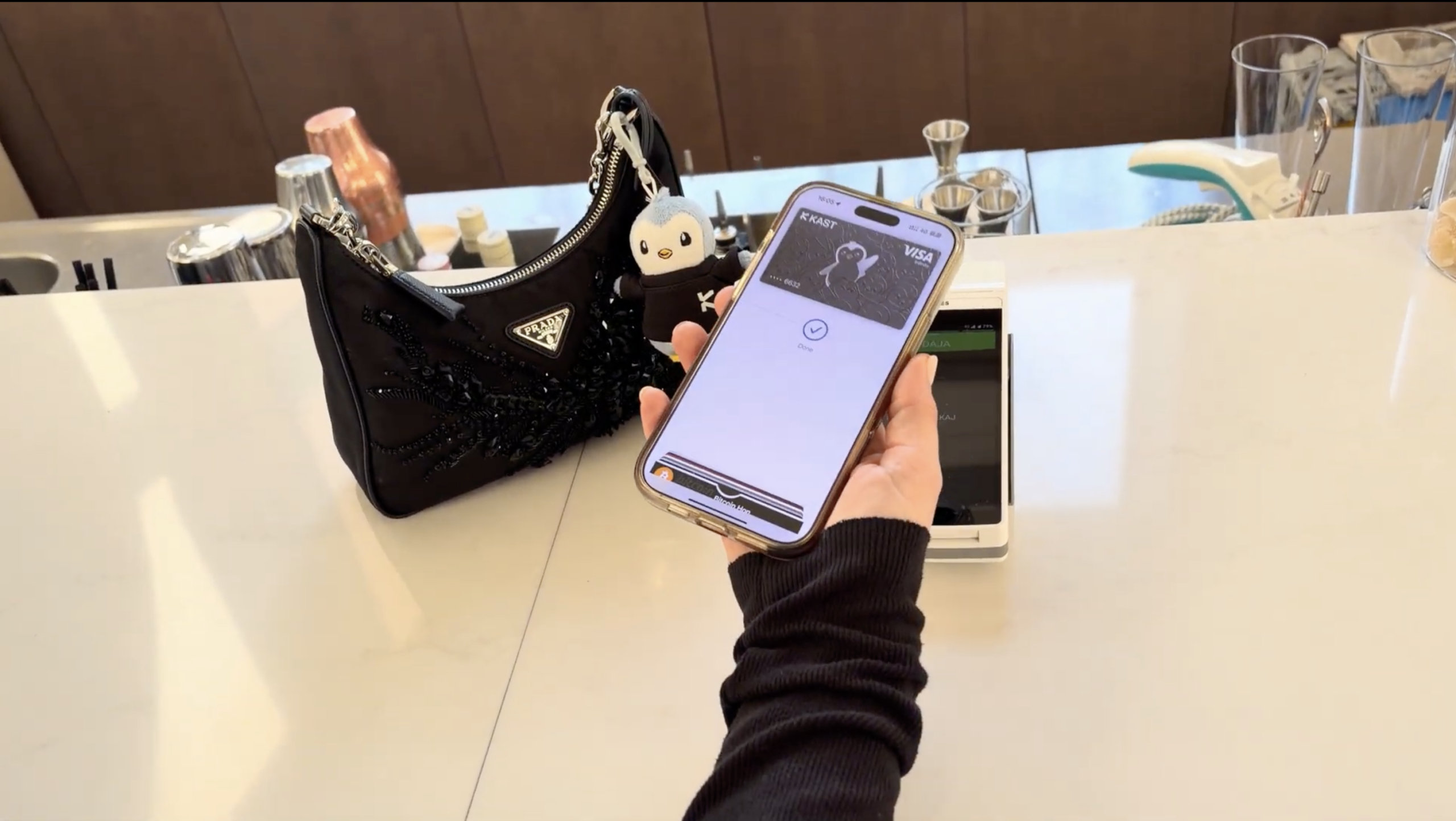
Some platforms focus on making stablecoins feel like a normal payment tool. For example, products like KAST are designed so you can spend stablecoin balances in a practical way, without thinking about how everything works underneath.
 The Real Change Is Happening Behind The Scenes
Most of the progress is actually happening in the background.
It’s getting easier to move between your bank, app or card. Fees are becoming clearer, and transfers are getting more reliable. Systems for fraud checks and compliance are also improving, which means fewer unexpected delays.
Another big improvement is that you don’t have to think about technical details like networks or chains. The system handles that for you.
For you, this just means things work more smoothly.
Two Situations You Might Recognize
If You’re Getting Paid From Abroad
Instead of waiting days for a bank transfer, you can receive stablecoins much faster. The key question is how easily you can spend or withdraw that money without losing too much in fees.
If You’re Traveling
You can keep your balance in a stable currency like USD and spend without constantly thinking about exchange rates. Whether that feels smooth depends on the app or card you’re using.
What To Keep In Mind
Stablecoins are improving, but there are a few things to be aware of.
Not everything is instant. Availability depends on where you are. Refunds can be more complex than with traditional cards. And not all stablecoins or apps are the same.
The best way to think about it is simple: you’re choosing a financial tool, not just trying a new trend.
Why This Matters To You
Stablecoins aren’t just becoming more popular – they’re becoming more practical.
They’re being built into tools you already use, like cards and apps. That’s what makes them useful in everyday life.
A simple way to think about it: the stablecoin part runs in the background, while your experience stays familiar. You’re just paying like you normally would.
And that’s really the shift – your money is starting to move the way you expect everything else to work in a digital world.
If you want to explore how a stablecoin-first spending app works in practice, you can learn more about **KAST.
The post What’s Changing In Stablecoin Payments In 2026. appeared first on CoinCentral.


You May Also Like

Meta, CoreWeave Shares Rise After Expanding $21 Billion AI Cloud Deal

Latest Crypto News: White House Economists Say Stablecoin Yields Will Not Hurt Banks and the Whole Crypto Bill Debate Has Shifted




