US Iran Ceasefire Breakthrough: Crucial ‘Agreement in Principle’ Paves Way for Extended Diplomatic Mediation
BitcoinWorld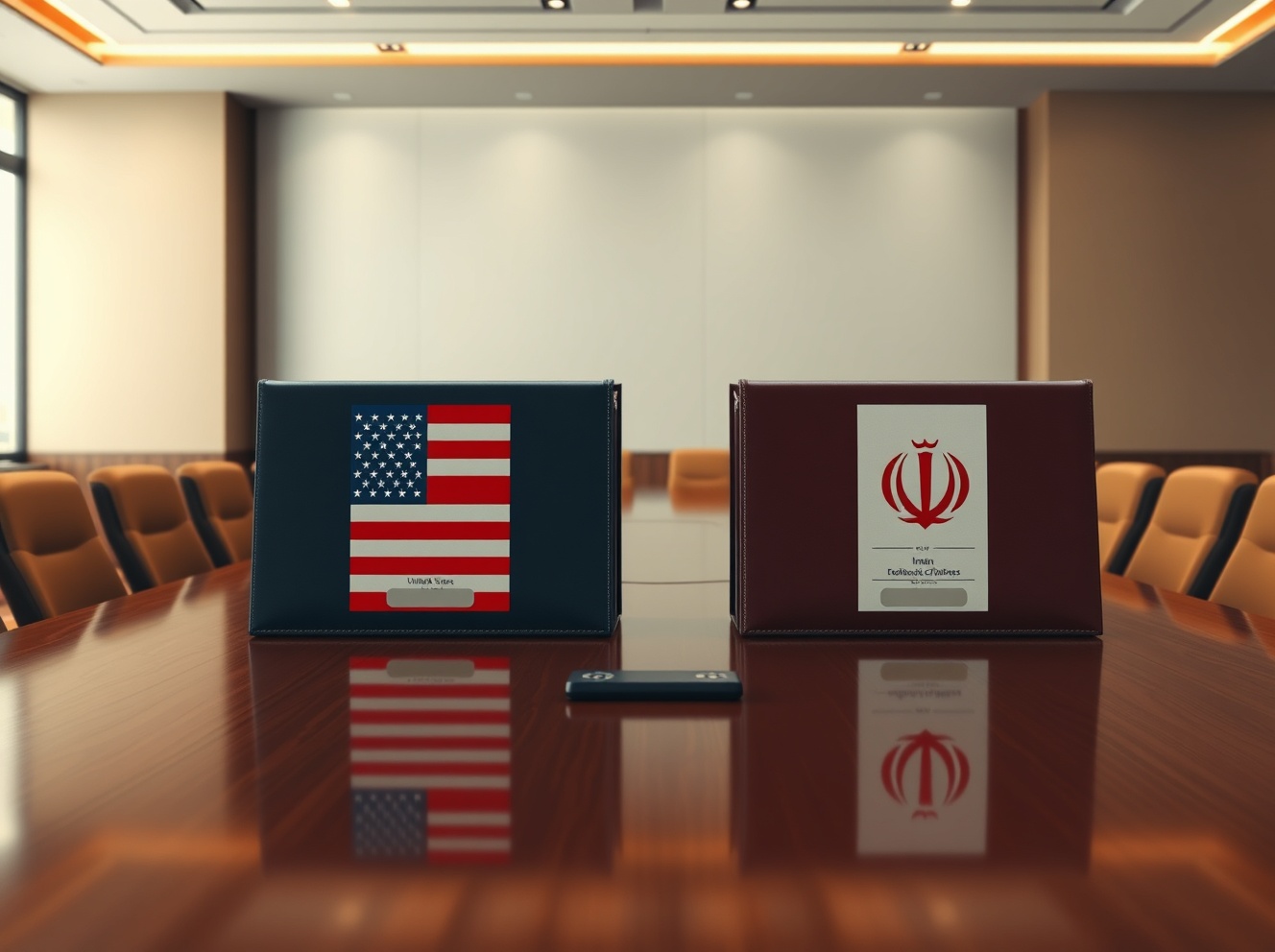
US Iran Ceasefire Breakthrough: Crucial ‘Agreement in Principle’ Paves Way for Extended Diplomatic Mediation
WASHINGTON, D.C. & TEHRAN – In a significant diplomatic development, the United States and Iran have reportedly reached an agreement in principle to extend their fragile ceasefire, according to regional officials speaking to the Associated Press. This crucial breakthrough, confirmed on April 10, 2025, creates essential conditions for mediators to resume formal negotiations aimed at achieving a more durable regional understanding. The progress marks a pivotal moment following months of indirect talks and heightened regional tensions.
US Iran Ceasefire Progress and Diplomatic Context
Mediators from several neutral nations have worked intensively behind the scenes to bridge the substantial gap between Washington and Tehran. Consequently, they have made tangible progress on extending the existing, temporary cessation of hostilities. This diplomatic mediation effort focuses not just on maintaining quiet but on building a framework for substantive dialogue. The reported ‘agreement in principle’ represents a mutual, though tentative, commitment to avoid escalation while talks proceed.
Furthermore, this development occurs within a complex geopolitical landscape. Regional stability in the Middle East remains precarious, with multiple proxy conflicts and security challenges. The initial ceasefire, a tense and informal understanding, has prevented several potential flashpoints from igniting. However, diplomats consistently emphasized its temporary nature, underscoring the urgent need for a more formalized and extended arrangement.
Mechanics and Implications of the Extended Agreement
The core of the agreement in principle involves creating specific, verifiable conditions on the ground. These conditions are designed to facilitate further diplomatic work. Key elements likely include commitments on maritime security in the Persian Gulf, limitations on certain military exercises, and channels for direct communication to de-escalate incidents.
- Verification Mechanisms: Establishing how both parties will monitor compliance without direct military-to-military contact.
- Communication Protocols: Creating reliable, third-party-facilitated hotlines to manage misunderstandings.
- Regional Confidence-Building: Linking the bilateral understanding to broader stability efforts involving Gulf Arab states.
This structured approach aims to transform a tacit understanding into a more resilient diplomatic process. The ultimate goal remains the resumption of negotiations on the broader suite of issues, including Iran’s nuclear program and the lifting of U.S. sanctions.
Expert Analysis on the Negotiating Landscape
Foreign policy analysts note that an ‘agreement in principle’ is a common diplomatic stepping stone. It signals political will at the highest levels before technical teams finalize precise language. “This is a necessary predicate,” explains Dr. Anya Sharma, a senior fellow at the Center for Strategic Studies. “It doesn’t guarantee a final deal, but it explicitly acknowledges that both sides see more value in continued dialogue than in a return to overt confrontation. The mediators have successfully identified a zone of possible agreement.”
Historical context is also critical. The shadow of the 2015 Joint Comprehensive Plan of Action (JCPOA), or Iran nuclear deal, looms over all current diplomacy. The collapse of that agreement and the subsequent “maximum pressure” campaign led to increased uranium enrichment and regional proxy attacks. Therefore, the current effort seeks a more sustainable and comprehensive framework that addresses not just nuclear issues but also regional security concerns.
Regional Reactions and the Path Forward
Reactions from Middle Eastern capitals have been cautiously optimistic but measured. Gulf Cooperation Council (GCC) states, heavily impacted by regional tensions, have generally welcomed any step that reduces the immediate risk of conflict. However, they continue to emphasize the need for any U.S.-Iran understanding to also address their security priorities, particularly regarding ballistic missiles and support for non-state actors.
The immediate path forward involves technical working groups translating the principle into a detailed, time-bound extension agreement. This process will test the seriousness of both parties’ commitments. Potential sticking points remain formidable, including the sequencing of sanctions relief, the scope of nuclear inspections, and definitions of what constitutes “destabilizing” regional activity.
| Timeline of Recent Diplomatic Efforts | Key Development |
|---|---|
| Late 2024 | Indirect talks resume in Oman after a period of heightened tension. |
| January 2025 | Informal, unwritten ceasefire takes hold following back-channel communications. |
| March 2025 | Mediators from Switzerland and Qatar shuttle between capitals to draft parameters. |
| April 10, 2025 | AP reports ‘agreement in principle’ reached to extend ceasefire formally. |
International observers from the United Nations and European Union have offered to support verification efforts. Their involvement could provide neutral technical expertise and add a layer of international legitimacy to the process. Ultimately, the success of this diplomatic opening hinges on sustained political will in both Washington and Tehran to prioritize diplomacy over coercion.
Conclusion
The reported US Iran ceasefire extension, based on an agreement in principle, represents a fragile but important opportunity. It moves the situation from an unstable status quo toward structured diplomatic mediation. While significant hurdles remain, this step creates the necessary political space for negotiators to address the root causes of tension. The coming weeks will be decisive, as technical teams work to solidify this preliminary understanding into a tangible agreement that enhances regional stability and security for all parties involved.
FAQs
Q1: What does ‘agreement in principle’ mean in this context?
In diplomacy, an ‘agreement in principle’ signifies that the parties have agreed on the fundamental objectives and broad outlines of a deal. However, it precedes the negotiation of precise legal and technical details. It is a political commitment to move forward, not a final, signed agreement.
Q2: What are the main obstacles to a final, comprehensive deal?
The primary obstacles include the scope and pace of sanctions relief from the U.S., the extent and intrusiveness of monitoring Iran’s nuclear activities, and binding commitments on Iran’s regional military activities and support for proxy groups. Mutual distrust remains the overarching challenge.
Q3: How does this relate to the old Iran nuclear deal (JCPOA)?
This is a separate, though related, diplomatic track. While the JCPOA focused almost exclusively on the nuclear issue, current efforts aim for a broader ‘understanding’ that also addresses regional security. Some elements of the JCPOA may be incorporated, but officials describe the goal as a new, more sustainable framework.
Q4: Who are the mediators involved?
While not officially named in the AP report, diplomatic sources frequently cite Oman, Qatar, Iraq, and Switzerland as key intermediaries. These nations maintain communication channels with both the U.S. and Iran and have hosted previous rounds of indirect talks.
Q5: What is the immediate impact on regional security?
The immediate impact is the likely continuation of the reduced tempo of direct confrontations. This lowers the immediate risk of a miscalculation spiraling into broader conflict. It provides a calmer environment for diplomacy but does not resolve underlying grievances or proxy conflicts elsewhere in the region.
This post US Iran Ceasefire Breakthrough: Crucial ‘Agreement in Principle’ Paves Way for Extended Diplomatic Mediation first appeared on BitcoinWorld.


You May Also Like

World Liberty Financial’s Bold Token Plan Captures Market Attention

World Liberty Financial proposes immediate 10% burn of insider WLFI allocation