Crucial US-Iran Ceasefire Extension Under Consideration: A Fragile Diplomatic Window
BitcoinWorld
Crucial US-Iran Ceasefire Extension Under Consideration: A Fragile Diplomatic Window
WASHINGTON, D.C. – March 21, 2025 – Diplomatic sources confirm the United States and Iran are actively weighing a critical two-week extension of their current ceasefire agreement. This potential move represents a pivotal moment in a fragile diplomatic process that has significant implications for regional stability and global energy markets. Officials from both nations, speaking on condition of anonymity, indicate the extension aims to create space for more substantive negotiations on underlying security concerns.
Analyzing the US-Iran Ceasefire Framework
The reported ceasefire extension consideration follows months of indirect talks facilitated by third-party nations. Consequently, this temporary arrangement has prevented several escalatory incidents in the Persian Gulf. The original ceasefire, established in late 2024, primarily addressed maritime security and limited proxy group activities. Furthermore, it included confidence-building measures like advance notification of military exercises near shared waterways.
Key elements of the existing framework include:
- Maritime De-escalation: Protocols to avoid provocative naval maneuvers.
- Communication Channels: Established military-to-military hotlines.
- Proxy Activity Limitations: Informal understandings on restraining regional militant groups.
Diplomatic analysts note the two-week timeframe is strategically short. It maintains pressure for progress while avoiding the perception of an open-ended, unconditional pause. This delicate balance is essential for domestic audiences in both capitals.
Regional Security Context and Impacts
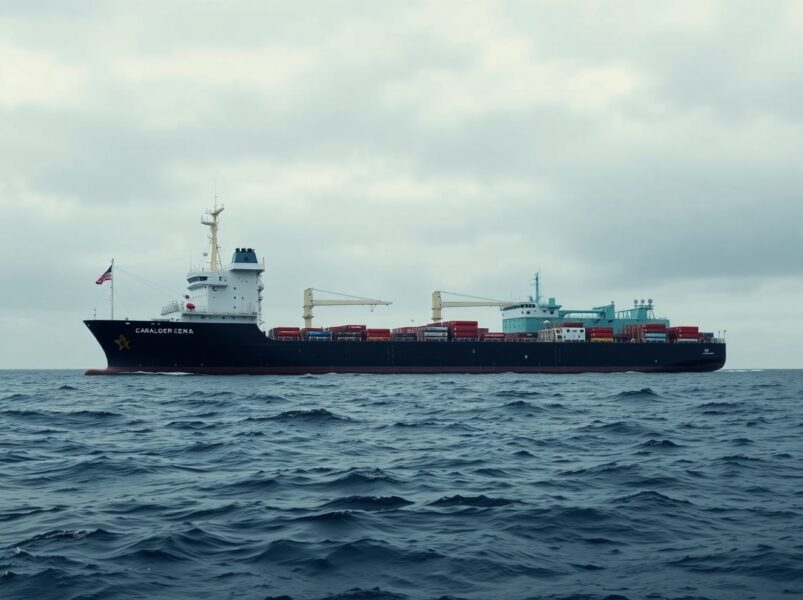
The potential ceasefire extension occurs within a complex regional security landscape. Neighboring Gulf states monitor these developments closely, as outcomes directly affect their economic and security postures. Simultaneously, global energy markets remain sensitive to any disruption in Strait of Hormuz transit, through which approximately 20% of the world’s oil passes.
A comparative analysis of recent diplomatic phases reveals the significance of this moment:
| Phase | Timeframe | Key Feature | Outcome |
|---|---|---|---|
| Initial Talks | Q3 2024 | Oman-mediated indirect discussions | Established basic communication |
| Ceasefire Agreement | Nov 2024 | 90-day renewable pause | Reduced immediate conflict risk |
| Potential Extension | Mar 2025 | Reported 2-week addition | Seeks to bridge final gaps |
Regional experts emphasize that a successful extension could set a precedent for conflict management. However, a collapse would likely trigger rapid remobilization of forces and proxy networks, increasing the risk of miscalculation.
Expert Perspectives on Diplomatic Mechanics
Former diplomats and security specialists highlight the technical challenges involved. Verification mechanisms for any agreement remain a persistent hurdle. Additionally, synchronizing the ceasefire with the timeline of the Joint Comprehensive Plan of Action (JCPOA) talks adds another layer of complexity. Experts point to the need for clear, reciprocal steps that both sides can publicly defend.
Dr. Anisa Karimi, a senior fellow at the Center for Strategic Studies, notes, “The two-week window is a diplomatic instrument. It signals serious intent without committing to a longer-term deal prematurely. Each side uses this time to assess the other’s actions, not just their words.” This assessment period is crucial for building the minimal trust required for next steps.
Military analysts concurrently monitor force postures. They report no significant redeployments by either side during the current pause, which is interpreted as a positive signal. This military restraint provides the necessary backdrop for diplomatic teams to work.
Economic and Global Market Considerations
The stability afforded by the ceasefire has tangible economic effects. Insurance premiums for shipping in the region have decreased by an estimated 15% since November. Moreover, oil price volatility has moderated, providing more predictability for global markets. A two-week extension would likely prolong these stabilizing effects, allowing businesses to plan with greater confidence.
However, market participants remain cautious. They remember the sudden spikes following previous diplomatic breakdowns. Consequently, many hedge against the risk of a negative outcome. This financial hedging reflects the underlying fragility that diplomats are working to address. The extension talks, therefore, have direct consequences far beyond the negotiating room.
Conclusion
The reported consideration of a two-week US-Iran ceasefire extension marks a critical juncture in high-stakes diplomacy. This short-term decision carries long-term implications for regional security architecture and international relations. Success hinges on translating this temporary pause into a sustainable mechanism for dispute resolution. The world watches as diplomats navigate this narrow path, where the alternative to extension is a return to dangerous and costly confrontation. The coming days will test whether a fragile understanding can evolve into a more stable arrangement.
FAQs
Q1: What is the main purpose of extending the ceasefire for only two weeks?
The brief two-week timeframe is a diplomatic tool to maintain negotiation momentum. It creates urgency for progress while providing a short, verifiable period to assess compliance and goodwill without the political cost of a long-term commitment.
Q2: How does this ceasefire relate to the Iran nuclear deal (JCPOA)?
While separate, the ceasefire and JCPOA talks are strategically linked. Stability on the security front can create a better environment for nuclear negotiations. Conversely, progress on nuclear issues can reduce tensions that fuel regional proxy conflicts.
Q3: What are the biggest obstacles to making the ceasefire permanent?
Key obstacles include deep mutual distrust, differing interpretations of proxy group activities, verification challenges, domestic political opposition in both countries, and disagreements over sanctions relief timelines and scope.
Q4: How are other Middle Eastern countries reacting to these talks?
Reactions are mixed. Gulf Cooperation Council (GCC) states like Saudi Arabia and the UAE publicly support de-escalation but privately seek assurances about their security. Israel expresses strong concerns about any agreement that might bolster Iranian regional influence.
Q5: What happens if the two-week extension is not agreed upon?
A failure to extend would likely trigger a return to the pre-ceasefire status of heightened military alert, increased risk of naval incidents in the Gulf, resumed proxy group attacks, and probable volatility in global oil prices.
This post Crucial US-Iran Ceasefire Extension Under Consideration: A Fragile Diplomatic Window first appeared on BitcoinWorld.


You May Also Like
Trump effect: World Cup to cut 'tens of thousands' of hotel reservations

EUR/GBP Exchange Rate Surges as Bank of England Rate Hike Expectations Intensify – Market Analysis