

Protect Yourself from Bitcoin Scams: Our Scammer List
Cryptsy
Cryptsy - Best Sweepstakes Casinos & Fish Table Games — Legal in All 50 States
Crypto investors lose $14 billion yearly to bitcoin scammer networks. This turns digital currency into a dangerous battlefield1. Cryptocurrency isn’t just about digital wealth. It’s a high-stakes arena where fraudsters hide behind every transaction.
Our bitcoin scammer list is your digital shield against crypto fraud. We’ve mapped out the most dangerous tactics used by scammers. These criminals constantly evolve their strategies to exploit investors’ dreams.
From phishing schemes to fake investment platforms, the risks are real. Meme coins are especially risky, representing a speculative market ripe for manipulation1.
The crypto world requires vigilance, research, and healthy skepticism. These tools are essential for safe navigation in this complex landscape.
Key Takeaways
- Bitcoin scams result in billions of dollars lost annually
- Crypto fraudsters continuously adapt their tactics
- Meme coins represent a high-risk investment segment
- Investor education is crucial for protection
- Always verify investment opportunities thoroughly
Understanding Bitcoin Scams
Cryptocurrency can be tricky to navigate. Bitcoin scams are getting smarter, putting investors at risk. This guide will help you stay safe and protect your digital money.
What Defines a Bitcoin Scam?
A bitcoin scam tricks people into giving away their cryptocurrency. These scams take advantage of how complex digital currencies can be. They target those who don’t know much about the tech or are eager to make money fast.
Common Types of Cryptocurrency Scams
- Phishing websites mimicking legitimate cryptocurrency exchanges
- Fake investment opportunities promising unrealistic returns
- Ponzi schemes that use new investor funds to pay earlier participants
- Pump and dump social media manipulation schemes
- Fraudulent initial coin offerings (ICOs)
Identifying Bitcoin Scammer Red Flags
Staying safe with cryptocurrency means being alert. Look out for these warning signs of possible scams:
| Red Flag | Potential Scam Indicator |
|---|---|
| Guaranteed Returns | Promises of consistent high profits |
| Pressure Tactics | Urgent calls to invest immediately |
| Lack of Transparency | Vague technical details about investments |
| Unsolicited Contact | Random messages about investment opportunities |
Remember, if an opportunity sounds too good to be true in the cryptocurrency world, it probably is. Keep learning and stay skeptical to protect your digital money.
Learning these tricks helps investors build stronger safety plans. It also lowers the chance of falling for scams.
Bitcoin Scammer Statistics
Crypto crime has become a major challenge for investors and financial institutions worldwide. Digital currency risks have reshaped financial fraud in recent years. The growing complexity of Bitcoin scams calls for a closer look at alarming statistics.
Explosive Growth of Bitcoin Scams
Digital currency risks have grown dramatically. Recent studies reveal a staggering increase in crypto crime over the past five years.
- Global crypto scam revenue reached at least $14 billion in 2025, up sharply from previous years
- In the U.S. alone, losses hit about $11.4 billion in 2025, a 22% increase year-over-year
- Overall cybercrime losses reached nearly $21 billion in 2025, with crypto scams as the largest contributor
Victim Demographics Breakdown
Understanding who these digital predators target gives crucial insights into crypto crime patterns. The most vulnerable groups include:
| Age Group | Percentage of Victims | Average Loss |
|---|---|---|
| 18-35 years | 42% | $12,500 |
| 36-50 years | 35% | $18,300 |
| 51-65 years | 23% | $22,100 |
Financial Impact on Victims
The economic fallout from digital currency risks goes beyond individual losses. By 2025, global cryptocurrency scam damages had reached at least $14 billion annually, with continued growth driven by increasingly sophisticated fraud schemes and wider adoption of digital assets.
This highlights the urgent need for better security measures and investor education.
Our Comprehensive Bitcoin Scammer List
Spotting crypto fraudsters requires keen detective skills. Understanding potential bitcoin scammers is crucial for protecting your digital assets. My blockchain expertise has taught me this vital lesson.
The blockchain blacklist is a powerful tool. It helps investors safeguard their cryptocurrencies from malicious actors. This dynamic resource is constantly updated with new information.
Identifying Notorious Scammers
Bitcoin scammers often use similar tactics. Here are key red flags to watch for:
- Promises of guaranteed high returns
- Pressure to invest quickly
- Lack of transparent contact information
- Unsolicited investment opportunities
Investigative Tools for Crypto Detectives
The right digital tools are essential for protection. Here’s a list of resources to investigate suspicious blockchain activities:
- Blockchain Explorer – Track transaction histories
- Scam Alert Websites – Check reported fraudulent addresses
- Cryptocurrency Forensic Platforms – Trace suspicious wallet movements
The bitcoin scammer list changes constantly. Stay alert and informed to keep your investments safe.
How To Avoid Cryptocurrency Scams
Avoiding cryptocurrency scams comes down to slowing down and verifying everything before you act. Never trust unsolicited messages promising guaranteed returns or urgent opportunities, especially if they push you to move the conversation to apps like Telegram or WhatsApp.
Always double-check website URLs, use well-known exchanges and wallets, and enable strong security features like two-factor authentication. Be cautious of anyone asking for upfront crypto payments, private keys, or “investment fees,” and remember that legitimate companies will never request those. Take time to research platforms independently, look for verified reviews, and avoid clicking unknown links. If something feels rushed, secretive, or too good to be true, it’s a strong signal to walk away.
How to Recognize Bitcoin Scams
Spotting crypto risks demands a sharp eye and deep knowledge. It’s not just about safeguarding your digital wallet. You must spot warning signs before they become costly errors.
Bitcoin scams have grown more complex, targeting investors through various means. Crooks use blockchain’s decentralized nature to craft intricate fraud schemes2.
Critical Red Flags to Identify
- Guaranteed high returns with minimal risk
- Unsolicited investment opportunities
- Pressure to make immediate decisions
- Requests for private wallet information
- Promises of unrealistic profit margins
Transaction Warning Signs
Crypto safety means spotting odd transaction patterns. Scams often use complex networks to hide illegal money moves2. New detection tools can spot bad transactions with 98.5% accuracy2.
Verification Resources
- Blockchain Explorer Tools
- Cryptocurrency Fraud Reporting Platforms
- Government Financial Regulation Websites
- Professional Crypto Security Forums
Staying safe requires constant alertness. By 2025, North Korean–linked hacking groups had stolen over $6 billion in cryptocurrency since 2017, reflecting a sharp rise in large-scale exchange hacks and sophisticated cyberattacks.
Always stay informed and skeptical. Verify everything before investing your money.
Real-Life Case Studies of Bitcoin Scams
Shocking bitcoin scams have cost victims millions in the cryptocurrency world. These devastating cases serve as crucial warnings for potential investors.
Our investigation into crypto fraud reveals the most alarming incidents. These examples highlight the risks in this unregulated financial landscape.
Notorious Crypto Fraud Incidents
- BitConnect: A Ponzi scheme that collapsed in 2018, causing $2.6 billion in investor losses
- OneCoin: A massive cryptocurrency scam that defrauded investors of approximately $4 billion
- PlusToken: A Chinese crypto fraud that stole over $2 billion from unsuspecting investors
Victim Experiences and Lessons
Victims of bitcoin scams share heartbreaking stories of financial ruin. One investor lost her entire retirement savings after trusting an elaborate cryptocurrency investment scheme.
These case studies highlight important lessons for cryptocurrency investors. Thorough verification of investment platforms is crucial.
Investors should be wary of guaranteed returns. Extensive research is necessary before investing any money.
- Always verify investment platforms thoroughly
- Be skeptical of guaranteed returns
- Research extensively before investing
- Use reputable cryptocurrency exchanges
Learning about these scams can protect you from similar financial traps. Stay vigilant and educated to defend against crypto fraud.
How To Report Cryptocurrency Scams
If you’ve encountered or fallen victim to a cryptocurrency scam, reporting it quickly can help limit damage and potentially assist investigations. Start by gathering all relevant evidence—transaction IDs, wallet addresses, screenshots of conversations, and links to websites or profiles used by the scammer. Then report the incident to your local authorities or cybercrime units; in the Philippines, you can contact the Philippine National Police Anti-Cybercrime Group or the National Bureau of Investigation Cybercrime Division. You should also notify financial regulators like the Securities and Exchange Commission if the scam involves investments.
If the scam occurred on a platform or app, report the account directly through that service (such as Facebook, Telegram, or WhatsApp) so it can be flagged or removed. For international cases, you can file complaints with organizations like the Federal Trade Commission or the Internet Crime Complaint Center, which track global cybercrime trends.
Finally, inform the crypto exchange or wallet provider you used—they may be able to freeze accounts or trace suspicious activity, especially if you act quickly. While recovery is not guaranteed, reporting increases the chances of disrupting scam networks and protecting others from the same scheme.
Predictions Around Bitcoin Scams
The digital currency world is changing fast. This brings new risks and crypto crimes. As blockchain tech grows, scammers are getting smarter at tricking investors.
- Advanced AI-powered phishing techniques
- Deeper penetration of social engineering scams
- Increased targeting of decentralized finance (DeFi) platforms
Future Trends in Bitcoin Scamming
Cybercriminals are getting more cunning. Cryptocurrency scams will likely become more personal and tech-savvy.
Machine learning algorithms might help scammers create super realistic fake investments. This could fool even smart investors.
| Scam Type | Predicted Growth | Potential Impact |
|---|---|---|
| AI Phishing | 45% increase | High financial risk |
| Social Media Fraud | 35% increase | Moderate financial risk |
| DeFi Exploitation | 50% increase | Critical financial risk |
Expected Impact on Cryptocurrency Market
Smarter crypto crime will likely lead to stricter rules. Investors must stay alert and keep learning about digital currency risks.
They should also use strong security measures. Crypto platforms will likely spend big on advanced security tech.
This will help protect user assets and keep market trust. The fight between scammers and security experts will shape future digital investments.
Frequently Asked Questions about Bitcoin Scams
Cryptocurrency can be risky. Bitcoin phishing and security are major concerns for digital investors. Let’s explore key questions to keep you safe and informed.
How Can I Report a Bitcoin Scammer?
Reporting scammers helps protect the crypto community. Here’s what to do:
- Gather all documentation of the scam
- Contact local law enforcement
- File a report with the FBI’s Internet Crime Complaint Center (IC3)
- Report to cryptocurrency exchange platforms
- Share details with online crypto fraud tracking websites
What Should I Do If I’m a Victim?
Falling victim to a crypto scam is tough. Security issues can cause big losses for investors1. Act fast:
- Freeze all associated accounts
- Document every transaction
- Contact your bank or credit card company
- Change all passwords
- Consider legal consultation
Are All Bitcoin Investments Scams?
Not all bitcoin investments are scams. But the crypto world has many risks. Meme coins and popular platforms can be easy targets for fraud1.
Recent events like the $1.5 billion Bybit hack show why crypto security is crucial1.
Pro tip: Always research thoroughly, use secure wallets, and never invest more than you can afford to lose.
Preventive Tools Against Bitcoin Scams
Protecting your crypto investments requires smart security strategies. Bitcoin hackers constantly evolve their tactics. It’s crucial to stay ahead with strong cryptocurrency security measures4.
Digital defense begins with choosing the right protective tools. Here are key strategies to shield your digital assets:
Top Security Software Recommendations
- Antivirus Solutions: Deploy comprehensive security software that detects and blocks crypto-related malware
- VPN Services: Use encrypted networks to mask your online cryptocurrency activities
- Blockchain Analysis Tools: Implement real-time tracking software to identify suspicious transactions5
Cryptocurrency Wallet Security Tips
- Choose hardware wallets for maximum protection
- Enable two-factor authentication
- Regularly update wallet software
- Use cold storage for long-term cryptocurrency holdings
Educational resources are vital in preventing scams. Banks now offer targeted webinars and advice to help spot fraud4.
Continuous learning is your best defense against bitcoin hackers5. Stay informed and updated on the latest security practices.
Guidelines for Safe Bitcoin Usage
Use Reputable Exchanges and Wallets
- Only trade or store Bitcoin on well-known, regulated platforms. Check for security certifications, user reviews, and regulatory compliance.
Enable Strong Security Measures
- Use two-factor authentication (2FA) for accounts.
- Keep private keys and recovery phrases secure and offline when possible.
Verify Before Investing
- Research any platform, token, or investment opportunity. Avoid schemes promising guaranteed high returns.
- Check the legitimacy of websites and apps before sending funds.
Be Wary of Social Media Promotions
- Scammers often use platforms like Twitter, TikTok, or Telegram to promote fraudulent schemes.
- Avoid sending Bitcoin to unknown individuals, even if they claim to be celebrities or influencers.
Diversify and Limit Exposure
- Only invest what you can afford to lose. Avoid putting all your funds into a single crypto asset.
Monitor Transactions and Addresses
- Confirm transaction addresses carefully. Cryptocurrency transactions are irreversible.
Stay Updated on Regulatory News
- Keep track of regulations in your country to ensure compliance and avoid potential legal issues.
Educate Yourself Continuously
- Learn about common scams, phishing attacks, and emerging threats.
- Join trusted crypto communities for verified updates.
Report Suspicious Activity
- If you encounter a potential scam, report it to relevant authorities or platforms to help protect others.
Evidence and Sources for Bitcoin Scams
Bitcoin scams in 2026 have become increasingly sophisticated, leveraging advanced tactics to deceive investors. Reports indicate that scams are now more prevalent, with perpetrators employing AI-generated deepfakes and social engineering techniques to gain victims’ trust. For instance, a fraudulent AI crypto trading bot promoted on TikTok promised high returns but led to over $3 million in losses
Notable Scams and Cases:
- Conforge Finance Scam: A 51-year-old man from Gandhidham, India, was lured into a crypto trading scam via Telegram. He was persuaded to invest over ₹56 lakh (approximately $68,000) into a fake trading platform, only to be blocked from withdrawing funds and coerced into paying fictitious penalties
- Jawed Habib Crypto Scam: Celebrity hairstylist Jawed Habib and his associates were linked to a large-scale cryptocurrency scam that allegedly defrauded over 400 investors. Authorities registered 23 FIRs, and the implicated company ceased operations, leaving investors with significant losses
- Ponzi Scheme in Agra: A BCom dropout and two accomplices ran a Ponzi-like scheme, duping over 5,000 investors of nearly ₹100 crore (approximately $12 million) by promising unusually high returns of 16%
Common Scam Types:
- Fake Investment Platforms: Websites or apps that promise to double or triple your Bitcoin if you invest with them. Once you send your Bitcoin, the platform disappears or blocks your account
- Impersonation Scams: Scammers pose as trusted individuals, such as friends, relatives, celebrities, or government officials, to trick victims into providing personal information or money. With the advent of more effective AI, these scams have become even more convincing, using deepfake technology to create realistic audio and video impersonations
Protective Measures:
-
Verify Platforms: Always ensure that the platform you’re investing through is legitimate. Check for reviews, regulatory compliance, and secure connections.
-
Be Skeptical of Promises: If an investment opportunity promises guaranteed high returns with little to no risk, it’s likely a scam.
-
Educate Yourself: Stay informed about common scam tactics and educate others to prevent falling victim to such schemes.
FAQs
1. What is a Bitcoin scam?
A Bitcoin scam is a fraudulent scheme designed to steal cryptocurrency. Common methods include fake investments, phishing attacks, Ponzi schemes, and impersonation tactics. Scammers aim to manipulate victims into sending funds or sharing private information.
2. How can I identify a potential scam?
Red flags include unsolicited offers, promises of unrealistic profits, pressure to act quickly, requests for personal info, and unofficial communication channels. Legitimate opportunities never guarantee impossible returns or rush you.
3. What should I do if I’ve been scammed?
- Document everything: emails, messages, and transaction details.
- Report to law enforcement, cybercrime units, and the exchange involved.
- Consider professional blockchain forensic services to trace stolen funds. Recovery is difficult, so prevention is key.
4. Are all cryptocurrency investments risky?
Not all crypto is a scam, but the market is highly volatile. Legitimate projects require research into the team, whitepapers, active development, and verifiable blockchain activity. Diversify and invest responsibly.
5. How can I protect myself?
- Use hardware wallets and enable two-factor authentication.
- Keep software and devices updated.
- Verify every transaction and use reputable exchanges.
- Never share private keys or sensitive information.
6. Common types of Bitcoin scams:
- Phishing websites that mimic real exchanges.
- Fake investment platforms promising guaranteed returns.
- Ponzi schemes or pyramid-style crypto programs.
- Pump-and-dump schemes manipulating token prices.
- Ransomware demanding crypto payments.
- Impersonation scams including celebrity or official identity theft.
7. Can I recover funds from a scam?
Recovery is difficult because blockchain transactions are irreversible. Quick action, proper documentation, reporting, and professional tracing services increase chances but prevention is far more effective.
8. Additional Tips:
- Double-check URLs, social media accounts, and email addresses.
- Be cautious of investment schemes promoted via social media or messaging apps.
- Regularly review crypto news and updates from trusted sources.
- Consider joining verified crypto communities to learn about emerging scams.
9. How can you tell a Bitcoin scammer?
You can spot a Bitcoin scammer by their use of urgency, guaranteed profit claims, lack of transparency, and insistence on crypto-only payments, often moving conversations to apps like Telegram or WhatsApp.
10. What Bitcoin scams are out there?
Common Bitcoin scams include fake investment platforms, giveaway scams, phishing websites, romance scams, ransomware demands, and fraudulent job offers requiring crypto payments.
11. Why would a scammer ask for Bitcoin?
Scammers prefer Bitcoin because transactions are irreversible, fast, global, and pseudonymous, making it difficult for victims to recover funds once sent.
12. What are 5 of the most current scams?
The most current Bitcoin scams include pig butchering schemes, fake crypto apps, AI deepfake celebrity endorsements (often impersonating figures like Elon Musk), recovery scams, and task-based job scams that require upfront deposits.
The post Protect Yourself from Bitcoin Scams: Our Scammer List first appeared on Cryptsy and is written by Ethan Blackburn


You May Also Like

GOP lawmakers want nothing to do with Trump's ballroom chaos: report
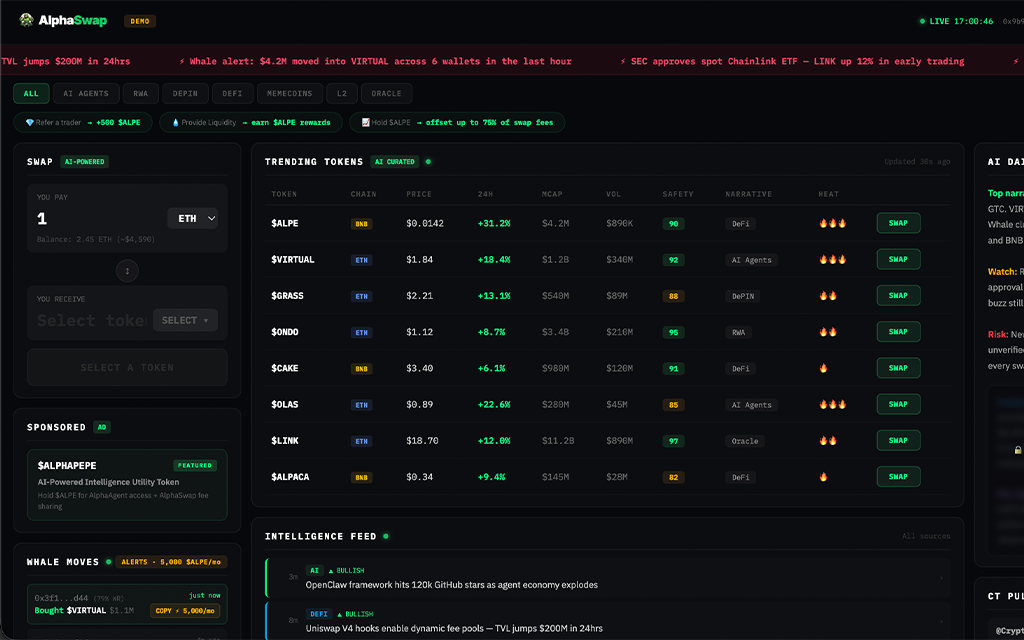
XRP Price Prediction: Is a $2 Rally Still Possible This Month or Is AlphaPepe the Better Bet?




