

US Court Freezes Arbitrum Hack Funds, Derails DAO Compensation Plan
- A US court has frozen over US$71.1m (AU$99.5m) in ETH tied to the Kelp DAO hack, blocking Arbitrum’s planned redistribution.
- Plaintiffs with unpaid terrorism-related judgments against North Korea claim the funds via alleged links to Lazarus Group activity.
- The decision disrupts a widely supported DAO proposal to reimburse victims, leaving the recovery process uncertain.
A US federal court has blocked efforts by Arbitrum DAO to redistribute funds linked to the Kelp DAO exploit, complicating plans to compensate affected users. The US District Court for the Southern District of New York authorised a restraining notice preventing the movement of approximately 30,766 ETH, valued at about US$71.1 million (AU$99.5 million).
These assets had previously been frozen by Arbitrum following the US$292 million (AU$408.8 million) exploit in April. The restriction stems from claims brought by plaintiffs holding longstanding judgments against North Korea, who argue the funds are connected to the state via the Lazarus Group.
The hacking collective had earlier been identified as responsible. These claimants, who are unrelated to the Kelp incident, are seeking to enforce unpaid terrorism-related judgments totalling roughly US$877 million (AU$1.23 billion), excluding interest.
Related: White House Signals Imminent Move to Lock In Trump’s Strategic Bitcoin Reserve
Legal Claims Complicate Recovery
Under US laws, including the Foreign Sovereign Immunities Act and the Terrorism Risk Insurance Act, they assert the right to attach assets tied to a sanctioned state. As part of the action, Arbitrum DAO has been designated as a garnishee, with the frozen crypto treated as property in which North Korea allegedly holds an interest.
Meanwhile, the DAO community has largely supported a proposal led by Aave to transfer the funds to a recovery vehicle aimed at restoring rsETH backing. More than 99% of votes favour the plan, despite the legal uncertainty surrounding the restraining notice.
The ruling leaves Arbitrum unable to act freely, with the court prohibiting any interaction with the assets until further proceedings determine their disposition.
Related: Strategy’s High-Yield Stock Will Continue to Fuel Bitcoin Surge, Says Bitwise CIO
The post US Court Freezes Arbitrum Hack Funds, Derails DAO Compensation Plan appeared first on Crypto News Australia.


You May Also Like
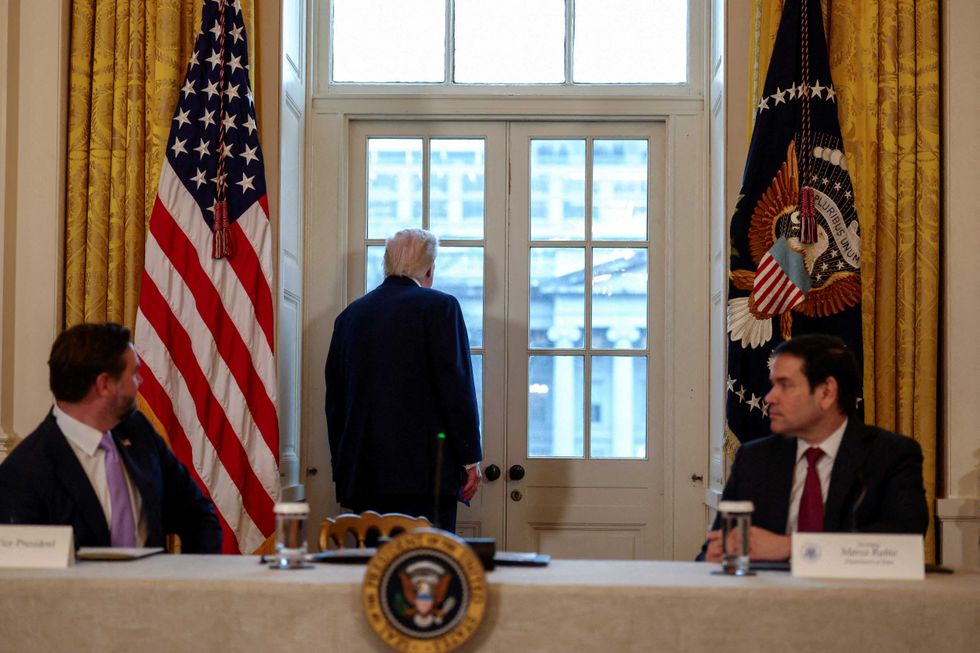
GOP lawmakers want nothing to do with Trump's ballroom chaos: report
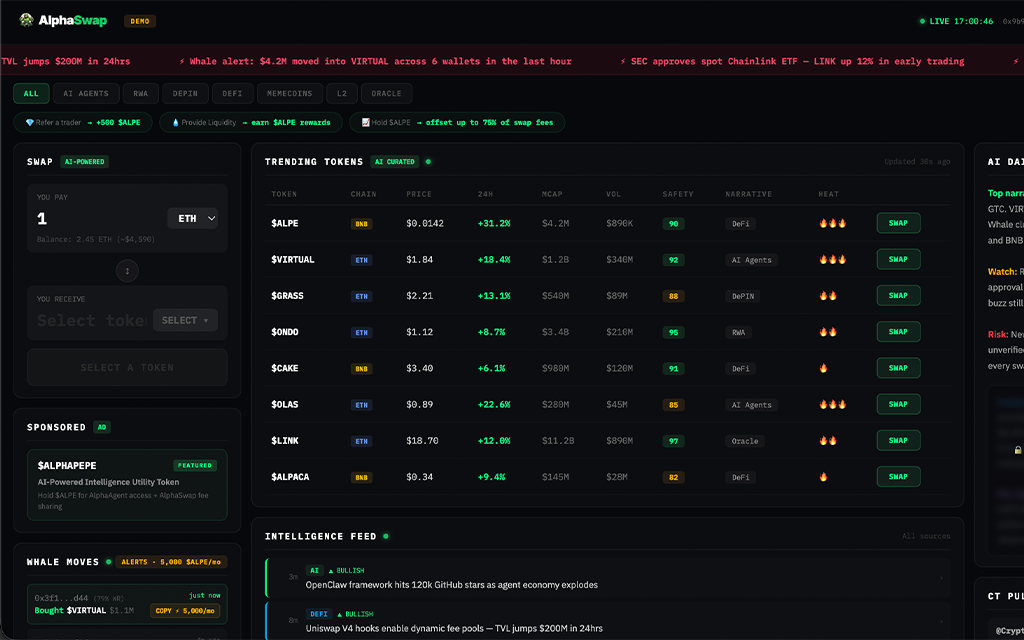
XRP Price Prediction: Is a $2 Rally Still Possible This Month or Is AlphaPepe the Better Bet?




