

Bhutan Launches Digital ID on Ethereum: Crypto Users Turn to No KYC Wallets for Privacy

Bhutan has launched a national digital identity system built on the Ethereum blockchain, marking one of the boldest moves toward blockchain-based governance in the world.
The project, called the Bhutan National Digital Identity (NDI), was unveiled at a ceremony in Thimphu attended by Ethereum founder Vitalik Buterin and Aya Miyaguchi of the Ethereum Foundation. It represents a major step in Bhutan’s “State 3.0” program, which seeks to merge technology, governance, and financial inclusion through digital infrastructure.
By 2026, every citizen is expected to transition to this new digital ID system, replacing physical documents with verifiable digital credentials. The goal is to make identification faster, safer, and more transparent while giving people more control over how their data is shared online.
Bhutan’s government says the move will improve efficiency and privacy in interactions between citizens and institutions. The country has already shown a strong commitment to digital innovation, using its renewable hydropower to mine Bitcoin and support clean-energy blockchain projects.
How the Digital ID System Works
The Bhutan NDI relies on a cryptographic method known as zero-knowledge proofs. This technology allows a person to prove that something about them is true without revealing the underlying details. For example, someone can confirm they are over 18 without showing their exact date of birth. It is designed to let users verify their identity securely while keeping personal data hidden.
Even with these protections, questions remain. Any national identity system, including those built on public blockchains like Ethereum, still depends on government oversight. In Bhutan’s case, participation may not be optional, since citizens could need the digital ID to access basic services. Personal data might not be stored directly on-chain, but some metadata, such as usage history, could still exist in related systems.
Concerns About Privacy and Control
Supporters believe blockchain-based IDs can reduce data leaks and cut down on unnecessary sharing of personal information. Critics, however, worry that centralizing identity data under government control, even with advanced encryption, could lead to surveillance or misuse.
There is no real evidence that it can reduce data leaks. If anything, it creates a giant target for hackers to aim at.
The debate around digital IDs is not limited to Bhutan. The United Kingdom has also been moving toward a national digital identity despite ongoing privacy concerns. The question is whether these systems empower citizens or simply give authorities new tools for monitoring them.
Bhutan’s initiative will likely become a case study for other nations exploring blockchain identity programs. Given its experience with crypto mining and blockchain development, Bhutan’s move into digital governance feels like a natural extension of its broader strategy. Still, the real test will be how much privacy individuals can keep as the system evolves.
Crypto Users Turn to No KYC Wallets for Privacy
As governments move to integrate blockchain with regulatory frameworks, many crypto users are heading in the opposite direction. The rise of national digital IDs has pushed privacy-focused users toward tools that maintain anonymity and self-custody.
A no KYC crypto wallet allows people to send, receive, and store digital assets without linking a name or government ID. For users who believe in the original principles of cryptocurrency, including decentralization, autonomy, and privacy, these wallets have become increasingly attractive.
While states experiment with blockchain-backed identity, privacy-conscious traders are choosing systems that keep them independent from centralized control. The clash between digital identity and digital freedom is only beginning, and the outcome may shape the future of both crypto and personal privacy.
For now, digital freedom is winning the battle, with self-custodial and secure tools like Best Wallet leading the charge. Best Wallet has grown increasingly popular over the past few months as users seek ways to protect both their personal and financial data against external oversight.
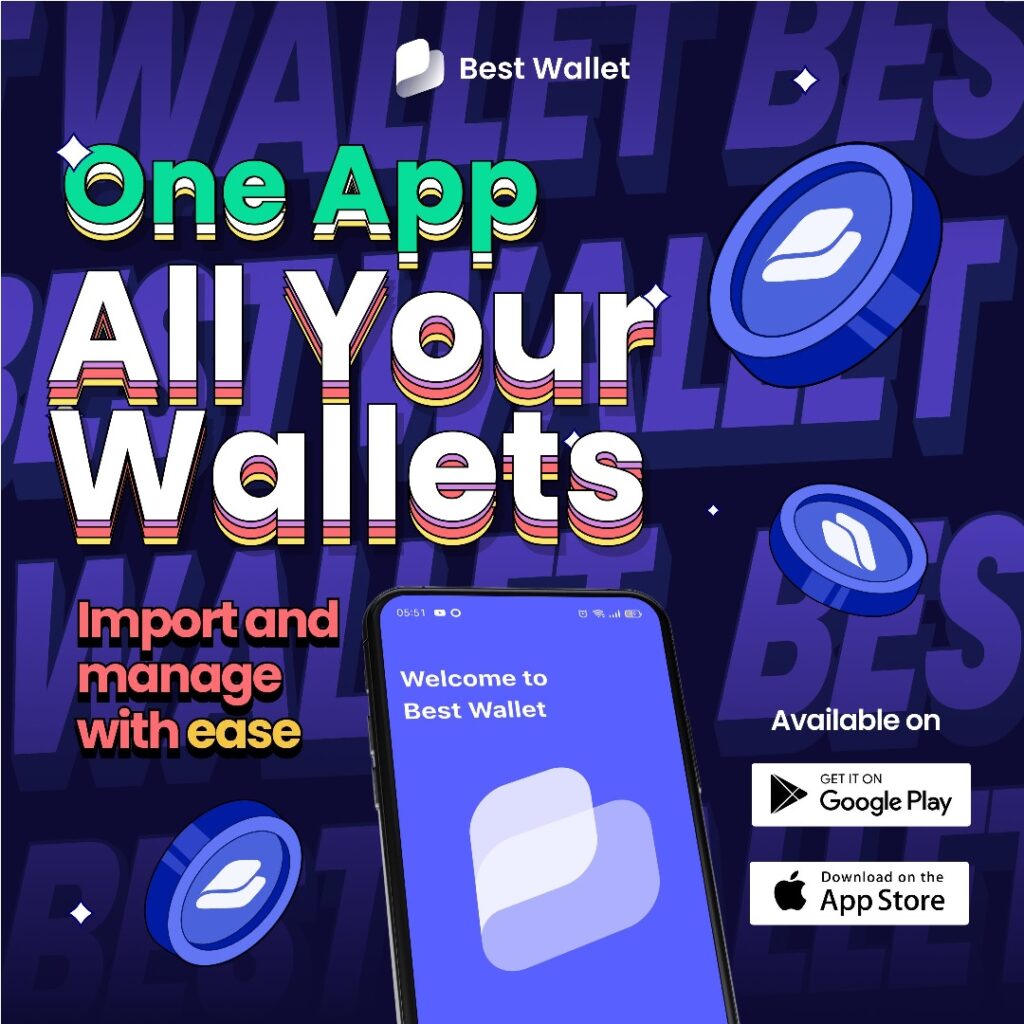
At the heart of the platform lies a non-custodial architecture that gives users full control over their assets without sacrificing their privacy. It doesn’t require personal details or ID confirmations to unlock its full set of features. As a result, users can buy any supported cryptocurrency, and even swap cryptos inside the wallet anonymously, giving them peace of mind that their data remains safe.
Add the fact that the wallet is protected using cutting-edge technologies like Fireblocks, and it is easy to understand what makes the wallet so popular among those seeking to safely manage and grow their crypto investments. Its intuitive interface appeals to beginners, while its feature-packed ecosystem solidifies its place in the hearts of many professionals.
Among its standout features is the “Upcoming Tokens” tool, which allows investors to gain entry to some of the hottest gems on the market while they are still in their early stages. Then, there is the advantage of exploring tokens and staking opportunities across several blockchains due to its multichain functionality. With plans to support over 60+ blockchains, Best Wallet grants users the ability to build diverse portfolios without having to leave the wallet.
Leading names in the industry, including ClayBro continue to praise the exceptional features built into the Best Wallet app, emphasizing their role in helping investors maximize gains in the upcoming bull cycle.
Download Best Wallet
This article has been provided by one of our commercial partners and does not reflect Cryptonomist’s opinion. Please be aware our commercial partners may use affiliate programs to generate revenues through the links on this article.
You May Also Like

CEO Sandeep Nailwal Shared Highlights About RWA on Polygon

👨🏿🚀TechCabal Daily – Folded by a paper cut
