

Argentina’s YPF Studies Plan for Paying Fuel with Crypto
YPF examines crypto payments for fuel as Argentina explores new digital settlement models amid ongoing currency reforms.
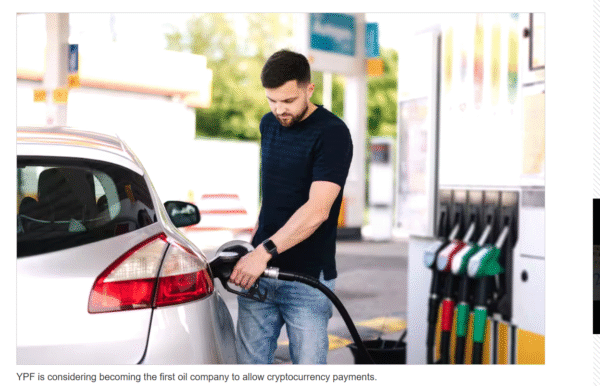
Argentina’s state-owned YPF is assessing a plan to allow crypto payments for gasoline and diesel at its service stations. Moreover, officials said the review is still in progress, with no solid launch timeline.
YPF Evaluates Digital Payment Expansion
According to reports, the company is looking at a model that would be based on an exchange intermediary. Additionally, the system would probably refer to “crypto dollar” pricing, and not the official rate. Local coverage from La Nación and sector blogs confirms that Lemon, Ripio, and Binance are among the potential partners for the intermediary layer.
Related Reading: Dogecoin News: Argentina Embraces Dogecoin Payments Amid Inflation Concerns | Live Bitcoin News
YPF’s consideration of crypto comes after it accepted payments in fuel for U.S. dollars. In addition, the company became the first in Argentina to permit the direct transactions of dollars for gasoline and diesel. This development coincided with policy measures introduced by Economy Minister Luis Caputo, which were intended to promote the internal dollarization strategy of the country.
YPF said a crypto mechanism would operate on the same structure as that deployed for dollar payments. Additionally, people with eligible accounts can already transfer dollars to YPF’s checking account at Banco Santander by scanning a QR code.
 Source: La Nacion
However, YPF stressed that dollar payments are still limited to purchases within the company’s ecosystem. Moreover, the dollar system is not in the context of foreign exchange operations because there is no buying and selling of currency at all in the transaction. Therefore, a similar process for crypto would have the intermediaries handling valuation and settlement.
Regulatory and Operational Considerations Increase
The company clarified that the crypto markets are not using the official exchange rate of Argentina. Consequently, intermediaries may be required to convert crypto values into settlement amounts as they flow through the payment. Reports indicate that through the discussions, possible exchanges referenced might be able to provide pricing feeds and custody functionality.
Meanwhile, YPF also increased its technological initiatives for 2025. The company introduced a self-service fueling system where customers fill up without the help of staff. Additionally, the users receive 3% discount thanks to the lower operating costs, a model replicated from international retail fuel practices.
Energy analysts say that crypto payments can help diversify payment channels during economic transitions. Furthermore, industry watchers think flexibility would help support stations in tourist areas, where crypto adoption is growing steadily. However, they also warn that settlement risks and technical integration remain complicated for large-scale rollouts.
Financial experts add that pricing based on “crypto dollars” could make Argentina less reliant on its patchy exchange landscape. Nevertheless, any operational model needs to meet compliance, volatility protection, and custody standards via regulated intermediaries.
Broader Effects on Argentina’s Payment Modernization
As YPF is researching crypto settlement, there is speculation that wider payment reforms could be contingent on patterns of adoption in the wider retail sector. Additionally, the company’s focus on digital tools suggests a broader strategic shift in the fuel sector. Unless crypto acceptance deals are to stop, daily settlement processes, which may be subject to liquidation, may increase in levels of automation through exchange-backed channels. As a result, the payment ecosystem in Argentina could enter a more diversified and technology-driven stage.
The post Argentina’s YPF Studies Plan for Paying Fuel with Crypto appeared first on Live Bitcoin News.


You May Also Like

Dovish patience with geopolitical risks – TD Securities

Cashing In On University Patents Means Giving Up On Our Innovation Future




